





 Portuguese
  English
  Spanish
 4 min of reading
  0 comments



Minas Rains Cause Rural Damage and Agricultural Losses of Up to R$ 100,000. Survey Shows Impact on the Mining Agribusiness.
The Minas Rains recorded at the end of February and beginning of March caused significant rural damage in various regions of the state.
A survey conducted by the Faemg Senar System with 376 producers revealed that 26% of rural properties were directly affected, resulting in agricultural losses, animal deaths, and logistical difficulties for the disposal of production.
The survey was conducted between February 28 and March 2 and analyzed properties in different regions of Minas Gerais.
-
Money with chickens: how much can 200 laying hens yield per month with eggs at R$ 12 per dozen?

-
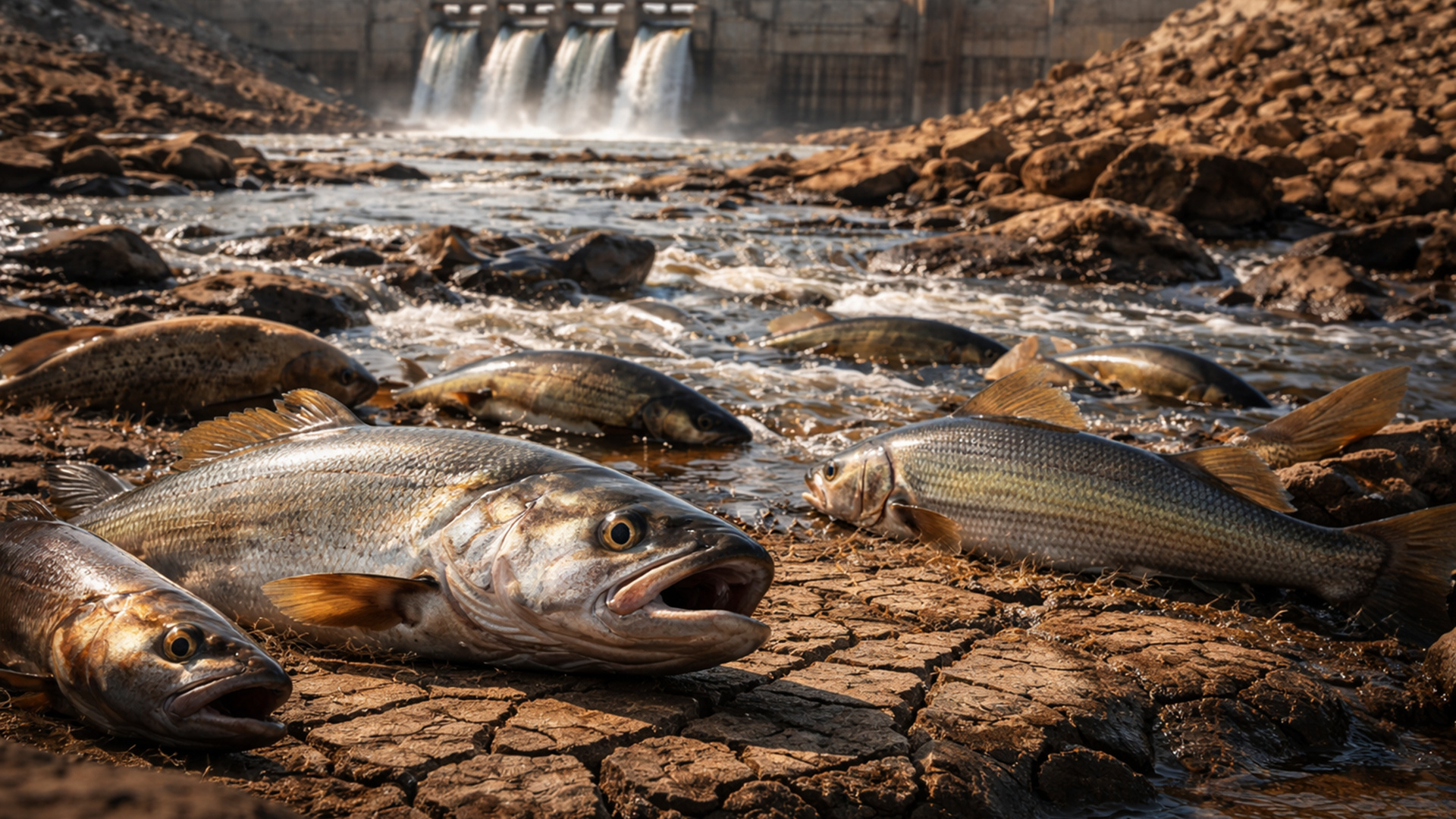
As dams and pollution advance, migratory freshwater fish are facing a silent global crisis that has already decimated populations, threatened fisheries, and raised alarms in major basins.
-
Crotalaria, mucuna, and other cover crops stop being “weeds” between harvests and become central to agriculture by improving the soil, adding biomass, and enhancing green fertilization in vegetable production.

-
Coruripe Mill secures international financing of R$ 530 million and boosts the sugar-energy sector.


According to the data, in addition to the direct impacts on production, 95% of affected producers do not have rural insurance, which further worsens the financial scenario of the mining agribusiness in the face of climatic adversities.
Moreover, the intense rains compromised rural roads, bridges, and access to properties, hindering the circulation of producers and the transportation of food.
Agricultural Losses Affect Thousands of Hectares in the Mining Agribusiness
The impacts of the Minas Rains on the mining agribusiness were extensive.
According to the technical survey, about 63,000 hectares of cultivated areas were affected, out of a total of 100,780 hectares assessed in the research.
The agricultural losses vary according to the type of production and the severity of the damage. Among the producers who suffered losses:
48% estimate losses of up to R$ 10,000;
22% had losses between R$ 10,000 and R$ 50,000;
10% reported damages close to R$ 100,000;
6% had losses exceeding R$ 100,000.
In addition to crop production, there was also an impact on livestock.
The survey recorded 142 dead animals in 13 properties across 12 municipalities.
These figures show that the effects of the rains go beyond the crops and affect the entire rural production chain.
Lack of Rural Insurance Aggravates Rural Losses for Producers
Another concern for sector entities is the low adherence to rural insurance. According to the study, 95% of producers affected by the Minas Rains do not have protection against climate losses.
This scenario makes the rural loss even more critical, especially for small and medium producers.
Many of them rely exclusively on income from agricultural production.
Furthermore, 21% of affected producers have active loans, and 12% have installments due in the next 90 days, which may increase the risk of indebtedness.
As explained by the manager of Technical and Managerial Assistance of the Faemg Senar System, Wender Guedes Borges:
“The Faemg Senar System is attentive to what is happening with rural producers, especially in light of climate adversities. Unfortunately, this year, we have had heavy rains in several parts of the state.
The survey was initially focused on the municipalities of the Zona da Mata, but, since we have more than 620 technicians in the field, with this reach, we decided to observe the situation throughout the state.”
Minas Rains Cause Damage to Rural Infrastructure and Hinder Disposal
In addition to the agricultural losses, the rains caused severe damage to rural infrastructure. Among the main problems recorded are:
flooding and inundation;
bridge collapses;
destroyed rural roads;
erosion and landslides.
These damages hinder access to properties and compromise the transportation of production.
According to Borges:
“We have observed that in the properties there is great difficulty for producers to circulate and transport their production, as there has been a breakdown of accesses, such as bridges and roads, due to flooding and landslides.”
This scenario directly impacts the logistics of the mining agribusiness, especially for perishable products.
Coffee, Milk, and Livestock Lead Agricultural Losses After Rains
Among the productive chains most affected by theMinas Rains, coffee is at the forefront. About 31% of affected producers reported damage to the crop.
Following are:
- milk production (23%);
- beef cattle (17%).
Other activities also reported agricultural losses, such as vegetable production, beekeeping, and fruit farming.
Regarding coffee cultivation, Borges highlights the concern about diseases in the fields:
“In the case of coffee, we will analyze the situation to guide producers. This is because after heavy rains, the presence of pests and diseases in the fields increases significantly.
We will guide coffee growers to avoid losses, as we expect a good harvest at a positive time for coffee.”
Municipalities Most Affected by the Minas Rains
Among the municipalities affected by the rains, Ubá, in the Zona da Mata, stands out as one of the most damaged.
In the city, 31 bridges were destroyed, leaving rural residents isolated and hindering the disposal of agricultural products.
Additionally, the municipal open-air market was destroyed by the floods, temporarily preventing the commercialization of food.
Producers also face difficulties in delivering perishable goods, such as:
milk;
fruits;
vegetables;
legumes.
In the case of milk, the situation is even more delicate, as the product must be delivered within 48 hours after milking.
Other affected municipalities include:
Itamarandiba;
Águas Formosas;
Coração de Jesus;
Francisco Sá;
Jaíba;
Manga.
Entities Assess Measures to Reduce Rural Losses
In light of the impacts of the Minas Rains, the Faemg Senar System announced that it is monitoring the situation and will hold meetings to define support measures for producers.
The entity also intends to expand technical guidance to reduce agricultural losses and help the mining agribusiness recover from the damages caused by the climate.
Experts warn that extreme weather events are becoming more frequent, which underscores the importance of rural insurance policies and adaptation strategies in the field.
See more at: Rains in Minas Gerais Cause Damage to Agribusiness







Seja o primeiro a reagir!