





 Portuguese
  English
  Spanish
  5 min of reading
  0 comments


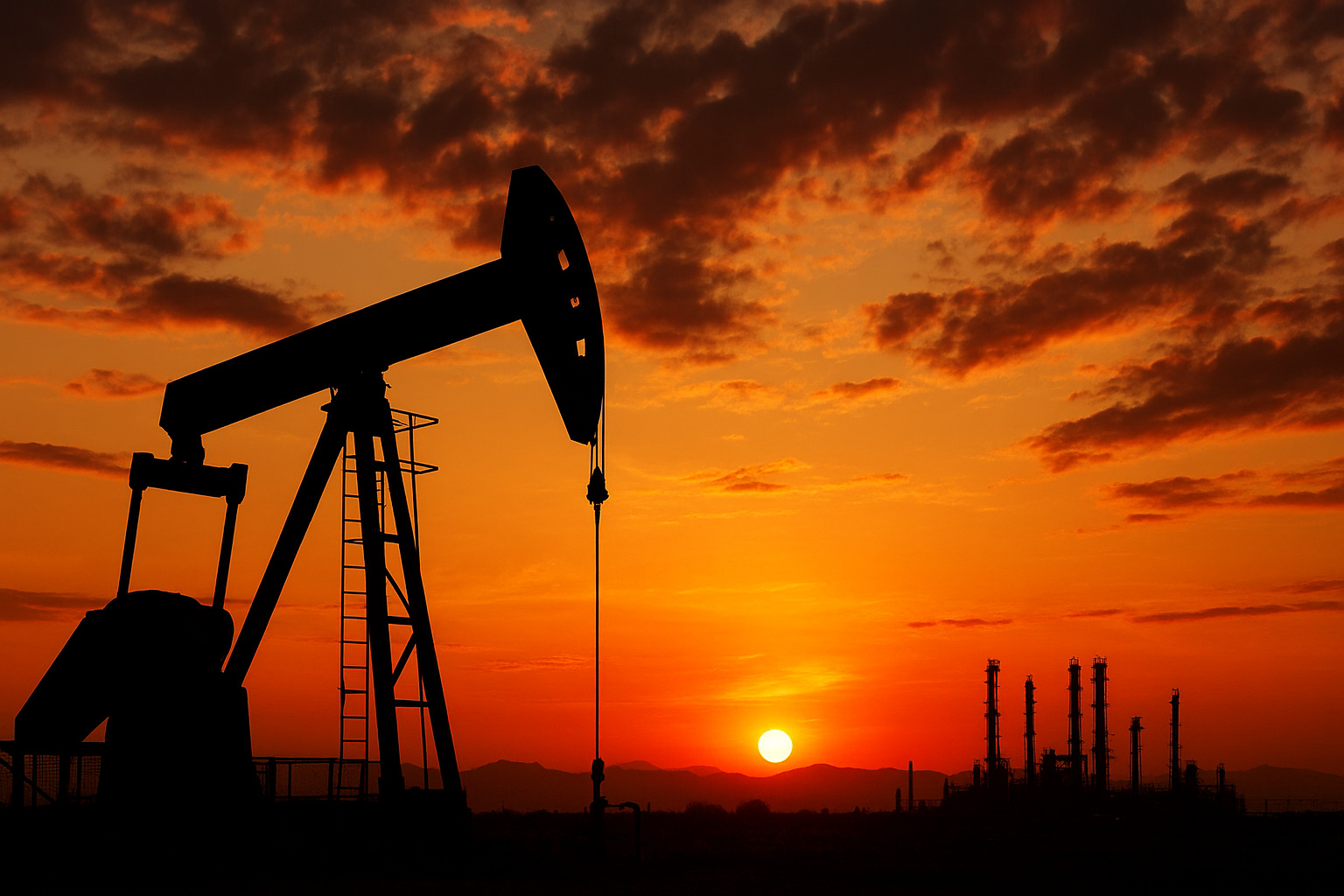
Brazil has made important advances in combating deforestation, but a recent study reveals an alarming fact: emissions associated with exported Brazilian oil more than negate part of that progress. According to BBC, the country’s “hidden” fossil fuel emissions are equivalent to nearly 70% of the emissions reduction achieved through deforestation, making it clear that national decarbonization faces deep contradictions.
This paradox between forest and fossil shows that isolated climate policies are not enough. No matter how much Brazil protects its forests, if it continues to explore and export oil in large quantities, climate gains could be seriously compromised. It is a silent yet powerful crisis that demands urgent attention.
A Historical Overview of Brazil — Oil — Climate Relationship
Historically, Brazil has a complex trajectory with oil. For decades, oil production was seen as an engine for economic growth. However, in recent decades, the country has also become an environmental symbol, especially because of its vast Amazon rainforest. The logic of energy development and forest preservation often clash.
-
The rise in oil prices could ensure an extra revenue of R$ 100 billion for the Federal Government, indicates a recent economic study.

-
Naturgy begins an investment of R$ 1.6 million to expand the gas network in Niterói and benefit thousands of new residences and businesses.

-
A major turn in the Justice system suspends tax increases and directly impacts oil and gas companies in Brazil by affecting costs, contracts, and financial planning, leaving uncertain what could happen to the sector if these costs had increased.

-
Brava Energia begins drilling in Papa-Terra and Atlanta and could change the game by reducing costs in oil while increasing production and strengthening competitiveness in the offshore market.
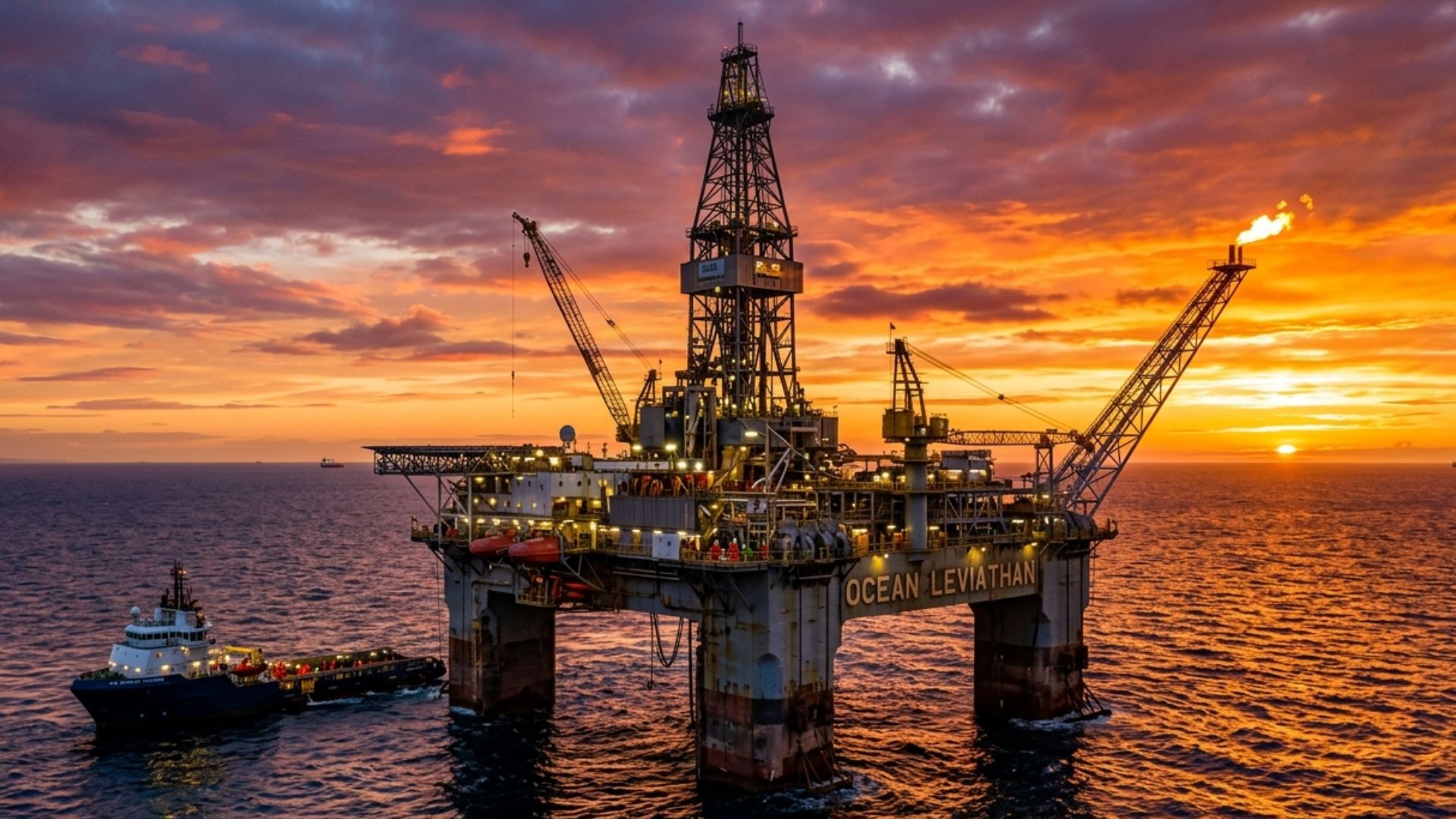

With the creation of inventories such as the SEEG (System of Estimates of Emissions and Removals of GHG), Brazil began to map its emissions more precisely. Still, many of these inventories focus on gases released within the country — and do not fully account for the carbon generated by burning Brazilian oil abroad. This type of historical omission is part of what is called “embedded emission” or “exported carbon.”
Climate researchers and analysts have raised this debate before. For example, DW Brasil stated in 2025 that, although Brazil appears to have environmental progress, its oil production and partnerships with fossil fuel producing blocks raise doubts about the sincerity of its climate commitments.
What the BBC Reveals About Hidden Emissions
According to the report from BBC News Brasil, burning oil extracted in Brazil and exported to other countries causes emissions that do not enter the national inventory. This happens because many inventories only account for the carbon emitted within the country’s borders, ignoring the global impact of fossil fuel exports.
The BBC points out that this “exported carbon” corresponds to such a large share that it could negate nearly 70% of the reductions the country attributes to lower deforestation. This cruel calculation reveals that protecting the Brazilian forest is not enough if the fuel is converted into carbon elsewhere.
Moreover, the journalistic study cites researchers from the Institute of Energy and Environment (IEA) and the Climate Observatory, who emphasize that national oil production has a dual negative effect: financial and climatic. They argue that Brazil profits from extraction and export, yet does not fully account for its climate responsibilities.
Impacts on the National Climate Strategy
This disconnection between deforestation and fossil fuels complicates Brazil’s climate strategy. If the gains made from forest preservation are partially consumed by oil emissions, the decarbonization goal weakens. This makes it harder for the country to meet international commitments, such as those established in the Paris Agreement.
There are also implications of accountability: by exporting oil, Brazil transfers part of its carbon footprint to other countries. This means that its real environmental impact may be underestimated in national reports.
Additionally, according to reports from Mongabay Brasil, the country still subsidizes fossil fuels while claiming to have a decarbonization agenda. This incentive for oil reinforces a paradox: Brazil advocates ambitious climate goals but maintains policies that favor fossil production.
Economic and Climate Risks for the Future
If Brazil does not align its deforestation goals with a clear strategy for reducing oil production, it risks seeing its climate commitments undermined by its own fossil profits. Persisting in oil exports could generate tensions between economic growth and environmental responsibility.
Moreover, in a global scenario where carbon markets are strengthening, “exported emission” could become a financial liability. Countries buying Brazilian oil may pressure for compensation or taxation mechanisms, which could bring unexpected costs.
On the other hand, reliance on oil for economic revenue could make it more costly for Brazil to transition to renewable energy quickly. If there is no clear policy to reduce production, uncertainty remains about whether Brazil will be able to reconcile growth, climate, and forest.
The Role of Public Policies and Transparency
To confront this contradiction, it is essential that Brazil adopt more comprehensive and transparent climate policies. This means including in national estimates not only the emissions generated internally but also those “exported” through the burning of Brazilian oil abroad.
Additionally, governments and regulators must encourage a real energy transition by reducing subsidies to fossil fuels and promoting renewable sources. According to experts, fiscal and energy reform can be a powerful tool to realign national incentives with environmental goals.
Another proposal is to strengthen accountability: climate reports should incorporate more comprehensive data on the life cycle of fuels so that the public and policymakers understand the real impact.
The Challenge of a Just Transition
Not everything is simple when it comes to reducing oil production in Brazil. There are economic implications for regions dependent on exploration, jobs, and tax revenue. Therefore, any decarbonization plan needs to consider a just transition that offers economic alternatives for these sectors.
At the same time, preserving the forest, if done without compromising the income of people living in the Amazon and other vulnerable regions, can become part of a new green economy: one where zero deforestation and reduced oil production go hand in hand.
There are signs that this discussion is already underway. Climate organizations and researchers have been advocating for cleaner and more inclusive development models that do not solely rely on the extraction of fossil resources.
Reflection on the Path Ahead
The “hidden” emissions from Brazilian oil expose an essential contradiction: Brazil may be saving its forests, but it still significantly contributes to the climate crisis through the export of fossil fuels. This paradox is not only technical — it is moral and strategic.
If Brazil wishes to be a global reference in the fight against warming, it must confront this issue head-on. This implies rethinking policies, integrating climate reports and adopting an energy transition that goes beyond rhetoric.
Only with coherence, transparency, and political will can it be possible to transform environmental gains into a long-term trajectory — a trajectory in which forest, climate, and development walk together without one overshadowing the other.







Seja o primeiro a reagir!