





 Portuguese
  English
  Spanish
  3 min of reading
  0 comments


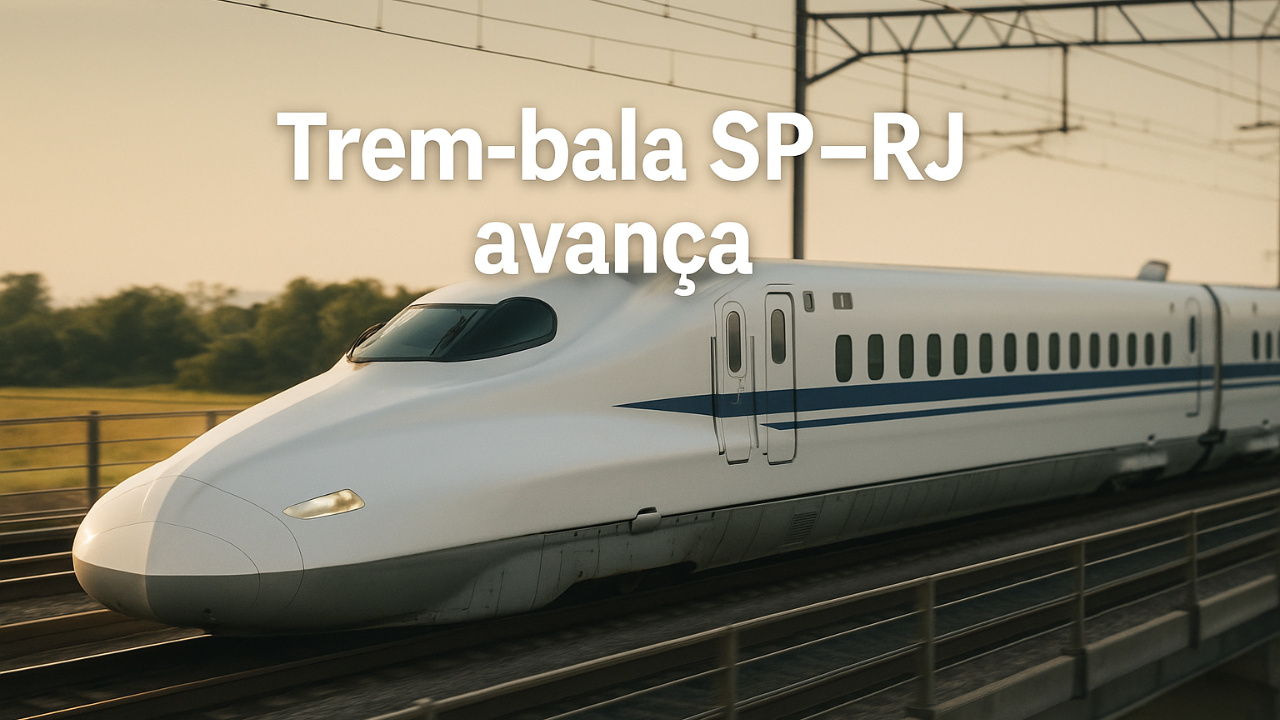
Bullet Train Project Between SP and RJ Receives International Funding and Advances in Environmental Licensing with Forecast for 2032.
Brazil is starting one of the largest rail transport projects in its history with the advancement of the bullet train that will connect São Paulo to Rio de Janeiro.
The initiative, led by TAV Brasil, expects to begin operations in 2032, following the construction of a high-speed line capable of covering 417 km in approximately 105 minutes.
The project, which involves international investment from China, Spain, and Middle Eastern countries, is designed to provide a faster and more stable alternative to air and road travel between the two largest metropolitan areas in the country.
-
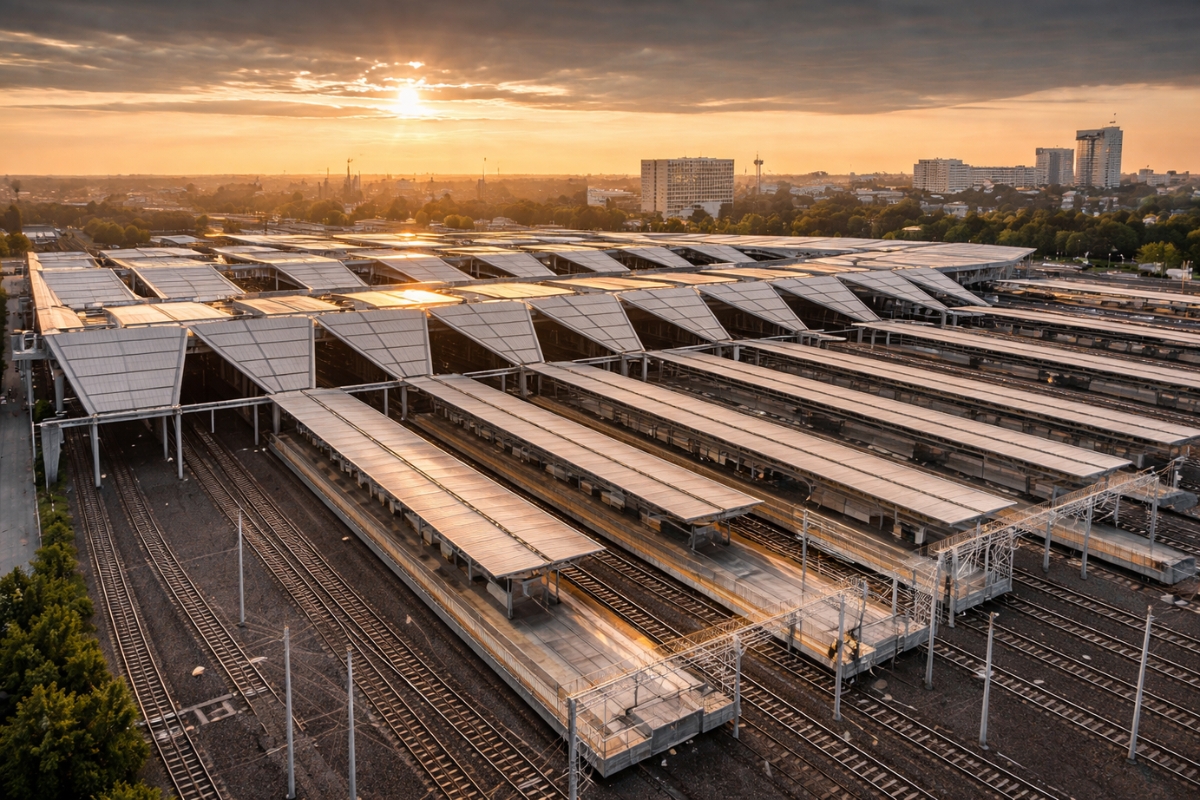
In A European City, The Country’s Largest Railway Junction Was Modernized Without Closing Its Doors, Kept Trains Running During Years Of Construction, Now Serves Up To 60,000 Passengers Per Day, And Installed Solar Panels That Generate About 30% Of Its Energy
-
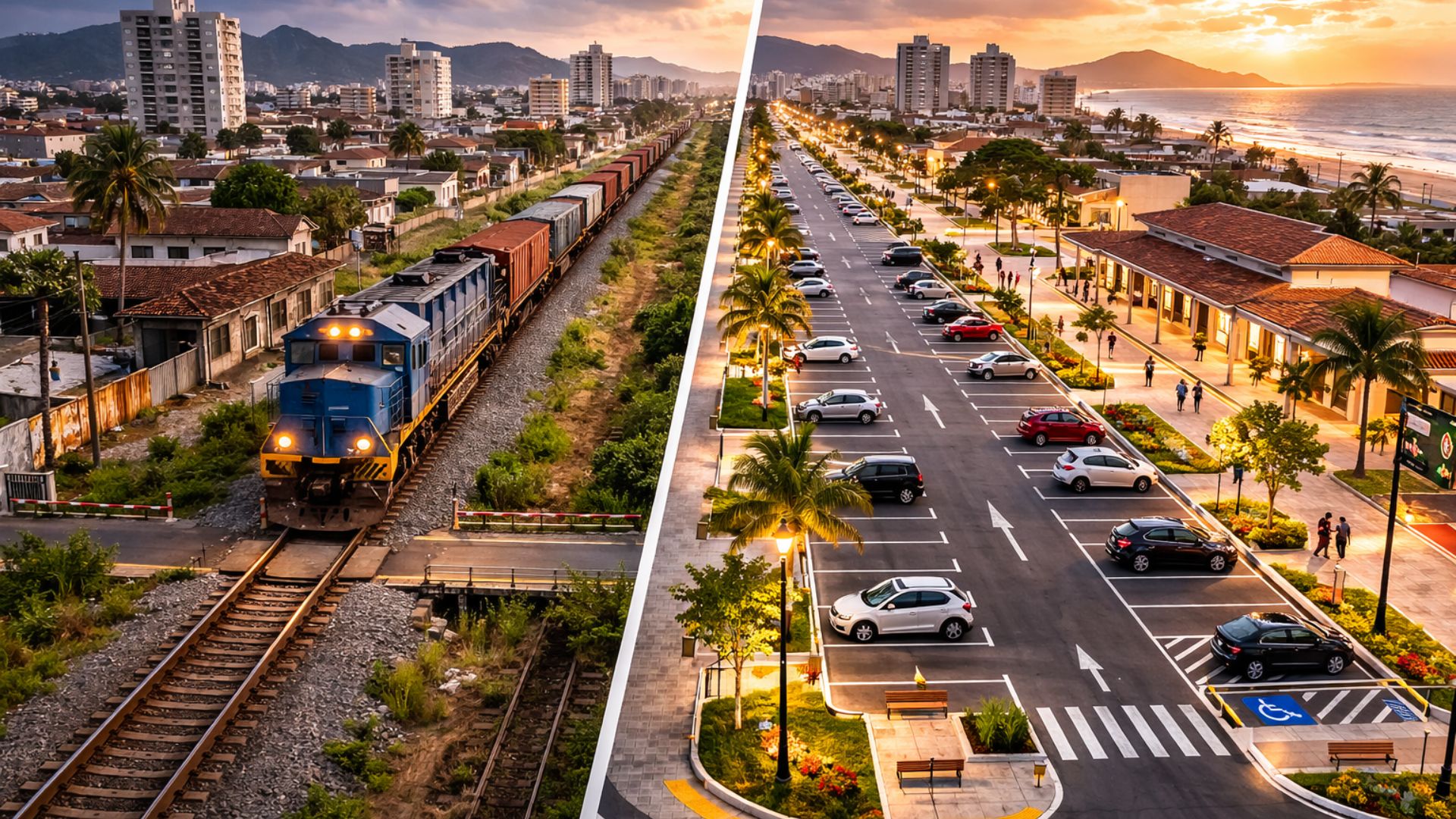
Famous Brazilian Railway May Become a Parking Lot
-
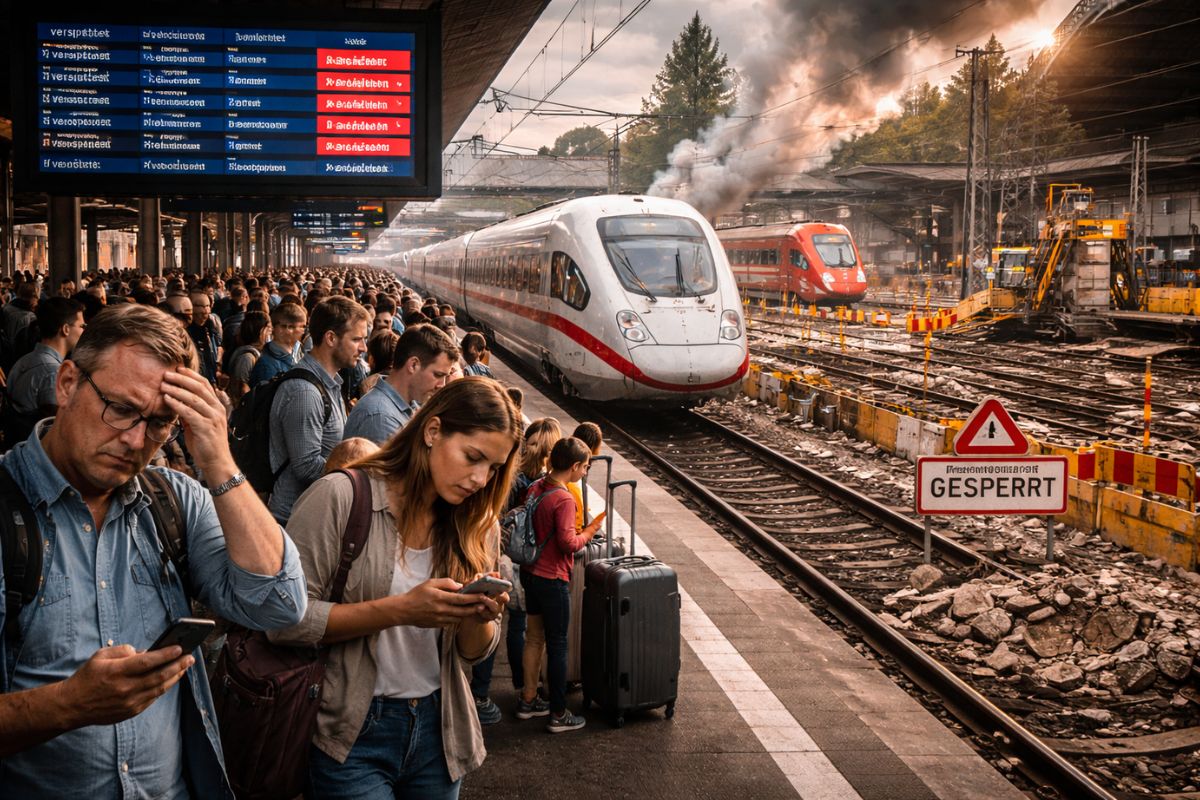
The Country of “Punctual As a Train” Admits It Has Lost Control: High-Speed Trains Delay, Stop, Disappear from the Map and Turn 6-Hour Trips into 10, While Deutsche Bahn Promises Restructuring in 2026 But Faces 19th Century Infrastructure, Staff Shortages and Sections Closed for Months
-
With an Investment of R$ 700 Million in One of the Country’s Main Rail Networks, VLI Reinforces Infrastructure, Receives 8 New Locomotives, and Expands the Corridor Connecting 7 States, Boosting Jobs and the Transportation of Grains, Ore, and Oil Products to the Port of Santos

According to preliminary estimates, tickets will cost an average of R$ 500 per segment.
The price, although similar to that of airlines, is expected to attract users due to the predictability of schedules, reduction in total travel time, and greater comfort throughout the journey.
Economic Impact of the Bullet Train Boosts Rail Transport Expansion
The bullet train proposal goes beyond modernizing infrastructure. It represents, above all, an opportunity for large-scale economic transformation.
According to projections by TAV Brasil, the project has the potential to generate approximately 130,000 direct and indirect jobs.
Furthermore, the company estimates that the project could add up to R$ 168 billion to Brazil’s Gross Domestic Product (GDP) by 2055.
This impact includes strengthening rail transport as a strategic mode and creating new urban centers.
The real estate development around the stations is expected to generate an additional R$ 27.3 billion, with commercial, residential, and corporate projects boosted by the arrival of the new infrastructure.
International Investment Strengthens the Project and Widens Financial Guarantees
The Brazilian bullet train project gained robustness with the entry of international partners, a decisive point for its technical and financial viability.
The involvement of groups from China, Spain, and the Middle East confirms global interest in the expansion of high-speed transport in Brazil.
These contributions are expected to reach R$ 60 billion, a value that includes engineering, high-speed technology, expropriations, and civil works.
Thus, international investment has become an anchor for the project and one of the main reasons for its acceleration in 2024 and 2025.
Environmental Licensing Remains the Main Challenge of the Bullet Train
Although the advances are significant, the project faces important obstacles.
The most sensitive of these is the environmental licensing, a mandatory process for the implementation of large infrastructure works.
The absence of the bullet train in the Growth Acceleration Program (PAC) prevents some stages from being expedited, which may prolong negotiations with regulatory agencies.
Still, TAV Brasil hopes to obtain all necessary licenses by 2027. This step allows for the commencement of construction and ensures the maintenance of the operation schedule forecasted for 2032.
Itinerary of TAV Brasil Interlinks Strategic Cities and Expands Regional Connectivity
The route of the bullet train includes stations in São Paulo and Rio de Janeiro and four stops: Resende, Volta Redonda, São José dos Campos, and Jacareí.
The arrangement enhances regional connectivity by creating new corridors for economic development and facilitating daily travel for workers and tourists.
The design of the itinerary also strengthens integration between industrial and technological hubs in the Southeast, stimulating business and reducing logistical bottlenecks.
As the project advances in engineering and environmental licensing, municipal governments and companies are already discussing opportunities that will arise around the stations.
A Milestone for the Future of Brazilian Rail Transport
By consolidating the bullet train as a priority project, Brazil draws closer to countries that already operate high-speed networks and increases its global competitiveness.
The advancement of TAV Brasil, supported by international investment, reinforces the modernization of rail transport.
When it starts operating, the São Paulo–Rio line will not only represent a new mode but also a symbol of the country’s capacity to execute complex projects with a high impact on the national economy.









Seja o primeiro a reagir!