





 Portuguese
  English
  Spanish
 5 min of reading
  0 comments


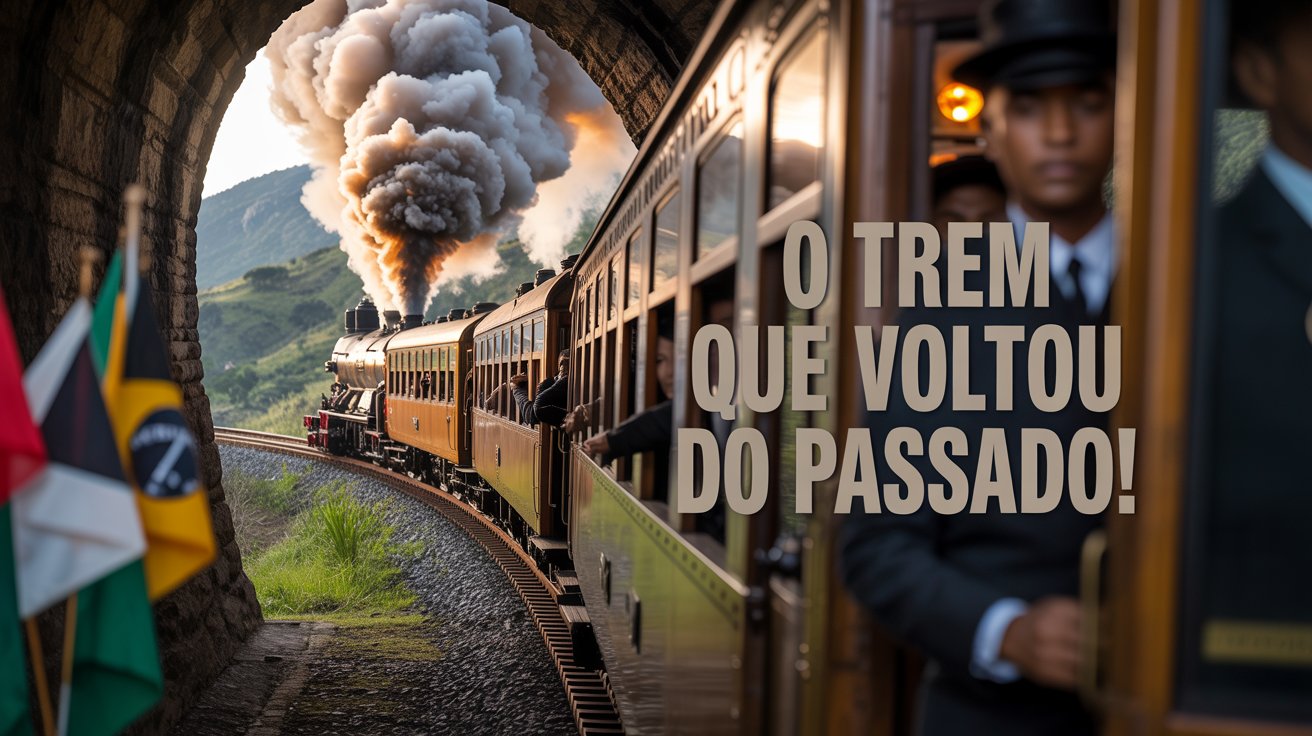
Historic Railway Returns with Tourist Train, Rescuing Part of the Past of the 1932 Revolution and Revitalizing Regional Tourism with Route Between Cruzeiro and the Foot of the Serra da Mantiqueira.
After more than three decades without receiving passengers, one of the most emblematic railways in Southeastern Brazil will host, this July 2025, a historic milestone in national rail tourism.
The railway that connected São Paulo to Minas Gerais, a key piece during the 1932 Constitutional Revolution, is returning to partial operation with the pre-launch of the tourist train Expresso Mantiqueira, an initiative that celebrates the rescue of part of the country’s railway memory.
According to the newspaper Folha de S. Paulo, the inaugural rides of the Expresso Mantiqueira will take place on July 5 and 6, departing from the central station of Cruzeiro, located 219 kilometers from the capital city of São Paulo.
-
In A European City, The Country’s Largest Railway Junction Was Modernized Without Closing Its Doors, Kept Trains Running During Years Of Construction, Now Serves Up To 60,000 Passengers Per Day, And Installed Solar Panels That Generate About 30% Of Its Energy
-
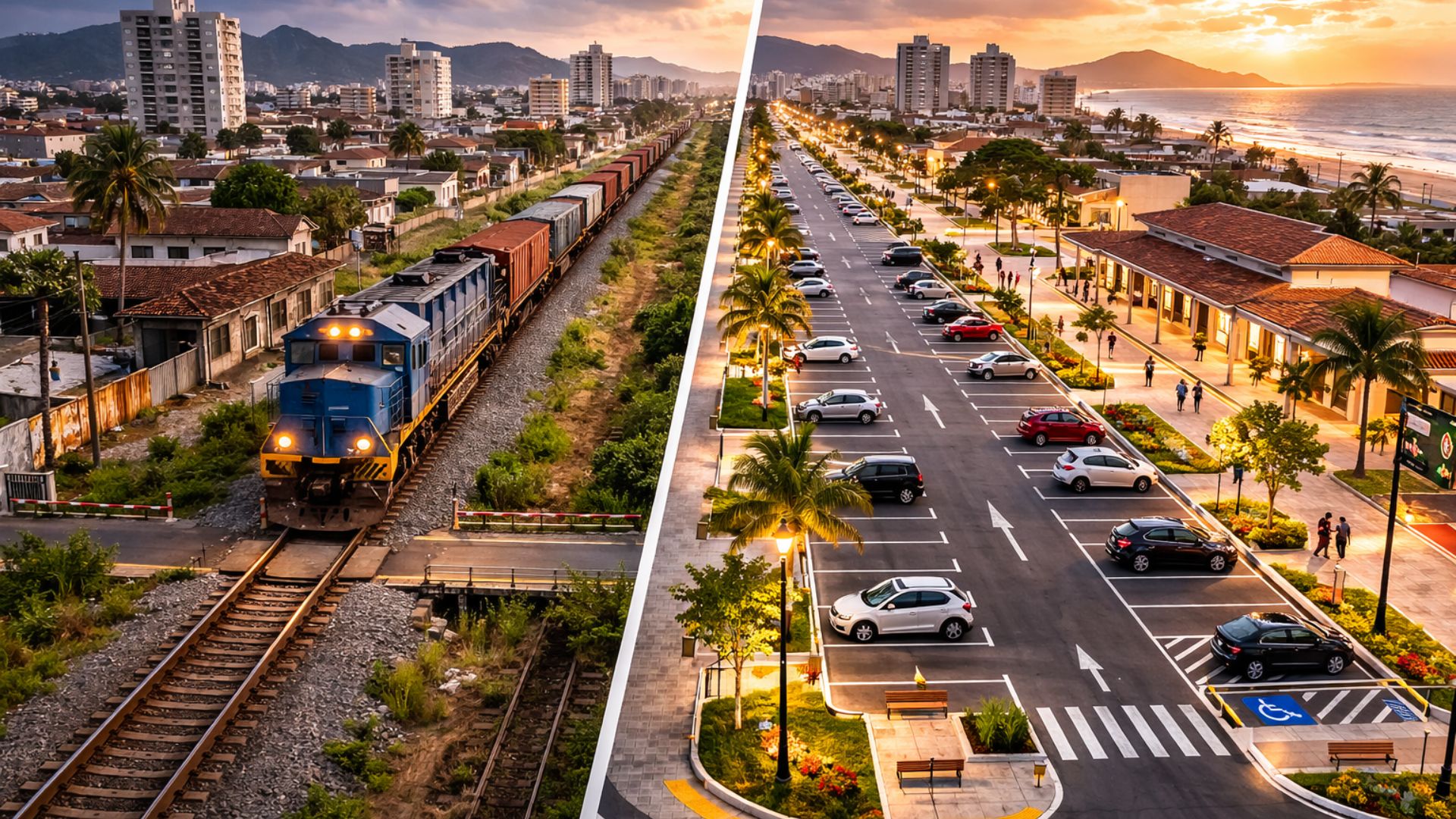
Famous Brazilian Railway May Become a Parking Lot
-
The Country of “Punctual As a Train” Admits It Has Lost Control: High-Speed Trains Delay, Stop, Disappear from the Map and Turn 6-Hour Trips into 10, While Deutsche Bahn Promises Restructuring in 2026 But Faces 19th Century Infrastructure, Staff Shortages and Sections Closed for Months
-
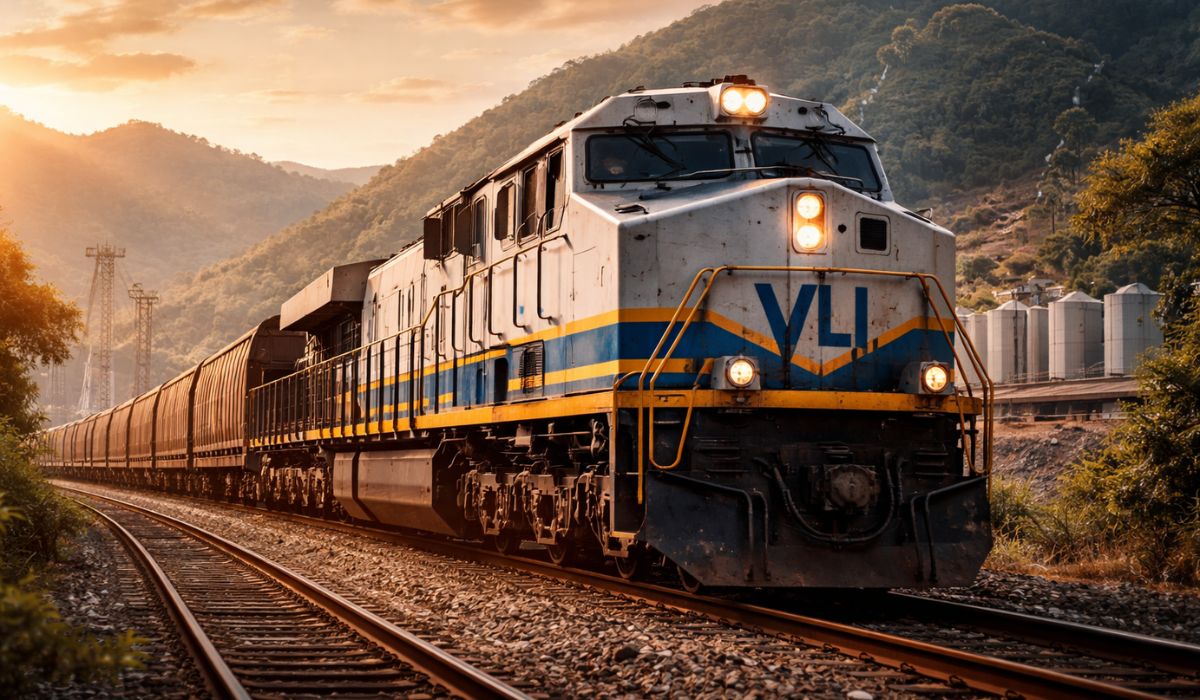
With an Investment of R$ 700 Million in One of the Country’s Main Rail Networks, VLI Reinforces Infrastructure, Receives 8 New Locomotives, and Expands the Corridor Connecting 7 States, Boosting Jobs and the Transportation of Grains, Ore, and Oil Products to the Port of Santos

This initial stretch, completely restored, will extend 12 kilometers, crossing urban areas, rural zones, and including the first tunnel of the old railway line, before reaching the Rufino de Almeida station, already at the foot of the Serra da Mantiqueira.
Restoration of Historical Tracks
The restoration of the tracks, coordinated by the Brazilian Association of Railway Preservation (ABPF) through its Southern Minas regional office, returns to the public part of the old route of the so-called Minas and Rio Railway, whose construction dates back to the late 19th century.
For the rescue project, volunteers and specialists conducted meticulous manual excavation of tracks, replacement of sleepers, and reconstruction of embankments, using historical records and engineering from the time as references.
Expresso Mantiqueira: Historical Locomotive and Tourist Experience
The Expresso Mantiqueira will use a diesel-electric locomotive built in 1958 in the United States by the American Locomotive Company, equipment that operated for various railway companies in the state of São Paulo before being restored by the ABPF itself.
The train, also composed of an open passenger car of the jardineira type, has been designed to provide a historical and visual experience for visitors, highlighting the scenery of the Vale do Paraíba and the connection with local nature.
The inaugural trip has tickets available at a cost of R$ 50, which can be purchased in advance online or directly at the station ticket counter on the days of the event.
According to the organization, the departure times will be adjusted based on demand.
During the journey, tourists will be able to observe landscapes that alternate between flat urban sections and areas of native vegetation, as well as cross a small tunnel of 10.8 meters.
This route is recognized by railway enthusiasts as one of the most challenging and picturesque of the old branch line between Cruzeiro and Passa Quatro, a town in Minas Gerais located 35 kilometers from the starting point in São Paulo.
Tunnel da Mantiqueira: Historical Milestone of the 1932 Revolution
The goal of the ABPF is to regain access to the iconic Tunnel da Mantiqueira, 998 meters long, which marked national history as a battlefield during the 1932 Constitutional Revolution.
The region, considered strategic for troop movements at the time, witnessed episodes of resistance and hundreds of deaths, including that of Lieutenant Colonel Fulgêncio de Souza Santos, commander of the 7th Battalion of the Military Police of Minas Gerais, whose name honors one of the stations on the restored route.
The Minas and Rio Railway, inaugurated in 1884 after four years of construction, played a crucial role in the transportation of agricultural products and passengers between the states of São Paulo and Minas Gerais.
Over time, it was incorporated into different railway networks, such as the Sul Mineira Railway Network, Minas Railway Network, Central-Western Railway Network, Federal Railway Network, and later became part of the Fepasa system (Ferrovia Paulista S.A.).
The branch was deactivated in the early 1990s.
Recovery and Challenges for Rail Tourism
The ABPF, an entity founded in the 1970s with the mission of preserving Brazilian railway heritage, leads the project to reactivate the São Paulo segment of the Expresso Mantiqueira, considered the biggest logistical and historical challenge since its establishment.
To make the path to the Tunnel da Mantiqueira from the Cruzeiro side viable, it will still be necessary to restore approximately 24 kilometers of railway line, in addition to replacing over 28,000 sleepers and installing about 114,000 nails.
There is no set deadline for the completion of this phase, as the resources used are mostly provided by the association itself, supported by donations such as the recent delivery of 3,000 sleepers made by the São Paulo Metropolitan Trains Company (CPTM).
Meanwhile, the Minas segment of the railway, between Passa Quatro and the Tunnel da Mantiqueira, is already operating regular tourist rides promoted by the Trem da Serra da Mantiqueira, strengthening the touristic and historical potential of the region.
In total, there are 18 kilometers left to be restored to complete the historic connection between the two cities.
During the pre-launch event of the Expresso Mantiqueira, the railway station of Cruzeiro will also host its first model railway meeting, on July 5 and 6, from 9 am to 5 pm, with the participation of exhibitors from different cities, reinforcing the interest in the railway universe in Brazil.
Context of the Constitutional Revolution and Impact on the Railway
The calendar of the Constitutional Revolution of 1932 remains a reference for understanding the relevance of this heritage.
The movement, officially started on July 9 of that year, pitted the state of São Paulo against the federal government of Getúlio Vargas, in search of a new Constitution.
Amid the conflict, the region of Serra da Mantiqueira was strategic for both the transport of troops and episodes of historical resistance, with the railway being the stage for battles and maneuvers that influenced the outcome of the movement.
With the pre-launch of the Expresso Mantiqueira and the ongoing restoration work on the railway, historical tourism, cultural appreciation, and the memory of the 1932 Revolution gain a new momentum in the Vale do Paraíba region, promising to attract visitors, researchers, and railway enthusiasts.
In this scenario of historical rescue and preservation, the revival of the tourist train represents not only an opportunity for leisure and learning but also an invitation to reflect: what other lines and heritage from the past are still waiting to be rediscovered and valued in Brazil?









-

-

5 pessoas reagiram a isso.