





 Portuguese
  English
  Spanish
  4 min of reading
  0 comments


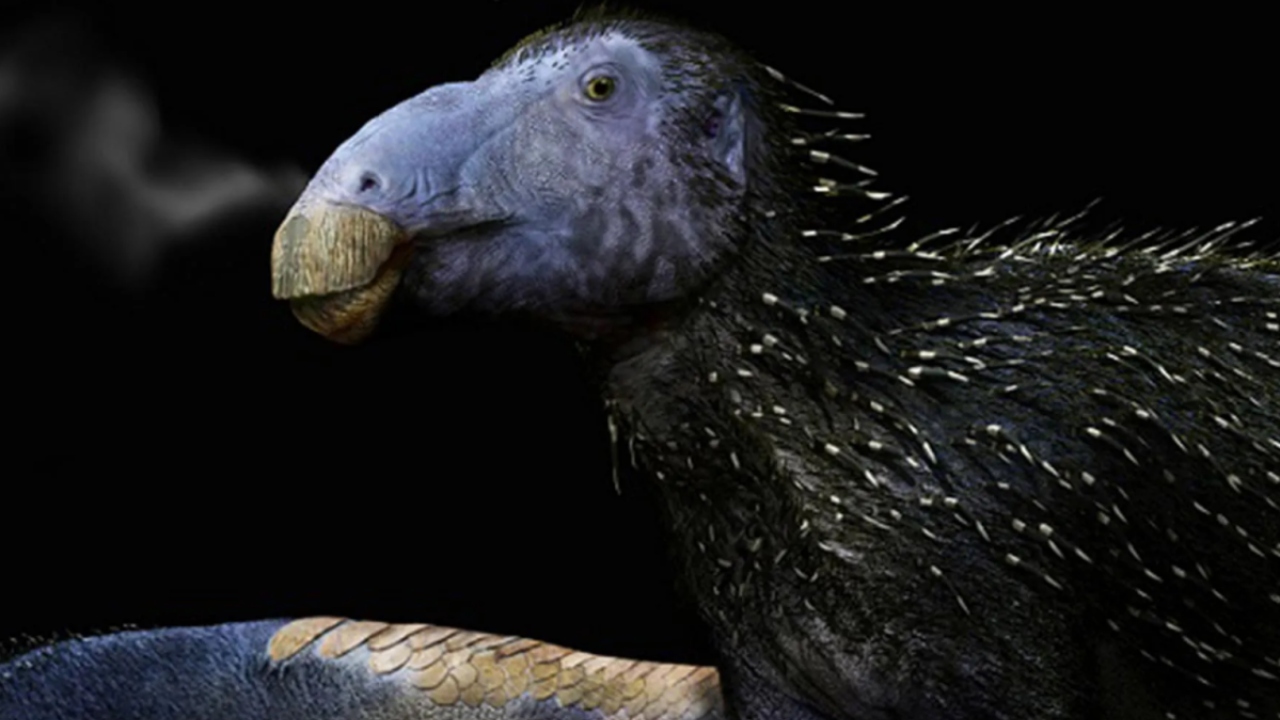
Haolong dongi, New Dinosaur Species Discovered in China, Features Unique Hollow Spines Preserved in Skin and Expands Knowledge of Diversity During the Cretaceous Period.
A new dinosaur species identified in China has caught the attention of the scientific community due to a previously unknown characteristic: hollow skin spines preserved in the fossilized skin. Named Haolong dongi, the animal lived about 125 million years ago, at the beginning of the Cretaceous period, and its description was published in the scientific journal Nature Ecology & Evolution.
The fossil was found in geological formations known for preserving soft tissues with a high level of detail. This exceptional condition allowed researchers to use advanced techniques, such as X-ray tomography and microscopic analyses, to examine not only bones but also skin structures.
The preservation of skin is rare in the fossil record, which makes the discovery even more relevant.
-
Chinese scientists have created plants that glow in the dark using luminescent fungi, and they now say that this technology could illuminate entire cities without spending a dime on electricity.

-
Motorola launched the Signature with a gold seal from DxOMark, tying with the iPhone 17 Pro in camera performance, Snapdragon 8 Gen 5 that surpassed 3 million in benchmarks, and a zoom that impresses even at night.

-
Satellites reveal beneath the Sahara a giant river buried for thousands of kilometers: study shows that the largest hot desert on the planet was once traversed by a river system comparable to the largest on Earth.

-
Scientists have captured something never seen in space: newly born stars are creating gigantic rings of light a thousand times larger than the distance between the Earth and the Sun, and this changes everything we knew about stellar birth.


What Is Haolong Dong?
The Haolong dongi belongs to the group of iguanodontians, herbivorous dinosaurs that walked the Earth during the Cretaceous. These animals were known for:
- Robust body
- Beak adapted for plant feeding
- Bipedal and quadrupedal movement capability
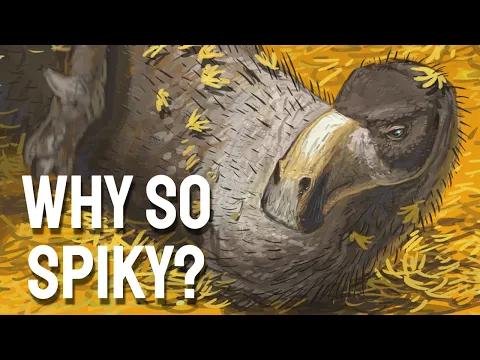

The new specimen expands the known diversity of this group in Asia, a region that has already revealed numerous important fossils for understanding dinosaur evolution.
Hollow Spines Never Before Observed
The most surprising aspect of the discovery is the hollow spines originating in the skin, different from the bony plates or horns observed in other species.
Histological analyses indicated that these structures:
- Were not ossified
- Had a hollow interior
- Were directly connected to the skin layer
Until now, there was no confirmed record of dinosaurs with this specific type of hollow skin projection.
This characteristic expands the spectrum of known body adaptations in dinosaurs.
Possible Functions of the Structures
Although the exact function of the spines is not yet fully defined, researchers are considering hypotheses based on analogies with structures observed in other animal groups.
Among the possibilities analyzed are: Defense against predators, Visual communication, Thermal regulation, and Environmental sensitivity.
The hollow structure could indicate lightweight, suggesting that they were not intended for direct impact but possibly had a behavioral or physiological role.
Geological Context of the Discovery
The fossil was found in deposits from the early Cretaceous, a period marked by intense diversification of dinosaurs and the emergence of new lineages.
China, especially its northeastern formations, is globally recognized for preserving fossils with soft tissues, including feathers and skin impressions.
The region is considered one of the most important for studies on dinosaur evolution.
Scientific Importance of the Discovery
The Haolong dongi contributes to:
- Expanding knowledge of iguanodontians
- Understanding the diversity of body coverings
- Evolutive analysis of skin structures
The presence of hollow spines suggests that the variety of dermal adaptations in dinosaurs may have been greater than previously thought.
This discovery also reinforces the importance of modern imaging techniques in paleontology, enabling the investigation of microscopic details without damaging the fossil.
Comparison with Other Species
Dinosaurs such as stegosaurs had solid bony plates, while some theropods had feathers. However, hollow skin spines directly connected to the skin are rare in the fossil record.
This structural difference places the Haolong dongi in a unique position within the known evolutionary landscape. Each new discovery redefines the limits of what is known about dinosaur anatomy.
Expansion of Evolutionary Understanding
The evolution of dinosaurs included multiple adaptations related to protection, communication, and thermal control.
The record of the Haolong dongi suggests that complex dermal structures may have evolved independently in different lineages. This type of evidence helps scientists to reconstruct more detailed evolutionary patterns.
The identification of the Haolong dongi in China reveals a new species of herbivorous dinosaur that lived 125 million years ago and features unique hollow spines preserved in the skin.
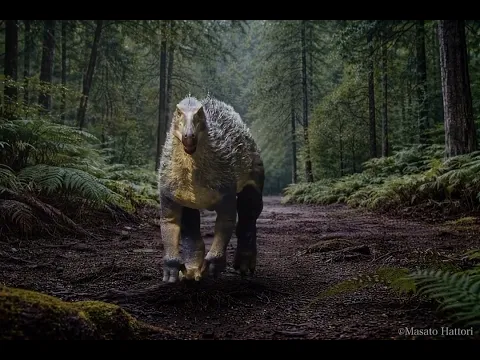
Based on analyses published in an international scientific journal, the discovery expands knowledge of anatomical diversity in the Cretaceous period and reinforces China’s role as one of the leading centers for paleontological discoveries in the world.
The fossil not only adds a new species to the record but also expands understanding of the complexity of body adaptations in dinosaurs.







-

-

-

-

9 pessoas reagiram a isso.