





 Portuguese
  English
  Spanish
  3 min of reading
  1 comment





In a Decision That Promises to Impact the Daily Lives of Its Employees, Petrobras Announced an Increase in In-Person Workload. The Measure, Which Aims to Optimize Management and Productivity, Will Bring Significant Changes to the Hybrid and Remote Model. Discover How These New Rules Could Impact the Largest State-Owned Company in Brazil.
Behind the scenes of Brazil’s largest oil company, a controversial decision promises to disrupt the daily lives of thousands of employees.
While the global market still debates the limits between remote work and in-person work, Petrobras is heading in the opposite direction of many trends by announcing it will increase the in-person workload of its employees.
In a statement released last Thursday (09), Petrobras officially announced that the new work model will come into effect on two distinct dates: April 7, 2025, for employees without a gratified function and March 10 for those in consultant and managerial roles.
-
China alone accounts for 70% of trade within the BRICS, while Brazil establishes itself as an essential supplier of food and minerals: understand how the group, which already represents nearly 40% of the world’s GDP, is changing the game.

-
Starting in May, those who do not have registered biometrics will not be able to apply for Bolsa Família, sickness benefits, or unemployment insurance: understand the new rule that changes access to benefits for millions of Brazilians.

-
A new law being voted on in Brazil proposes a minimum fare of R$ 10 per trip and R$ 2.50 per kilometer for Uber and 99 drivers, and promises to ensure they earn as well as taxi drivers did during the golden age of taxis in the country.

-
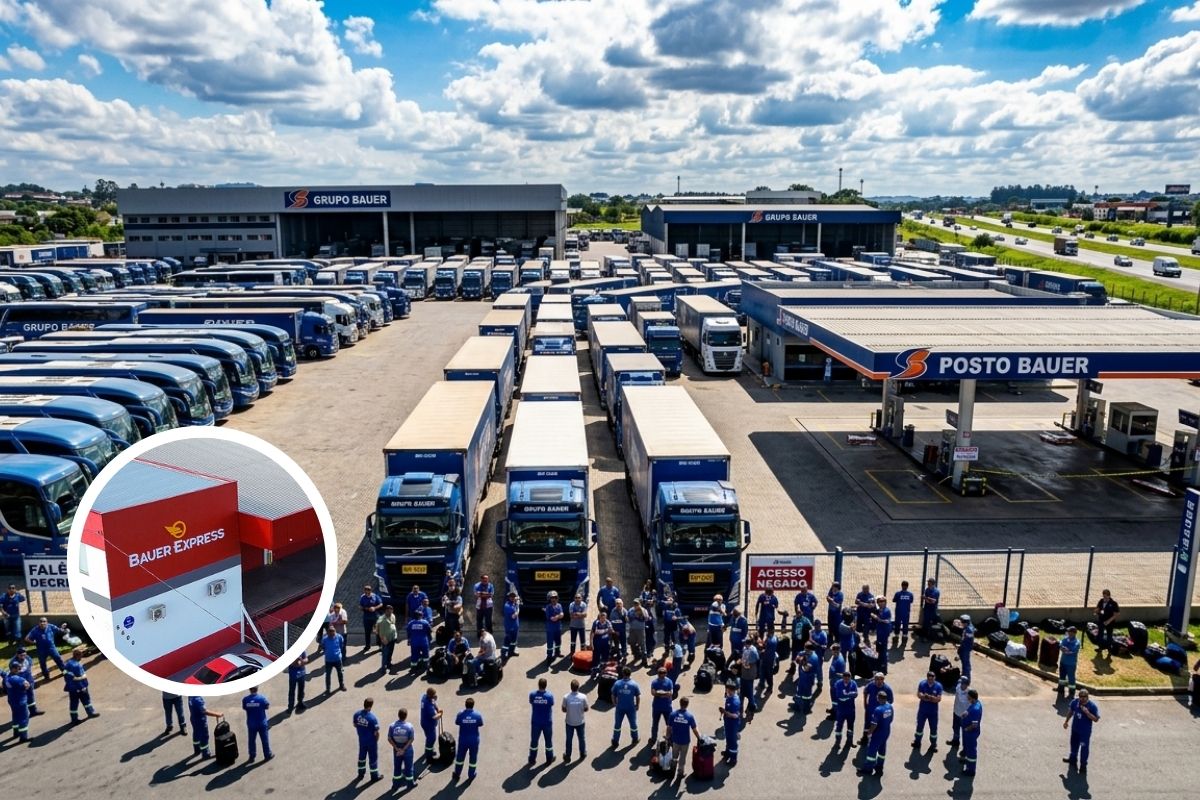
Bauer Group collapses after failed judicial recovery: 25 years, 800 vehicles, and a network of gas stations leave a debt of R$ 50 million and 100 layoffs, exposing costs, tight margins, and expensive credit in Brazil.

The main change is the increase in mandatory in-person workdays. Now, employees must come to the office at least three times a week, unlike the current model which requires only two days.
This rule has already been in effect for managers since September 2024, according to information from the statement.
Impacts on Hybrid and Remote Work
According to O Globo newspaper, Petrobras revealed that employees who opted for a reduced weekly workload will only have the right to one day of remote work per week.
For new employees, the request to join the hybrid model will only be allowed after 18 months of full-time in-person work.
Another important point is that only certain specific groups, which already have previously agreed conditions, will continue to benefit from full remote work of five days.
For others, the negotiation of remote days must be done directly with their managers, mandatorily considering Monday or Friday as one of the in-person workdays.
New Mandatory Enrollment
With the changes, all employees interested in the hybrid model will need to make a new enrollment.
The state-owned company informed that it will still release complete guidelines and deadlines for employees to adjust to the new rules.
Those who do not join the hybrid format may continue in full-time in-person work.
Petrobras’ Justifications for the Measure
Petrobras emphasized that increasing presence in the work environment aims to enhance management, strengthen team integration, and increase the agility in delivering results.
According to the official statement, the decision is strategic, especially at this time of growth in significant projects within the company.
The state-owned company also highlighted that, even before the pandemic, it has been monitoring trends and practices related to work models in Brazil and abroad.
The company stated that the pilot project implemented before the health crisis served as a basis for adjustments that aim to meet both the corporation’s needs and the interests of employees.
Repercussions Among Employees
Although Petrobras presented arguments justifying the changes, the decision divided opinions among workers.
For many, the flexibility provided by remote work during the pandemic brought benefits such as improved quality of life and time savings from commuting.
On the other hand, proponents of in-person work point out gains in collaboration and productivity.
On social media and internal groups, some employees expressed concerns about the logistics of adaptation, especially for those living far from the company’s headquarters.
There are also questions about the financial impact caused by increased commuting and the need for family reorganization.
Next Steps
Petrobras informed that it will detail the procedures in future communications and plans to offer support to employees to facilitate the transition to the new model.
The state-owned company reaffirmed its commitment to promoting an efficient and balanced work environment, even amid significant adjustments like this.
This increase in the in-person workload at Petrobras reflects a strategic choice aimed at optimizing processes and corporate results.
Despite the challenges, the state-owned company believes that the measure will strengthen its operation and internal integration. How do you evaluate this change? Leave your opinion in the comments!









Retrocesso