





 Portuguese
  English
  Spanish
  5 min of reading
  5 comments


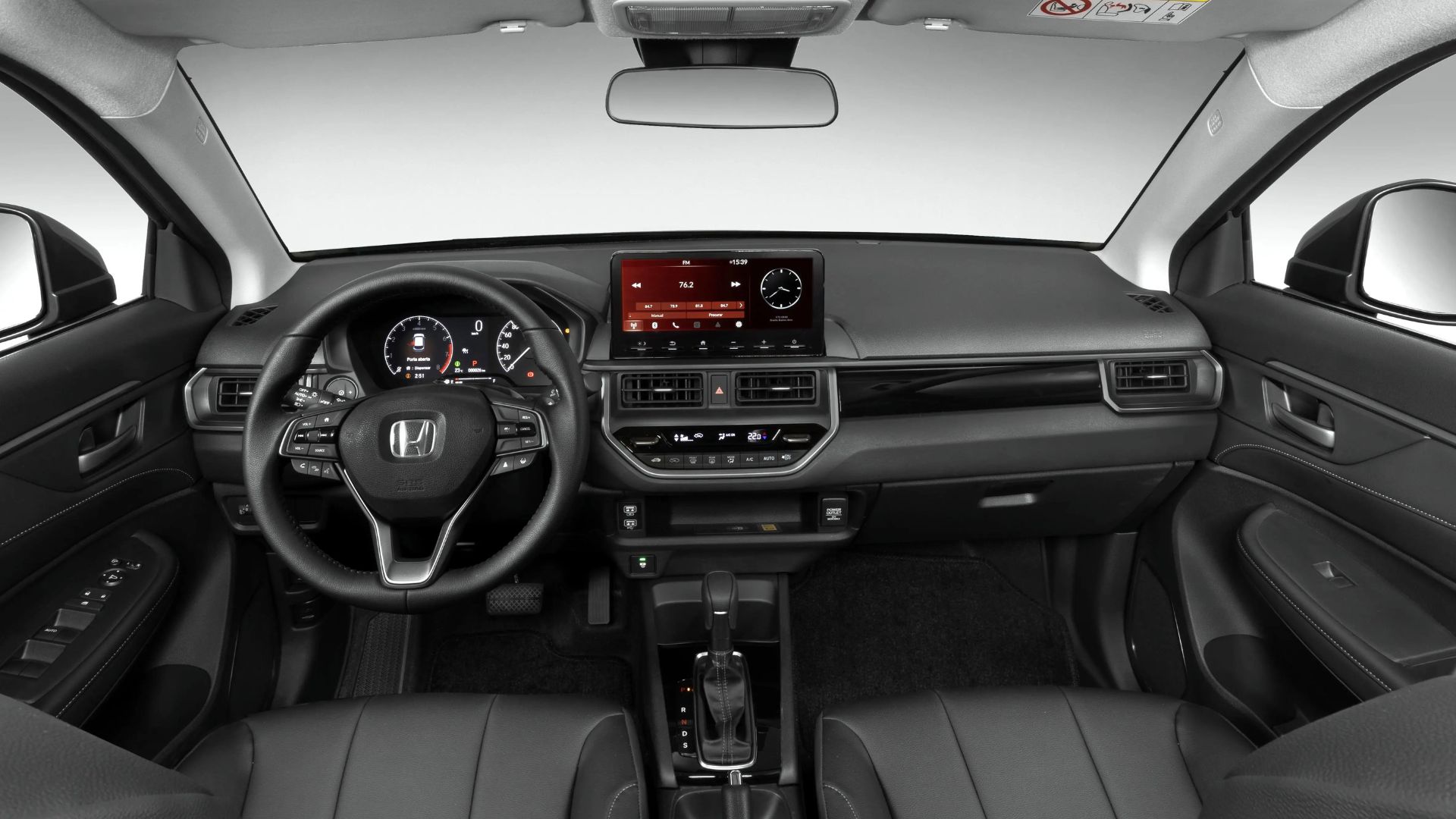


Honda’s Entry-Level SUV Brings 1.5 Flex Engine, Official Inmetro Consumption, and Honda Sensing Package as Standard in a Proposal Aimed at Those Seeking Practicality and Elevated Driving Position. Model Arrives to Cater to a Profile Historically Linked to the Fit, Now in SUV Format.
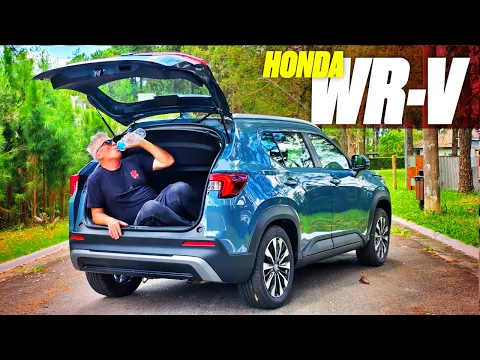
The Honda WR-V 2026 takes the spot of the entry-level SUV for the brand in Brazil by bringing a package of equipment focused on safety, a well-known mechanics to the public, and official consumption figures that place it among the most economical compact SUVs in the segment.
The proposal targets those looking for a higher driving position and interior space of a family car, without moving to larger and more expensive models within the manufacturer’s own line.
“Replaces” the Fit and Targets the Same Buyer Profile
The term “replaces” comes up because, in practice, the WR-V arrives to serve a type of buyer who has always valued versatility, urban use, and day-to-day practicality, characteristics often associated with the Honda Fit according to specialized publications.
-
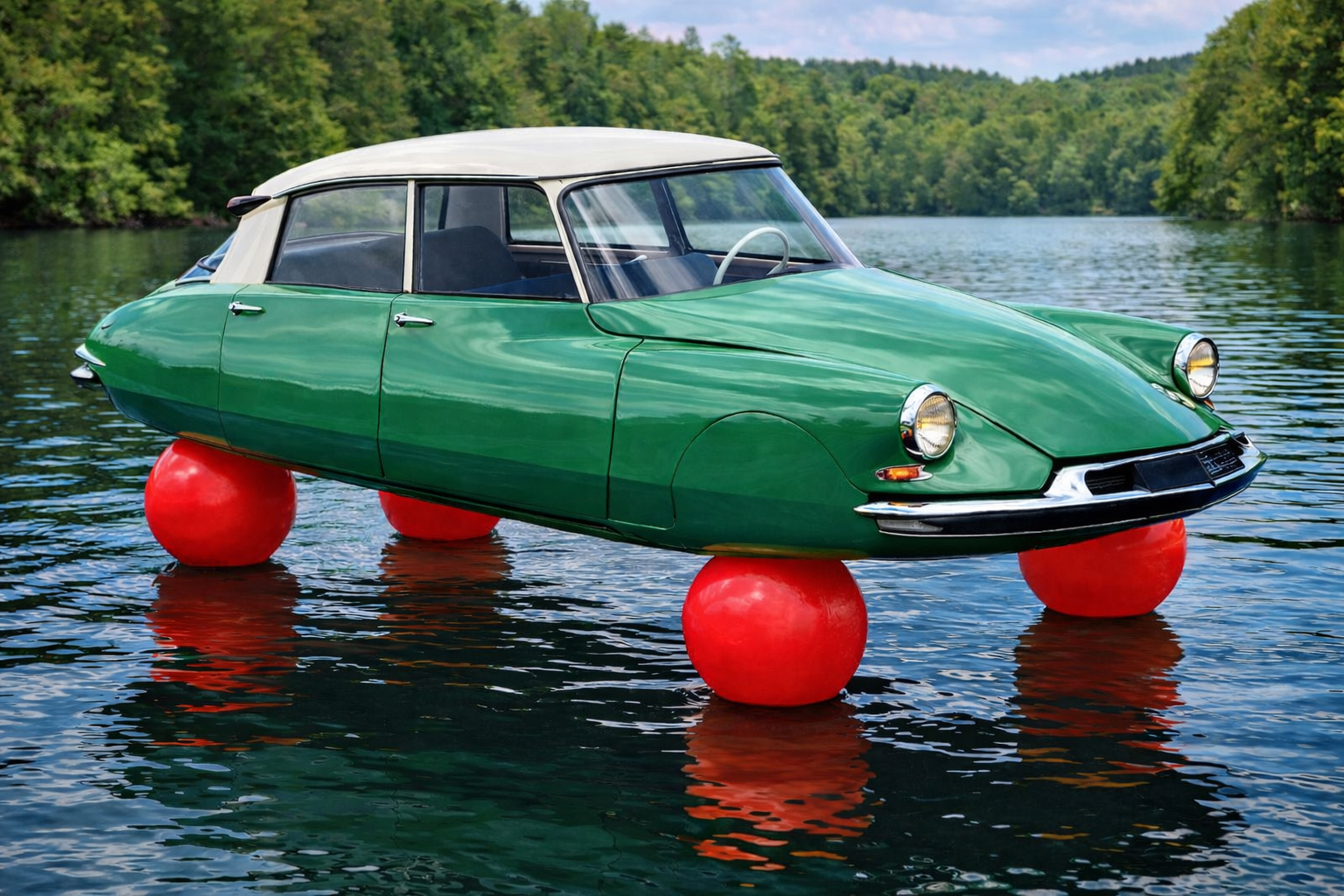
A French brand placed a car on four huge red balloons to prove that its suspension made the vehicle “float,” and the surreal scene became one of the most iconic and unusual images in automotive history.
-
Jeep Avenger begins production in Brazil, debuting as the brand’s new entry-level SUV and inaugurating an unprecedented phase by becoming the first national Jeep manufactured outside of Goiana, as part of a R$ 3 billion plan.
-
Costing R$ 12,490, the new Shineray Urban Lite 150 “cheap one” arrives in Brazil with a CVT transmission, digital dashboard, and LED lights, making it more affordable than the Biz and targeting those who want to abandon the bus.
-
Ducati brings to Brazil the Superleggera V4 Centenario: 228 hp that become 247 with a track kit, carbon fiber and carbon-ceramic brakes, estimated price between R$ 1.5 and 2 million, deliveries only in 2027.

Honda, for its part, presents the model as a compact SUV focused on safety and connectivity, aiming to be the gateway for those wanting a new Honda with a complete technology package.
1.5 Flex Engine with 126 hp and CVT Transmission
Under the hood, the WR-V 2026 uses 1.5 flex engine with direct injection and advertised power of 126 hp, combined with CVT automatic transmission simulating seven gears.
The configuration follows the logic of prioritizing smoothness and efficiency in urban use, with predictable responses in progressive accelerations and a focus on comfort in driving, an aspect that usually weighs in the purchasing decision for those looking for a car for intense routines and traffic.
Inmetro Consumption (PBEV) and Official Figures
When it comes to consumption, the figures used in the promotional material and in the launch coverage come from the Brazilian Vehicle Labeling Program from Inmetro, the PBEV.
According to the PBEV, the WR-V records 12.0 km/l in the city and 12.8 km/l on the highway with gasoline, while for ethanol, the reported averages are 8.2 km/l in urban cycle and 8.9 km/l in highway cycle.

This set of data plays a central role in the model’s appeal, as it provides an objective and comparable piece of information in the title and card of the Discover, as commonly occurs with articles about “economical cars” that go viral outside of the most enthusiastic public.
In press evaluations, fuel consumption also stands out alongside real-use perceptions, with tests reporting averages close to or above the official ones on certain routes, depending on load, speed, and road conditions.
These reports do not substitute the Inmetro label but help explain why the topic often generates curiosity: readers want to understand if the lab number approaches everyday life and how it translates into range and weekly expense.
Honda Sensing as Standard and Focus on Safety
The safety package is another point that supports the narrative of “entry model with the look of a more expensive car.”
According to Honda itself, the WR-V 2026 versions come standard with Honda Sensing, a set of assistive features that uses a camera to read the environment ahead.
Among the functions listed in public materials for the launch are items such as adaptive cruise control, collision mitigation braking, lane-keeping assist, lane departure mitigation, and automatic high beam switching.
The presence of these technologies as standard equipment is a significant differentiator because it turns active safety into a central argument even in entry-level versions.
Versions, Equipment, and Positioning Below the HR-V

The strategy for versions is streamlined, focusing on facilitating choice and concentrating equipment.
Information released by media outlets indicates two main configurations, EX and EXL, both with the 1.5 mechanical set and assistance package, in addition to differences in finish and comfort items according to the version.
In market coverage and table updates, the model appears as a cheaper option than the HR-V within the range, reinforcing its role as “the brand’s first SUV” for a portion of consumers.
Brand’s Entry Price and Table Changes
The price issue is an essential part of the “popular brand” effect, even though the absolute value is already in the typical range for current compact SUVs.
Reports indicated launch starting at R$ 144,900, and subsequently, adjustments that moved the EX version to a level above that, while the EXL also increased in the table, a common motion in the transitions of model years and market repositionings.
As the interest here is journalistic and practical, the most relevant point is the positioning: the WR-V enters as an option below the HR-V and therefore tends to attract those who want the Honda experience at a lower initial cost within the portfolio.
Urban Use, Suspension, and Behavior on the Road
In its design and intended use, the WR-V relies on the combination that typically works well in Brazil: easy-to-maneuver external size, a cabin with good height, and a suspension tuned to handle the irregularities of urban asphalt.
In articles and tests, observations of stability on the road and ride comfort are valued, while the expected behavior of an aspirated engine is noted when demanded in overtaking or at higher speeds.

This balance between efficiency and performance, without promising sportiness, resonates with the audience that prioritizes predictability and cost of use.
Global Trend: Practicality in SUV Format
Another factor fueling broad interest, even outside Brazil, is how automakers are repositioning known products within the global trend of SUVs.
Instead of only offering hatchbacks and minivans for those seeking practicality, traditional brands have begun to package the “car for everything” with an SUV look, higher ground clearance, and a technological set that meets modern safety demands.
In the case of the WR-V 2026, the combination of competitive official fuel consumption with a standard assistance package transforms an entry-level model into a showcase of technology, which usually leads to reading and sharing across different audience profiles.
With 1.5 flex engine producing 126 hp, averages from PBEV/Inmetro reaching 12.8 km/l on the highway with gasoline, and a set of assistances advertised by the manufacturer as standard, the WR-V 2026 presents itself as a compact SUV geared towards rational use, but with attributes that, until recently, were associated with higher categories.
The curiosity that remains is straightforward: to what extent does the Brazilian consumer — and the international reader, accustomed to other body styles — accept this identity change, in which the “practical family car” transforms in form and starts to be sold as an SUV?








Eu acredito que o melhor mesmo é comprar um BYD Song pro, tem o dobro de potência e a autonomia é é mais de 20 km.
Não tem freio de mão eletrônico, algo que vem no City EX. Isso atrapalha bastante.
Pode ser um carro muito bom, mas comparando o média de consumo na estrada com a minha BMW 320i 2010, que faz 11,5 km/l e muito ineficiente.