





 Portuguese
  English
  Spanish
  3 min of reading
  1 comment


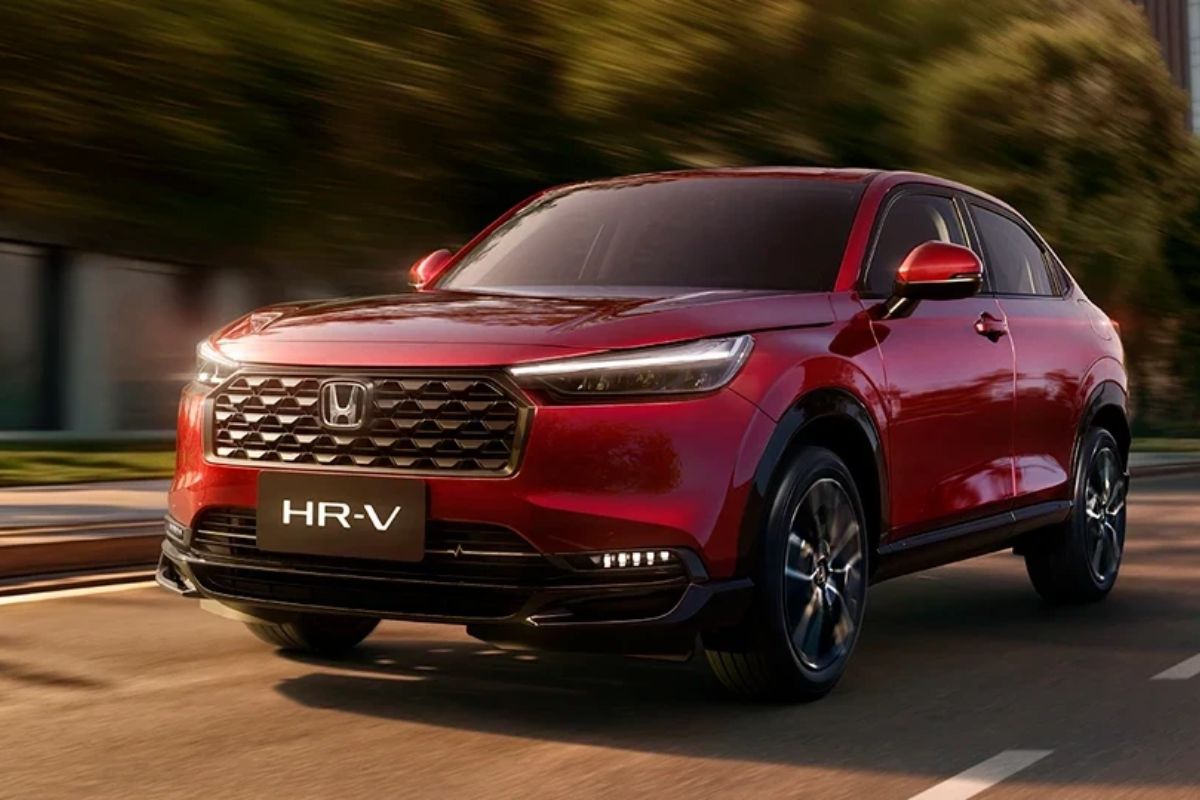


Most Loved Compact SUV From The Brand Gets Wireless Multimedia Center, New Finish, And Retains Flex Aspirated And Turbo Engines
The Honda HR-V 2026 arrives in Brazil with specific, but strategic, changes. In a market dominated by medium and compact SUVs, the model bets on a more refined design, improvements in the multimedia center, and adjustments in the finish to maintain its leadership. The goal is clear: defend its space against rivals like the Corolla Cross, T-Cross, and Jeep Compass.
The new lineup marks the return of one of the brand’s best-selling utility vehicles focused on urban consumers, prioritizing comfort, connectivity, and style. The powertrains remain, but the visual and technological package has been updated to meet the required standard for those seeking a versatile car for daily use.
What’s New In The Exterior Design?
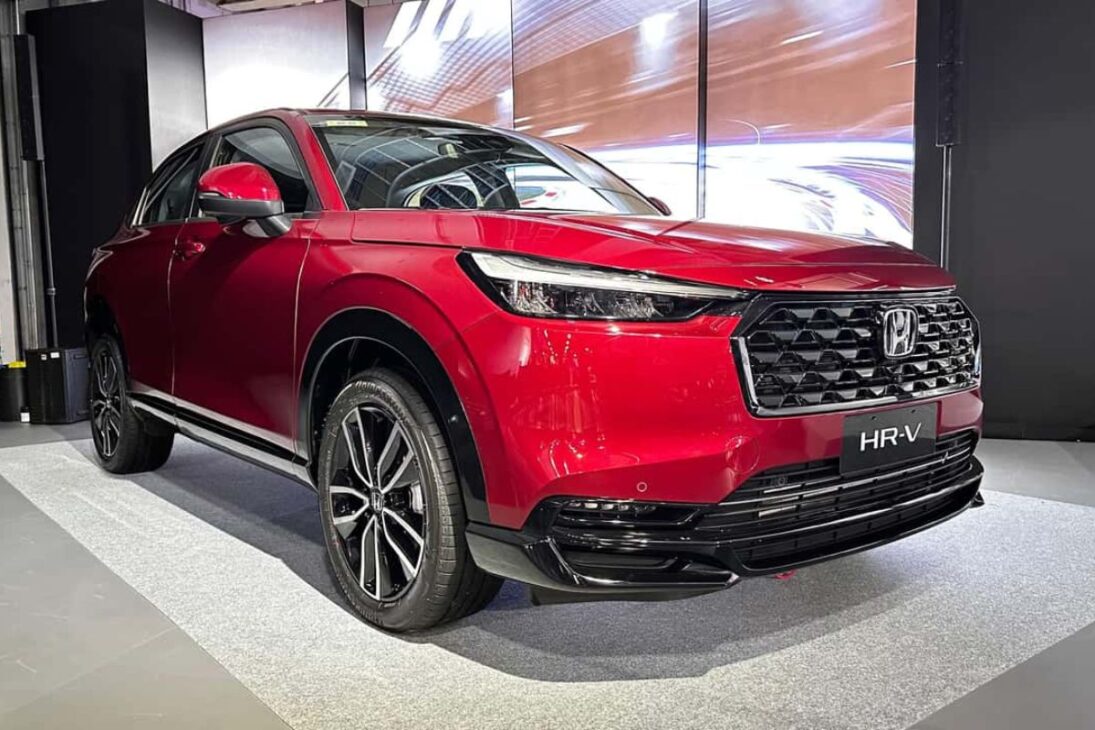
The HR-V 2026 brings specific visual updates for the Brazilian market. The new front grille, with three-dimensional elements in glossy black, adds more sophistication. The redesigned bumper is more robust, while the 18-inch wheels (in the Advance and Touring versions) reinforce the urban proposal with a sporty appeal.
-
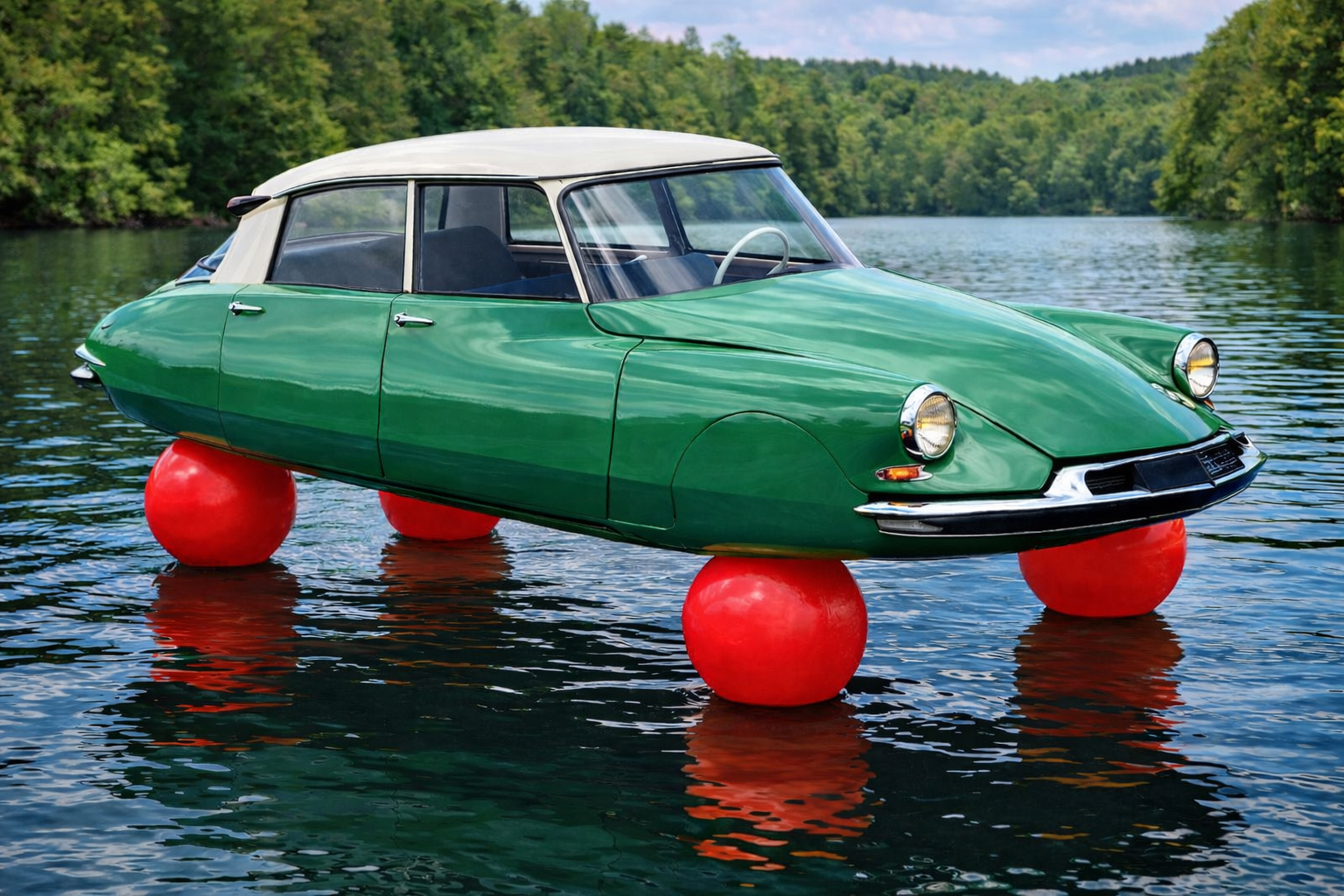
A French brand placed a car on four huge red balloons to prove that its suspension made the vehicle “float,” and the surreal scene became one of the most iconic and unusual images in automotive history.
-
Jeep Avenger begins production in Brazil, debuting as the brand’s new entry-level SUV and inaugurating an unprecedented phase by becoming the first national Jeep manufactured outside of Goiana, as part of a R$ 3 billion plan.
-
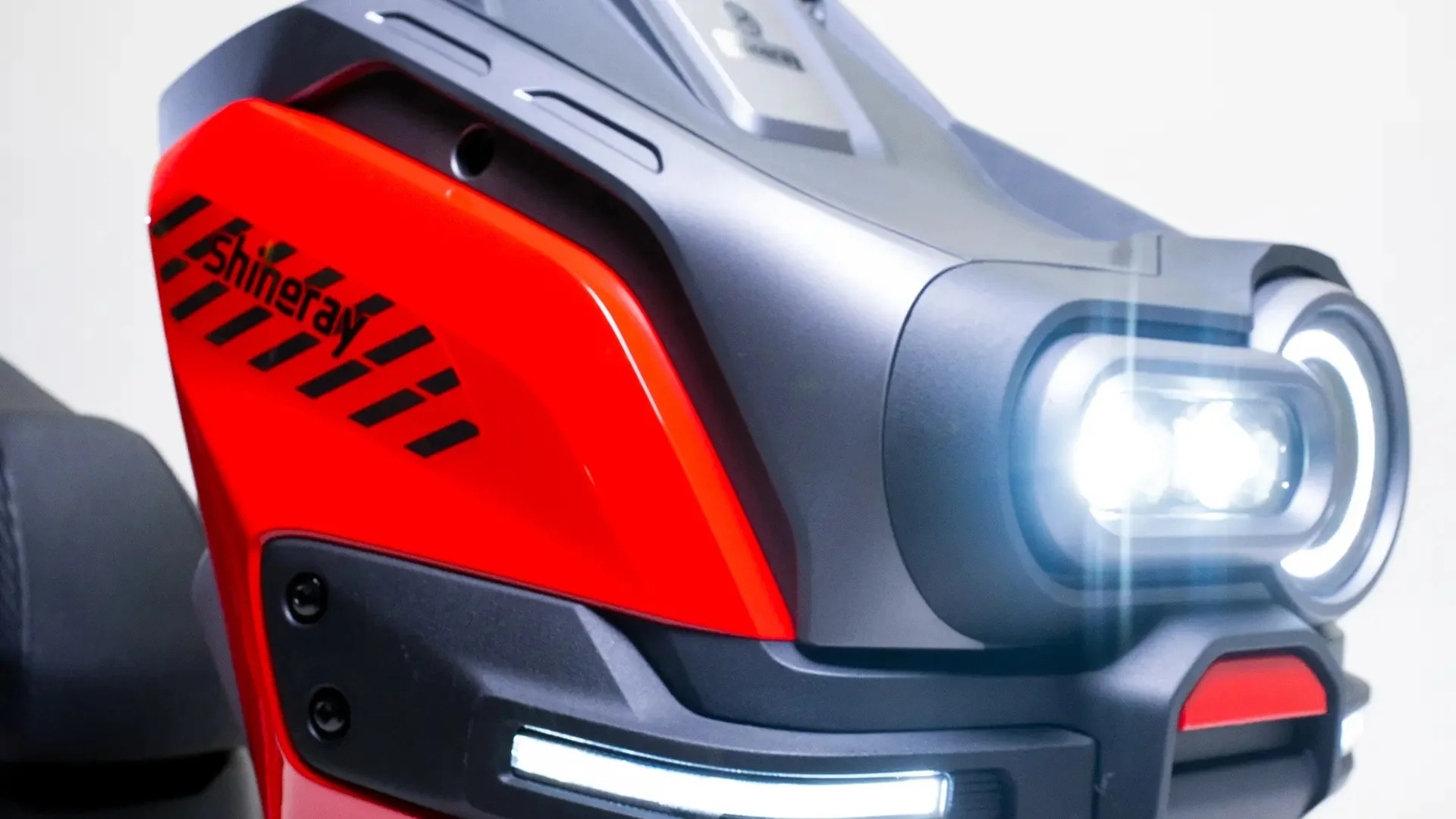
Costing R$ 12,490, the new Shineray Urban Lite 150 “cheap one” arrives in Brazil with a CVT transmission, digital dashboard, and LED lights, making it more affordable than the Biz and targeting those who want to abandon the bus.
-
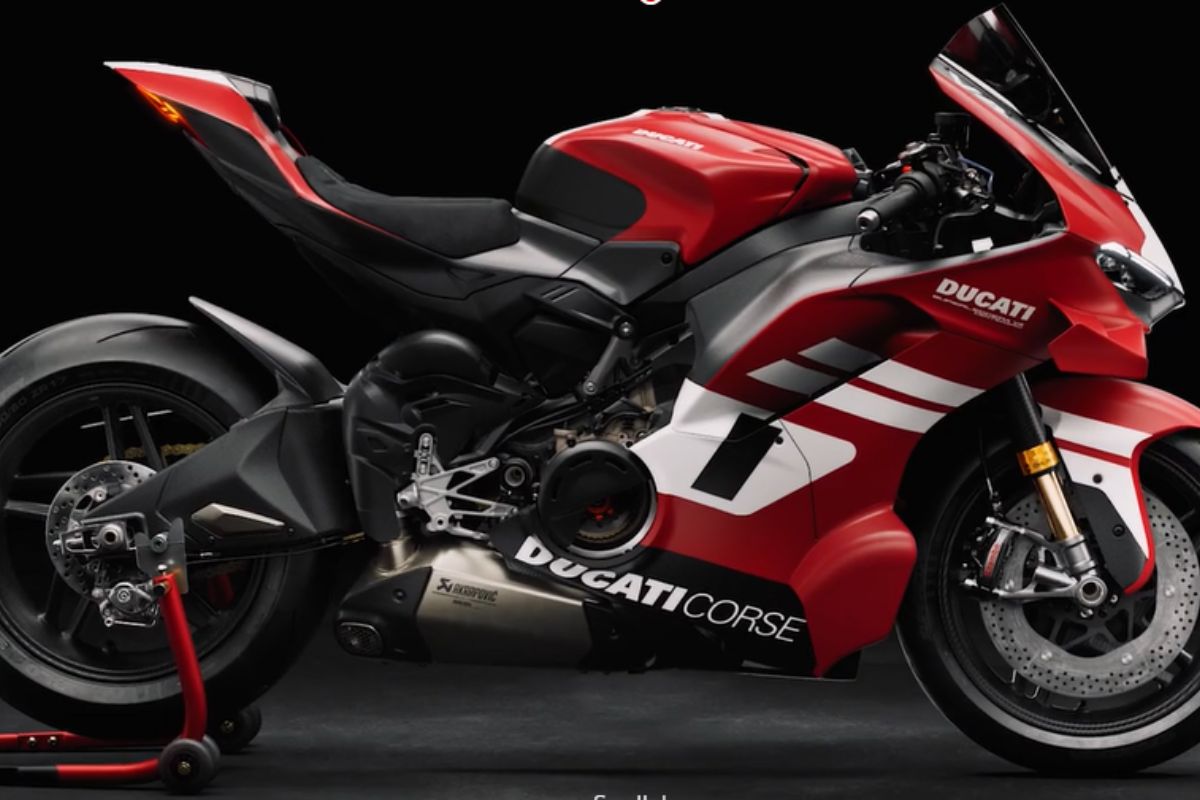
Ducati brings to Brazil the Superleggera V4 Centenario: 228 hp that become 247 with a track kit, carbon fiber and carbon-ceramic brakes, estimated price between R$ 1.5 and 2 million, deliveries only in 2027.

At the rear, the highlight is the smoked lens taillights and LED strip connecting the blocks, creating a two-level visual signature. The appearance is more aligned with the global standard but with adaptations designed for the Brazilian consumer.
What Are The Technological Innovations Inside?
The model now offers a new 8-inch multimedia center, with an updated system and wireless mirroring for Android Auto and Apple CarPlay. The digital dashboard has become customizable and more intuitive, while the interior finish has received more refined materials and enhanced ambient lighting.
These changes put the HR-V on equal footing with competitors that have been investing in connectivity and digital experience, making Honda’s SUV more attractive in the top-end versions.
Has The Mechanical Set Changed?
No. The Honda HR-V 2026 retains the two known flex engine options already familiar in Brazil:
| Version | Engine | Power (Ethanol) | Torque (Ethanol) | Transmission |
|---|---|---|---|---|
| EX and EXL | 1.5 Aspirated | 126 hp | 15.8 kgfm | CVT with 7 simulated gears |
| Advance and Touring | 1.5 Turbo | 177 hp | 24.5 kgfm | CVT with 7 simulated gears |
Honda’s strategy is to preserve the reliability and efficiency that are already recognized by the public, without changing the mechanical set. The CVT transmission continues to prioritize smoothness, especially in urban use.
How Does The HR-V 2026 Position Itself Against Rivals?
The HR-V competes directly with three heavyweights in the segment:
- Toyota Corolla Cross: offers hybrid versions, but the HR-V stands out in finish and connectivity.
- Volkswagen T-Cross: more accessible, but with less internal sophistication.
- Jeep Compass: larger and more robust, but less agile and economical in the city.
The Touring version of the HR-V 2026 aims at the discerning consumer looking for modern design, wireless multimedia center, and superior finish, even if this implies a higher price compared to competitors.
What Changes In The Market With The Return Of The HR-V?
The arrival of the HR-V 2026 in July reinforces Honda’s position in one of the most important segments in the country. The model is strategic for retaining the brand’s customer base and attracting new profiles with its aesthetic and technological updates. The fact that Brazil received exclusive details in the external design shows the manufacturer’s focus on the national market.
With the changes, the HR-V 2026 does not revolutionize but refines its urban SUV proposal with reliability, connectivity, and style. Even without mechanical alterations, the set reinforces the model’s identity as a balanced and desired option for those seeking a functional and modern car.
Do you think the HR-V 2026 is competitive against its rivals? Do these changes meet your expectations? Leave your opinion in the comments — we want to hear from those who really understand the subject.










Achei as alterações medíocres, não valendo a pena trocar o meu HRV Advance 2025 pelo 2026.