





 Portuguese
  English
  Spanish
  2 min of reading
  0 comments


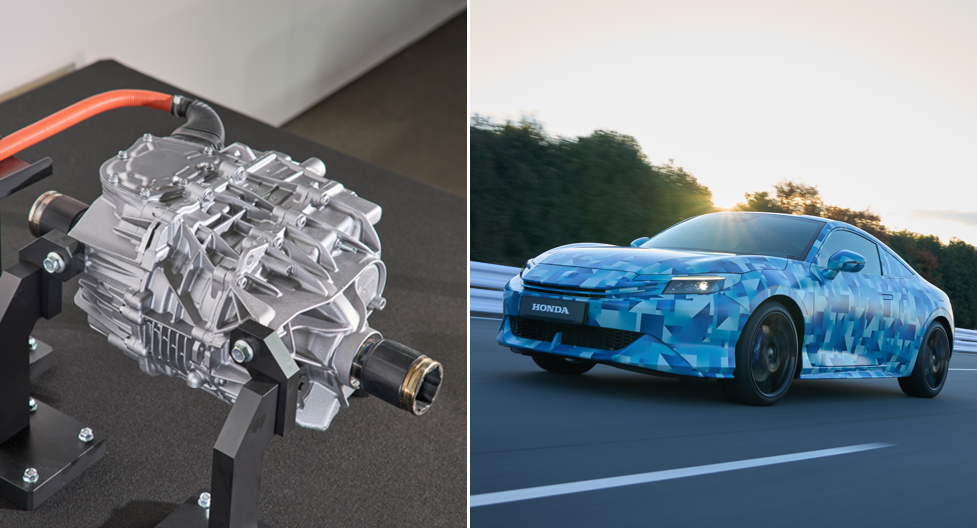
Honda announced new developments for its future hybrid vehicles during a recent press conference. The Japanese automaker revealed that it is investing in a new generation of its e:HEV technology, promising advances that include greater fuel efficiency and a significant reduction in costs.
This update aligns with the company’s strategy to provide viable alternatives to traditional propulsion systems, while maintaining its focus on conventional hybrid cars.
The debut of this new technology could happen with the return of the iconic Honda Prelude, expected in 2026.
-
What if the Sun disappeared suddenly? Simulation shows Earth in darkness within minutes, extreme cold, and rapid collapse of life on the planet.

-
A 2,400-year-old iron foundry has been discovered in Senegal with 100 tons of slag, 35 furnace bases, and signs of nearly eight centuries of continuous metallurgical activity.

-
Four humans are flying towards the Moon inside the Orion capsule launched by the SLS rocket, and on April 6, Artemis II will disappear behind the far side of the Moon without communication with Earth for nearly an hour.

-
Worlds covered by water, atmospheres filled with hydrogen, and the possibility of life beyond Earth: ocean planets are rewriting the map of cosmic search and forcing scientists to rethink where to look.


More Fuel-Efficient Engines and Enhanced Technologies

The new hybrid line will be equipped with 1.5 and 2.0-liter gasoline engines, integrated with systems that allow for a reduction of up to 10% in fuel consumption.
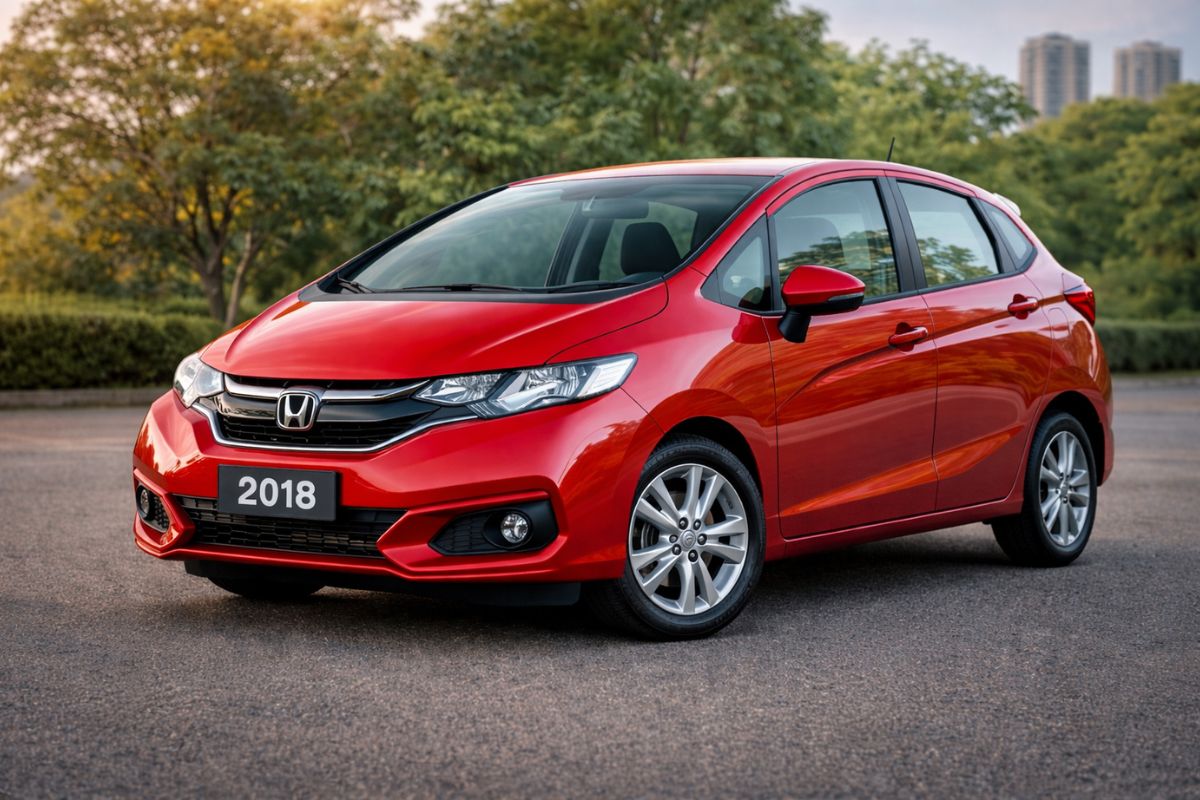
Currently, the Honda Jazz Hybrid is the brand’s most efficient model, with an average consumption of 4.6 liters per 100 km. However, the expectation is to surpass this mark, aiming for levels similar to the most fuel-efficient hybrids from Toyota and Mazda, which record less than 4 liters per 100 km.
Another innovation highlighted by Honda is the Honda S+ Shift, a technology that promises greater precision in gear shifts, enhancing the driving experience. Additionally, all-wheel drive E-AWD will be introduced in electrified models, providing more stability, improved acceleration, and greater overall safety.
Weight and Cost Reduction: Goals for 2027

Honda also revealed plans to launch a new platform for mid-size vehicles by 2027. This innovation will enable a 10% reduction in the weight of cars, directly impacting energy efficiency and drivability.
One of the most ambitious goals is the promise to cut production costs of its hybrids by 50%. This measure aims not only to increase the company’s profitability but also to make the vehicles more accessible to consumers.
More competitive pricing will be fundamental to face the growing competition in the HEV segment.
Strategic Position in the Hybrid Market
With these changes, Honda aims to establish itself as a reference in the hybrid vehicle market. The focus on efficiency, safety, and cost-effectiveness reinforces its intention to compete directly with segment leaders such as Toyota and Mazda.
The company bets that, with the introduction of these technologies and improvements, it will have a significant turning point in 2027, marking a new phase for its hybrids in the global market.








Seja o primeiro a reagir!