





 Portuguese
  English
  Spanish
  4 min of reading
  3 comments


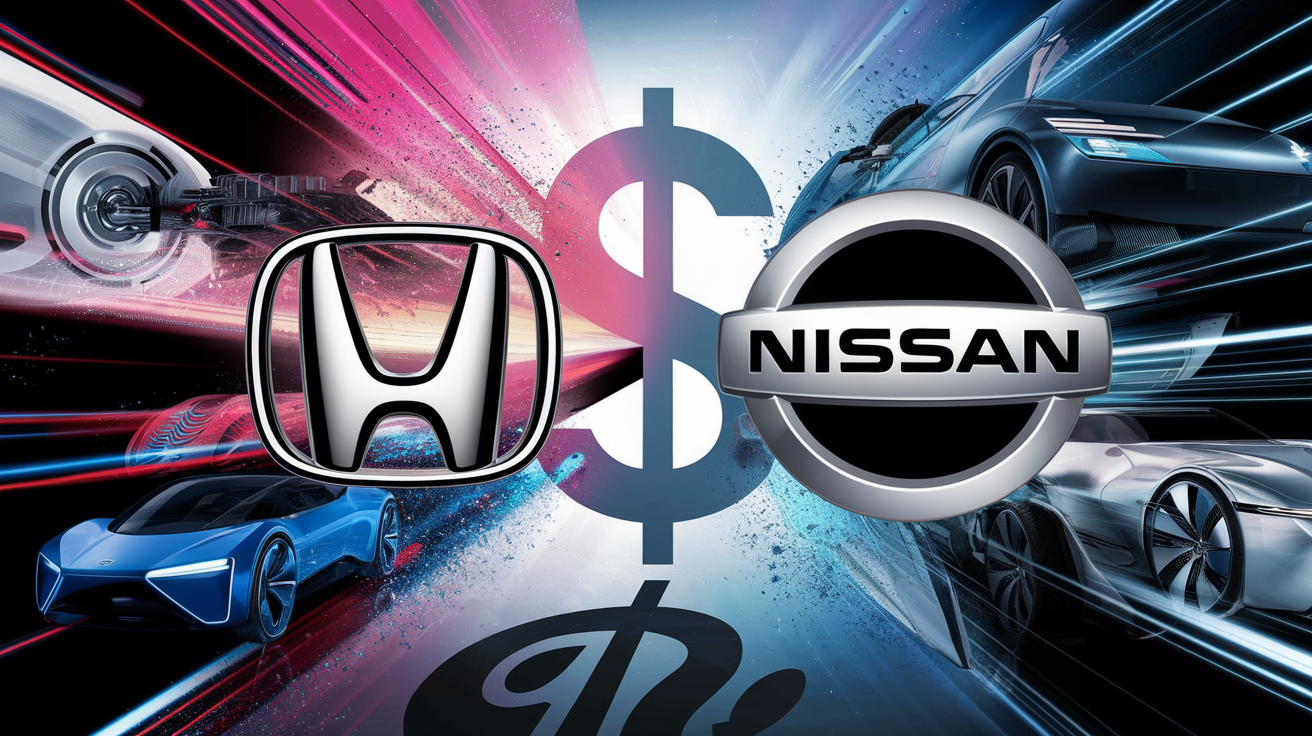


Honda Is Determined to Merge with Nissan, but Wants Distance from Renault. The Purchase of the Shares of the French Automaker Could Cost US$ 3.6 Billion and Change the Global Automotive Market. If the Plan Is Approved, the Companies Will Create a Conglomerate to Compete with Giants Like Toyota and Stellantis.
Have you ever imagined the impact a merger between two Japanese giants, like Honda and Nissan, could have on the global automotive market? The idea, in itself, grabs attention and affects the dynamics of the sector.
However, what makes this story even more intriguing is Honda’s firm stance regarding a third element in this equation: Renault.
The Japanese automaker does not hide its discomfort with the involvement of its French partner and is willing to move billions to resolve this issue. But why? And what is really at stake?
-
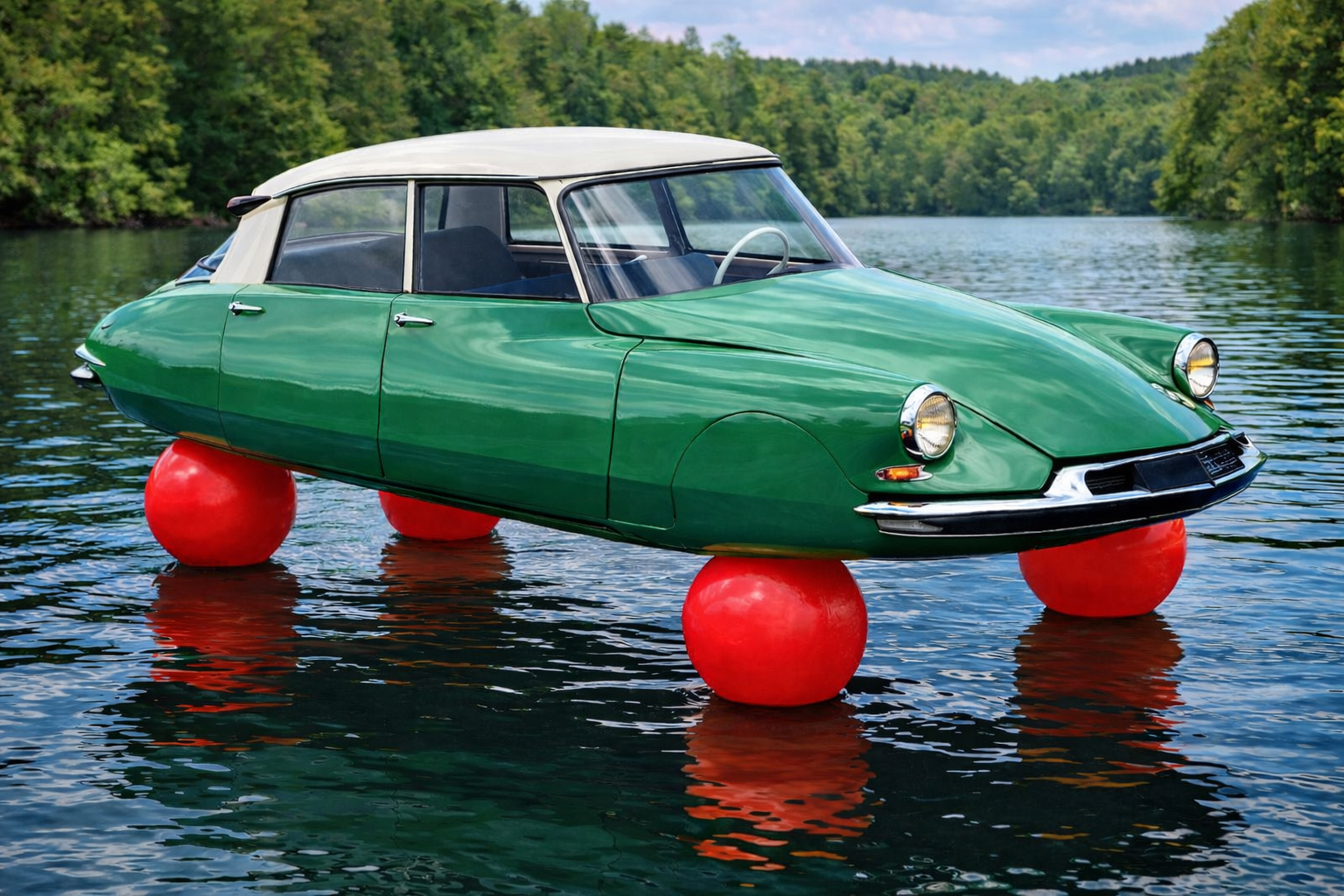
A French brand placed a car on four huge red balloons to prove that its suspension made the vehicle “float,” and the surreal scene became one of the most iconic and unusual images in automotive history.
-
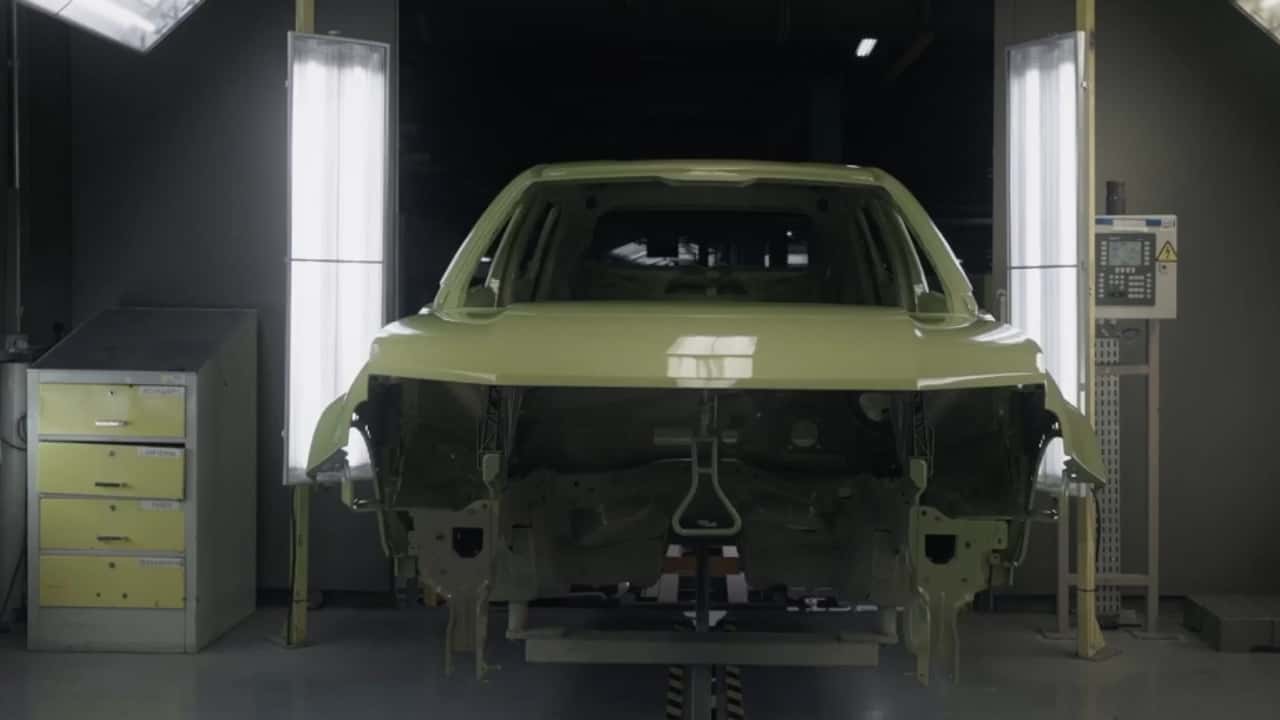
Jeep Avenger begins production in Brazil, debuting as the brand’s new entry-level SUV and inaugurating an unprecedented phase by becoming the first national Jeep manufactured outside of Goiana, as part of a R$ 3 billion plan.
-
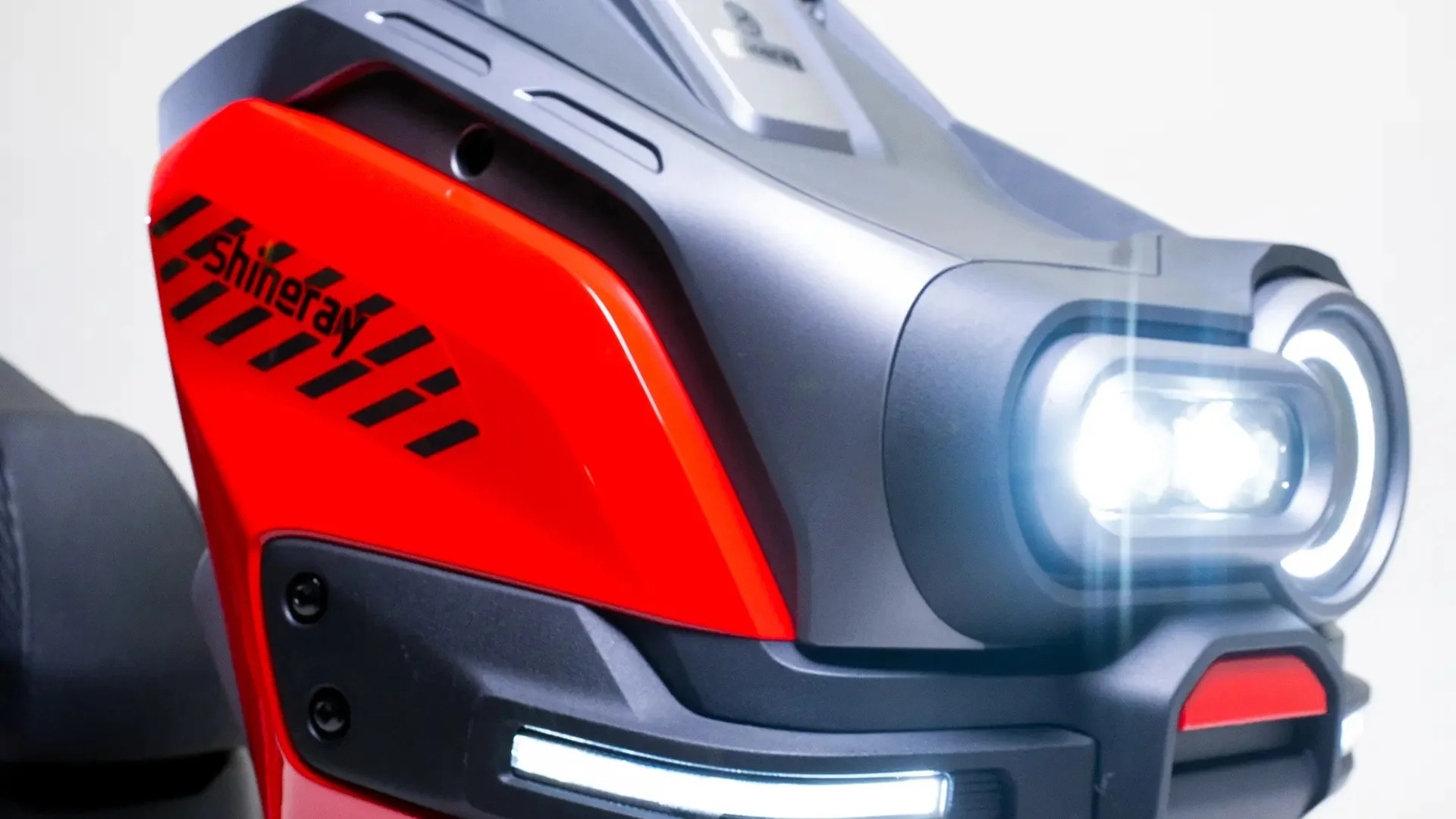
Costing R$ 12,490, the new Shineray Urban Lite 150 “cheap one” arrives in Brazil with a CVT transmission, digital dashboard, and LED lights, making it more affordable than the Biz and targeting those who want to abandon the bus.
-
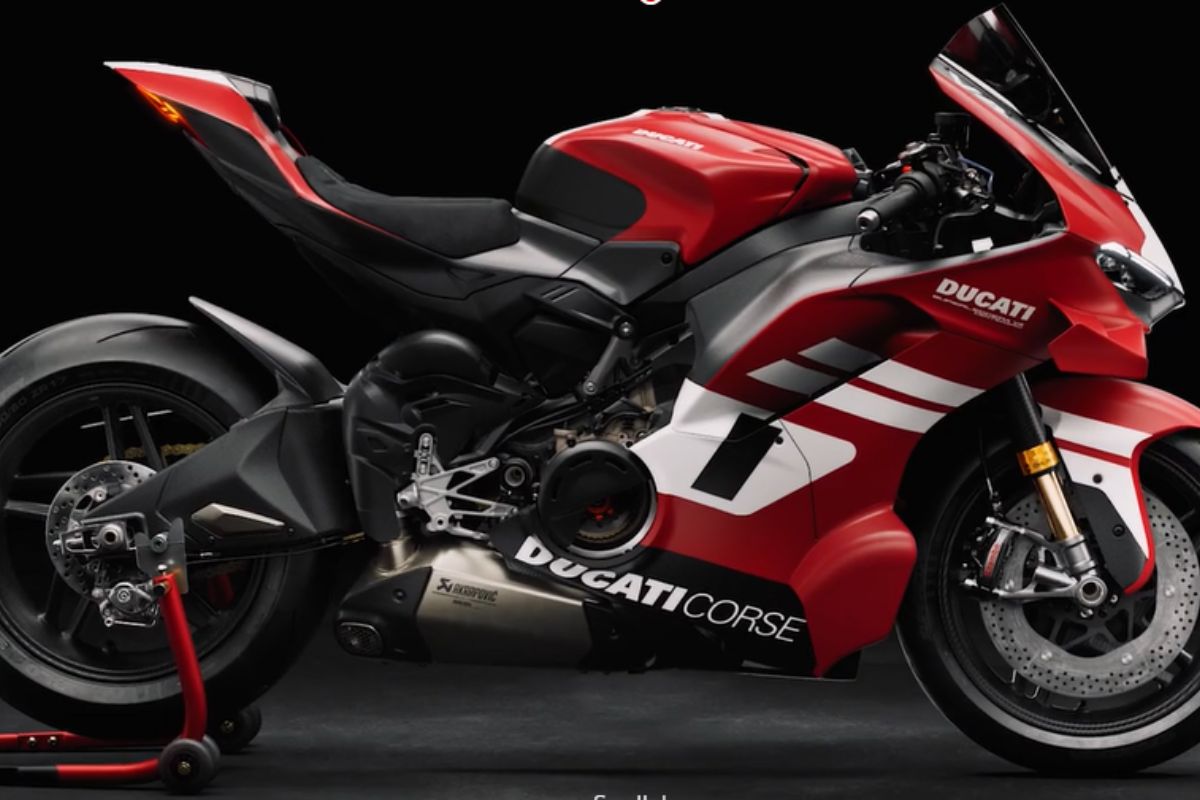
Ducati brings to Brazil the Superleggera V4 Centenario: 228 hp that become 247 with a track kit, carbon fiber and carbon-ceramic brakes, estimated price between R$ 1.5 and 2 million, deliveries only in 2027.

The Merger Plan and Renault’s Role
According to information from Bloomberg, Honda and Nissan are in advanced negotiations for a merger that could culminate in the creation of one of the largest automotive conglomerates in the world.
The union promises to revolutionize the sector by sharing platforms and technologies, keeping the brands separate, but under the umbrella of a new holding, similar to Stellantis’ model.
However, Renault’s presence in this negotiation is causing discomfort.
The French automaker currently holds 35.7% of Nissan’s shares, and Honda does not seem willing to proceed with the merger while this link exists.
To resolve the issue, the Japanese company proposed that Nissan buy back Renault’s stake, which would require an investment of about US$ 3.6 billion.
Why Does Honda Want Distance from Renault?
Although it may not seem like a personal issue, Honda’s concern is strategic.
According to Bloomberg, the automaker fears that during the merger process, Renault might sell its stake to an unknown third party, which would bring instability to the agreement.
This concern is reinforced by recent rumors that Foxconn, a tech giant, is interested in acquiring Renault’s shares in Nissan.
With the possibility of a third party getting involved, Honda believes the best course of action would be to keep things “in-house”, eliminating Renault’s presence before proceeding with the plans.
This stance also suggests that the French automaker is not fully aligned with the merger project.
In an official statement, Renault said it would “consider all options based on the best interests of the group and its stakeholders.” A vague statement, which raised further suspicions about its involvement in the deal.
What Does Nissan Say?
So far, Nissan has not officially commented on Honda’s proposal to buy back Renault’s shares.
The Japanese automaker is facing a financial dilemma, as the US$ 3.6 billion price tag is not trivial, especially at a time when the automotive sector is facing global economic challenges.
Representatives from Honda and Nissan chose not to directly comment on the negotiations when contacted by Bloomberg.
The silence fuels speculation about the future of the alliance and each company’s role in the conglomerate being formed.
And Where Does Mitsubishi Fit into This Story?
Another important piece of the puzzle is Mitsubishi, which has been part of the Nissan-Renault-Mitsubishi alliance for decades.
Although it has expressed interest in participating in the new conglomerate led by Honda and Nissan, Mitsubishi has not yet made an official decision. Its entry could strengthen the holding even further but could also add a new layer of complexity to the deal.
The Future of the Merger and Next Steps
The feasibility of the merger between Honda and Nissan is still under analysis and should be decided by the end of January 2025.
If the plan is approved, the integration of the companies will be gradual, with completion expected only by the end of 2026.
During this period, many challenges will need to be overcome, including the potential buyback of Renault’s shares and the determination of how Mitsubishi will fit into the new structure.
If everything goes as planned, the automotive market will witness the creation of a conglomerate strong enough to compete on equal footing with giants like Toyota and Stellantis.
Honda and Nissan will continue to exist as independent brands but with a unified technological and production base, promising to reduce costs and accelerate innovations.
Global Market Impacts
The possible merger is already generating debates among industry experts. Some analysts believe that the union could consolidate the leadership of Japanese companies in strategic markets, such as electric and hybrid vehicles.
Others, however, warn of the risks of a poorly conducted integration, especially considering the cultural and operational differences between the companies involved.
Furthermore, Renault’s exclusion from the process could have repercussions on the commercial relationship between Japan and France.
The Renault-Nissan alliance, once a symbol of international cooperation, risks completely disintegrating if Honda manages to impose its conditions on the merger.
And What Do You Think?
Will Honda and Nissan be able to overcome the obstacles and create a conglomerate that will revolutionize the automotive market? Or will Renault’s presence be the breaking point that will hinder the deal? Share your thoughts in the comments!









Este movimento seria conveniente para a Nissan que tem sofrido com problemas de todo tipo nos motores diesel da Frontier que são fabricados pela Renault.
E dizem que a Renault ajudou a Nissan, com essa parceria, mas não vejo como uma montadora francesa pode fazer bem a uma montadora japonesa, afinal as marcas francesas não conseguem nem se ajudar.
YES, THIS RENAULT IS THE MOST CARELESS COMPANY AS FAR AS CUSTOMER CARE IS CONCENED, THEY THREATEN CUSTOMERS TO WITHDRAW GRIEVANCES !!!