





 Portuguese
  English
  Spanish
  5 min of reading
  0 comments


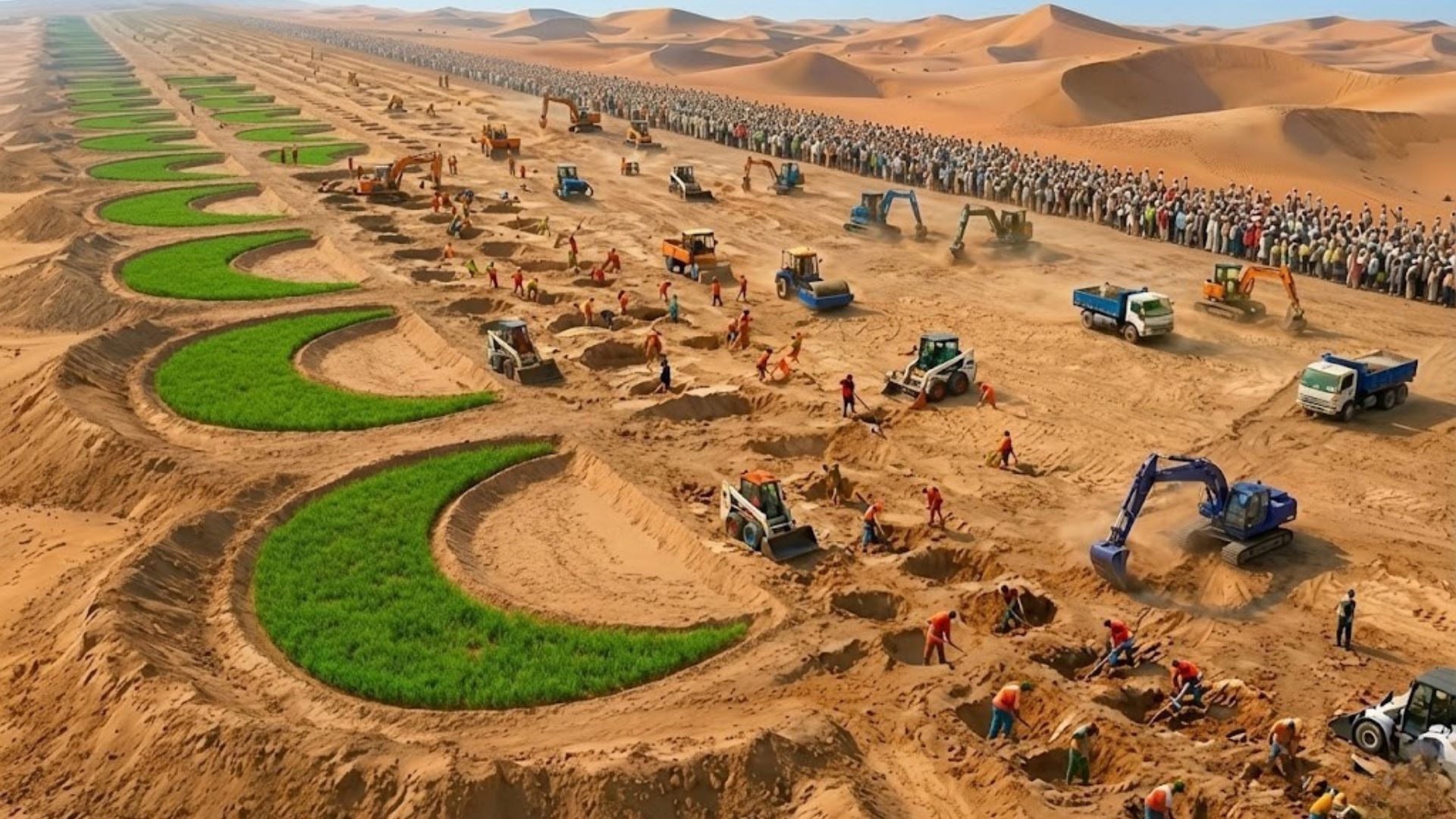
Ancestral Technique Used by African Communities Alters Water Dynamics in the Sahel, Recovers Degraded Soils, and Integrates the Great Green Wall, a Continental Initiative Against Desertification That Combines Simple Engineering, Climate Adaptation, and Agricultural Production in Areas Historically Affected by Drought.
Millions of semi-circular cavities dug into the ground have been gradually altering the dynamics of arid areas surrounding the Sahara Desert, especially in the Sahel, a semi-arid belt that stretches from west to east across the African continent.
The technique, primarily applied by rural communities, aims to reduce the speed of rainwater runoff, increase infiltration into the soil, and create minimum conditions for vegetation recovery in degraded areas.
These actions are associated with strategies adopted within the Great Green Wall initiative, launched by the African Union in 2007.
-
With 55 km over the sea, a cost of US$ 20 billion, and enough steel to build 60 Eiffel Towers, China’s largest project has connected Hong Kong, Zhuhai, and Macau in a colossal bridge that defies the logic of engineering.

-
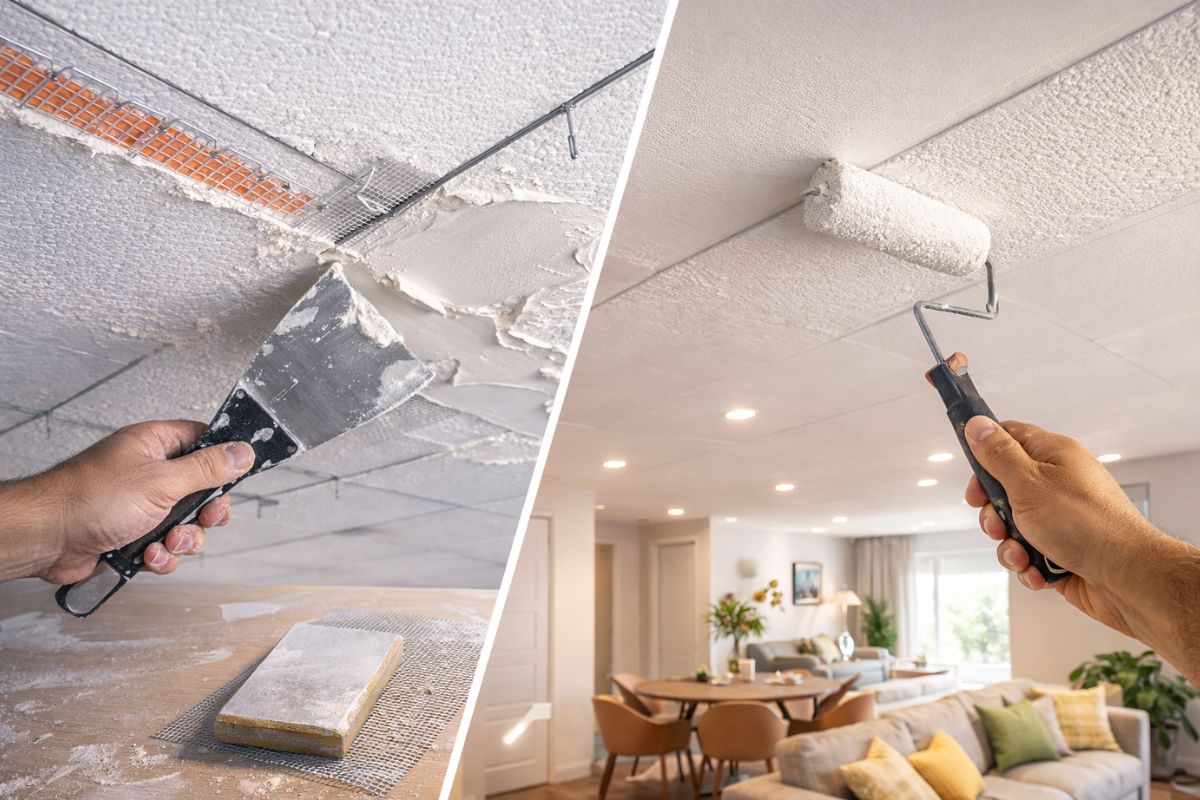
A trick with joint compound transforms a Styrofoam ceiling into a plaster-like ceiling: leveled panels, wires and mesh at the joints, sand, paint, and change the environment while spending little today.
-
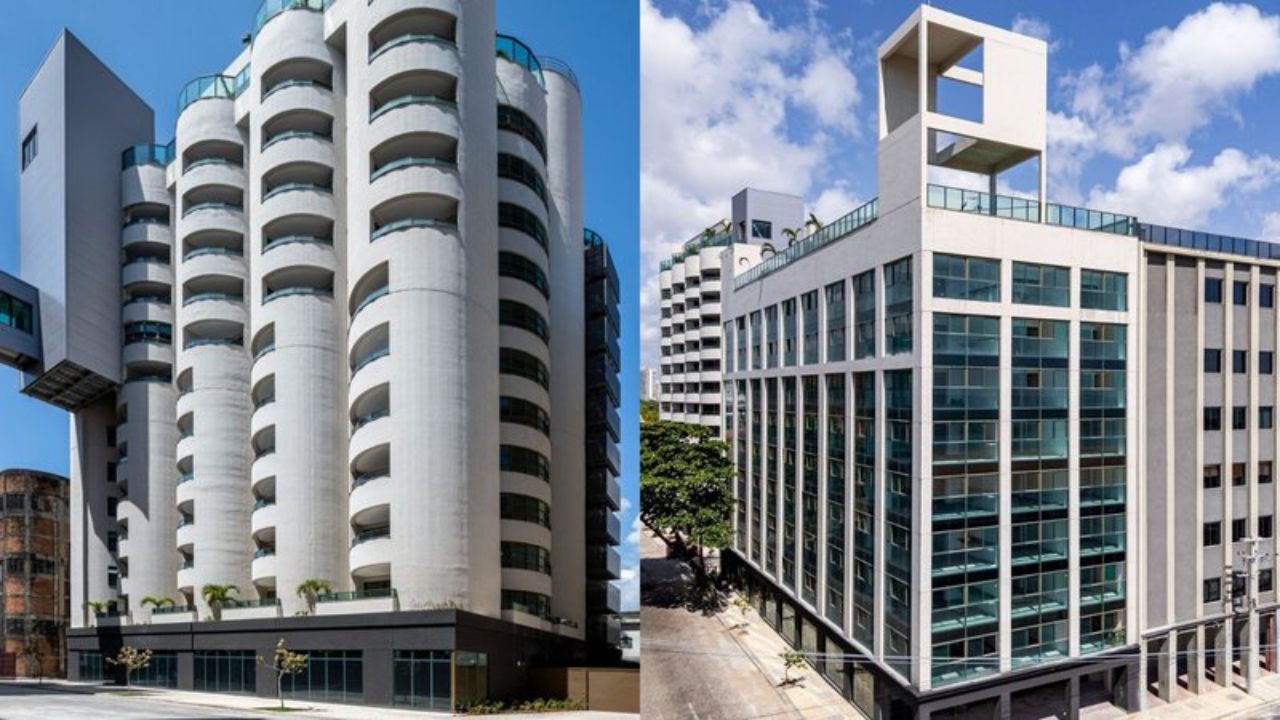
Abandoned for over a decade, century-old silos in the state of Recife have been transformed into 251 apartments with curved walls in one of the most complex retrofits ever done in Brazil.
-
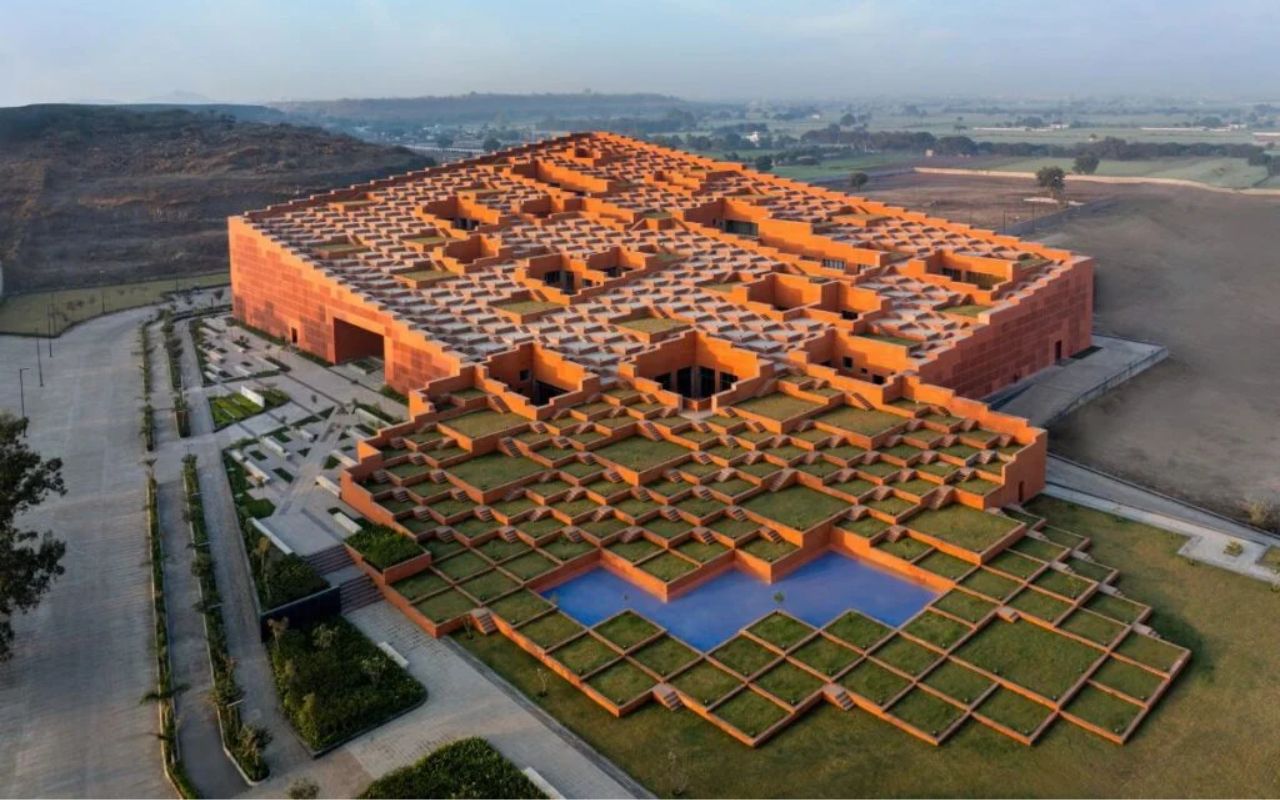
Inspired by millennia-old structures, a “differentiated” roof with 463 levels and a capacity for 9,000 people was built on top of a building in India; the tiered roof is almost a kind of giant garden of 9,000 m², reducing energy consumption and promoting interaction among students of Prestige University.

The scenario is marked by increasing environmental and social pressures.
The Sahara covers about 9.2 million square kilometers, an area equivalent to nearly one-third of the African territory.
Climate and geographic studies indicate that throughout the 20th century, the desert’s edges advanced, with an estimated expansion of between 10% and 20% compared to the early 1920s, depending on the methodology used and the climatic variability observed.
Intense Rain and Degraded Soil Explain Water Crisis in the Sahel
In much of the Sahel, water scarcity cannot be explained solely by the amount of rainfall.
Researchers and international organizations point out that soil degradation is a central factor.
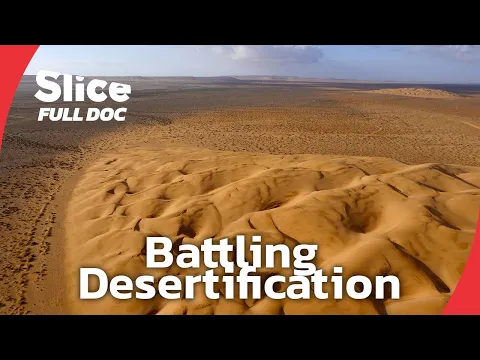

The loss of physical and biological structure causes the surface to harden, making it difficult for water to infiltrate.
In these conditions, precipitation, which tends to occur in concentrated and intense bursts, rapidly runs off the surface, causing erosion and localized flooding.
Water, instead of recharging the groundwater, is lost within hours, without benefiting agriculture or local ecosystems.
Soil conservation experts highlight that this process creates a cycle that is hard to interrupt.
Prolonged periods of drought further weaken the soil, and subsequent rains remove the few remaining nutrients, deepening desertification.
Great Green Wall Bets on Landscape Restoration
Although often described as a continuous corridor of trees, the Great Green Wall has been presented by African institutions and multilateral organizations as a set of landscape restoration actions.
The program seeks to combine environmental recovery, climate change adaptation, and income generation.
The original plan envisions a corridor about 8,000 kilometers long, linking the Atlantic Ocean to the Red Sea, crossing more than 20 countries in the Sahel.
In practice, each region applies distinct techniques adapted to the geology, rainfall regime, and existing land use methods.
How Semi-Circular Pits Used in Agriculture Work

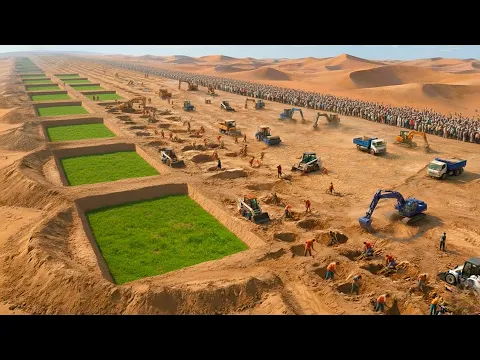
Among these techniques, semi-circular pits stand out for their recurrent use in degraded agricultural areas.
According to technical studies conducted in West Africa, the semicircular shape allows for intercepting water flowing down slopes, reducing its speed and favoring the deposition of fine sediments and organic matter.
Dimensions vary according to the location, but technical documents mention, as a common reference, structures about 4 meters in diameter, with a depth between 15 and 25 centimeters and an average spacing of 8 meters between units.
The opening of the semi-circle usually faces the higher part of the land, while the soil removed forms a small embankment on the outer edge.
Researchers emphasize that the goal is not to store water permanently, but to delay runoff long enough for the soil to absorb moisture.
From Water Retention to Increased Agricultural Production
With the gradual improvement of the physical conditions of the soil, hardy grasses tend to establish themselves first.
These plants help stabilize the surface and reduce erosion.
In some areas, according to field surveys, this initial cover favors, over the years, the natural regeneration of native shrubs and trees.
The results, however, are not uniform.

Studies conducted in Niger, Burkina Faso, and Senegal indicate that the gains depend on factors such as management, rainfall intensity, the use of organic fertilization, and grazing control.
Still, research associates the continuous application of these techniques with significant increases in vegetation cover and reduced soil loss.
In the case of complementary structures, such as stone bunds built along contour lines, analyses conducted in Burkina Faso point to agricultural productivity increases of about 30% in treated areas compared to untreated lands, especially for crops such as millet and sorghum.
Sand Dams Expand Access to Water in Eastern Africa
In addition to semi-circular pits, communities in eastern Africa adopt sand dams in seasonal riverbeds.
The technique consists of building small cross-walls that retain sediments during floods.
Water gets stored in the spaces between the grains of sand, reducing evaporation.
Reports from local organizations and case studies in Kenya indicate that hundreds of such dams are in operation.
These structures ensure access to water for human consumption, small-scale irrigation, and watering livestock during the dry season.
According to experts, effectiveness depends on the characteristics of the riverbed and the maintenance of the structures.
Chinese Experience Expands Debate on Desertification
Outside Africa, China has been developing since 1978 the so-called Three Northerns Protection Belt Program.
The project is often compared to the African Great Green Wall.
The initiative seeks to reduce desertification and dust storms in the northern part of the country through reforestation, windbreaks, and soil stabilization.
Recent reports indicate that China’s forest cover increased from about 10% in 1949 to more than 25% in 2023, according to official data.
In 2024, the completion of a green belt around the Taklamakan Desert was announced after decades of interventions.
Researchers note that projects of this kind face challenges similar to those in Africa.
Among them are the choice of suitable species and the survival of plants in extremely dry environments.
For this reason, there is a growing interest in approaches that prioritize the recovery of the basic functions of soil before intensive planting.
If simple, low-cost techniques can reorganize water runoff and improve fertility in degraded areas, what factors still limit the expansion of these solutions in the more vulnerable regions of the Sahel?






-

-

-

4 pessoas reagiram a isso.