





 Portuguese
  English
  Spanish
  5 min of reading
  1 comment


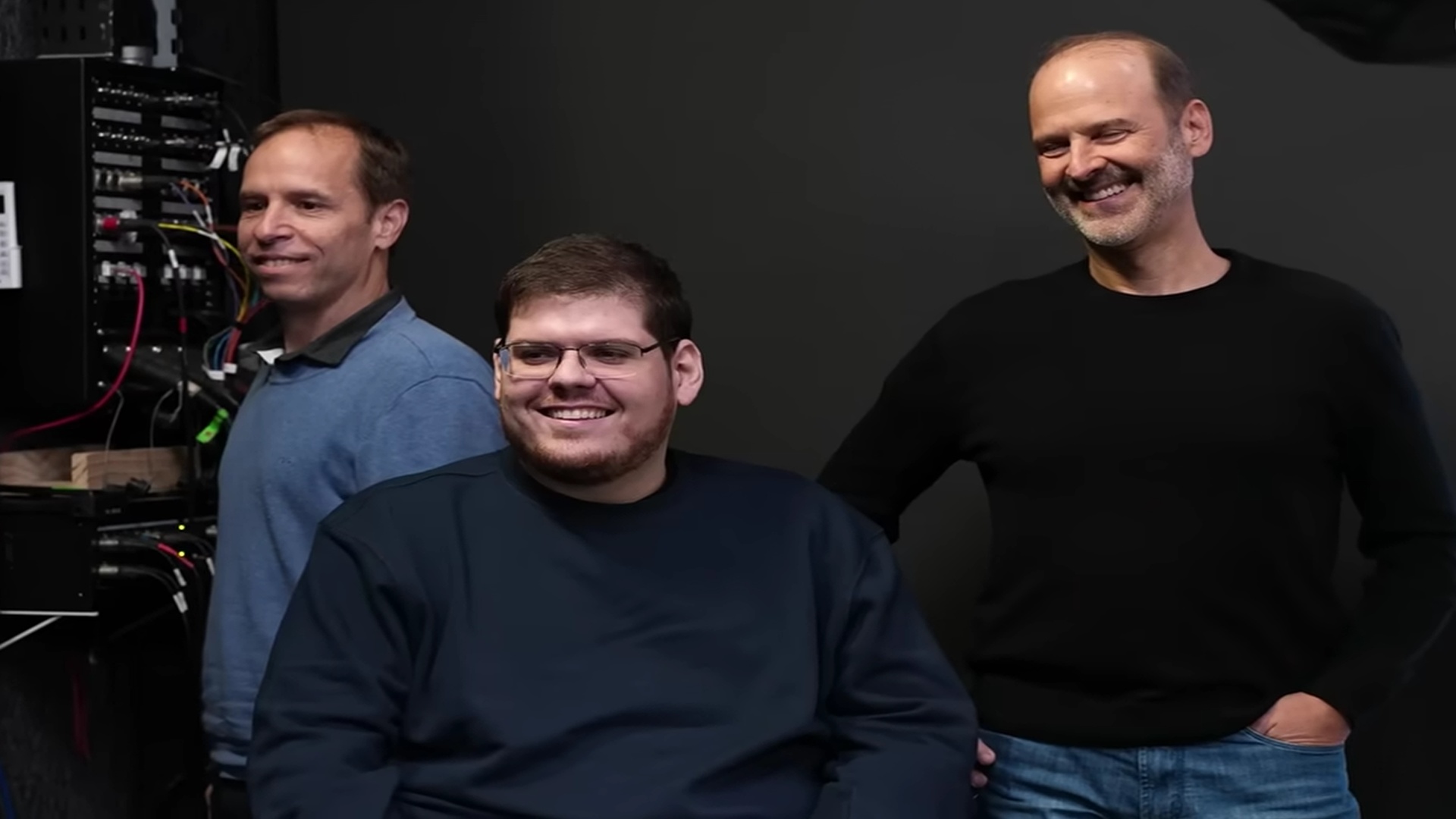


Native YouTube Channel Challenges Traditional Open TV Model, Captures Young Audience, and Transforms Sports Rights into a Billion-Dollar Business with Global Reach

In 1970, Brazilian television experienced a historical milestone. That year, Globo broadcasted a World Cup live for the first time in the country. Since then, 54 years have passed. Throughout this period, practically all the World Cups watched by Brazilians have aired on that network.
However, this cycle comes to an end in 2026. From the next World Cup, Casé TV, a channel that did not exist just four years ago, will be the only Brazilian broadcaster to transmit all 104 games of the World Cup. Globo, SBT, and N Sports will only air part of the competition.
Therefore, this change is not just symbolic. On the contrary, it represents a deep break in the business model of sports broadcasting in Brazil. Additionally, it signals a new logic of consumption, based on digital platforms and direct interaction with the audience.
-
Motorola launched the Signature with a gold seal from DxOMark, tying with the iPhone 17 Pro in camera performance, Snapdragon 8 Gen 5 that surpassed 3 million in benchmarks, and a zoom that impresses even at night.

-
Satellites reveal beneath the Sahara a giant river buried for thousands of kilometers: study shows that the largest hot desert on the planet was once traversed by a river system comparable to the largest on Earth.

-
Scientists have captured something never seen in space: newly born stars are creating gigantic rings of light a thousand times larger than the distance between the Earth and the Sun, and this changes everything we knew about stellar birth.

-
Geologists find traces of a continent that disappeared 155 million years ago after separating from Australia and reveal that it did not sink, but broke into fragments scattered across Southeast Asia.
This information was disclosed by “Exame”, according to a special report published in the magazine’s cover edition, based on interviews with the project’s partners. According to the report, the success of Casé TV cannot be explained solely by the charisma of an influencer, but by a well-defined business strategy.
The Business Structure That Allowed to Face Globo
First of all, it is necessary to dispel a common confusion. Despite the name, Casé TV is not a personal project of Casimiro. In practice, the channel belongs to Live Mode, a company specializing in sports rights, sponsorships, and digital monetization.
In addition to Casimiro, the company has partners Edgar Diniz and Sérgio Lopes. They were the ones who structured the business model and created the strategy that allowed the channel to compete with Globo, something unthinkable until recently.
In this sense, the previous experience of the three was decisive. In 2014, they worked together at Esporte Interativo. While Globo dominated Brazilian football, the channel bet on European championships like La Liga, the Premier League, and the Champions League.
The logic was clear. Instead of depending on a single product, the goal was to diversify rights and audiences. Later, in 2015, Turner acquired Esporte Interativo, which became TNT Sports. Casimiro remained an employee, while Diniz and Lopes left the project.
In 2017, they founded Live Mode with a specific mission. To solve a problem that almost no one was addressing: Brazilian clubs and federations did not know how to monetize digital content. Generally, they sold everything to a single broadcaster and concluded the negotiation there.
How Live Mode Proved That the Digital Model Worked


From then on, Live Mode began fragmenting rights. Instead of selling everything to a single player, it negotiated with TV, streaming, YouTube, Facebook, and other platforms. As a result, total revenue increased.
In 2019, the company took over the Copa do Nordeste. After that, in 2021, it reached an agreement with the São Paulo Federation. By simply changing the distribution strategy, it managed to increase revenue by 40%.
Therefore, the model was validated. It just needed a large-scale showcase. This opportunity, curiously, arose during a global crisis.
The Pandemic and the Gap That Changed Everything
In 2020, with the pandemic, Globo requested FIFA to review the values of the World Cup rights. The market was cutting costs, and renegotiation seemed natural. However, during the process, the network gave up something that seemed secondary at the time: the digital broadcasting rights.
When Live Mode realized that these rights were free, it began to seek interested parties. Conversations went back and forth until the decisive question arose: why not broadcast independently?
FIFA accepted the project for what were considered nominal values. Thus, Casé TV literally was born on the day of Brazil’s debut against Serbia. There was no established structure or audience history. Still, the risk was part of the strategy.
In the quarter-finals between Brazil and Croatia, the result was surprising. About 7 million people watched the live broadcast. To this day, that number represents the world record for online football viewership.
The Format That Changed the Audience Experience
Despite the high audience numbers, the differential was not just in the numbers. It was primarily in the format. Casé TV put the faces of narrators and commentators on screen, reacting in real-time to the plays.
This way, the viewer did not just watch the game. They shared their reactions with the hosts. Additionally, the channel brought commentators from outside the traditional sports universe, such as names from pop culture, attracting an audience that did not regularly follow football.
Another relevant point was the willingness to test limits. During the Olympics, Pedro Scooby went into the sea to interview surfers. In the Club World Cup, an influencer appeared dressed as ketchup. In the Brasileirão, there was even a birthday party on the Maracanã pitch.
According to the creators, the idea was never to break rules for the sake of it. On the contrary, the goal was to question which rules still made sense.
The Billion-Dollar Numbers Behind the Disruption

The data confirms the bet. Approximately 80% of the Casé TV audience is under 44 years old. This is an audience that was disconnected from traditional sports broadcasting.
From a commercial perspective, the impact was immediate. Casé TV and YouTube sold 11 sponsorship packages for the World Cup. Each at the listed price of R$ 185 million. All were negotiated in just 20 days.
In total, the market moved about R$ 2 billion in packages. The amount is similar to what was estimated for Globo. The difference, however, is clear: Casé TV will broadcast all 104 games of the World Cup.
Audience, Competition, and the Game That Continues in 2026
Despite the success, challenges remain. Open TV still leads in gross audience. During the Olympics, Globo reached 20 million viewers in some events, while Casé TV reached 5 million.
In response, the network launched GE TV to compete in the digital space. In the Club World Cup final, GE TV had 5 million viewers, compared to 4.1 million for Casé TV.
Moreover, there is a relevant technical factor. In many regions, the TV signal arrives a few seconds before the internet. In decisive games, this makes a difference.
On the other hand, the game has changed. On Instagram, Casé TV generated 16 million interactions during the World Cup. GE TV had 1.8 million. Today, it is no longer enough to have more people live. It is necessary to dominate the conversation afterward.
In 2024, Live Mode received investments from XP and General Atlantic. The company has already secured the rights to the 2027 Women’s World Cup and the 2028 Olympics. Additionally, it announced plans to expand to Portugal.
Finally, what started as improvisation in 2022 has turned, in just four years, into a structured international operation. The market did not change because someone was brilliant. It changed because those who had control underestimated what was coming.
Do you believe that Casé TV has established a new definitive standard for sports broadcasts, or will open TV still regain this prominence?







Esse novo modelo no digital é algo que não tem mais volta. A diversificação de canais trás ao consumidor a possibilidade de experimentar e não ficar somente no que já se conhece. CaséTV abre uma janela de oportunidades que não se imaginava antes. Parabéns a todos os envolvidos.