





 Portuguese
  English
  Spanish
  4 min of reading
  0 comments


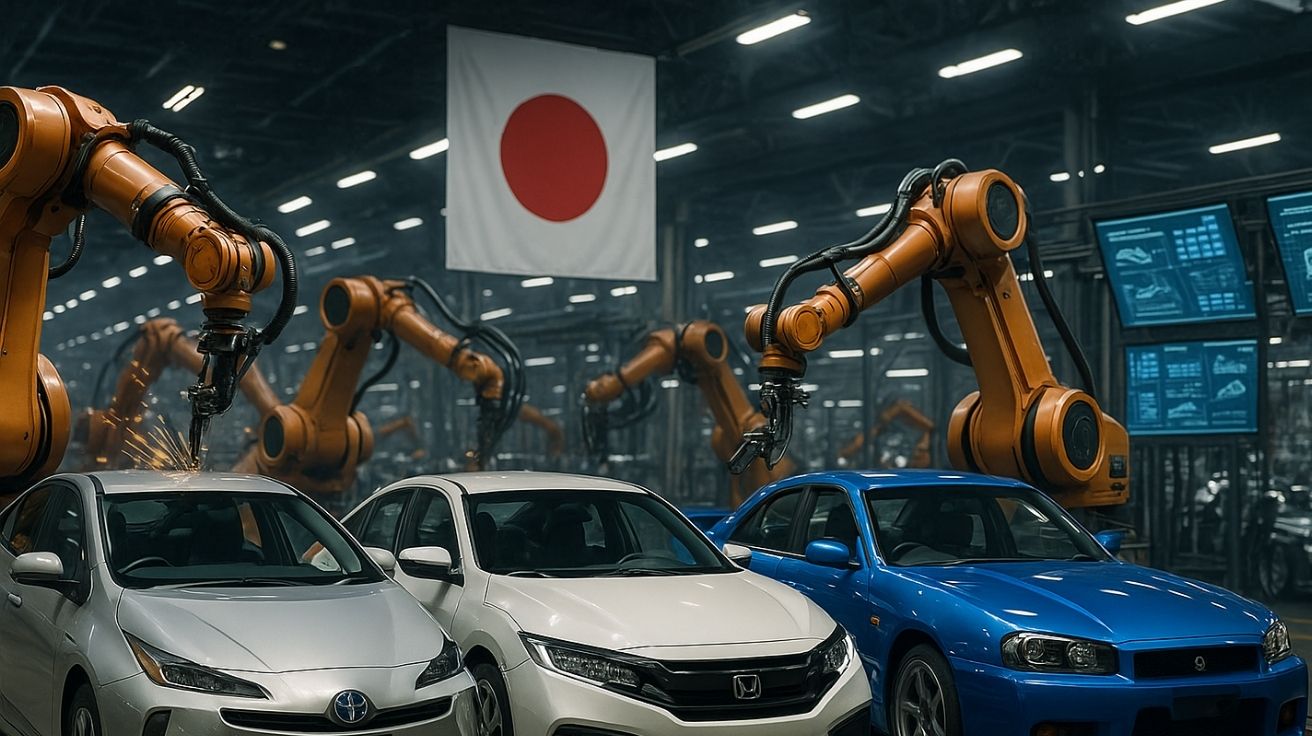
From Steam Buses to Global Leadership in Hybrid Cars, Japanese Manufacturers Overcame Wars, Crises, and International Quotas to Become a Reference of Quality and Efficiency
Did you know that Japanese manufacturers started by producing military trucks and vehicles inspired by British and American cars? The image of quality and innovation we know today had a turbulent beginning, with factories destroyed by wars, resource shortages, and strong external competition.
Over the course of a century, Japan built an automotive empire led by names like Toyota, Honda, Nissan, Mazda, and Subaru. In this article, you will discover the story that no one tells about the emergence, growth, and global dominance of Japanese manufacturers, which transformed the country into a global automotive powerhouse.
ARTICLE CONTINUES BELOWSee also
While the industry rushes towards automation, Omoda & Jaecoo bets on technology with a human touch and reveals its global mobility plan for 2026.
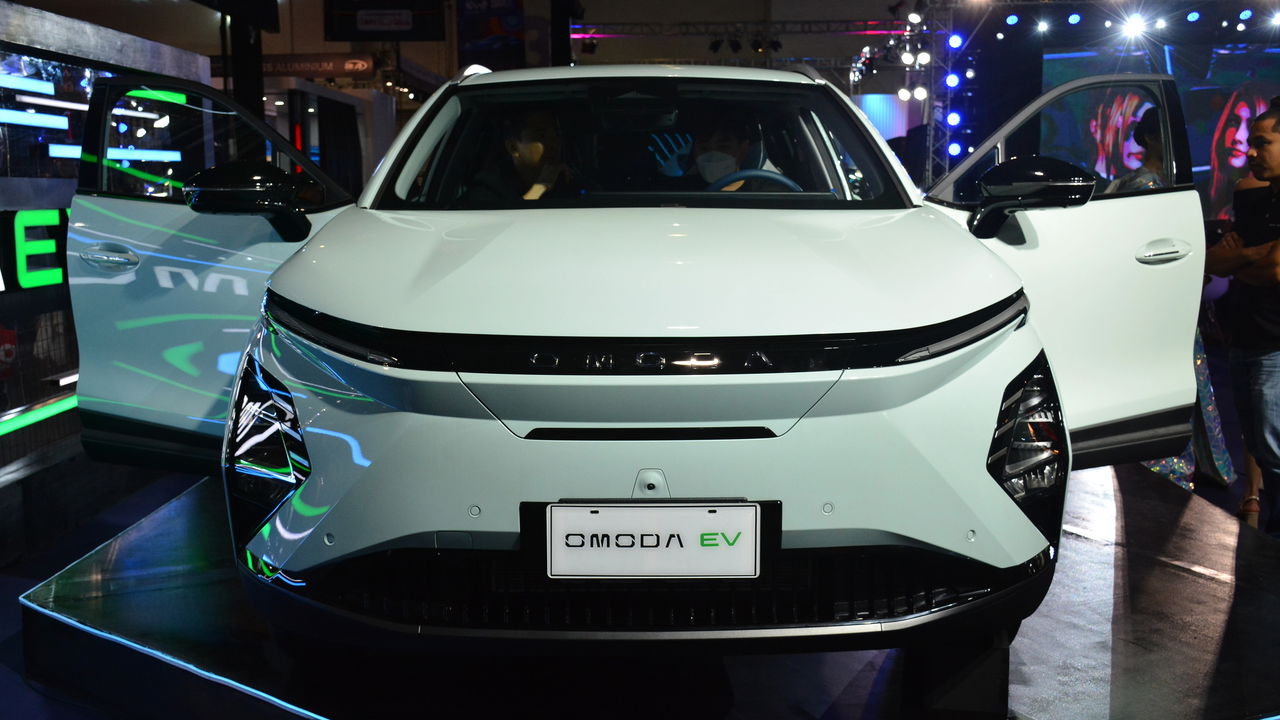
In just 1 year, JAECOO surpasses 7,000 units of the J5 EV delivered in Indonesia and consolidates trust in the Asian market.
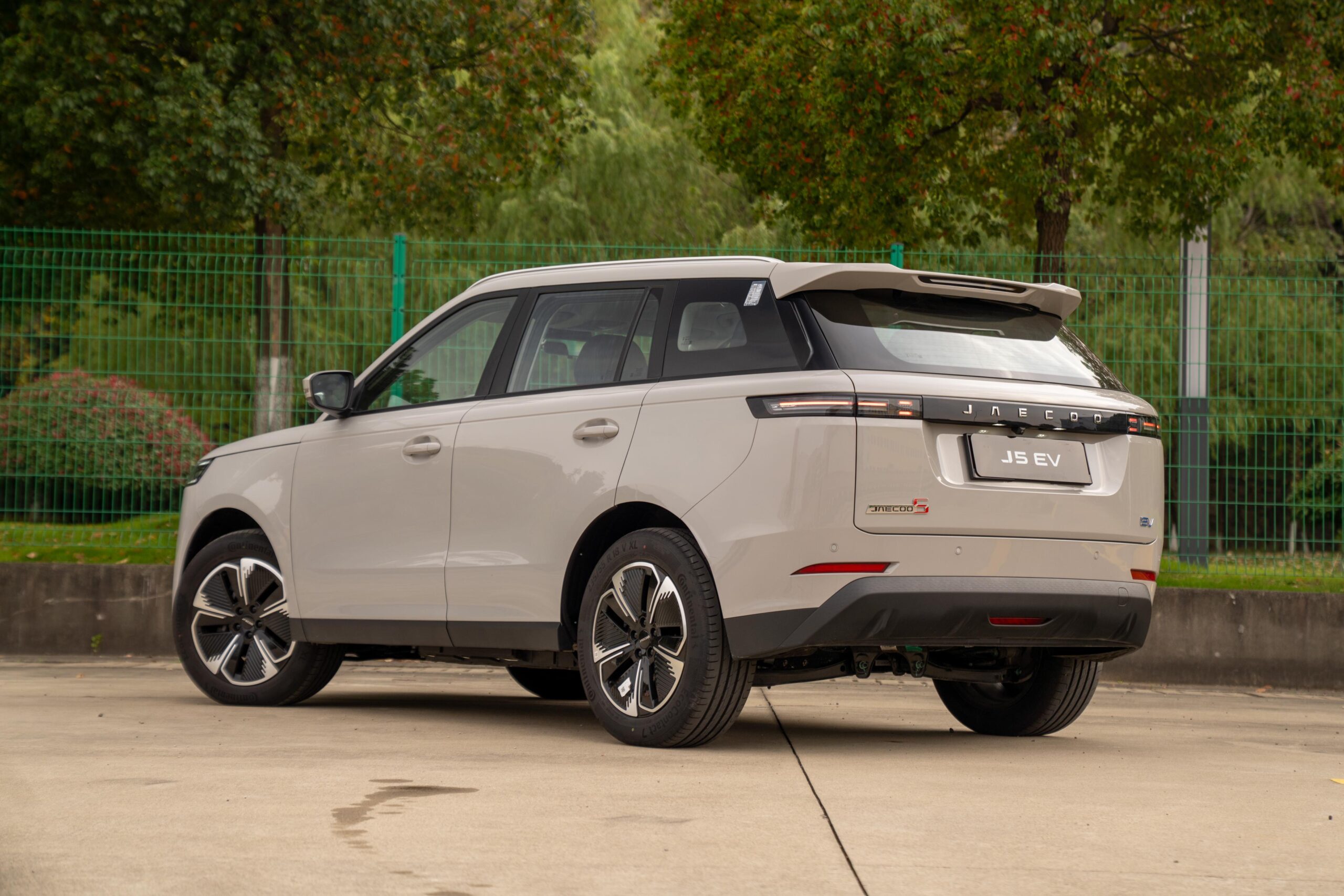
With awards in various countries, the Jaecoo 7 is establishing itself globally and accelerating the expansion of Omoda & Jaecoo in the hybrid SUV market.
5 cheapest used cars than a Honda CG 160 Titan 0 km, with options starting at R$ 13,000 for those who want to trade their motorcycle for a car and escape the rain, sun, and risks of riding.

The Emergence of Japanese Manufacturers and Military Support in the Origin of the Industry
The embryo of Japanese manufacturers emerged in the early 20th century, with isolated initiatives like the steam bus by Torao Yamaba in 1904 and the Takuri, the first gasoline-powered car produced entirely in Japan. In the 1920s, companies like Mitsubishi, Isuzu, and Kaishinsha began manufacturing trucks for military purposes.

Partnerships with British manufacturers were common: Isuzu collaborated with Wolseley and Nissan with Austin. Models from Fiat, Ford, and General Motors served as direct inspiration for the first local vehicles. The focus was to meet the logistical needs of the army, rather than the transportation of the civilian population.
The turning point came with the 1936 law, which protected the domestic sector and barred the establishment of Ford and GM factories in Japan. From then on, the country began to invest heavily in its own brands. Production concentrated on military trucks, such as the Kurogane Type 95, the world’s first mass-produced 4×4 vehicle.
Post-War Reconstruction and the Birth of the Compact Car Concept
After World War II, Japanese manufacturers faced shortages of materials, ruins of factories, and low domestic demand. The response was to create small, lightweight, and economical cars. This is how the famous kei cars were born, such as the Subaru 360, a pioneer of Japanese mobility in the 1950s.
These vehicles benefited from tax laws that encouraged reduced dimensions and engines up to 360cc. Brands like Daihatsu, Suzuki and Honda quickly embraced this trend. With affordable prices and excellent fuel efficiency, the cars gained popularity among the urban population.
The Toyota Corolla, launched in 1966, was the pinnacle of this concept: compact, reliable, and durable. It quickly became a global bestseller and solidified the reputation of Japanese manufacturers. Domestic production soared, and exports began to take off toward the United States and Europe.
The Leap to Global Domination with Exports, Robotics, and Total Quality
In the 1970s, with the oil crisis, Japanese cars—light and economical—became the ideal choice in the U.S. and Europe. Japanese manufacturers increased their exports from 100,000 units in 1965 to nearly 2 million in 1975.
The entry of models like Datsun 510, Honda Civic, and Mazda 323 into the North American market marked the beginning of a successful era. Concerned about the Japanese advance, Western governments imposed import quotas. The response was the establishment of factories on foreign soil.
At the same time, Japan adopted revolutionary production methodologies. With the use of robots, Lean Manufacturing, Kaizen, and the famous “five whys,” efficiency grew exponentially. The result? More reliable, cheaper products with fewer defects than their Western counterparts.
This quality standard transformed Japanese manufacturers into synonymous with durability. By the late 1980s, Japan surpassed the United States as the largest car producer on the planet, and brands like Toyota, Honda, and Nissan began competing with Mercedes-Benz and BMW in the luxury segment.
Constant Innovation and Challenges of the 21st Century
Even after the end of quotas and with the rise of competitors like South Korea, China, and India, Japanese manufacturers maintained their leadership in innovation. In 1997, Toyota launched the Prius, the first mass-produced hybrid. The technology solidified Japan as a reference in clean mobility.
During the 2000s, even with challenges such as the 2008 crisis, the 2011 earthquake, and the COVID-19 pandemic, the sector adapted quickly. Brands like Honda and Toyota began investing in electric cars, hydrogen, and autonomous vehicles, aiming for the future of mobility.
Today, Japan is the third largest car producer in the world and the second largest exporter. Japanese models continue to dominate rankings for reliability, safety, and customer satisfaction.
The reputation of Japanese manufacturers is supported by over a century of precision engineering, strategic vision, and obsession with quality, which transformed a country devastated by war into a global automotive powerhouse.








Seja o primeiro a reagir!