





 Portuguese
  English
  Spanish
  4 min of reading
  0 comments


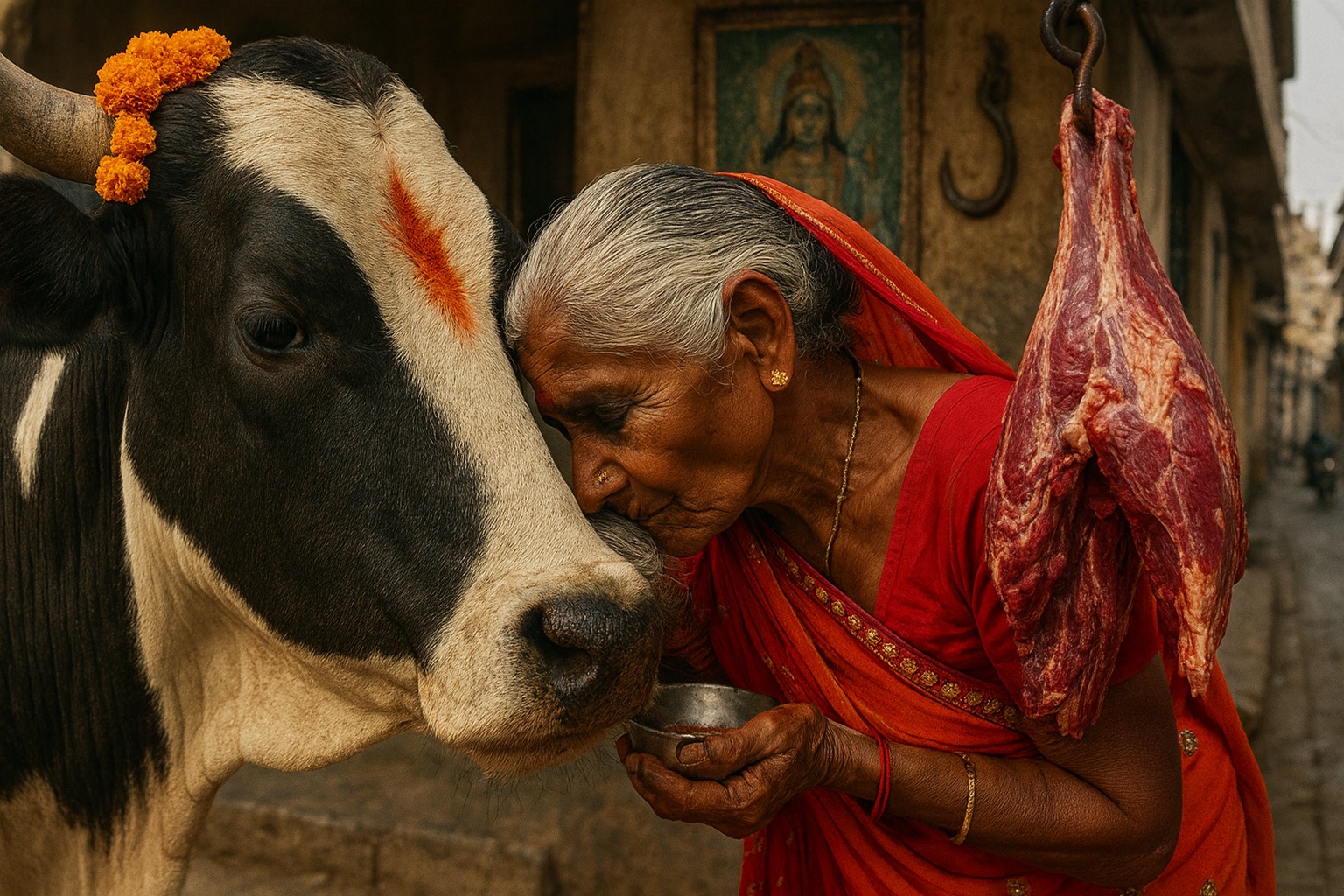
Reverence for the Cow Shapes Religious Traditions in India, but the Country Also Leads in Cattle and Buffalo Meat Production, Revealing a Cultural Contrast Marked by History, Legislation, and Different Regional Dietary Practices
India is widely recognized for revering the cow, a religious symbol that occupies a central place in Hindu culture. This veneration is marked by the fact that the country is home to the largest Hindu population in the world and, therefore, preserves very ancient practices linked to religion. Still, India also ranks among the largest producers and exporters of meat, including beef, which creates a clear contrast. This apparent contradiction sparks curiosity and requires understanding, above all, how this tradition formed.
Origin of Cow Reverence
Devotion to the cow has deep roots in Hindu mythology. The gods and their divine vehicles play an essential role in the religious structure, as each mount represents attributes associated with each deity.
The cow achieved a special position because it is linked to Shiva, a central figure in Hinduism.
-
Historic bankruptcy of Centauro shocks the market, and the century-old company puts more than 500,000 products, machines, and complete infrastructure up for online auction.

-
New shoe factory in Ceará is expected to create 400 jobs and strengthen the local economy.

-
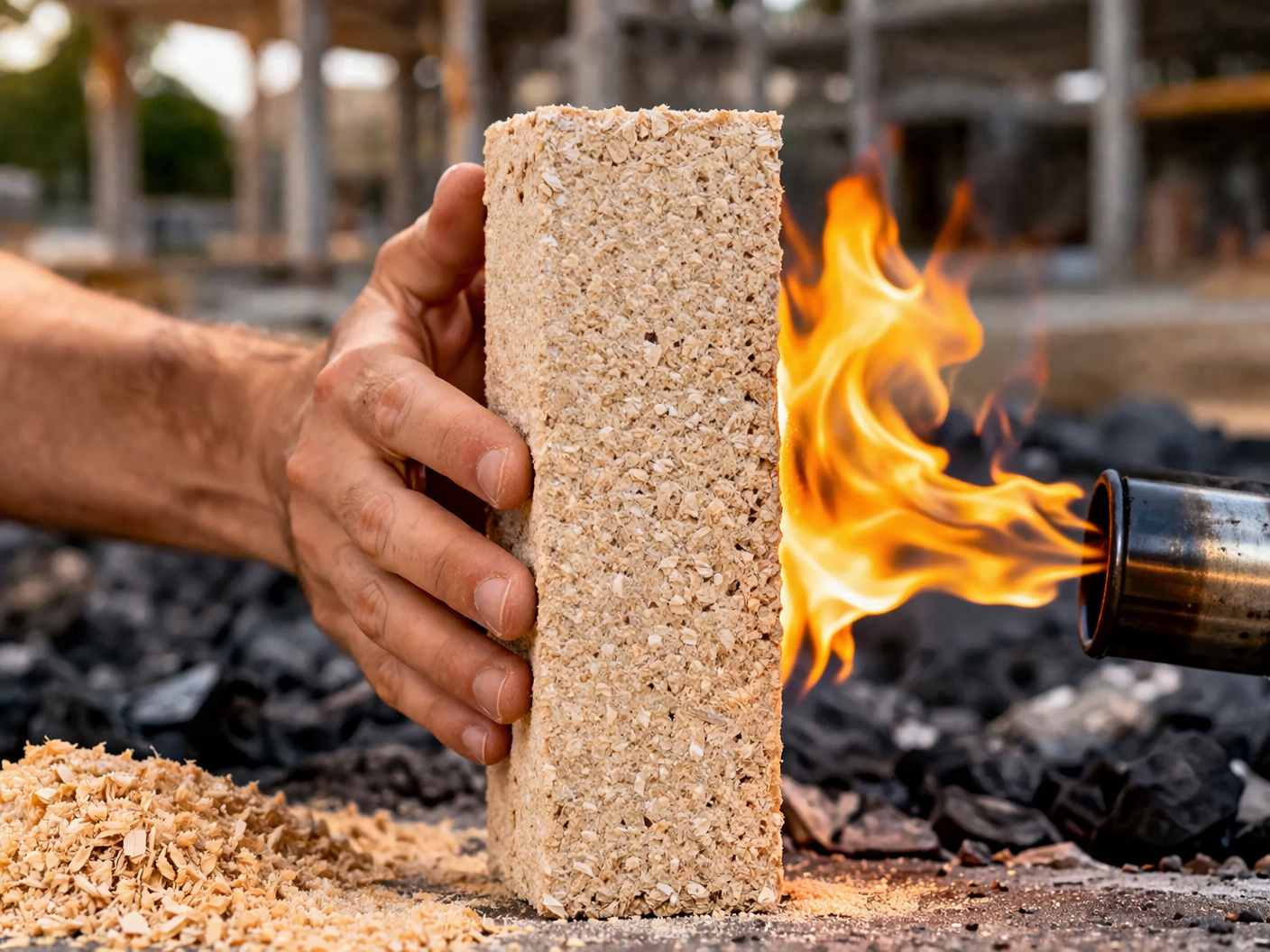
No one imagined it, but a mixture of sawdust with a mineral that fights fires surprises scientists with a result that changes the course of fire-resistant construction.
-
From empty land to a high-end house, wooden construction uses a lightweight system, metal structure for the foundation, ventilated ceramic cladding, and special windows to create an efficient and comfortable living space throughout the year.


Shiva is widely worshiped throughout the country. His vehicle, Nandi, reinforces the symbolic bond between the god and the animal.
In addition, this mount is seen as responsible for controlling Shiva’s own impulses, and this strengthens the perception of the cow as a being that conveys balance.
The animal also represents values such as harmony, altruism, and non-violence. Therefore, its image transcends the religious sphere and manifests in everyday practices.
Respect for the cow, therefore, has become part of Indian cultural identity.
Other Sacred Animals
The tradition of attributing sanctity to animals is not limited to the cow. The rat, associated with the god Ganesh, and the buffalo, linked to the god Yam, also hold relevant roles within mythology.
These relationships demonstrate how Hindu spirituality is deeply intertwined with animal figures.
However, the focus is on the cow because Shiva is worshiped across Indian territory. While other deities are more regional, Shiva breaks internal boundaries, amplifying the importance of the animal on a national scale.
The Emergence of the Paradox
India lives with a situation that, at first glance, seems contradictory. Although the cow has sacred status, the country produces and exports large quantities of meat.
Understanding this scenario requires observing nuances involving religion, legislation, and cultural diversity.
An essential point is the significant presence of the Muslim population, who have no religious restrictions regarding beef consumption.
Moreover, a large portion of the meat exported by the country is buffalo meat. One in every two buffaloes in the world lives in India, and this animal is not included in Hinduism’s religious prohibitions.
Therefore, production grows because buffalo farming meets both domestic consumption and foreign trade needs. The distinction between cow and buffalo is crucial to understanding this duality.
Legislation and Regional Practices
Another important factor is the country’s legal system. There is no national law prohibiting the slaughter of cows. Each state has the autonomy to define its policies.
In some regions, only dairy cows have legal protection. In others, the legislation is more permissive.
Additionally, there are illegal slaughterhouses operating outside regulations. India has about 3,600 registered establishments, but it is estimated that there are approximately 30,000 operating without authorization.
These locations contribute to the unofficial production of meat and amplify the impact of this market.
Historical Transformations
The sanctity of the cow has not always been present throughout Hindu history. During the Vedic period, dated between 1000 B.C. and 500 B.C., kings performed cow sacrifices and consumed their meat.
Only around the year 400 A.D. did the cow gain the sacred status associated with contemporary Hinduism.
Therefore, the change in perception occurred gradually. This historical evolution helps explain some contradictions still observed within the Hindu community itself.
Meat Consumption Among Hindus
Despite the religious character, about 2% of Hindus consume beef. In large cities, this habit is more common, indicating a diversity of behaviors within the group. The cultural plurality of the country also appears in this aspect.
Hindu nationalist groups, such as the BJP, reinforce discourses of extreme protection for the cow. The party has even registered patents related to the medicinal use of cow urine.
Even so, the BJP does not represent all Hindus, and many followers of the religion do not feel guilty about consuming meat.
Conclusion
The tradition of venerating the cow is deeply intertwined with Hindu beliefs, sustained by myths, symbols, and practices that span centuries.
Because this tradition spreads across India, it has become an essential part of the country’s cultural identity.
However, religious and regional diversity creates a scenario where sanctity coexists with the production and consumption of meat.
Furthermore, the presence of buffaloes, fragmented legislation, and historical changes help shape this complex picture.
Therefore, understanding India requires recognizing the coexistence of tradition, modernity, and multiple ways of living a single culture.
With information from Compre Rural.







-

-

2 pessoas reagiram a isso.