





 Portuguese
  English
  Spanish
  4 min of reading
  0 comments


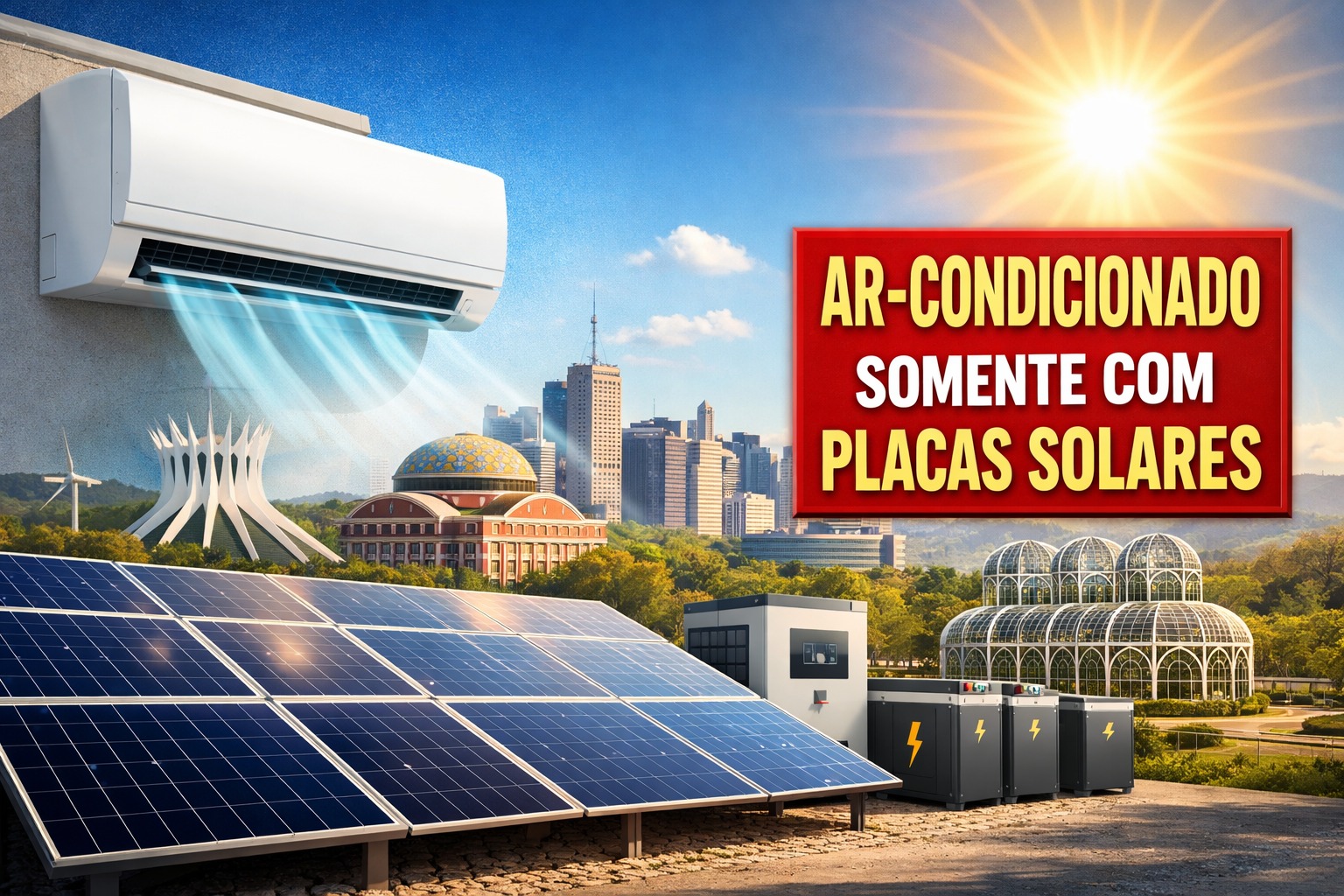
Simulations in Five Capitals Show How Many Panels, Batteries, and Hours of Sun Are Needed to Keep a 12,000 BTU Air Conditioner Running Only with Residential Solar Energy in Current Brazil
The exclusive use of solar energy to operate a 12,000 BTU air conditioner for 12 hours daily is technically feasible in Brazil, but requires rigorous planning, precise calculations, and adaptation to local solar conditions, according to simulations conducted for five Brazilian capitals.
Understanding Air Conditioner Consumption
For many consumers, the 12,000 BTU air conditioner is seen as an intermediate option for small rooms and living rooms, combining high thermal capacity with wide availability in the national market.
This model delivers about one-third more cooling capacity than 9,000 BTU units, an increase that directly reflects on daily electricity consumption.
-
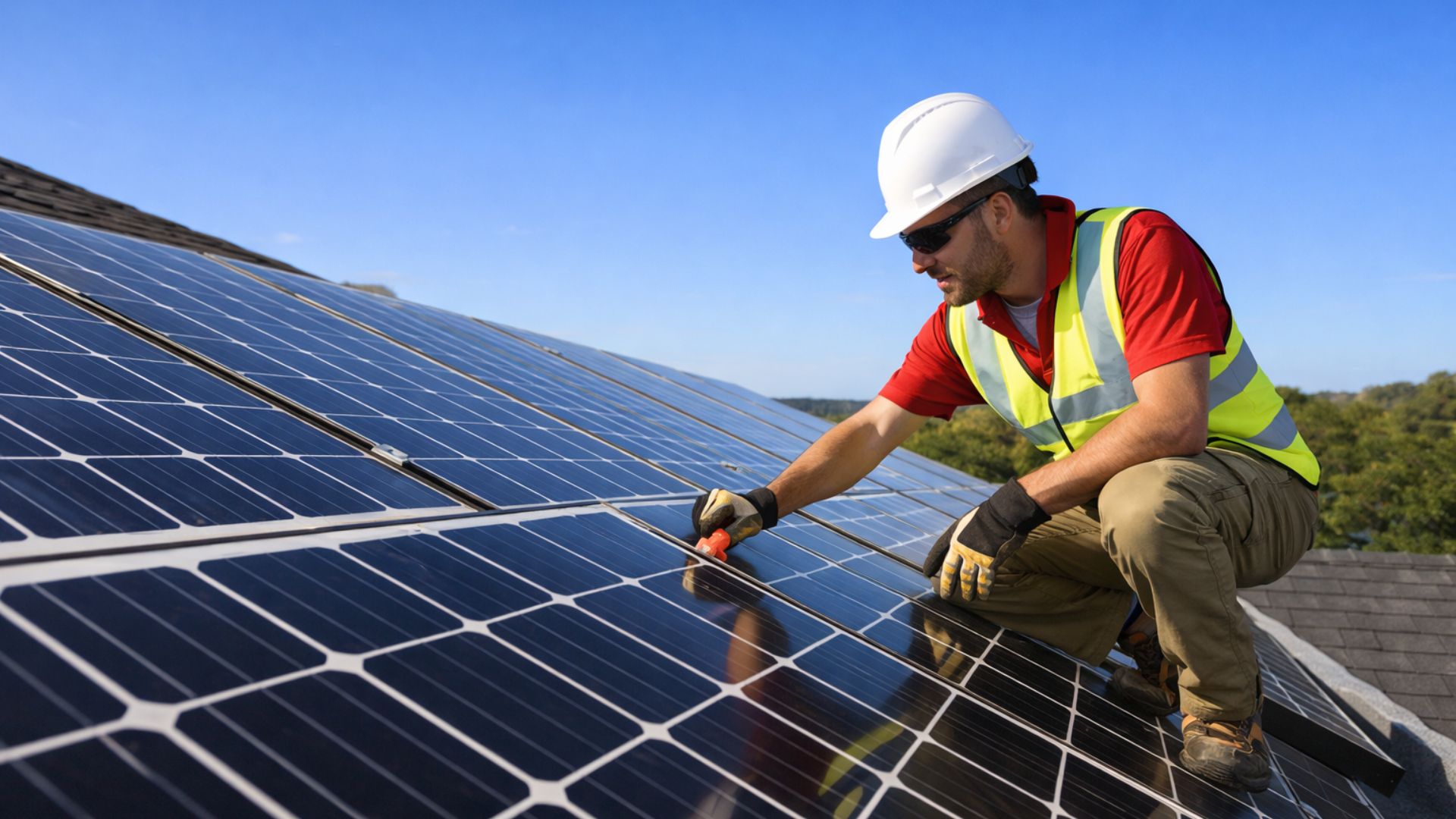
Seagri’s headquarters invests in solar energy with Neoenergia Coelba and promises to cut electricity costs, highlighting a strategic advance in sustainability and energy efficiency within state public administration.
-
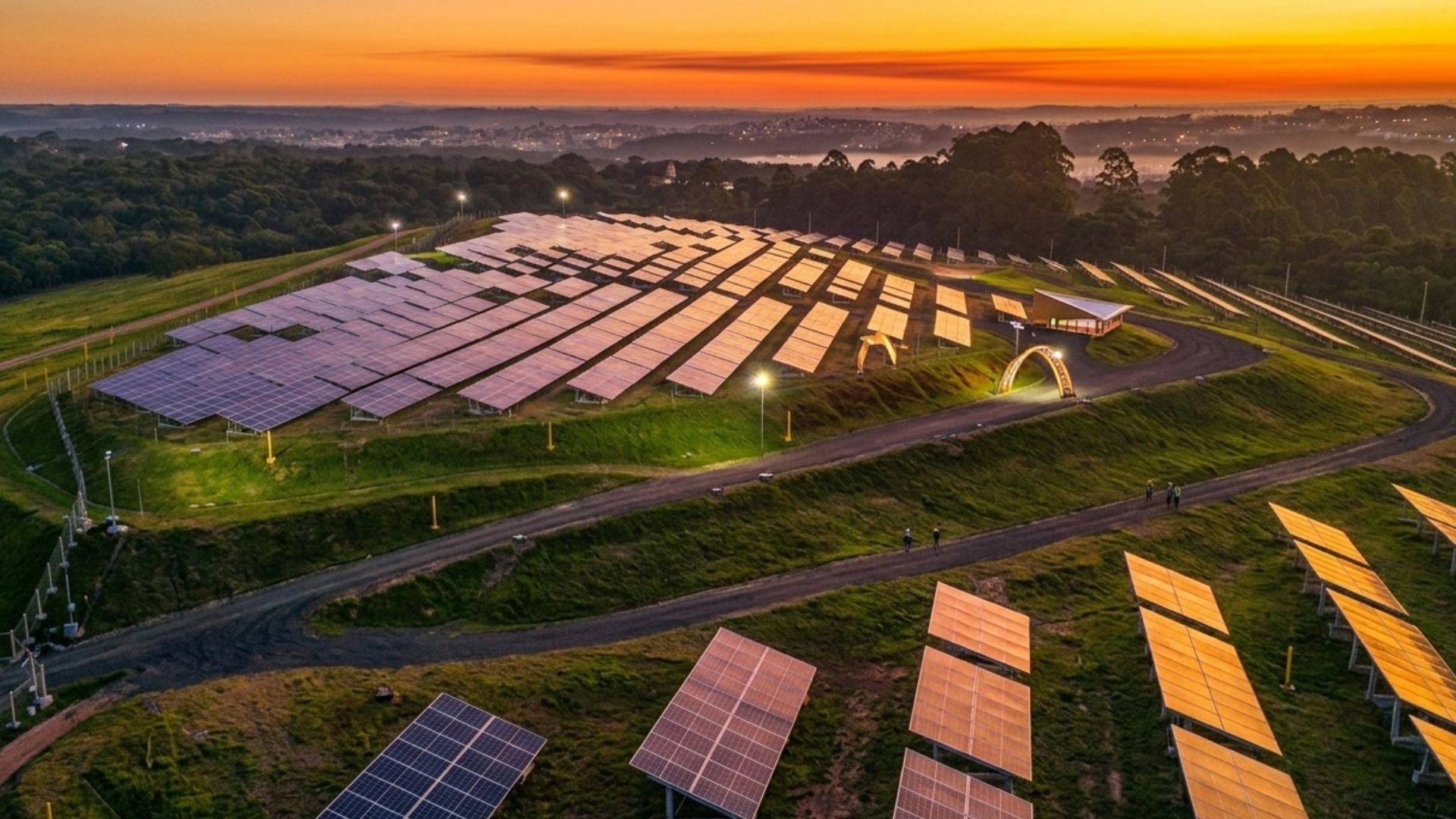
Solar Pyramid draws attention by converting solar energy into million-dollar savings and repositioning the City Hall of Curitiba as an example of innovation, sustainability, and intelligent use of public resources.
-
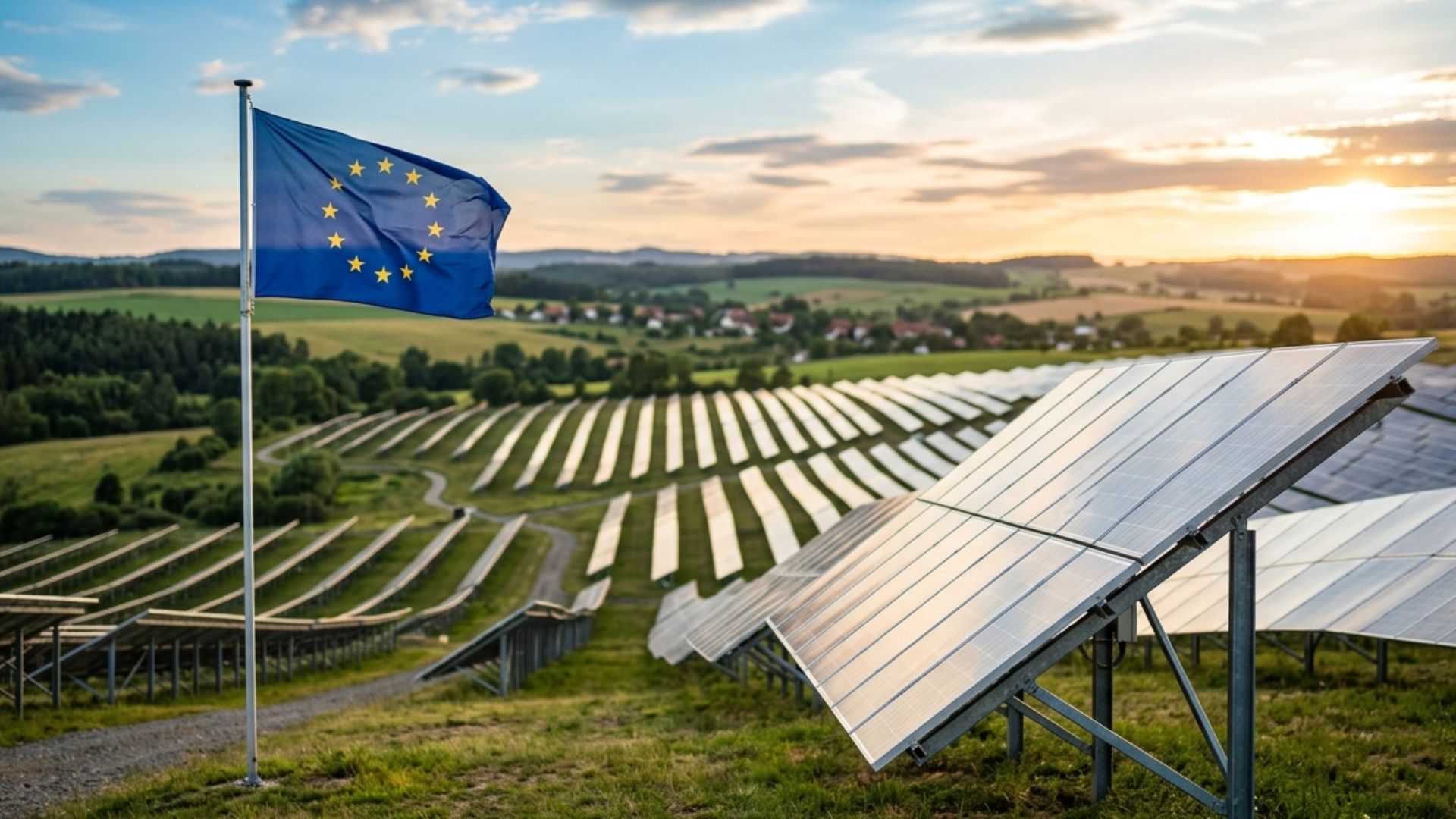
Europe records strong euro economy with solar energy in March and sparks curiosity about which country leads growth that redefines the energy market and reduces costs.
-
Piauí reaches a historic milestone in energy transition: State records nearly 160,000 households powered by solar energy and leads growth in the Northeast.
In practice, most units in this range consume between 1.2 kW and 1.4 kW, especially inverter versions, which are currently predominant in Brazilian residential sales.
Considering 12 hours of daily operation, the average energy expenditure is close to 16 kWh per day just for the air conditioner, excluding other appliances.
Assumptions Adopted for Sizing
The considered scenario assumes half of the consumption directly supplied by solar generation during the day, with the other half supplied by stored energy.
According to engineer Rogers Demonti, the excess energy needs to be stored to allow continuous nighttime operation of the unit.
“If it is possible to use an air conditioner every day only with solar energy, we must also think about storage for nighttime use,” explains Rogers.
For the calculations, 400 Wp photovoltaic panels were adopted, with a system performance factor of 0.75 and battery efficiency of 85%.
A maximum discharge depth of 80% for the batteries was also considered, a necessary limit to preserve the lifespan of the storage system.
Difference in Peak Sun Hours in Brazil
Another determining factor is the peak sun hours, the daily period of highest solar intensity available for photovoltaic generation in each analyzed city.
In Fortaleza, the average considered was 5.5 hours daily, a value higher than that observed in other capitals in the comparative study.
Brasilia registers an average of 5.0 hours, while Manaus logs approximately 4.5 hours of full sun per day.
São Paulo presents 4.0 peak hours daily, a figure lower than that of Northern and Northeastern capitals analyzed.
Curitiba closes the list with about 3.5 hours, reflecting lower average solar incidence throughout the year.
Estimated Number of Solar Panels
To compensate for system losses and storage, the project needs to generate approximately 17 kWh daily exclusively for the air conditioner.
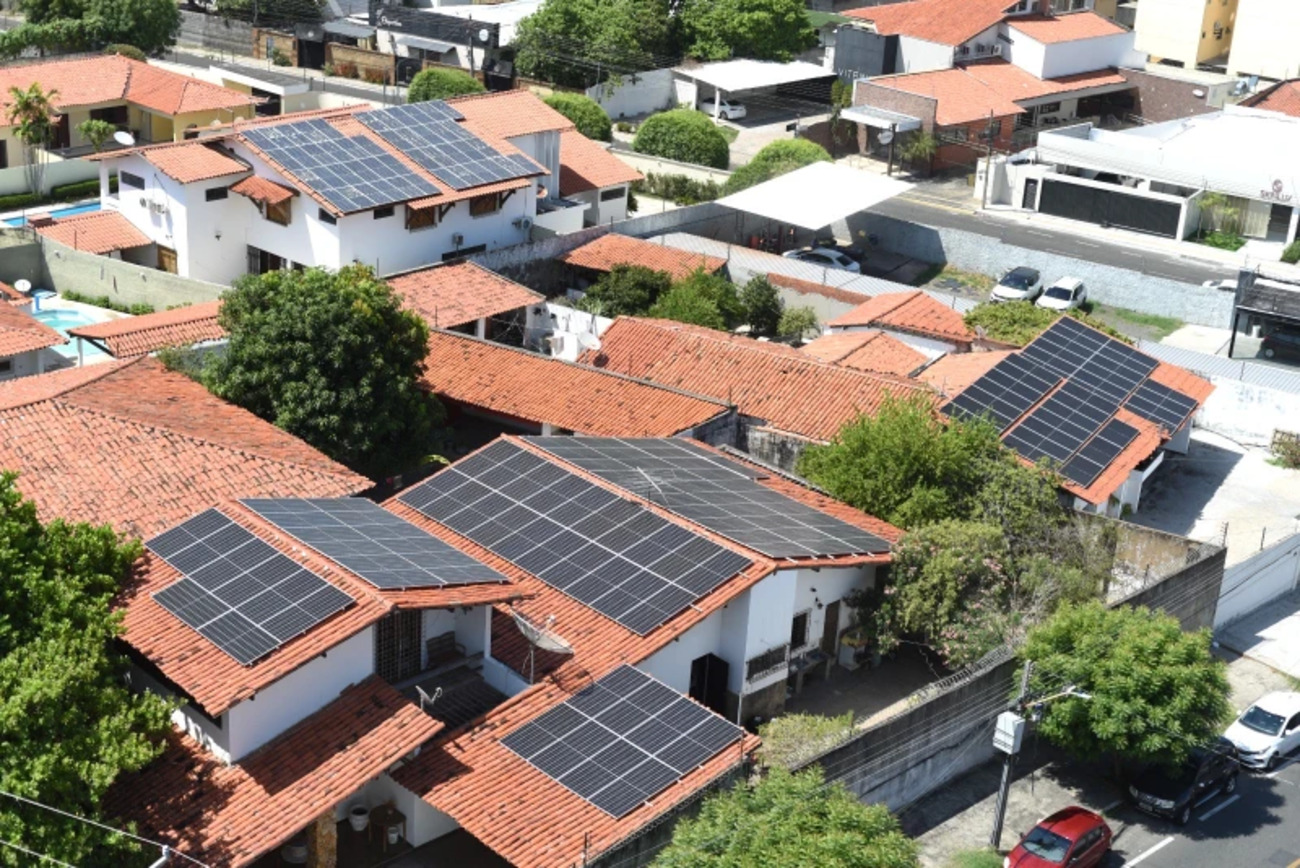
In Fortaleza, this translates to about 4.3 kWp installed, corresponding to 11 400 Wp photovoltaic panels.
Brasilia would require approximately 4.7 kWp, resulting in about 12 panels to sustain the expected daily consumption.
In Manaus, the system increases to around 5.2 kWp, requiring approximately 13 photovoltaic modules.
São Paulo would need about 5.7 kWp, equivalent to 15 panels, reflecting lower average local solar efficiency.
Curitiba presents the most demanding scenario, with approximately 6.7 kWp installed and a need for about 17 panels.
Comparison with Smaller Units
While a 9,000 BTU model may require between 8 and 13 panels, the 12,000 BTU unit rises to a range between 11 and 17 modules.
“Sometimes the result is alarming because it indicates many panels, but it is correct,” reinforces Rogers when commenting on the calculations presented.
The engineer highlights that the high consumption of the unit and the current technological limitations of the panels explain the obtained numbers.
Batteries, Inverter, and Savings Strategies
For nighttime operation without the electrical grid, about 8 kWh of usable energy per night would be needed, requiring approximately 12 kWh of gross battery capacity.
The recommended hybrid inverter should have continuous power greater than 2 kW, with a margin to handle the compressor’s starting peaks.
Rogers also points out alternatives to reduce consumption, such as raising the set point by 1ºC, saving up to 6% of energy.
Other relevant factors include shading, tilt, orientation, maintenance of the panels, and the choice of more efficient inverter models.
In general, although technically possible, maintaining a solar system dedicated solely to the air conditioner ends up being economically unfeasible in most cases, making it more rational to plan an integrated system for the entire residence.
With information from Canal Tech.






Seja o primeiro a reagir!