





 Portuguese
  English
  Spanish
  5 min of reading
  0 comments



Understand How Petrobras and Venezuela Assess the Use of Assets to Unlock Negotiations and Generate Direct Impact on the Oil Market and Brazil’s Energy Strategy.
The discussion about the possibility of converting debts into strategic assets has returned to the center of Brazilian economic debate after it was revealed that the federal government is exploring alternatives to enable the return of Petrobras to Venezuela. According to an article published by CNN Money on Wednesday (18), the proposal involves transforming amounts owed to the National Treasury into stakes in the Venezuelan energy sector, a move that could alter Brazil’s positioning in the oil market of Latin America and expand the state-owned company’s international presence.
Government Aims to Convert US$ 1.8 Billion in Debt into Stakes in the Oil Market
The topic gained traction because the debt accumulated by the neighboring country is considered difficult to recover in the short term. In this context, exchanging for productive stakes emerges as a pragmatic solution, capable of reducing financial losses while also opening expansion opportunities for the Brazilian company. The strategy also aligns with the process of resuming the company’s internationalization, which was interrupted in previous years and is gradually being resumed from 2023.
The essential information is that the government is considering converting approximately US$ 1.8 billion in Venezuelan government debt, a value that corresponds to nearly R$ 10 billion at the exchange rate, into stakes in oil fields, refineries, and potential gas projects. This decision could redefine Brazil’s weight in regional energy geopolitics and open a new phase of investments abroad.
-
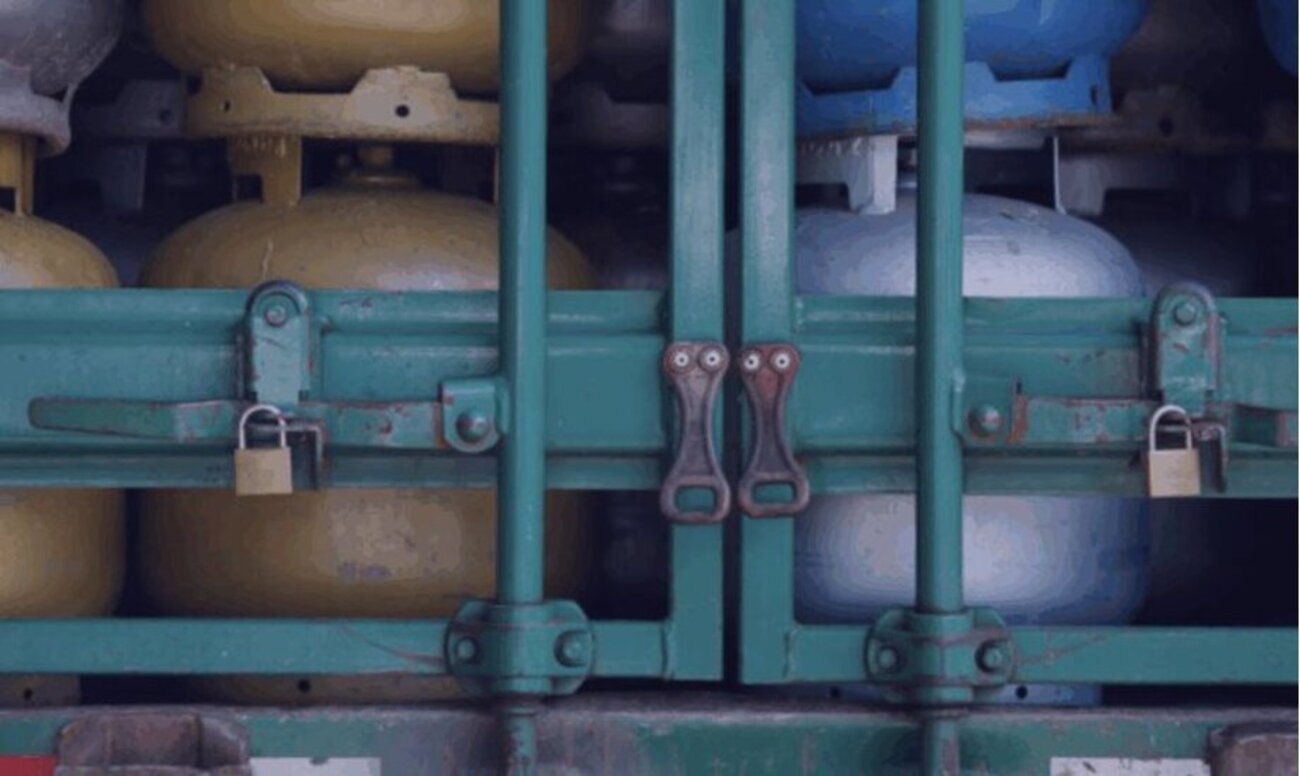
Petrobras evaluates suspension of sales to distributors and considers canceling the cooking gas auction following guidelines from the Federal Government.
-
Lula reveals a masterstroke by Petrobras to undo a deal made by Bolsonaro, which involves the return of an important refinery that currently produces less than half of what was expected and makes Brazil dependent on international diesel.
-
A study confirms that the natural gas sector will reduce greenhouse gas emissions in Brazil by 0.5% and accelerate the energy transition by 2026.

-
Petrobras implements a severe adjustment and confirms a 55% increase in the price of aviation kerosene with a proposal for installment payments for the companies.


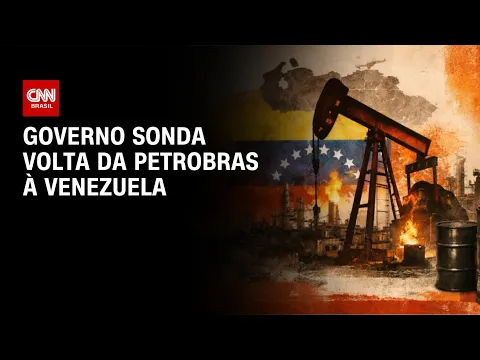

Petrobras and Venezuela at the Center of a Strategy That Could Reshape the Oil Market
The proposal to exchange debt for productive stakes involves not just a financial negotiation between governments. It is an initiative that could alter the competitive balance of the South American energy sector. By reclaiming space in Venezuelan territory, Petrobras would increase its indirect production capacity and strengthen its position among the largest energy companies in the world.
The Brazilian government’s interest stems from the recognition that Venezuelan debt, originating from loans granted mainly in the last decade, has a low probability of immediate repayment. These financing agreements were backed by the Export Guarantee Fund and subsequently assumed by the National Treasury. Practically speaking, transforming this liability into productive participation could represent a more advantageous alternative than waiting for uncertain payment.
Moreover, the Brazilian state-owned company has intensified its international presence in the first half of the current government. Technicians visited countries such as Suriname, Guyana, Colombia, Namibia, and Angola between 2023 and 2024, evaluating expansion opportunities. In this context, Venezuela reappears as a strategic destination due to its geographical proximity, the company’s historical experience in the region, and the significant volume of oil reserves.
Venezuelan Oil Assets and Petrobras’ Technical Interest
Among the fronts analyzed are traditional areas and fields with recovery potential. The Maracaibo Lake is noted as a region of lighter oil, explored since the 1920s, but currently in decline. The technical assessment indicates that targeted investments could reactivate part of the production and modernize the existing infrastructure.
Another relevant front is the Orinoco Basin, known for its heavy oil reserves. Although the commercial value of this type of oil is lower in the international market, Petrobras possesses logistical and technological expertise for refining and transportation, a factor that could transform a limitation scenario into a competitive advantage. The possibility of participating in Venezuelan refineries is also considered, despite the deteriorating structural condition of many units.
There are also preliminary discussions about offshore gas exploration, a sector still underdeveloped in the country. These potential assets represent medium and long-term opportunities but require high investments, logistical planning, and regulatory stability. The financial return would not be immediate but could consolidate a lasting strategic presence.
Legal Security and Institutional Challenges in Asset Negotiation
The feasibility of the operation directly depends on the legal and political environment. According to sources interviewed by CNN, recent changes in Venezuelan oil legislation now allow independent international arbitration in case of litigation and foresee a lighter tax burden for foreign investors. These factors are considered relevant institutional advancements, even though the country’s political history generates caution.
Another sensitive point is the nature of the debt. The amount is owed to the National Treasury, while Petrobras is a mixed-capital company, with minority shareholders. This difference necessitates transparent legal mechanisms so that the conversion into assets does not generate corporate conflicts. Experts emphasize that any operation of this scale would require rigorous technical, legal, and financial approval.
There is also the time factor. Investments in the oil industry typically take years to yield consistent returns. Even if the legal conditions are favorable, the perception of political risk influences the pace of corporate decisions. Institutional stability is viewed as a central element to ensure contractual predictability.

Economic and Geopolitical Impacts on the Regional Oil Market
If the strategy is realized, the impact may surpass the corporate sphere. Strengthening the Brazilian presence in Venezuelan territory would have direct repercussions on the oil market regionally, expanding Brazil’s negotiating power in international forums and strengthening economic alliances in South America.
From a financial perspective, converting debt into productive participation can reduce losses for the treasury and create new sources of indirect revenue. For the company, international expansion contributes to risk diversification and expands exploitable reserves. For the regional economy, the move could stimulate investments in infrastructure, logistics, and energy technology.
However, experts warn that the scenario remains sensitive. Future political changes could alter existing agreements, and the oil industry operates with long-term horizons. Predictability is an asset as important as the natural resource itself, and any institutional instability can influence the flow of foreign capital.
A Move That Could Redefine Brazil’s Presence in the Energy Sector
The possibility of transforming a debt considered difficult to recover into productive stakes represents a strategic decision of great scope. The Brazilian government is evaluating an alternative that combines economic pragmatism with geopolitical vision, seeking to balance risk and opportunity in a historically volatile sector.
If well-structured, the operation could strengthen Petrobras’ international presence, increase access to reserves, and consolidate Brazil’s influence in the South American energy landscape. At the same time, it requires caution, in-depth technical analysis, and solid legal guarantees to protect public and private interests.
The debate highlights that energy remains a central element in international relations and economic development strategies. The conversion of debts into productive assets is not just a financial solution but a move that could redefine alliances, expand investments, and reposition Brazil within the competitive global oil market.









-

-

-

6 pessoas reagiram a isso.