





 Portuguese
  English
  Spanish
  5 min of reading
  0 comments


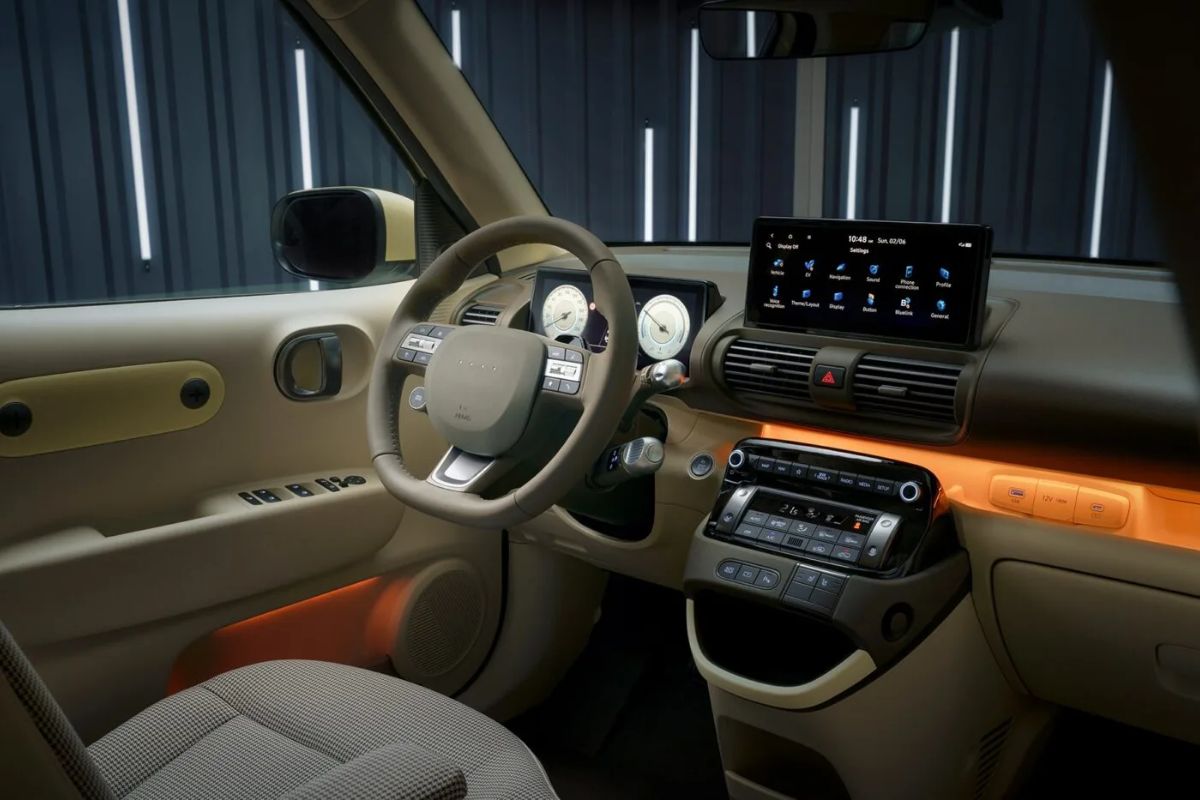
The New Popular Electric From Hyundai, Identified As HE1i, Camouflaged In Tests And Promises To Join The Ioniq Family With Less Than Four Meters, Elevated Posture And Longer Wheelbase. The Strategy Targets The BYD Dolphin Mini And Tries To Halt The Chinese Offensive In Brazil, Without Revealing An Official Price Yet.
The new popular electric from Hyundai has caught the attention of the Brazilian market for a simple reason: it is designed with a focus on volume and price, exactly the territory where the BYD Dolphin Mini gained traction. The project has not yet been confirmed for Brazil, but the technical package suggests a direct competition for those looking for an urban electric without moving up a category.
The movement is led by Hyundai, which is testing the model in India under the codename HE1i and positioning it as an entry point for a new phase of the Ioniq family. The central point is not just to launch another car, but to calibrate cost, design, and battery to compete with the Chinese offensive without losing margin.
What Is The HE1i And Why Did It Become An Entry Bet

The HE1i is the internal name of the project that Hyundai is testing in India and that is expected to give rise to a new member of the Ioniq family, possibly called Ioniq 1 or Ioniq 2.
-
A French brand placed a car on four huge red balloons to prove that its suspension made the vehicle “float,” and the surreal scene became one of the most iconic and unusual images in automotive history.

-
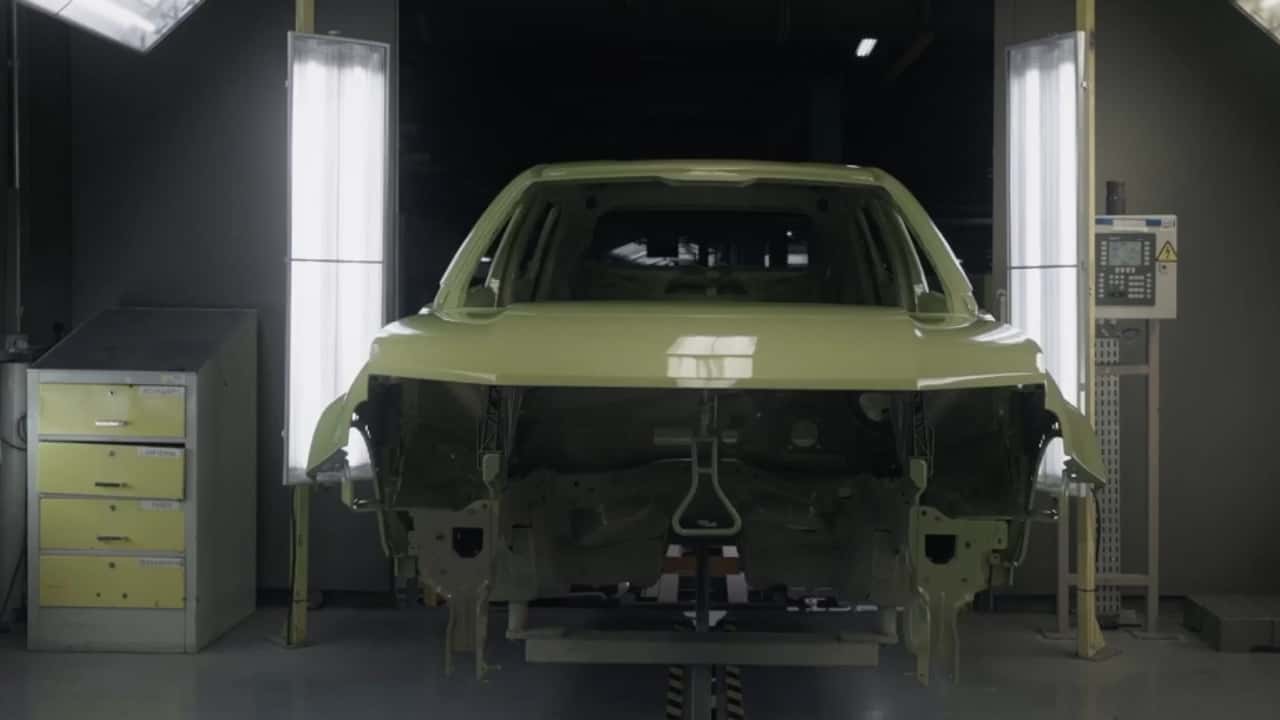
Jeep Avenger begins production in Brazil, debuting as the brand’s new entry-level SUV and inaugurating an unprecedented phase by becoming the first national Jeep manufactured outside of Goiana, as part of a R$ 3 billion plan.
-
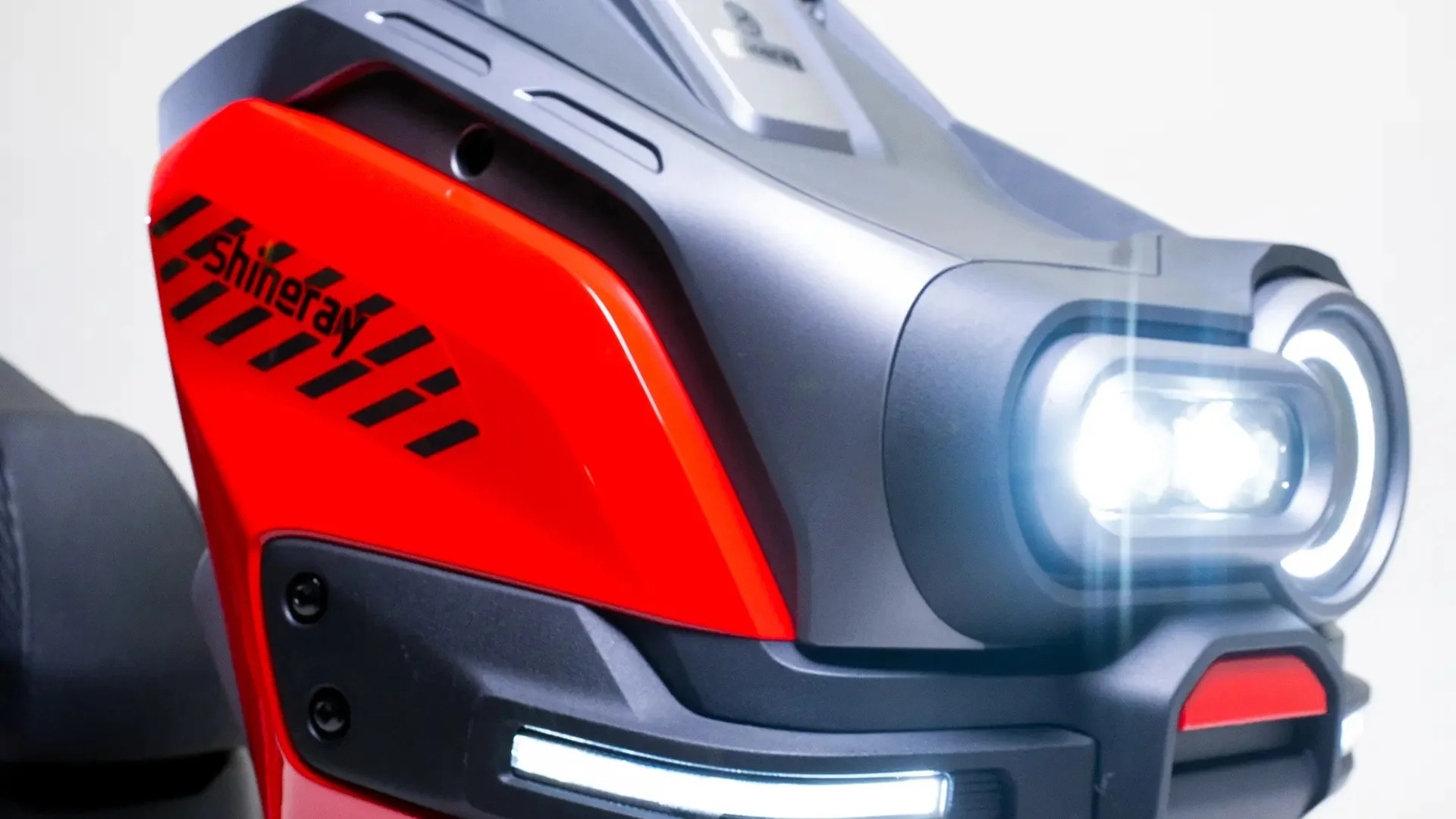
Costing R$ 12,490, the new Shineray Urban Lite 150 “cheap one” arrives in Brazil with a CVT transmission, digital dashboard, and LED lights, making it more affordable than the Biz and targeting those who want to abandon the bus.
-
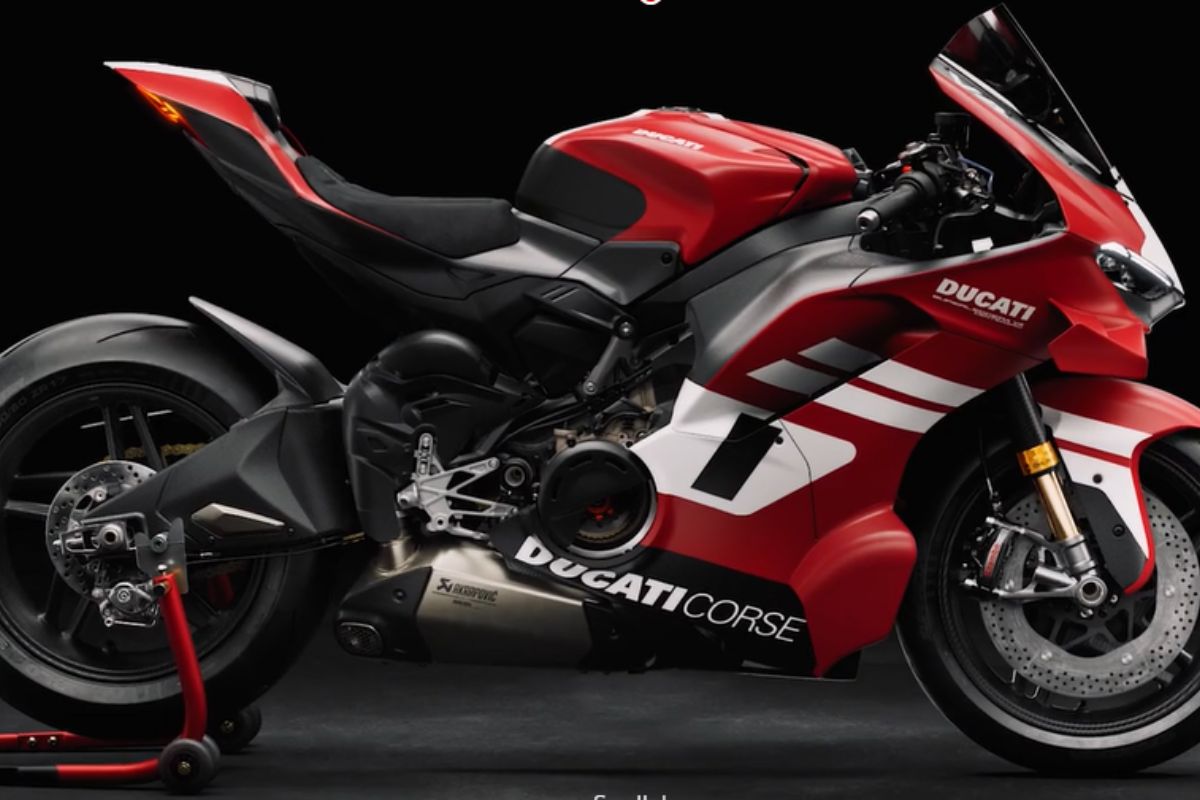
Ducati brings to Brazil the Superleggera V4 Centenario: 228 hp that become 247 with a track kit, carbon fiber and carbon-ceramic brakes, estimated price between R$ 1.5 and 2 million, deliveries only in 2027.

The choice of a development focused on compact cars indicates a clear reading of the moment: the entry segment has become the battleground for electric cars, and those who arrive late pay dearly in market share.
For Brazil, the discussion revolves around fitting the product, not promises.
The new popular electric from Hyundai appears as a response to consumers wanting a smaller, urban car with utility vehicle styling but without transitioning to larger SUVs.
The movement also aligns with BYD’s growth in the country, which has accelerated the competition for price, offering, and perceived value.
Square Design, Short Size And The Decision For A “Robust Urban”
The project is described as a compact car with less than four meters in length, similar in size to a Chevrolet Spark EUV, but with a more robust visual proposal and SUV-inspired lines.
This more “square” design, combined with elevated posture and a longer wheelbase, is a decision that directly impacts the experience: more useful space, better height perception, and a car that seems bigger than it is.
This set also differentiates the new popular electric from Hyundai from the Hyundai Inster, a compact electric launched in 2024.
By betting on straighter lines and higher proportions, Hyundai signals that it wants to cater to consumers who associate affordable electric cars with “too small a car.”
In the urban segment, perception matters just as much as technical specifications.
LFP Battery And Price As The Variable That Determines The Game
The expectation is that the new model will use lithium iron phosphate batteries, known for their lower cost and greater durability.
In practice, the choice of battery chemistry is a piece of industrial strategy: it defines a significant part of the vehicle’s cost and influences the possible positioning, especially when the ambition is to compete for volume.
In Europe, the expected positioning is below 20,000 euros, a range considered strategic to increase presence in the entry segment.
For Brazil, the price has not been disclosed, and this silence is part of the calculation: launching a number too early can hinder perception or create an immediate comparison with rivals before the product is finalized.
What matters now is to understand that Hyundai is designing the car to fit the price, not trying to “force” a price later.
BYD Dolphin Mini In The Target And The Logic Of Portfolio Warfare
The rise of Chinese automakers, especially BYD, has become a structuring factor in the Brazilian electric market.
The Dolphin Mini has established itself as the entry reference, and it is against this reference that the new popular electric from Hyundai seeks to position itself, offering an urban package with an adventurous appearance to capture the same public that prioritizes accessibility.
The competition, however, is not resolved solely by “who is cheaper.”
It involves network, replacement, delivery pace, version strategy, and how each brand finances its expansion.
When an electric becomes a mass product, the differentiator can be cost engineering and launch discipline, not just autonomy or acceleration.
What The Crater Concept And The Acronym XRT Reveal About The Next Phase
In addition to the compact, Hyundai presented the Crater Concept at the Los Angeles Auto Show, an electric SUV with an off-road proposal that anticipates the evolution of the XRT line.
Executives indicated that XRT could cease to be just a version and become a sub-brand focused on vehicles with greater off-road capability, suggesting a clearer segmentation of the electric portfolio.
Recent images from South Korea also show a camouflaged electric SUV that may signal future updates, including a possible new generation of the Kona EV or renewed versions of the Creta in emerging markets.
This backdrop helps to read the new popular electric from Hyundai as part of a larger board: a budget car to hold volume and a more robust line to defend margins and image.
The new popular electric from Hyundai is being assembled as a direct response to a market that has shifted its focus: today, the electric that sets trends is one that fits within budget and daily use, not one that impresses with luxury.
The “invisible” detail that decides the competition is the combination of perceived SUV design, LFP battery, and aggressive positioning, with Brazil as a likely target, but still without confirmation.
If this car comes to Brazil, what factor would weigh more in your decision between Hyundai and BYD: final price, brand trust, type of LFP battery, or the fact that it is a compact with an SUV look? And what would honestly be the maximum amount you would pay for an urban electric of this size today?









-

-

3 pessoas reagiram a isso.