





 Portuguese
  English
  Spanish
  3 min of reading
  0 comments


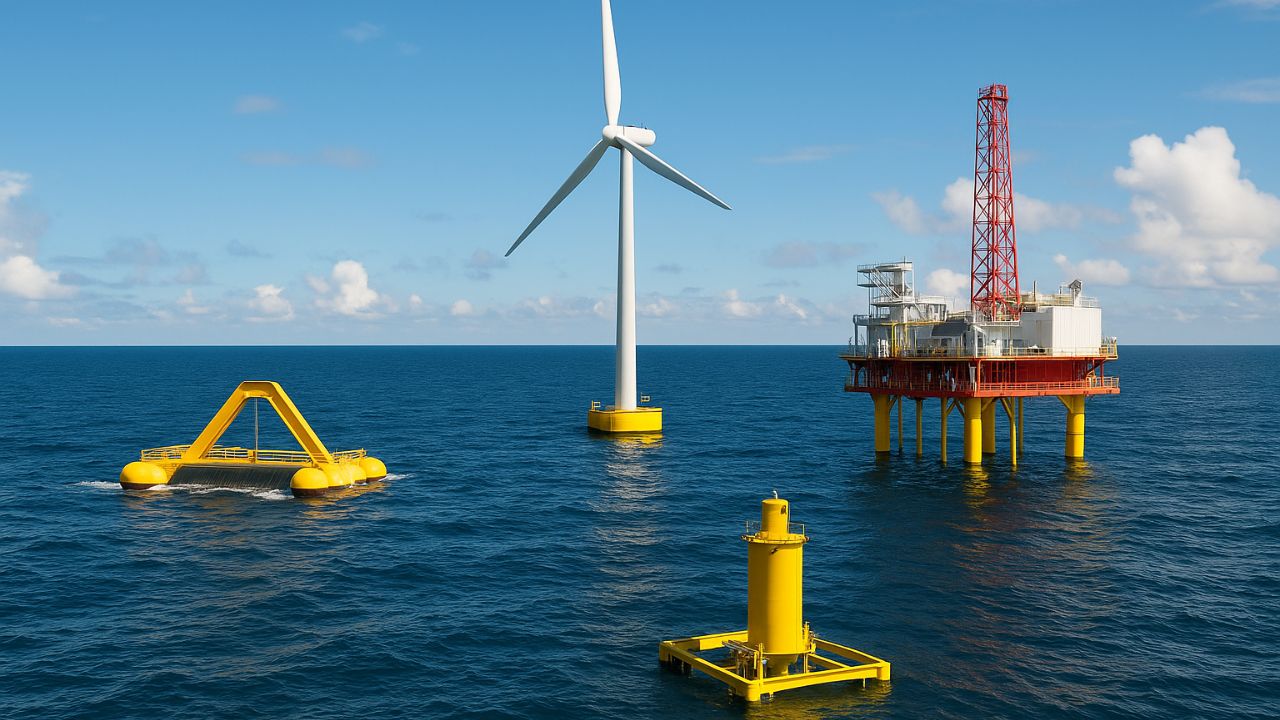
INPO Center Drives Offshore Technologies and Transforms Seawater into Renewable Energy, Expanding Brazil’s Potential.
Brazil has taken a strategic step in the production of renewable energy by announcing, through the National Institute of Oceanic Research (INPO), the creation of the Thematic Center for Renewable Ocean Energy – Blue Energy.
The initiative, which will be implemented in the coming months, arises after the institute won a Finep grant of approximately R$ 15 million.
The project will be based at research facilities in the country and aims to develop technologies capable of generating sustainable energy from seawater and the offshore environment, boosting sectors that seek to reduce emissions and increase their energy efficiency.
-
Researchers discover a possible hydrogen deposit of up to 46 million tons beneath an ancient coal basin, and the volume could exceed half of the entire global production.

-
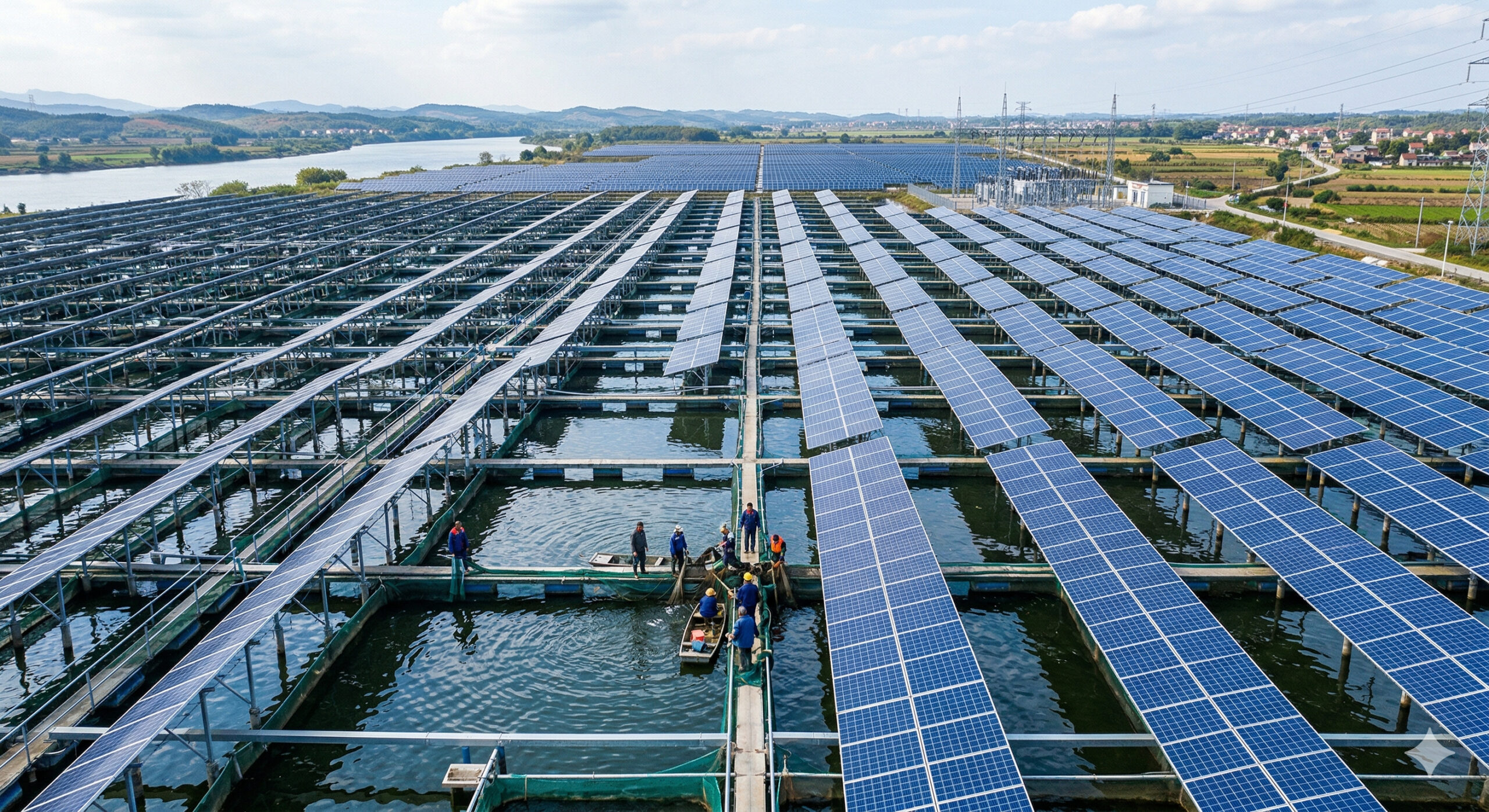
China bets on the Fishery-PV model and transforms fish farms into giant solar plants, covering ponds with panels that generate energy while utilizing the same space for large-scale aquaculture production.
-
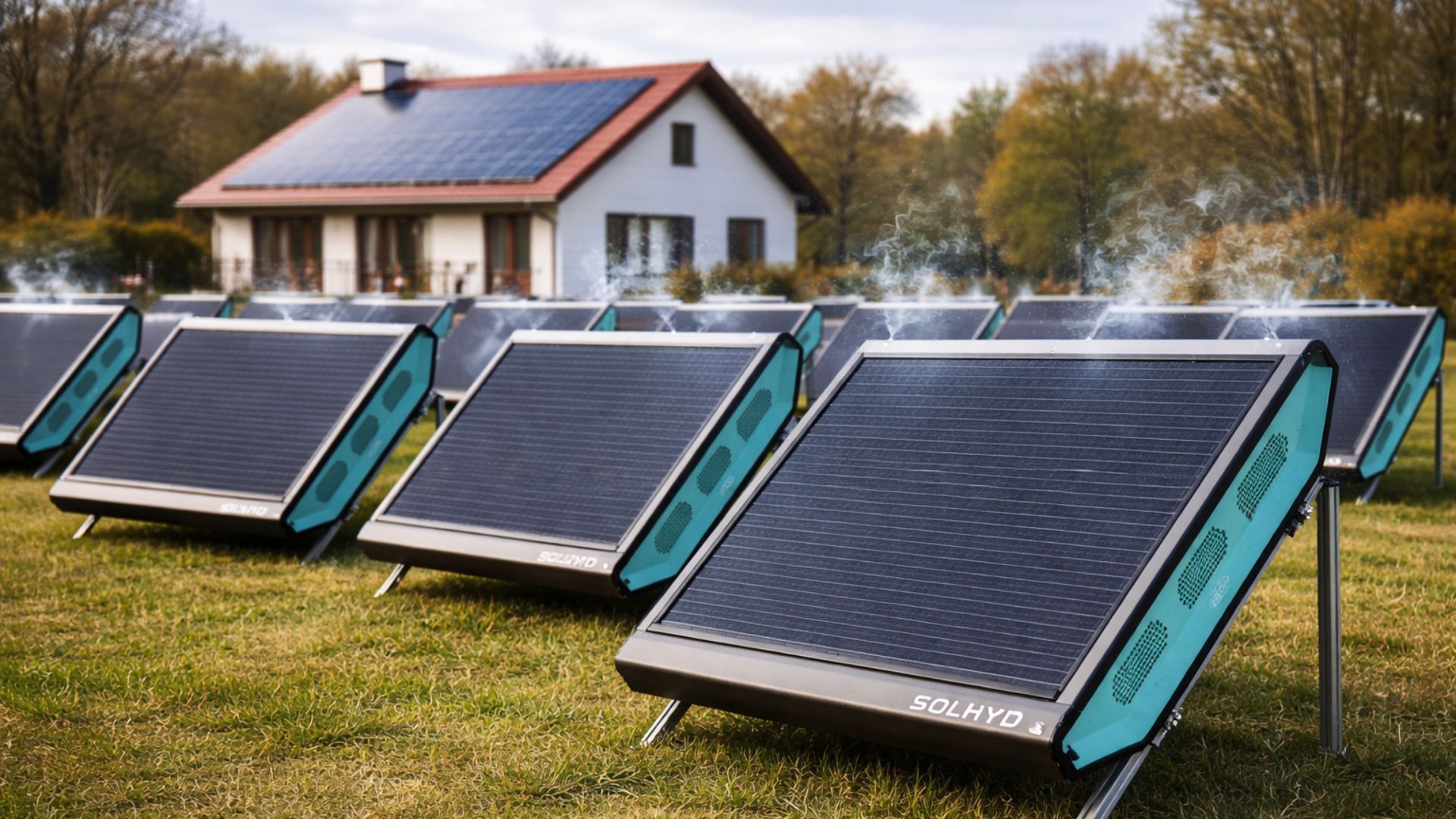
Green hydrogen at home: Belgium launches new technology that makes solar panels produce fuel from the moisture in the air, which could boost the energy transition.
-
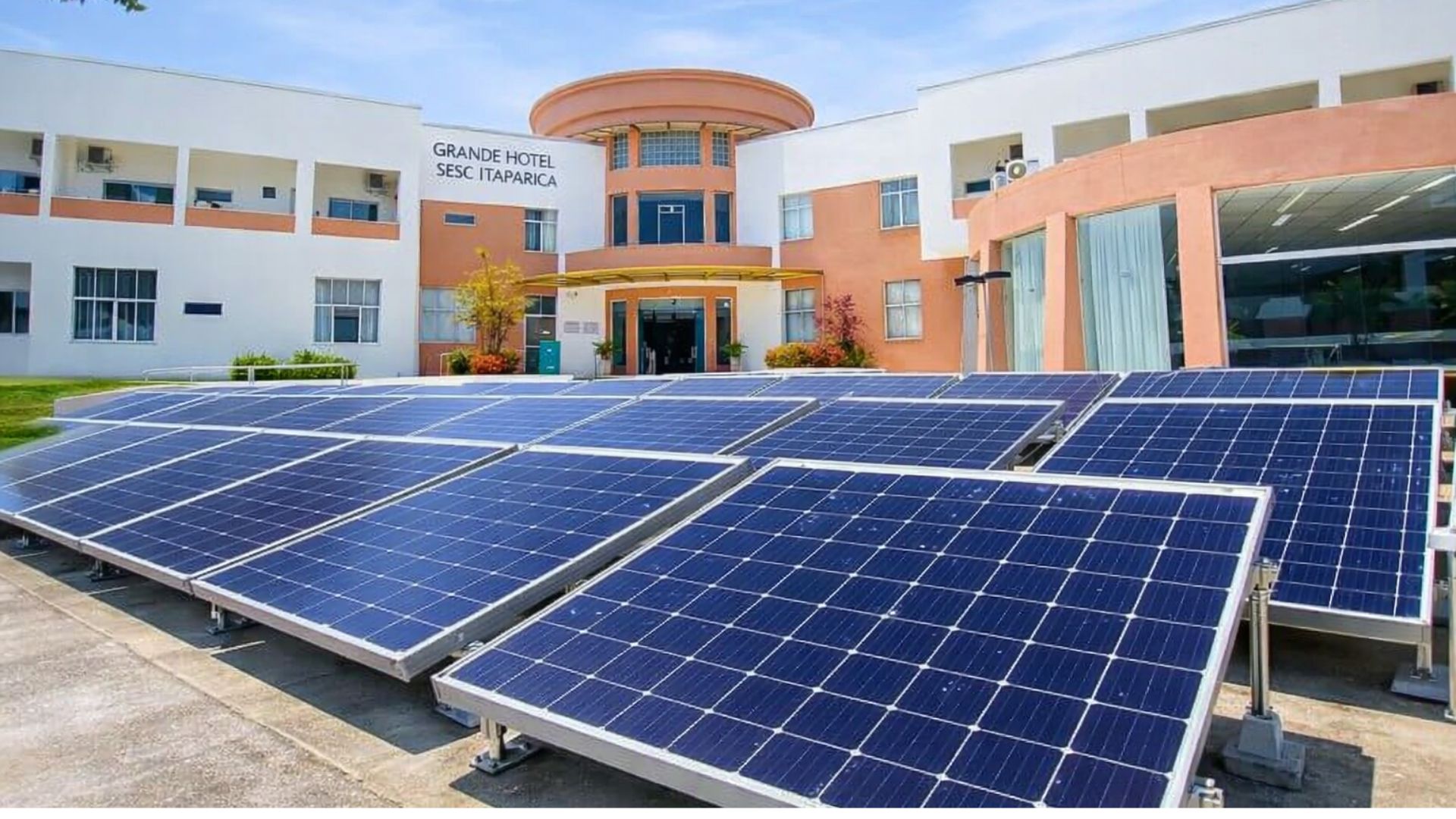
Sesc-BA bets on renewable energy with the support of EDP and drives the energy transition with a direct impact on cost reduction and the sustainability of its operations in Bahia.

The goal is to apply, even in this initial phase, four innovative solutions: wave energy conversion, tidal current utilization, ocean thermal energy conversion (OTEC), and green hydrogen production.
All will be directed towards the production of renewable energy offshore and could serve industries facing significant challenges in decarbonization.
Offshore Renewable Energy Can Reduce Emissions in Hard-to-Abate Sectors
According to INPO, the expectation is that the new technologies will reduce emissions in areas such as oil and gas, steelmaking, fertilizers, transportation, and cement.
Today, many platforms use turbines powered by natural gas; with the advancement of ocean energy, part of this generation may migrate to clean sources produced directly at sea.
The institute’s general director, Segen Estefen, highlights the strategic nature of the project:
“The availability of renewable resources in the ocean and Brazil’s experience in offshore activities are important differentiators. We can turn the ocean into a strategic ally in the energy transition, producing electricity, hydrogen, and desalinated water sustainably,” he states.
Training of Specialists and Research Grants Strengthen the Sector
Of the total invested, R$ 4.3 million will be allocated to scholarships for master’s, doctoral, and post-doctoral programs. Research will occur in partnership with four institutions: UFRJ, UFPA, UFPE, and FGV.
The intention is to expand scientific knowledge and increase the number of professionals specialized in renewable ocean energy.
In addition to training talent, INPO is working on an experimental front that simulates the generation of green hydrogen from desalinated seawater through electrolysis.
This process transforms electrical energy into chemical energy and seeks to address the typical intermittency of offshore wind energy, providing more stability to the electrical system.
Brazilian Potential: 250 GW in Offshore Wind Projects Awaiting Licensing
Currently, approximately 250 gigawatts in offshore wind projects are under analysis by Ibama.
If only 20% of this volume is implemented, Brazil could add 50 gigawatts to its electric matrix — nearly a quarter of the current installed capacity.
Among the technologies to be developed at the new center is a turbine capable of harnessing tidal currents both in the ocean and in rivers with continuous flow.
Estefen explains the advantage:
“Even small turbines can achieve high installed capacity. This allows clean and continuous energy to be delivered to isolated communities, solving a historical problem of access to electricity,” says the director.
Innovative Equipment Promises to Transform the Use of Seawater into Energy
The project includes four main pieces of equipment:
wave converter;
OTEC system based on the Rankine cycle using ammonia;
offshore green hydrogen production module;
turbine for tidal currents.
Each technology will be designed, built, and tested in the laboratory and operational environment until it reaches the pilot project stage, ready for installation at sea.
Estefen states that the Blue Energy Center will be crucial in maturing the solutions:
“Offshore renewable energies are currently in the pre-commercial phase, which requires advancements in technology readiness levels (TRL). The Energy Center will operate precisely at this intermediate stage, enabling proof of concept and detailed project design for real-scale application.”
Blue Energy: A New Sustainable Horizon for Brazil
At the end of the program, each technology will have its own pilot project ready for installation at sea, enabling Brazil to move towards a new model of renewable energy based on the sustainable use of seawater.
The initiative strengthens the country’s position as a global reference in offshore solutions and increases INPO’s role in the development of clean technologies.









Seja o primeiro a reagir!