





 Portuguese
  English
  Spanish
  6 min of reading
  4 comments





In The Death Pension From INSS, A Partner In A Stable Union Has Presumed Economic Dependency And Can Secure The Benefit And Arrears Even After Denial.
The death pension is one of the most important benefits from INSS for those who lose a partner, but it is also one of the most unduly denied. In many cases, INSS requires that the partner prove the so-called economic dependency, as if it were an obligation to demonstrate financial need for the deceased person. However, for some dependents, the law states exactly the opposite: economic dependency is presumed and cannot be required as a condition for the granting of the death pension.
In a recent decision, the Justice confirmed that the partner in a stable union is entitled to the death pension from INSS without proof of economic dependency, recognized the pension as lifelong because the beneficiary was over 44 years old and also ordered the payment of all arrears since the date of death, with interest and correction. This case shows, in practice, that just because INSS said no, the right does not cease to exist.
Stable Union And Economic Dependency: What The Law Really Requires
The social security legislation makes it clear that, for some dependents, it is not necessary to prove economic dependency. This is the case for:
-
The noise law will no longer be in effect at 10 PM starting in June with a new rule valid during the 2026 World Cup.

-
The Chamber opens a debate on driver’s licenses at 16 years old as part of a reform that includes around 270 proposals to change the Brazilian Traffic Code and may redesign rules for licensing, enforcement, and circulation in the country.

-
The new Civil Code could revolutionize marriages in Brazil with “express divorce” and changes that could exclude spouses from inheritance.
-
Banco do Brasil sues famous influencer for million-dollar debt and intensifies debate on delinquency, risks of seizure, and direct impact on Gkay’s credibility.


- spouse
- partner in a stable union
- child under 21 years of age
- child over 21 years old with disability or physical, mental, intellectual, or sensory impairment
For these dependents, economic dependency is presumed, meaning the law assumes that this person was financially dependent on the insured. Law 8,213, Decree 3,048, and the INSS normative instructions recognize this.
What needs to be proven, in the case of a partner, is the stable union. You do not need to prove economic dependency, but you must prove that you were in a stable, public, and lasting relationship, as if it were a marriage.
What To Prove To Have The Right To The Death Pension As A Partner

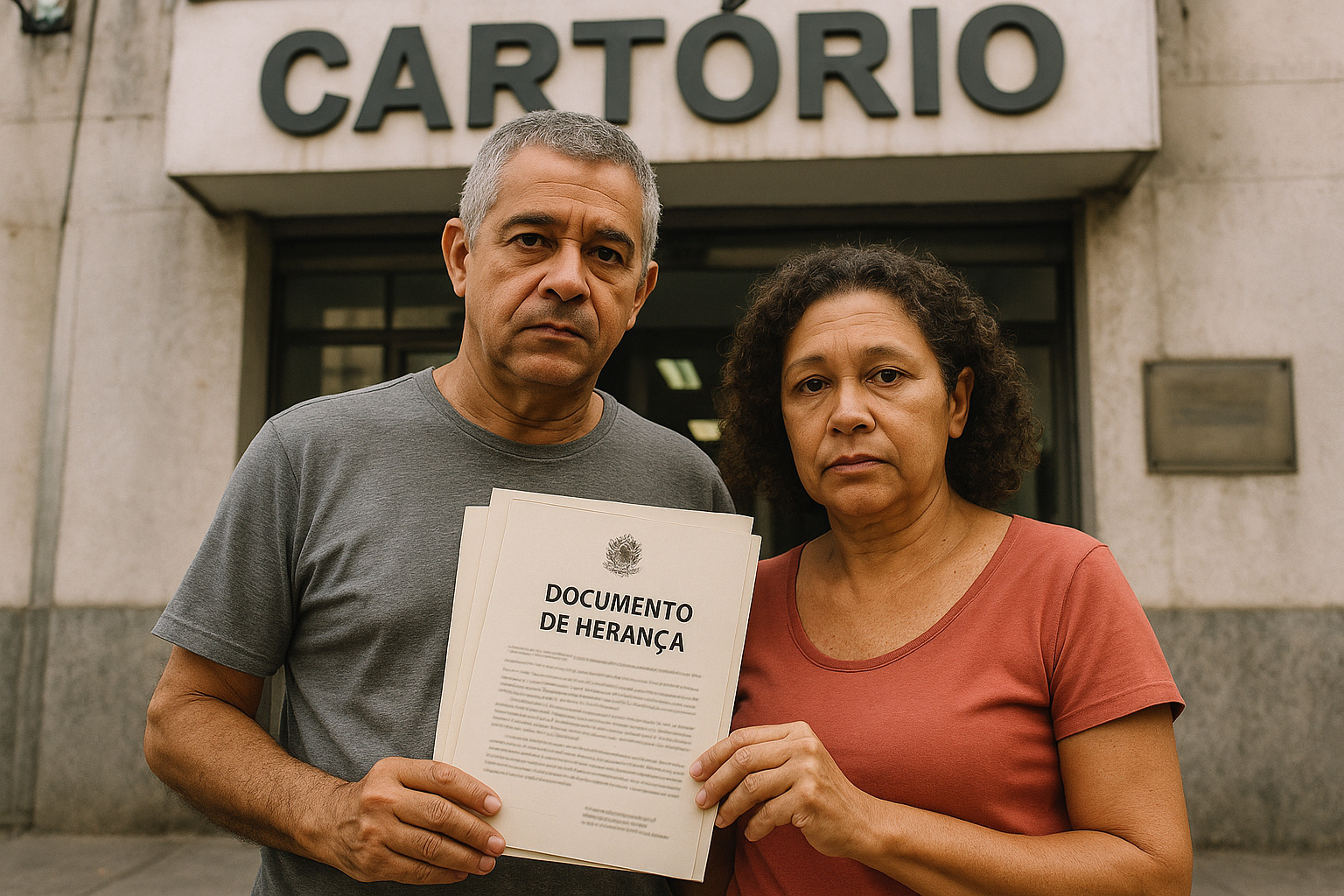
If the focus is not economic dependency, what is the central point of analysis for INSS and the Justice in these cases? The answer is: the stable union and the insured status of the deceased person.
In the case of the partner, the Justice usually looks at two main points:
- Contribution Time of the Deceased Insured
The deceased needs to have at least 24 months of contribution to INSS for the partner to have a more secure right to the death pension, especially in the case of a lifelong benefit. - Evidence of the Stable Union
This includes everyday documents that show the couple had a shared life, such as:- utility bills, water, or other services at the same address
- correspondence at the same property in both names
- birth certificate of a child together
- school enrollment of the child with both parents’ names
- photos, medical appointment records, health plans, contracts, or registrations in which one is listed as the dependent of the other
In addition, witness testimonies are fundamental. People who lived with the couple and can confirm that they lived together, shared expenses, and participated in family and community events help a lot to demonstrate the stable union.
The Real Case: INSS Denied The Death Pension And Justice Reversed It
In the case used as a basis, a partner requested a death pension from INSS after the partner’s death. She did everything correctly: submitted the request, requested administrative justification for INSS to hear witnesses, and brought all possible documentation to prove the stable union.
Even with all this, INSS did not hear the witnesses, did not analyze the evidence as it should, and denied the death pension.
The implicit message was clear: without more documents and refusing to hear those who knew the couple, the agency ignored the stable union and the partner’s right.
In light of the denial, this partner did not give up. She filed a lawsuit, explained to the judge that she lived for years with the insured, said they had children together, and requested that her witnesses be heard.
At the hearing, the witnesses were emphatic. They stated that the couple:
- lived in the same house
- shared household expenses
- attended church, parties, and meetings always together
- lived, in practice, as if they were married
One of the witnesses even said that she thought they were actually married. In other words, the stable union was so clear that, from an outside perspective, it looked like a marriage with a certificate.
How The Court Recognized The Stable Union And The Death Pension
In light of so much evidence, the judge concluded that the relationship met all the requirements of stable union, even without formal marriage.
Documents such as bills at the same address, birth certificate of the child together, and school enrollment showing both parents’ names reinforced the scenario of a formed family.
The judge then decided to grant the death pension to the partner, recognizing that:
- there was a stable union
- there was insured status
- economic dependency was presumed and did not need specific proof
INSS appealed, took the case to court, and tried to maintain the denial. However, the court was direct:
- it recognized that INSS had every opportunity to defend itself in the administrative process
- emphasized that the partner requested administrative justification and the agency did not hear the witnesses
- highlighted that, in light of all the evidence in the case, there was no reason to deny the right
The outcome was even stronger than the first-instance decision. The court not only upheld the death pension but also guaranteed:
- lifelong death pension, because the partner was over 44 years old
- payment of all arrears since the date of death, with interest and monetary correction
In summary, a partner in a stable union can indeed secure a death pension from INSS without proving economic dependency, and still receive everything that was missed since the death of the insured.
How To Organize To Not Lose The Right In The Future
Even with presumed economic dependency, it is essential that the partner organizes in advance. If you live in a stable union, it is worth:
- keeping utility bills where the address is the same for both
- maintaining registrations in banks, health plans, and other services indicating the partner as spouse or significant other
- keeping school documents of the children with both parents’ names
- whenever possible, formalizing the stable union in a public deed or private contract, even if this is not required
The sooner you organize these documents, the easier it will be to prove the stable union if you ever need to request a death pension from INSS.
What To Do If INSS Denies The Death Pension
If INSS denies the death pension claiming lack of economic dependency in the case of a partner in a stable union, it does not mean that the right is lost. In practice, it may just be the beginning of the fight.
Some important steps:
- Carefully read the denial letter
Check what reason was given by INSS. Often, the text speaks of lack of proof of economic dependency or lack of documentation of the stable union. - Gather all documentation that proves the stable union
If you do not have everything organized, start collecting what is possible: bills, contracts, address proofs, children’s documents, health plan statements, among others. - Consider seeking a lawyer specialized in social security
A social security lawyer can analyze the case, verify if there was a failure by INSS, and guide you on appeal or legal action. - Do not accept the first denial as a final definition
The real case shown here proves that Justice can recognize the death pension and correct errors by INSS, including determining lifelong pension and payment of arrears.
If you are a partner in a stable union, do not let the fear of denial prevent you from asserting your rights.
Have you had, or do you know someone who has had, death pension denied by INSS even while living in a stable union as a partner? Share your experience in the comments.









Depois de25 anos recebendo pensão do companheiro , pai de minha filha (já morto) o INSS decidiu dizer que estou fraudando . Vivi com ele por 19 anos , ainda era jovem , agora estou velha com 66 anos a ponto de perder o único salário que tenho para viver …
Meu companheiro faleceu, eu não tinha união estável nem tenho filhos com ele, vivemos 20 anos agora ele faleceu e não tive direito a nada a mãe e às irmãs é que ficaram com tudo até o seguro dele elas receberam
A minha mãe está na luta pelo direito da pensão. Pois meu pai faleceu tem 3 anos e o juiz está negando todos os pedidos mesmo com as provas que minha mãe sempre foi dependente dele. Outro ponto minha mãe é analfabeta então não não era possível fazer muito com questão de contas no nome dela e compras. Acho uma injustiça o juiz negar. Pois minha mãe vive apenas com 600 reais que o governo ajuda.