





 Portuguese
  English
  Spanish
  4 min of reading
  6 comments


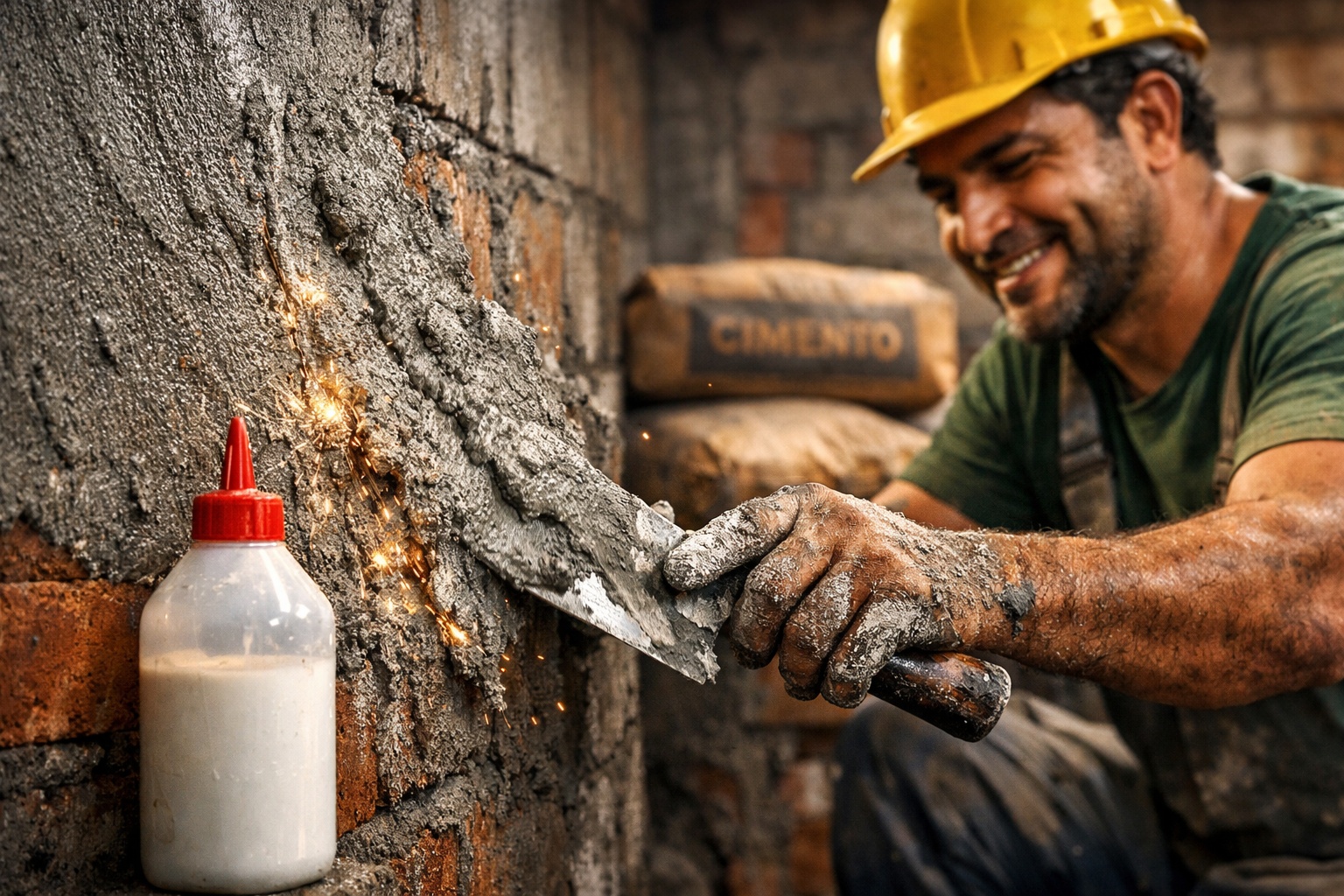


Does Mixing White Glue with Cement Increase Adhesion and Reduce Cracks? Understand When the Technique Works, Its Technical Limits, and Structural Risks.
In residential construction and small renovations in Brazil, it’s relatively common to hear the recommendation to add white glue to the mixture of cement or mortar. The practice, transmitted among bricklayers and foremen, promises to improve adhesion, reduce cracks, and increase resistance. But what really happens when white glue, usually PVA-based (polyvinyl acetate) — is incorporated into the cement?
The answer requires understanding the chemistry of polymers, the behavior of Portland cement, and the technical limits of this artisanal adaptation.
What Is White Glue and How Does It Interact with Cement?
The so-called “white glue” sold commercially is largely composed of PVA, a thermoplastic polymer dispersed in water. When applied alone, it acts as an adhesive after the evaporation of water, forming a flexible film.
-
The lack of welders, electricians, and operators becomes a structural threat in 2025, with the construction industry and manufacturing already suffering from delays, cost pressures, and labor shortages in Brazil.
-
Brazil and Paraguay are just 46 meters away from a historic union on the bioceanic bridge that promises to revolutionize trade between the Atlantic and the Pacific.

-
With 55 km over the sea, a cost of US$ 20 billion, and enough steel to build 60 Eiffel Towers, China’s largest project has connected Hong Kong, Zhuhai, and Macau in a colossal bridge that defies the logic of engineering.

-
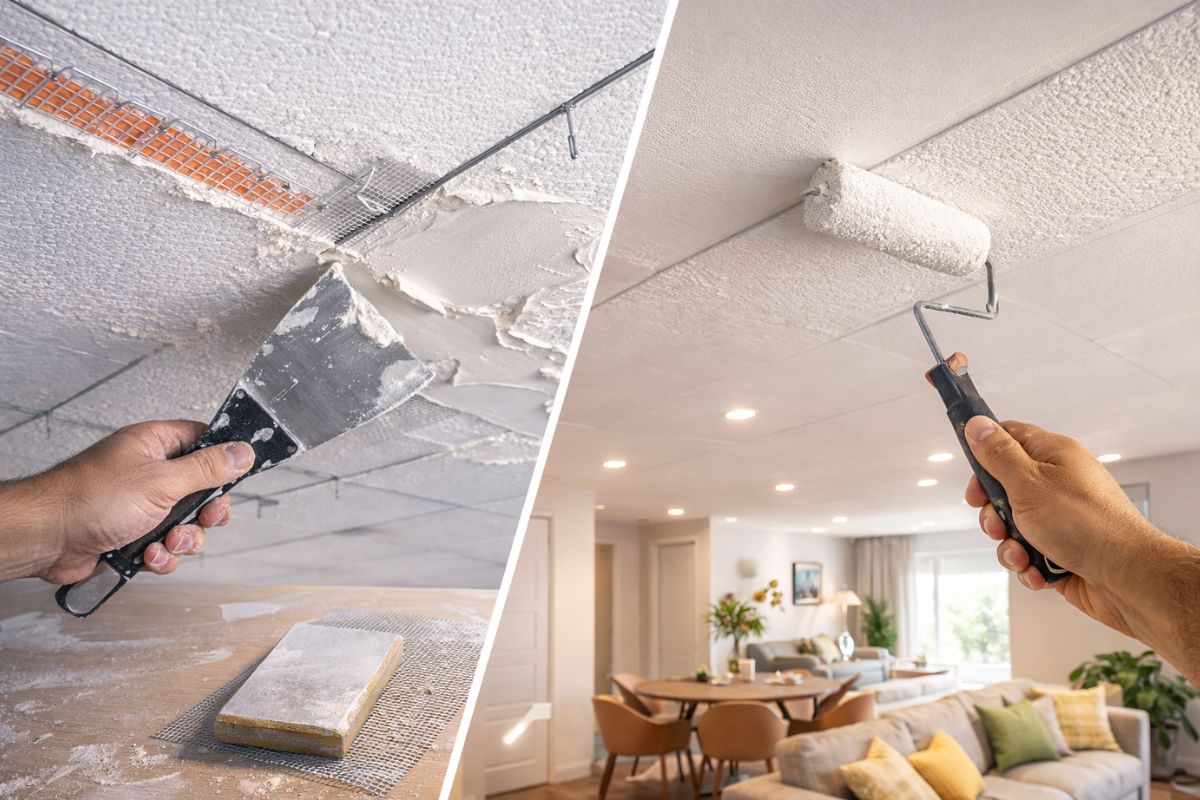
A trick with joint compound transforms a Styrofoam ceiling into a plaster-like ceiling: leveled panels, wires and mesh at the joints, sand, paint, and change the environment while spending little today.

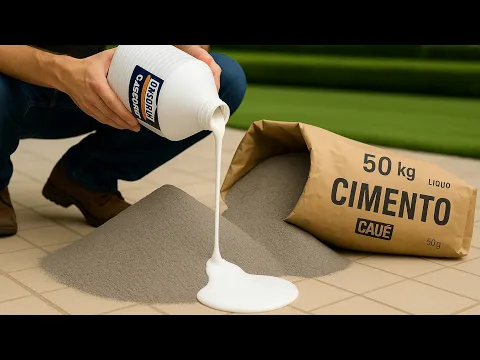

On the other hand, Portland cement hardens through hydration, a chemical process in which tricalcium silicate and other compounds react with water to form crystals that provide structural strength. This reaction does not depend on evaporation but on a chemical transformation.
When white glue is added to the mortar, PVA begins to act as a polymer modifier. In simplified terms, the polymer creates a complementary matrix that can improve cohesion and surface adhesion of the mixture, especially in applications such as thin coats, plastering, and small repairs.
In the industry, there are specific products known as polymeric mortars or latex-modified mortars that use polymers formulated for compatibility with cement. The technical concept, therefore, is not absurd. The question is whether common white glue has the appropriate formulation for structural use.
When the Technique Can Work
In applications with low structural responsibility, such as the installation of ceramic coverings or small surface repairs, a moderate addition of PVA may improve initial adhesion and reduce detachments.
This occurs because the polymer forms a film that increases the adhesive capacity between the mortar and the substrate. It can also help reduce micro-cracks due to shrinkage, as the polymer film offers some flexibility to the hardened mixture.
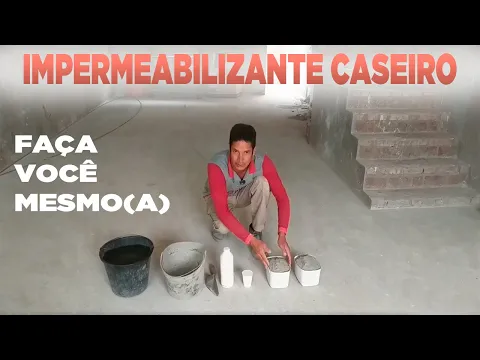
It is important to note that the effect does not transform cement into a structurally superior material. It only alters characteristics such as surface adhesion and cohesion.
Some manufacturers even market “adhesive additives for mortar” that have a similar composition, but are specifically formulated for use with cement.
Technical Limits and Structural Risks
Despite the possible benefits in small applications, there are clear limits. Common white glue is not formulated for extreme alkaline environments, such as those generated by cement hydration. The pH of fresh mortar can exceed 12, which may degrade certain types of PVA over time.
Additionally, indiscriminate addition may alter the water/cement ratio, compromising mechanical resistance. If there is excess polymer or water, the compressive strength may be reduced.
Another critical point is durability. In external environments subject to thermal variations and constant humidity, the performance of an improvised mixture may be inferior to that of industrialized mortars modified with appropriate polymers.
Brazilian technical standards, such as those from ABNT, do not recommend the use of common white glue as a structural additive. For applications that require certified performance, the use of industrialized additives with technical specifications is the appropriate path.
Difference Between Improvised Solution and Industrial Technology
It is important to separate empirical practice from validated technology. The construction industry has been using specific polymers for decades such as acrylic latex or styrene-butadiene to modify mortars and concretes.
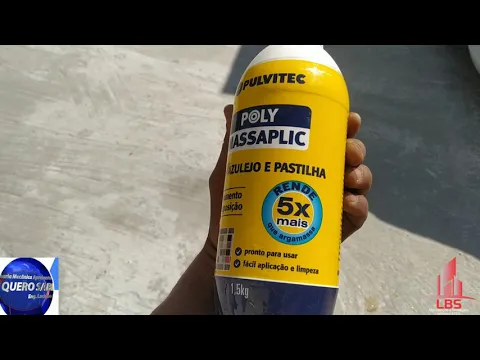
These products undergo tests for compressive strength, tensile strength, adhesion, and durability. Commercial white glue, on the other hand, is not designed to meet structural standards.
Therefore, although the chemical principle of adding polymer to the mortar is valid, improvisation with common white glue does not replace certified technical additives.
Does the Technique Really Work?
The answer is: it depends on the application.
For small repairs, plastering, and light installations, the mixture may improve adhesion and reduce initial detachments. However, for structural elements like beams, columns, or slabs, the practice is not recommended and may compromise mechanical performance.
The idea that white glue “increases cement strength” overall is an exaggeration. Cement already has strength determined by its composition and water/cement ratio. Glue may alter surface properties but does not transform a common mortar into high-performance structural concrete.
Why Did the Practice Become Popular?
The popularity in Brazil may be linked to the relatively low cost of white glue and the ease of access in construction material stores. In informal construction, the search for quick and cheap solutions drives practical adaptations.
Furthermore, positive experiences in small applications reinforce the perception that the technique “works,” even without formal technical backing.
This informal construction culture coexists with the advancement of increasingly specialized industrial products.
It Is Not a Practice Totally Lacking Chemical Basis, But It Is Also Not a Miracle Solution
Mixing white glue with cement is not a practice totally lacking a chemical basis, but it is also not a miracle solution.
In technical terms, it is an improvised polymer modification that can improve surface adhesion, but it does not replace professional additives nor significantly increase structural strength.
Proper use depends on the context of the application and understanding of the limitations. In constructions requiring certified structural performance, the recommendation remains clear: use materials and additives specifically developed for that purpose.
The technique may work in certain scenarios, but like any empirical adaptation, it should be applied with caution and awareness of its technical limits.









Existe no mercado o material específico chamado bianco e curiosamente tem o mesmo cheiro da cola branca, a uns 30 anos usei vola branco porque o meu branco havia acabado, o Biznvo é da Baungarth.
Posso utilizar esta mistura de cola PVA e cimento para rejuntamento de tijolos ecológicos, interna e externamente?
Só vai gastar dinheiro a toa não resolve NADA.tem produtos específicos para mistura correta.se pedreiro fizer essa mistura é na verdade um RUÉLA não sabe nada.
Eu acho, que vc não entende nada do fala, e se fala em nome de algum fabricante de aditivos poliméricos, o texto deu a entender que se trata de um desespero por sobrevivência comercial.