





 Portuguese
  English
  Spanish
  5 min of reading
  7 comments


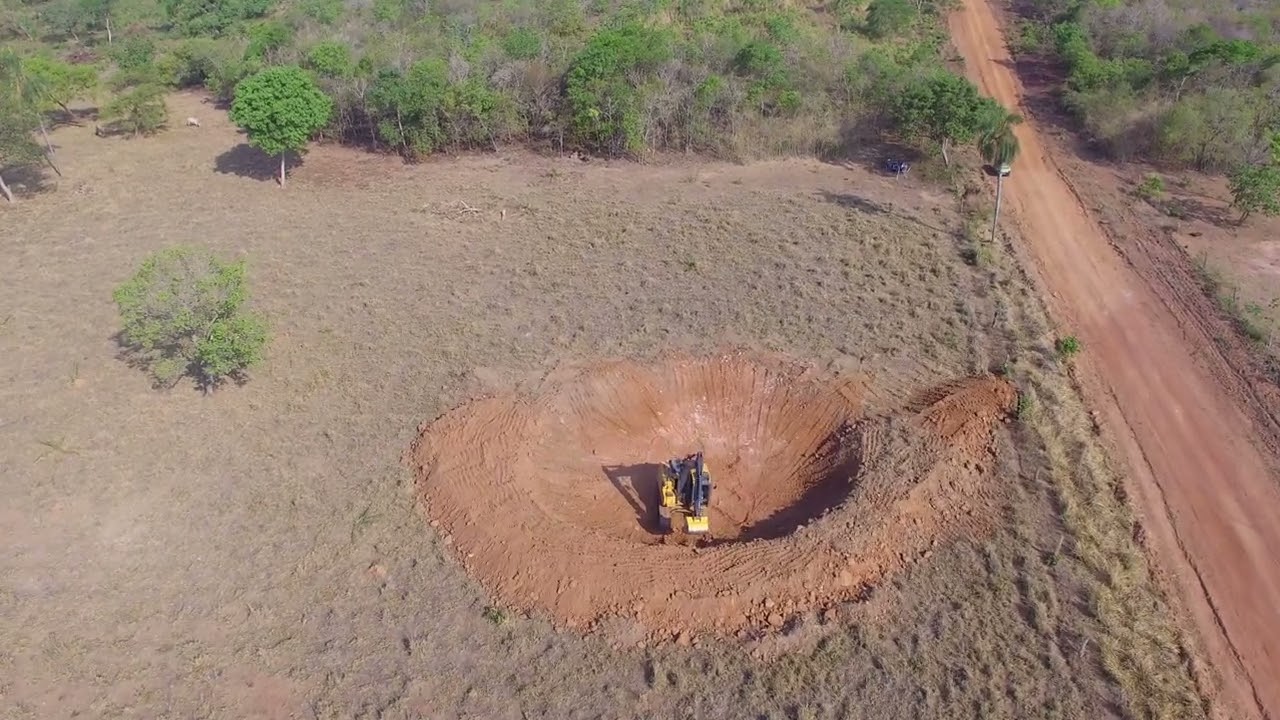


In The Brazilian Semi-Arid, Farmers Build Small Dams to Capture Rainwater, Ensure Local Irrigation, and Reduce Dependence on Rivers and Aquifers in Dry Years.
In Brazil, especially in the Northeastern Semi-Arid region, family farmers have been using a simple, low-cost, and proven solution to face water scarcity for decades: small dams, small reservoirs dug into the soil to capture and store rainwater. The technique began to be spread in a structured manner from the 1990s, with strong support from Embrapa Maize and Sorghum, headquartered in Sete Lagoas (MG), and later incorporated by public programs run by the Ministry of Agrarian Development (MDA) and organizations of civil society such as the Brazilian Semi-Arid Articulation (ASA).
The adoption of small dams gained even more relevance after the severe droughts recorded between 2012 and 2017, considered one of the longest in the recent history of the Semi-Arid. During this period, thousands of rural communities became dependent on rainwater capture technologies to maintain agricultural production and reduce dependence on increasingly pressured intermittent rivers and aquifers.
What Are Small Dams and How Do They Work in Practice
Small dams are small reservoirs dug into the soil, usually circular or semicircular in shape, built at strategic points in the rural landscape, especially in areas where surface runoff of rainwater occurs. Unlike traditional reservoirs, their main function is not to store large volumes of water on the surface for long periods, but to temporarily retain runoff, allowing water to slowly infiltrate the soil.
-
The sugar-energy sector advances with agricultural technology, but agricultural productivity still raises concerns.

-
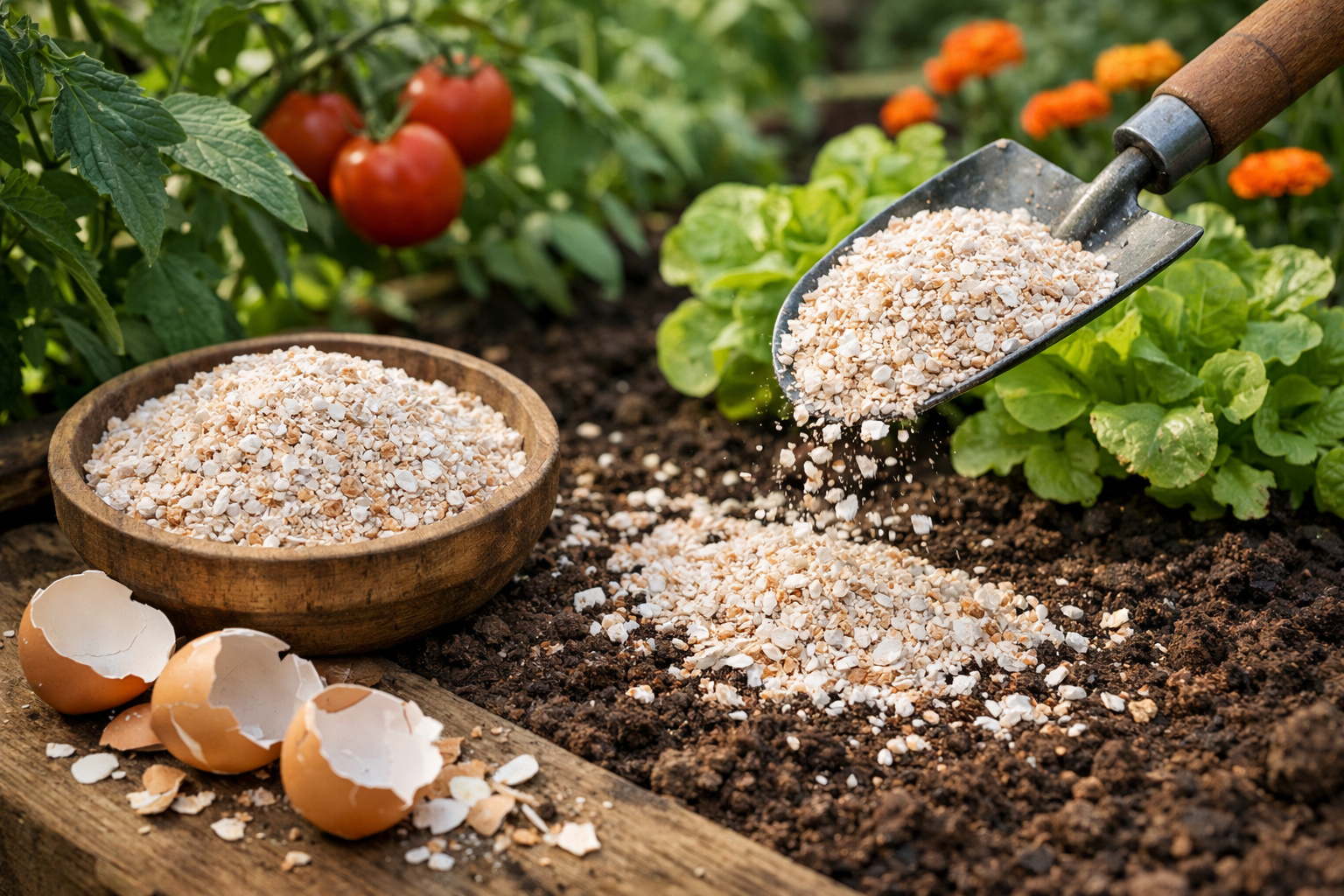
The eggshell that almost everyone throws away is made up of about 95% calcium carbonate and can help enrich the soil when crushed, slowly releasing nutrients and being reused in home gardens and vegetable patches.
-
This farm in the United States does not use sunlight, does not use soil, and produces 500 times more food per square meter than traditional agriculture: the secret lies in 42,000 LEDs, hydroponics, and a system that recycles even the heat from the lamps.

-
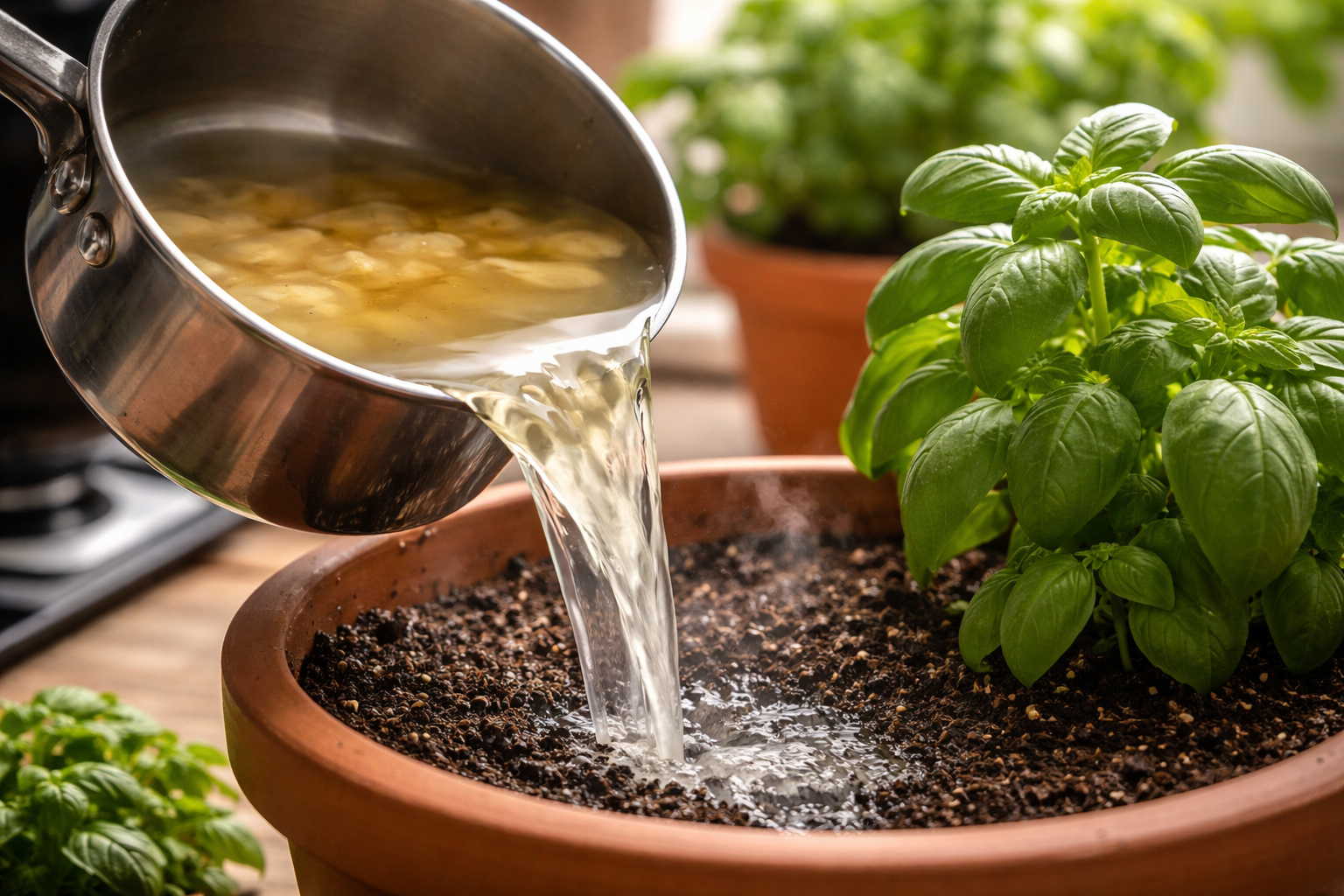
The water that almost everyone throws away after cooking potatoes carries nutrients released during the preparation and can be reused to help in the development of plants when used correctly at the base of gardens and pots, at no additional cost and without changing the routine.


According to technical publications from Embrapa Maize and Sorghum, the operation of small dams is based on simple principles of hydrology and soil conservation. By intercepting rainwater that would normally run off quickly, the reservoir reduces the flow speed, prevents erosion, and promotes the recharge of shallow aquifers, increasing the availability of moisture in the surrounding area for weeks or even months after rainfall events.
Where This Technology Is Applied in The Brazilian Semi-Arid
Small dams are widely used in states such as Minas Gerais, Bahia, Pernambuco, Ceará, Paraíba, and Rio Grande do Norte, both on family farms and in larger-scale agricultural production areas.
Projects coordinated by ASA document the adoption of the technique in hundreds of municipalities in the Semi-Arid, often integrated with other solutions for coexisting with a dry climate, such as cisterns for human consumption and small irrigation systems.
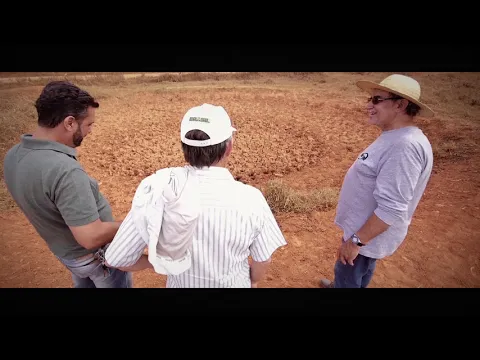
In Minas Gerais, especially in the regions of Northern state and the Jequitinhonha Valley, Embrapa has developed pilot projects since the late 1990s, demonstrating that simple excavation of small dams could recover temporary springs, improve soil moisture, and increase the productivity of subsistence crops.
Why Small Dams Reduce Dependence on Rivers and Aquifers
In the Brazilian Semi-Arid, most rivers are intermittent, flowing only part of the year. Aquifers, in turn, are often deep, saline, or difficult for family farmers to access. In this context, small dams offer a decentralized and local alternative that does not depend on large hydraulic works.
By favoring the infiltration of rainwater into the land, the technique allows moisture to be available close to cultivated areas, reducing the need to pump water from distant sources.
Technical reports from the Ministry of Agrarian Development indicate that properties that properly adopt small dams can maintain crops of corn, beans, cassava, and vegetables even in years of irregular rainfall.
Results Observed in Years of Prolonged Drought
During the drought that affected the Northeast between 2012 and 2017, various surveys conducted by ASA and by federal universities in the region pointed out that communities that had implemented small dams showed greater productive resilience.
Even with below-average precipitation, the soil in these areas maintained moisture levels higher than neighboring properties without the technology.
These results do not mean that small dams eliminate the impacts of drought but indicate that they significantly reduce water vulnerability, allowing farmers to navigate critical periods without total loss of production.
Integration with Small-Scale Irrigation
Although small dams are not irrigation systems in the classical sense, they act as water sources for complementary irrigation. In many properties, infiltrated water raises soil moisture levels enough to allow the use of simple techniques, such as hose irrigation, buckets, or low-pressure drip systems.
According to Embrapa, when associated with soil management practices, such as vegetation cover and contour planting, small dams further enhance their efficiency, creating more stable agricultural microenvironments even under adverse climatic conditions.
Costs, Simplicity, and Scalability of The Technique
One of the factors explaining the widespread diffusion of small dams in Brazil is the low implementation cost. In many cases, excavation can be done with simple machines or even manually, depending on the size of the reservoir.
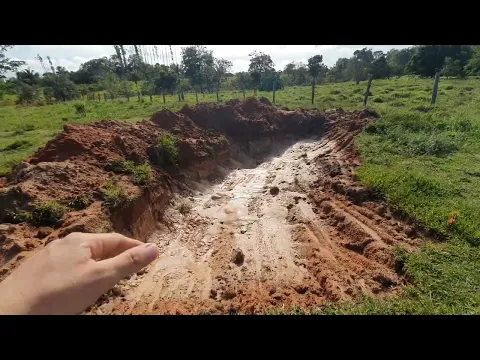
Public and community programs often use shared backhoes to build dozens of small dams in a single municipality.
According to data compiled by Embrapa Maize and Sorghum, the cost per unit is significantly lower than that of conventional reservoirs or pressurized irrigation systems, making the technique accessible to family farmers with limited financial resources.
Small Dams as a Public Policy for Coexisting with The Semi-Arid
The technique has officially integrated public policies aimed at coexistence with the Semi-Arid, a concept widely advocated by the Brazilian Semi-Arid Articulation since the 2000s. Instead of trying to “combat” drought with large centralized works, the strategy relies on local solutions adapted to the region’s climatic conditions.
The Ministry of Agrarian Development, across different administrations, has supported capacity-building and dissemination projects for small dams as part of programs to strengthen family agriculture, recognizing their role in water and food security.
Limitations and Technical Precautions Needed
Despite the benefits, Embrapa experts warn that constructing small dams requires planning. Inadequate site selection can lead to rapid sedimentation or low infiltration. Furthermore, the technique does not completely replace other water sources in extremely arid regions, working best when integrated into a set of sustainable management practices.
In Brazil, small dams have established themselves as one of the most effective and accessible technologies to enhance water security in the Semi-Arid. By capturing rainwater directly into the soil, farmers can reduce dependence on rivers and aquifers, maintain productive crops in dry years, and strengthen the resilience of rural communities.
The accumulated experience of institutions like Embrapa, ASA, and MDA shows that, in the face of climate change and the increasing irregularity of rainfall, local and territory-based solutions are likely to play an increasingly strategic role in Brazilian agriculture.









Eu sou fã da Embrapa. O Brasil deve muito a iniciativa do governo militar de criar esse órgão de fomento a agricultura no Brasil. Como resultado somos a maior potência agrícola do mundo produzindo em solos aparentemente improdutivos como o cerrado brasileiro.
Mesmo o solo da reportagem arenoso tem finalidade na produção.
BRASIL.
O projeto das barraginhas é fantástico, eu gostaria de saber quanto custa cada uma?
Es imprescindible crearlos si el estado no hace presas/embalses..
Felicitaciones a estas iniciativas.