





 Portuguese
  English
  Spanish
  7 min of reading
  0 comments


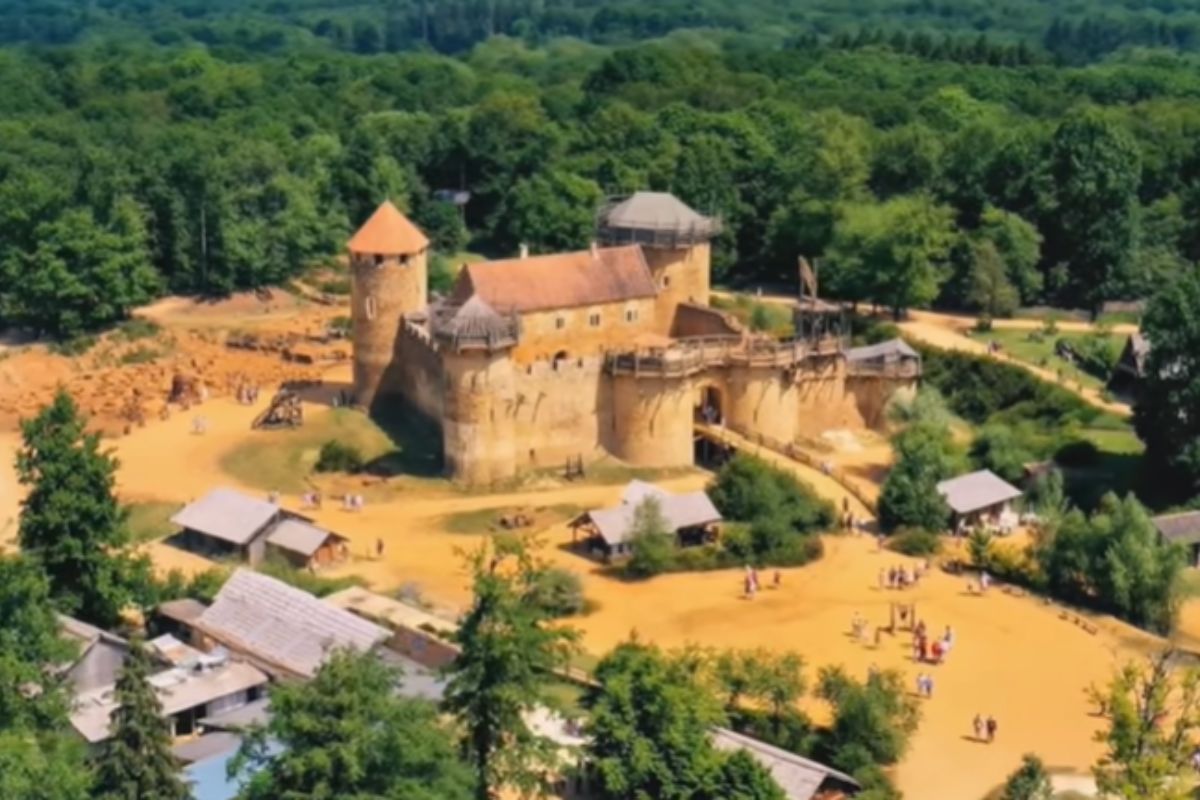
While a Medieval Castle Is Built Stone by Stone in the Heart of France, As If the Year Were Still 1228, Historians, Archaeologists, and Artisans Transform the Job Site into a Living Laboratory of the Middle Ages Before Hundreds of Thousands of Visitors Annually.
In the Guédelon project, a medieval castle is built from scratch without machines, only with hand tools, pack animals, and medieval techniques recreated in practice, to answer a simple yet gigantic question: how was a fortress truly erected over 800 years ago. With each new tower, wall, or roof, those working there learn firsthand what the ancient master builders only hinted at in chronicles and ruins.
Where a Medieval Castle Is Being Built in the 21st Century
Guédelon is located in a forested region of France chosen with almost surgical precision: it had to have stone, clay, trees, and water within the same reach. Nothing there is by chance.
The idea was born when castle restorer Michel Guyot received a report about a neighboring castle and read, in a footnote, that reconstructing the original castle would be an incredible project.
-
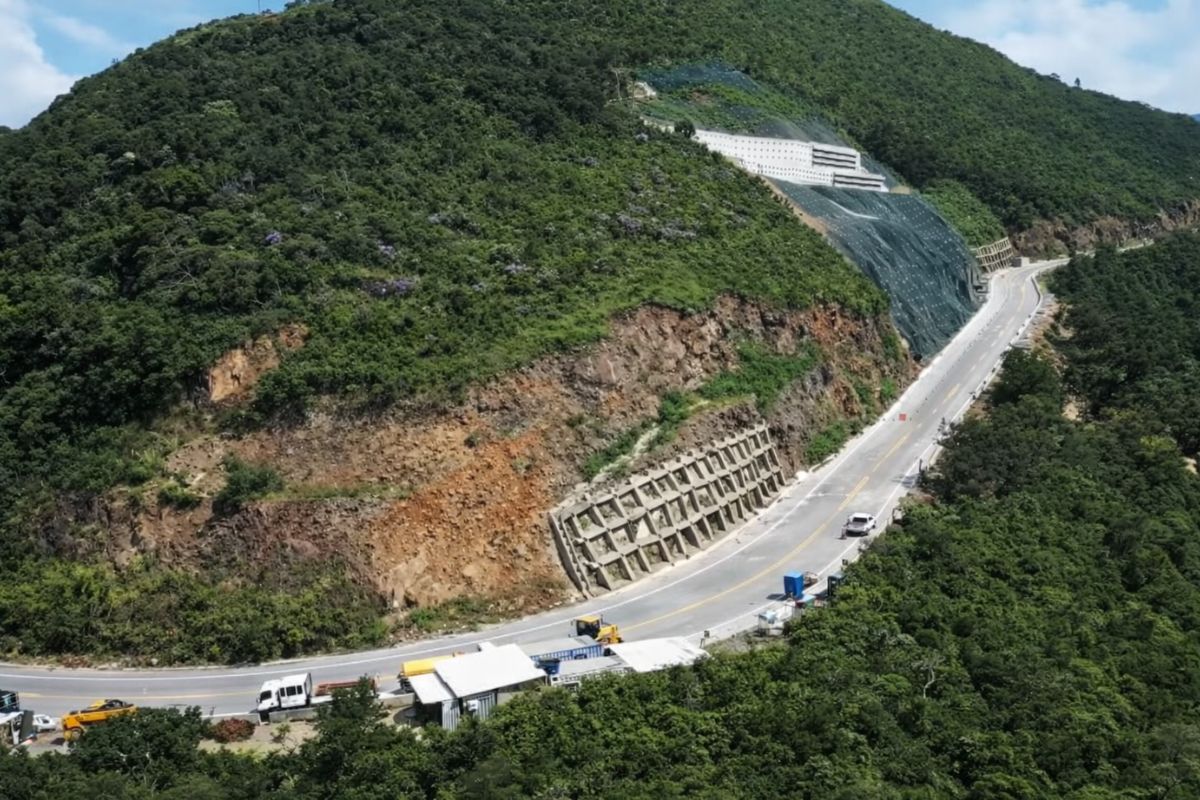
The section of Serra da Rocinha on BR-285 is now open in Timbé do Sul: 50 m tensioned curtains and top-down technique stabilize the slope, with a stairway duct controlling the water.
-
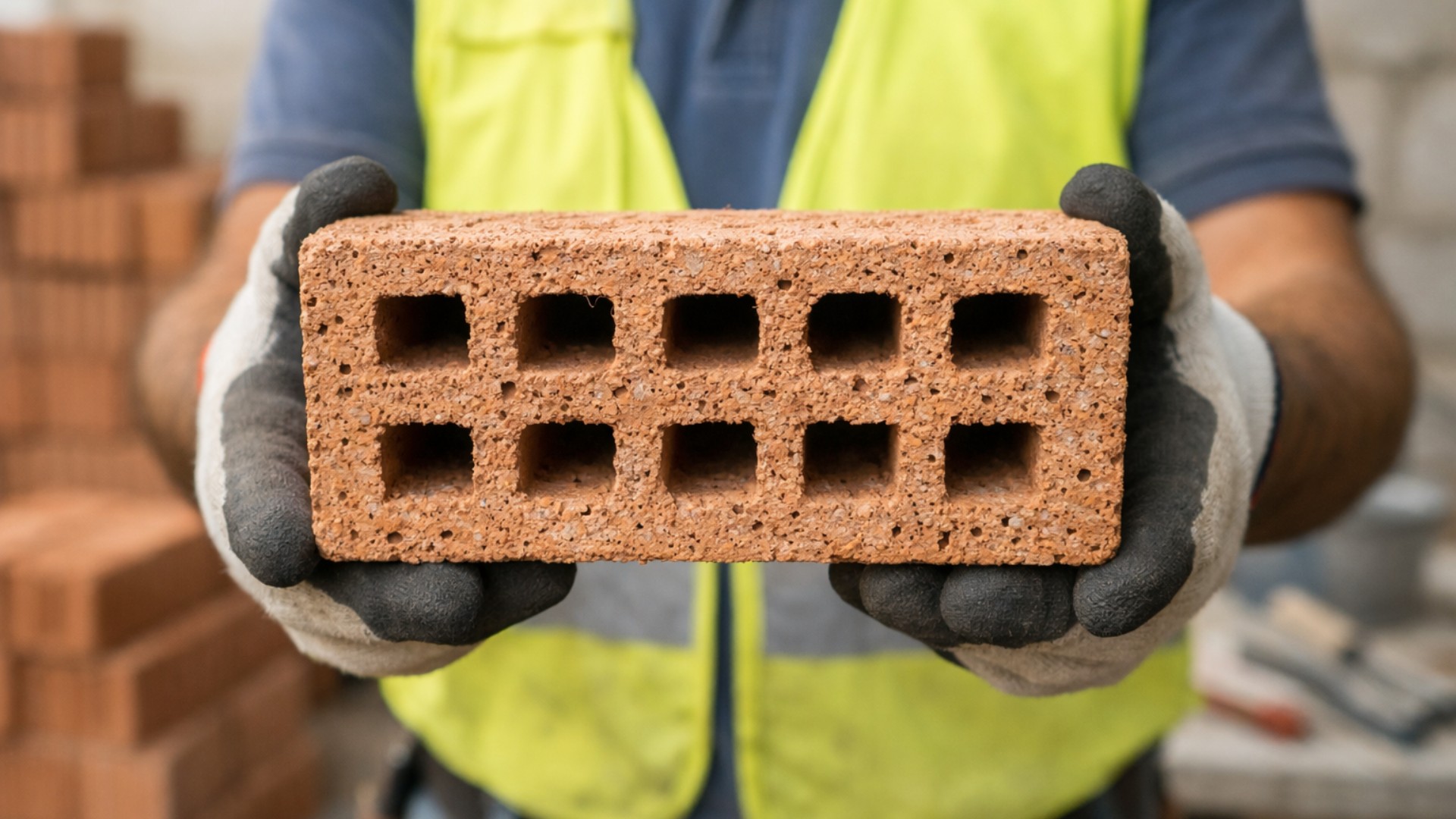
Scientists use sawdust mixed with clay to create a lighter brick, promising efficient thermal insulation and impressing by transforming waste into a solution for construction.
-
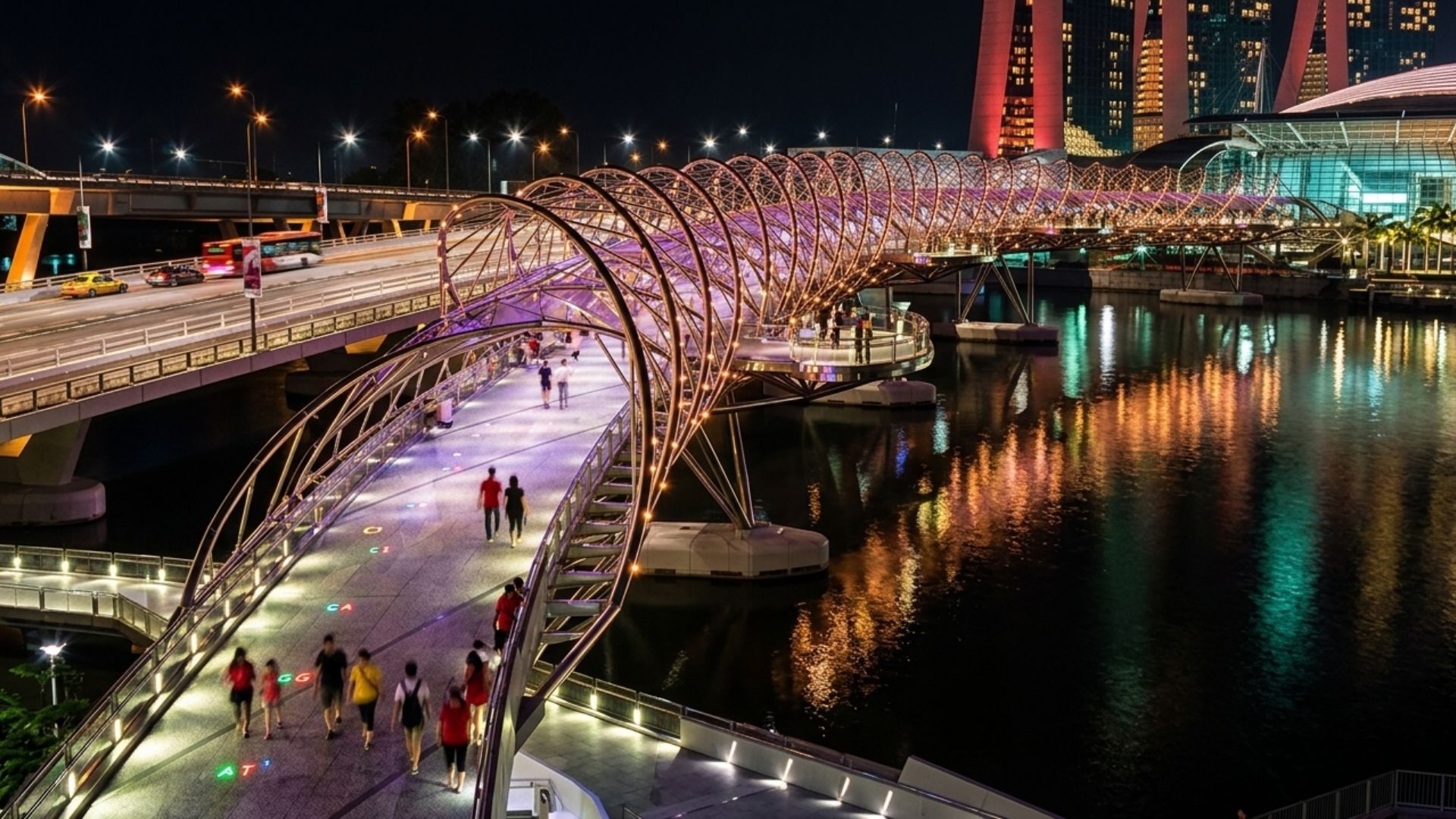
With a DNA shape, this bridge in Singapore draws attention in modern architecture and surprises tourists by transforming a simple crossing into an unforgettable visual experience in the urban heart.
-
Giant underwater pipeline begins to take shape with a R$ 134.7 million project at the Port of Santos: the 1.7 km structure uses 12-meter and 700 mm pipes to supply water to 450,000 people in Guarujá.

The phrase stuck in the restorer’s mind. Instead of just recovering ruins, he decided to start another story: a medieval castle is built from scratch, as faithfully as possible to what was done in the Middle Ages.
In 1997, the area was cleared, the first workers arrived, and the site began to operate as a real medieval construction, but in the 21st century.
A Living Laboratory to Discover How a Fortress Was Built
From day one, the rule was radical: no modern machines, no power tools. If a medieval castle is being built there, it must be born with the same physical effort and the same technical limits that existed in 1228.
Guédelon has become a vast open-air laboratory. Learning means doing, failing, redoing, and improving, exactly as it happened with the builders of that time.
The specialists reject easy solutions and, whenever a doubt arises, they test it in practice. How to lift a stone block weighing hundreds of kilograms without modern cranes.
How to prepare the right mortar without industrial cement. How to design an internal staircase that is defensive, comfortable, and feasible to execute solely with human strength.
Just a year after opening to the public, around 50,000 people visited the site to see for themselves how a medieval castle is built before their eyes, almost as if they had crossed a time portal.
Over the years, attendance grew, and today the project welcomes about 300,000 visitors annually.
Medieval Workshops That Feed the Castle in Real-Time

To support this construction, it was necessary to first build the workshops that supply the work, just like in a medieval site. The stone carving bench came first, followed by carpentry, the forge, the mortar workshop, and other support areas.
In the quarry next door, stone blocks are manually extracted with iron tools forged in the castle’s own forge. Each block is hand-carved to fit precisely into the walls, and it is this way, stone by stone, that the medieval castle is built and gains volume.
Instead of common cement, the team uses lime mortar, sand, and water, produced right there. The limestone is burned in rustic kilns, transformed into lime, and then mixed to form the paste that binds the stones.
The wood also follows the same principle. Trees are cut down in the nearby forest and transformed into beams in the carpenters’ hands. The structures are assembled with joints, wooden pegs, and nails produced in the forge. No modern screws or ready-made sheets.
Main roofs are covered with hand-molded clay tiles, dried in the sun, and fired in kilns, resulting in slightly irregular pieces that reinforce the rustic and authentic look. In annexes and workshops, wooden tile roofs complete the medieval landscape.
Wheel Cranes and Human Power in Place of Machines
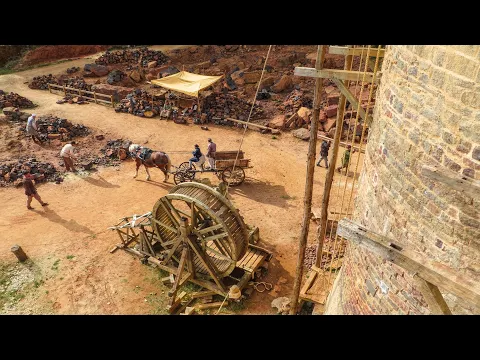
One of the elements that catch the attention of visitors to Guédelon are the wheel cranes. Completely made of wood, they work with a worker walking inside a large wheel, like a vertical conveyor belt.
As he walks, the rotation pulls ropes and lifts heavy loads, such as stone blocks or entire beams.
These wheel cranes were one of the great secrets of productivity in the Middle Ages. There, a medieval castle is built exactly with this type of device, without hydraulics, motors, or modern steel cables.
The site is filled with ramps, wooden scaffolding, pulleys, and simple yet efficient platforms, showing that, with planning and basic physics, it is possible to raise monumental structures without a single combustion machine.
Medieval Life at the Site: Food, Animals, and Work

The medieval experience goes far beyond the walls. To maintain authenticity, the food for the workers follows historical references.
Meals are simple, prepared with rustic utensils and ingredients that were part of the diet of the time. A waterwheel-driven mill produces the flour used in the kitchen, which ends up in bread baked in clay ovens.
Animals are also part of the scenery and logistics. Horses and donkeys pull carts laden with stone, wood, and clay, replacing trucks and forklifts.
Geese and other animals roam the grounds, reinforcing the rural atmosphere. Those walking through the main courtyard feel that they are not just observing a medieval castle being built, but living a slice of everyday life from the Middle Ages.
To complete the picture, the workers wear typical medieval garments. Masons, blacksmiths, carpenters, potters, basket makers, and tapestry artisans occupy well-defined spaces.
Each trade has its area, tools, and routine, and all connect to the main work, like human gears sustaining the same fortress.
How the Medieval Castle Is Built from the Inside
Inside, Guédelon follows the logic of a large fortified residence. There is a spacious courtyard through which people and animals circulate and a large hall that serves as the heart of the castle, with space for meals and important events.
It is in this type of environment that lords, guests, and residents gathered for banquets, political decisions, and ceremonies.
The high and thick walls protect the entire ensemble, while towers provide a privileged view of the surroundings. Small openings in the walls serve as points for archers to defend themselves with less exposure. Each element is designed with dual function: military and everyday.
Seeing how this medieval castle is constructed with such detail, visitors understand that nothing in a medieval fortress was decorative without reason.
At the same time, the work with iron produces hinges, locks, hardware, and tools used in doors, windows, and internal structures.
Ceramics come in the form of pots, vases, and utensils, while tapestries and wool materials help recreate the comfort possible in a stone environment with drafts.
From Archaeological Experiment to World Reference Open to the Public

When it started, Guédelon divided opinions. For some, it was a fascinating project; for others, pure madness. But over time, the site became one of the most respected experimental archaeology projects in the world. There, a medieval castle is built both as a real work, a scientific laboratory, and an educational park.
The site is open to visitors, and those who enter can walk among the workshops, see tools in use, ask artisans directly how each piece is made, and follow the evolution of the grand structure over the years.
About 300,000 people visit the castle annually, and the tourist structure with food and souvenirs helps fund the continuation of the work, alongside public resources and the participation of students and volunteers.
Of the six towers anticipated in the project, only two are fully completed, which shows that there is still much to be done. There is no strict deadline for completion.
Time is human, not modern construction schedule. Each stage takes the necessary time to be executed with care and fidelity to the historical technique.
What Guédelon Reveals About the Middle Ages
In the end, Guédelon does not simply reconstruct architecture, but an entire way of living and thinking. Seeing a medieval castle being built today, before the eyes of the public, helps to break down the simplistic view of the Middle Ages as merely a dark and improvised period.
It becomes clear that there was sophisticated engineering, organized labor, mastery of materials, and an entire economy revolving around large stone works.
The project also shows that historical knowledge does not have to be confined to books and museums. It can be experienced firsthand, with hands dirty from lime, with the real weight of a stone block, with the sound of the creaking crane wheel as a beam is lifted. Guédelon reminds us that history is something to be lived, not just something to be read.
And you, would you dare to spend an entire day at Guédelon watching a medieval castle being built live, feeling the rhythm of the Middle Ages and the effort behind each stone of the fortress?








-

-

-

-

8 pessoas reagiram a isso.