





 Portuguese
  English
  Spanish
  4 min of reading
  0 comments


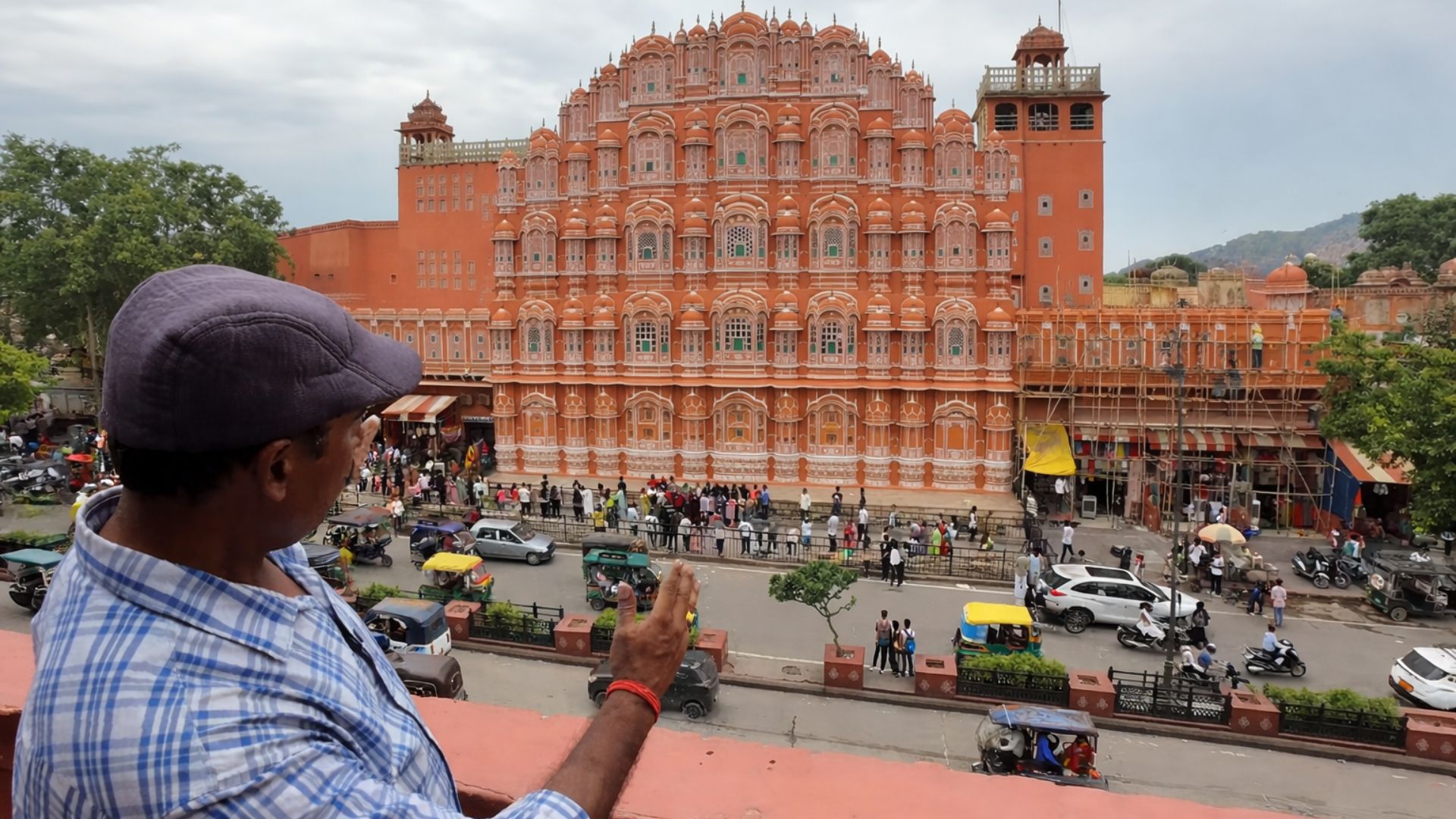
Complete Guide to Hawa Mahal in 2026: The History of the Palace of Winds, Its Engineering with 953 Carved Windows, the Natural Ventilation System and the Best Tips for Visiting and Photographing the Icon of Jaipur
The Hawa Mahal remains in 2026 as the main postcard of Jaipur, the capital of Rajasthan and one of the most visited historical cities in India. Globally known as the Palace of Winds, the monument impresses not only with its aesthetics but also with its extremely functional architectural solution, created in the 18th century to cope with the intense heat of the Indian desert.
Built in 1799, the building became famous for its façade in pink sandstone and, above all, for its 953 carved windows, known as jharokhas. Over the centuries, this combination has transformed the Hawa Mahal into an absolute symbol of royal luxury, traditional Indian engineering, and the cultural identity of the so-called Pink City.
The information was originally published in specialized tourism and historical content, including travel guides and audiovisual materials from the Desi Traveling channel, which detail the structure, the social function of the palace, and its historical importance to Jaipur.
-
Friends have been building a small “town” for 30 years to grow old together, with compact houses, a common area, nature surrounding it, and a collective life project designed for friendship, coexistence, and simplicity.

-
This small town in Germany created its own currency 24 years ago, today it circulates millions per year, is accepted in over 300 stores, and the German government allowed all of this to happen under one condition.

-
Curitiba is shrinking and is expected to lose 97,000 residents by 2050, while inland cities in Paraná such as Sarandi, Araucária, and Toledo are experiencing accelerated growth that is changing the entire state’s map.

-
Tourists were poisoned on Everest in a million-dollar fraud scheme involving helicopters that diverted over $19 million and shocked international authorities.


What Makes Hawa Mahal’s Architecture Unique in the World

First of all, it is essential to understand that the Hawa Mahal was not conceived as a traditional residential palace. Instead, it served as a royal viewing point, allowing the women of the court to observe daily life in the city without being seen, respecting the strict customs of female seclusion of the time.
Moreover, its 953 carved windows form a structure resembling a honeycomb, carefully designed to capture natural breezes. As a result, air circulates throughout the building, creating a natural air-conditioning effect that keeps the interior surprisingly cool, even during the Indian summer when temperatures easily exceed 40 °C.
Another impressive detail is that the palace has five floors and was built without deep foundations. Nevertheless, its stability is ensured by intelligent engineering, with slightly tilted walls and balanced weight distribution. Visually, the shape of the building resembles the crown of the god Krishna, reinforcing its symbolic and religious character.
What It’s Like to Visit the Interior of the Palace of Winds in 2026
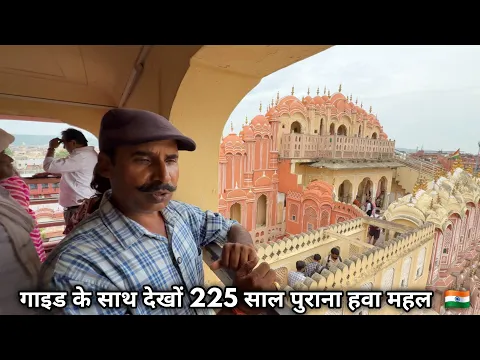

Currently, the experience of visiting the Hawa Mahal has been modernized without compromising its historical character. In 2026, the palace features facilitated access, multilingual signage, and a d digitally digitized internal museum that explains the routine of the Jaipur dynasty and the original function of each area of the building.
Unlike many European palaces, the interior of the Hawa Mahal does not have grand ornate halls. Instead, visitors navigate quiet internal courtyards, narrow corridors, and gentle ramps, which replace stairs and facilitate the movement of royalty.
Located in the heart of the Old City, the palace is surrounded by vibrant bazaars, historic temples, and traditional markets. This integration with the urban space makes the Hawa Mahal not just an isolated monument but a living part of the cultural and economic dynamics of Jaipur.
Best Time for Photos, Access, and Practical Visiting Tips
For those who wish to photograph the monument, sunrise continues to be the most recommended time. At this hour, the golden light falls directly on the pink sandstone, creating warm tones and deep shadows that highlight each of the 953 windows.
In 2026, cafés and terraces located in front of the palace offer privileged panoramic views, allowing you to comfortably capture the complete façade. Access to the site is simple and affordable, mainly made by electric rickshaws, which have become a sustainable trend in India.
Essential Checklist for Visiting Hawa Mahal in 2026
- Arrive between 8 AM and 10 AM, when the light is most favorable
- Wear light and respectful clothing, appropriate to the local culture
- Go up to the 5th floor for the best panoramic view
- Purchase tickets via QR Code directly at the entrance
Where to Stay for the Complete Jaipur Experience
For those seeking a historical immersion, staying in a traditional Haveli in the Old City is the best option. Many of these century-old residences have been restored and now offer classic luxury, preserving the original architecture and proximity to Hawa Mahal.
On the other hand, travelers who prefer modern comfort can find good options in neighborhoods like Malviya Nagar, where large international chains offer contemporary infrastructure while still providing easy access to the city’s main tourist attractions.
Regardless of the choice, staying close to Hawa Mahal allows you to explore the area on foot and experience the city at different moments of the day, especially at dawn and dusk.
How Hawa Mahal Preserves the Cultural Identity of Jaipur
More than just a historical monument, Hawa Mahal is considered the visual soul of Jaipur. It drives tourism, supports thousands of direct and indirect jobs, and reinforces the city’s title as one of Asia’s top luxury cultural destinations.
In 2026, the palace remains a rare example of ancestral sustainable architecture, combining aesthetics, climatic functionality, and social significance. Its preservation ensures that the heritage of the ancient Maharajas remains alive, etched not in books but in the very windows that shaped the urban landscape of the Pink City.
Visiting Hawa Mahal is, therefore, witnessing how engineering, culture, and history can transcend centuries without losing relevance — a feat that few monuments in the world can achieve.









-

Uma pessoa reagiu a isso.