





 Portuguese
  English
  Spanish
  5 min of reading
  0 comments


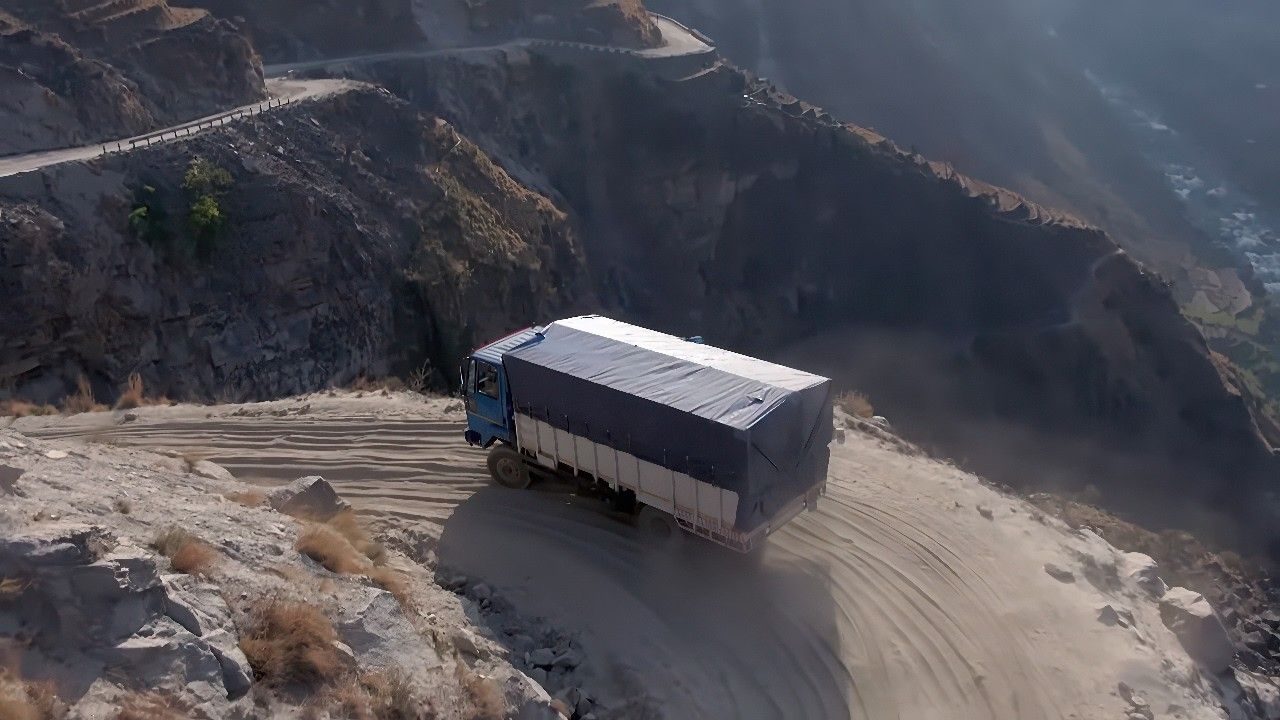
In The Heart Of Extreme Nepal, Isolated Villages Alternate Car, Path, And Snow To Receive Medicine, Keep The Economy Alive And Resist Disasters That Can Erase A Community In Minutes.
In Extreme Nepal, traveling is not just moving; it’s a daily test of survival. After six months of winter, the Himalayas awaken slowly, and the simple news that a road has reappeared changes the mood of entire valleys.
But hope comes with a silent warning: one mistake and it’s all over. When the trail disappears under the snow, when rocks fall without warning, and when the cliff becomes the “shoulder”, what sustains life is instinct, courage, and often, mules.
Where The Road Ends, Life Continues On Foot
Extreme Nepal is home to eight of the ten tallest mountains in the world, and this geography turns any construction into a permanent challenge.
-
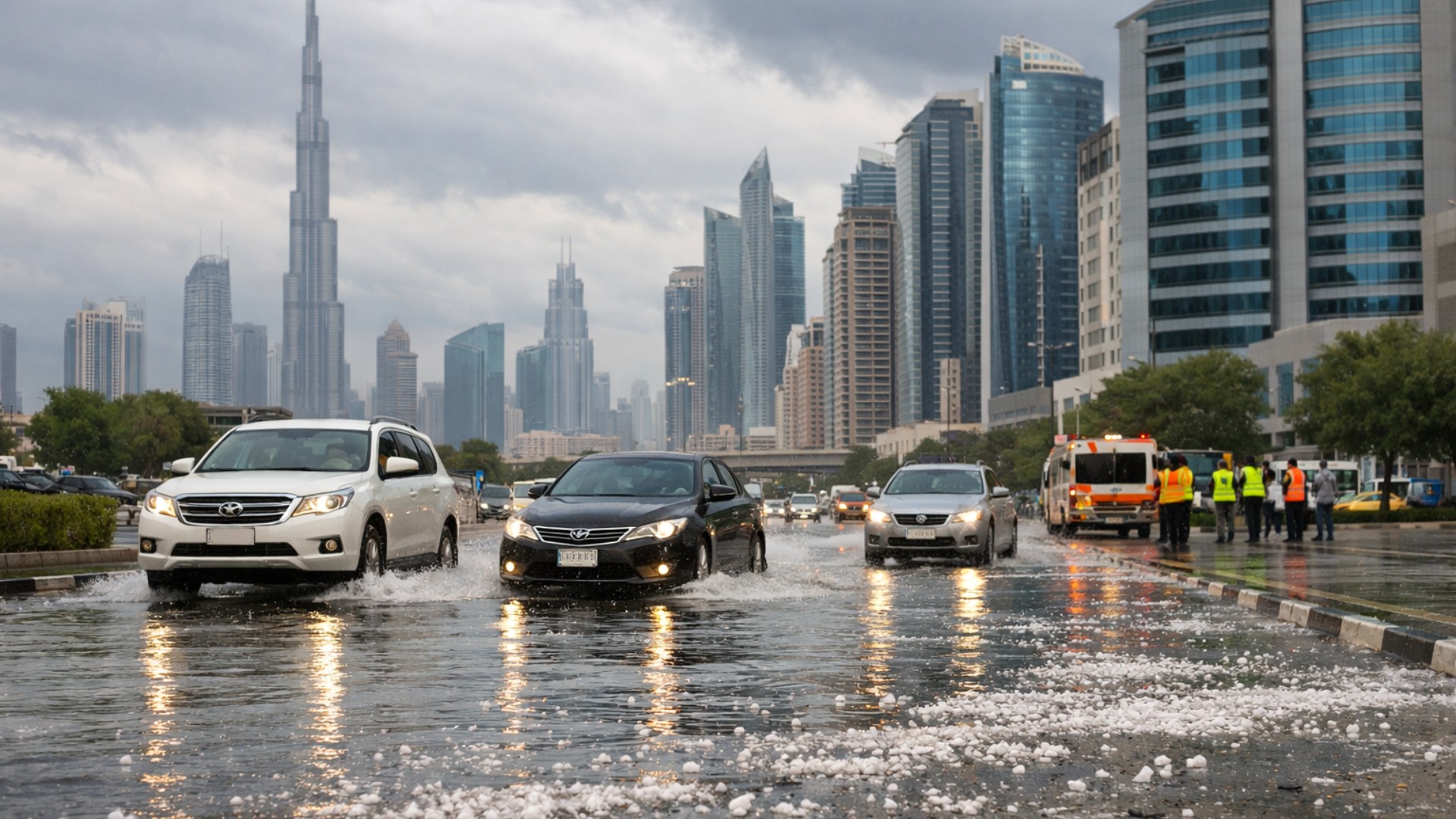
A rare storm transformed part of the Gulf into an unlikely scene of hail, extreme rain, and tornado risk in the middle of the desert, with volumes that exceeded the annual average in a single day.
-
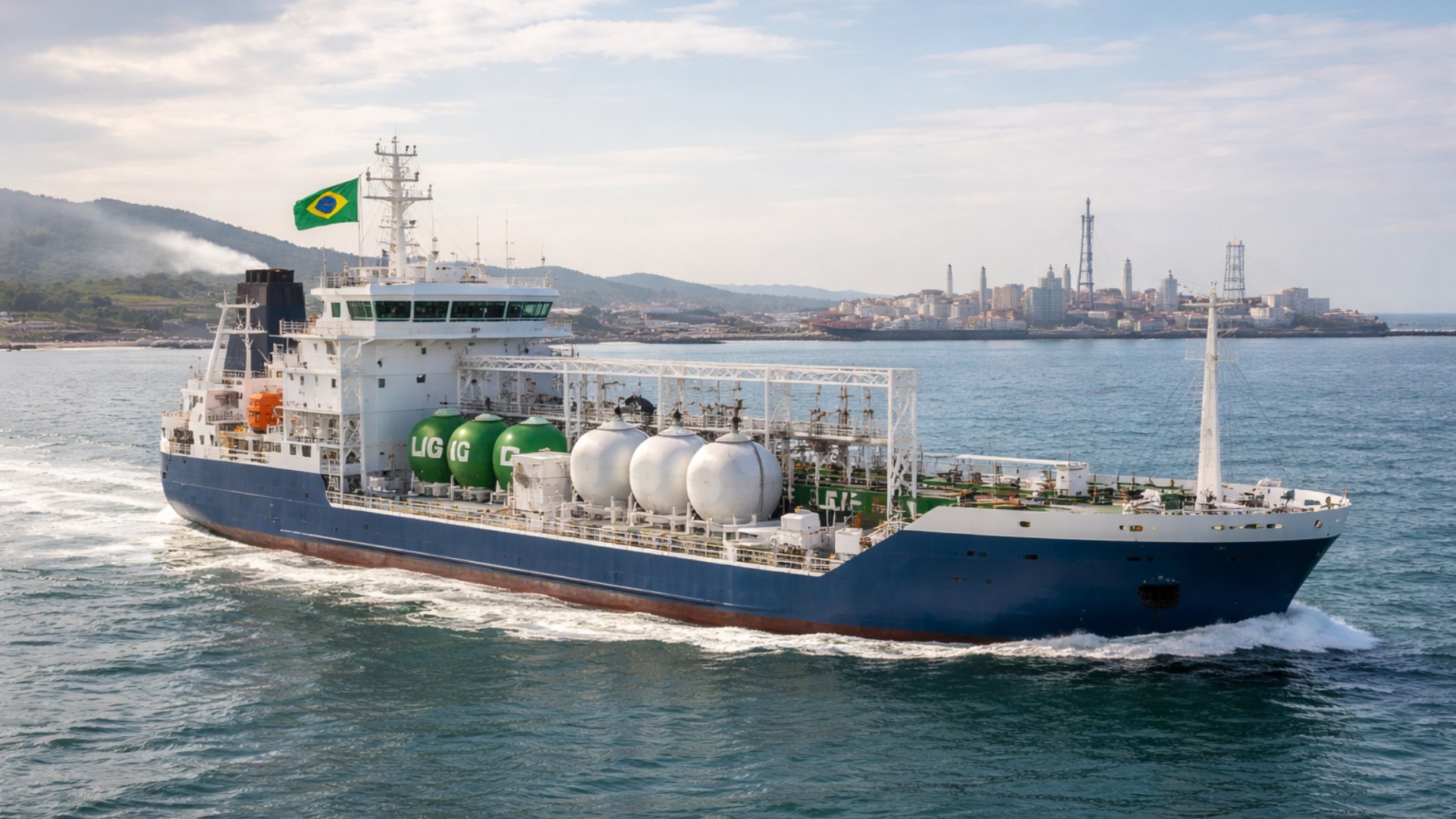
Brazil catches the world’s attention with ships powered by ethanol and biodiesel that have lower emissions, an unprecedented certification with advantages in chartering, and a revolution in cabotage.
-
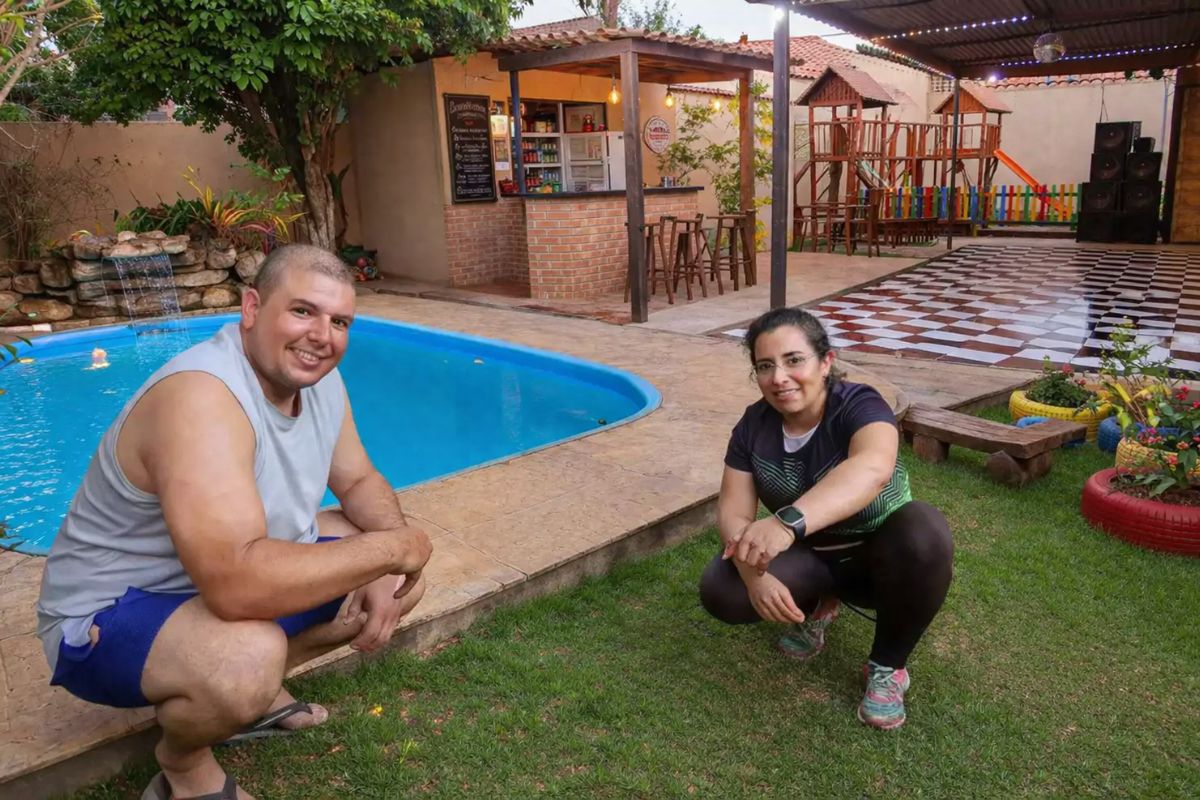
A couple who only has Sundays free has built a hand-dug pool, a hamburger joint, a dance hall, and a playground in their own home without hiring a mason, and even with breaks due to accidents and the pandemic, the work has never truly stopped.
-
Furniture made with aluminum and glass does not warp and has become an alternative to replace MDF in Brazil.

The country builds roads to connect regions, bring knowledge, and promise a future, but in remote areas they often end up as narrow paths, fragile and exposed to ice and landslides.
The logic is simple and brutal: when the track stops, the journey doesn’t stop. From then on, mules, boots, ropes, and decisions that must be quick take center stage. In certain stretches, guidance becomes a survival mantra: only look where you place your feet, nothing more.
Simikot, 2,900 Meters And The Price Of Isolation
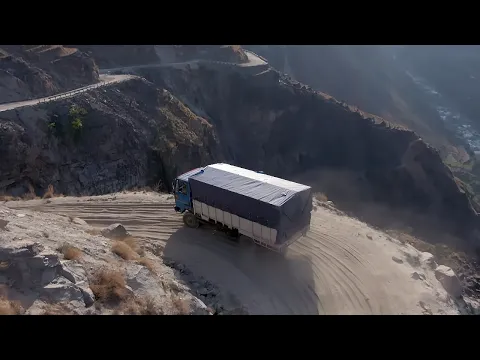

In Extreme Nepal, some cities remain inaccessible by road. Simikot, at 2,900 meters altitude, requires a small plane or three days of walking, following mule trains that supply the region.
It is in this scenario that Prajwal appears, the mayor of a remote village, returning with an essential delivery: medications and batches of vaccines.
He describes the reality bluntly: we have no doctor or hospital. The responsibility falls on those who can cross mountains, negotiate support, and return with what keeps a people standing.
In the last four years, more cars have emerged and Simikot is now connected by a road, but the change does not mean ease. Often, the group needs to switch vehicles for mules and “a good pair of shoes” because the advancement of infrastructure has not yet conquered nature.
Vaccines In The Abyss: When 30 Km Become An Odyssey
After 30 kilometers, the road ends and is still under construction. The team must walk along a cliff to reach another road where cars are waiting. However, there is no “just walking” in Extreme Nepal.
The vaccines require extra care: it’s not good to shake them too much. Nurses accompany the journey to immunize children upon arrival because doctors have no access to such remote places. And when the path turns into an immediate risk, the rule is to move: the risk of falling rocks is extremely high.
After ten kilometers of dangerous walking, they reunite with the mules. The journey, however, is just beginning: it’s about 100 kilometers to the village in Limi Valley, and there are still stretches with dangerous passages at 4,505 meters.
The Driver, The Load And The Bottomless Chasm
While the mayor struggles to bring health, the economy of Extreme Nepal moves atop trucks that face roads that barely resemble roads. Nagendra transports rice, oil, and gasoline in a trailer with 14 tons of goods over 140 km, “precariously balanced” on the edge of the void.
He explains that he didn’t choose this job: he needed to support his family and drop out of school. And he describes the road coldly: if you slip, there’s nothing to hold you. He reports having lost three friends on that stretch.
The trip is slow, dangerous, and costly. He earns about €250 per trip, but acknowledges that, given the risk, it’s little. A jam in the sand, a hole, or a breakdown can mean losing everything, especially with loans to pay off and a house being built.
Solidarity In The Mud And The Road As Sentence
In Extreme Nepal, when a truck breaks down, the road becomes a forced camp. Nagendra stops to help a friend whose vehicle has been stuck for four days, waiting for a part and repair.
They improvise, messing with axles, gears, tools in hand, because often there’s no technician, no structure, no alternative.
And when it finally works, the driver accelerates to make up for lost time. It’s not reckless bravery: a delay can turn into money lost and reduced payment. The road becomes a sentence, and every curve requires absolute attention.
Limi Valley: 1,500 People, Little Energy And No Margin For Error
In Extreme Nepal, Prajwal’s final destination is Limi Valley, a valley protected by mountains that exceed 6,000 meters. About 1,500 people live there, without running water and with only one hour of electricity per day.
The arrival of the vaccines is not just a delivery; it’s a symbol. They celebrate the mayor’s return, preserve culture, wear traditional attire, and celebrate a year without deaths.
At the same time, they carry an invisible weight: traditions are so strong they can become a burden, and the rules of the monks influence the entire community.
The Snow Decides, The Mules Recede And The Body Becomes Cargo
The cruelest part of Extreme Nepal is not the cold; it’s the unpredictability. The night’s snow can make the crossing impossible. On a long ascent, with oxygen thinning, the group carries refrigerators with vaccines on their backs because they are too fragile for the mules.
When the snow tightens, the muleteer makes a difficult decision: the mules will not advance anymore. He states that they could die if they insist. The result: part of the load is abandoned to be retrieved later, while the group keeps the most delicate, the vaccines, and continues.
Reaching the top is almost a ritual: they reach the pass at 5,000 meters, wave prayer flags, and thank “the gods.” However, the descent still demands its price: exhaustion, risk of hypothermia, and the obligation to find shelter before night closes off the path.
Disasters, Dikes, And A Future That Threatens To Descend The Mountain
Extreme Nepal appears little in global discussions, but suffers huge impacts. At 5,000 meters, global warming exacts a toll: glaciers are melting, lakes are forming, and there is a fear that the banks will give way and release water en masse, like a tsunami descending down the slope.
To reduce risks, the village builds dikes by hand. The help from the state is almost nonexistent, so young people, the elderly, and the mayor himself work together. They don’t ask for much: electricity, roads, and cars, to live “like everyone else”.
In the end, the contradiction of Extreme Nepal is clear: it emits little greenhouse gas but is among the most affected. And the fact that haunts the community is straightforward: 30% of glaciers have been lost since 1997.
And you, would you undertake such a journey to deliver vaccines and medicines, or do you think no mission is worth crossing such high risks in Extreme Nepal?



-

Uma pessoa reagiu a isso.