





 Portuguese
  English
  Spanish
  4 min of reading
  0 comments


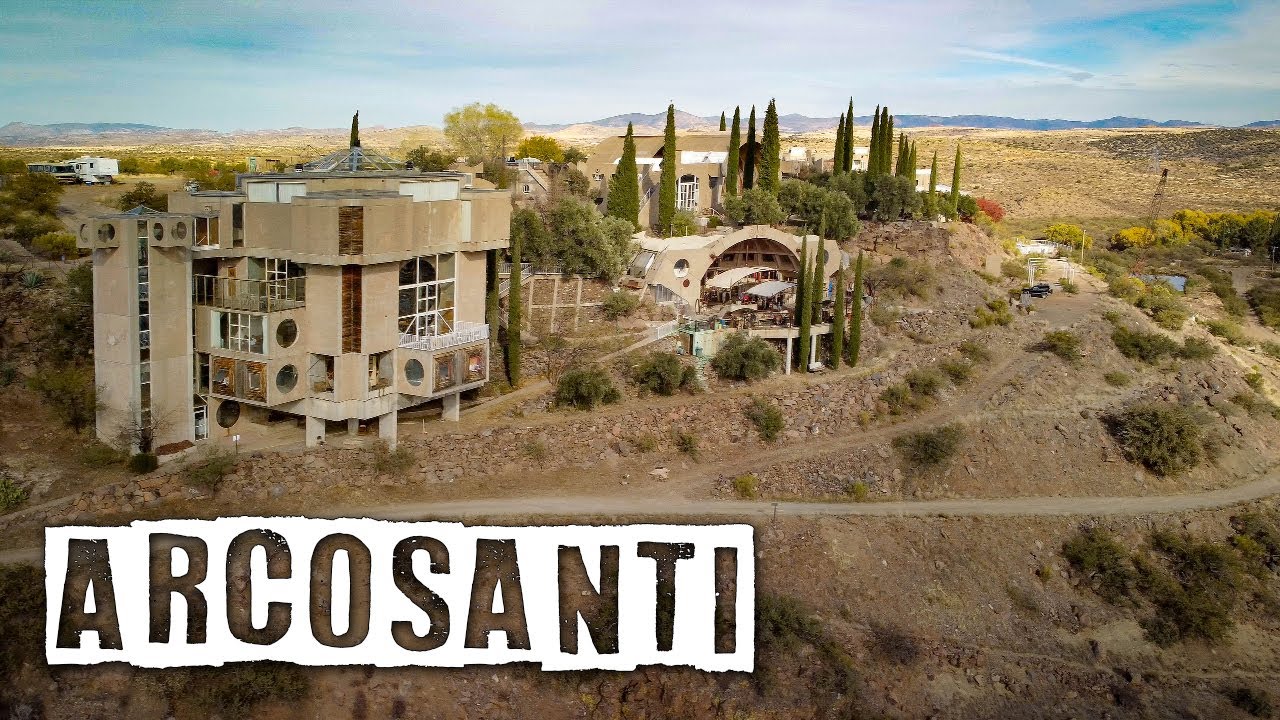
Begun in 1970 in the Arizona desert, Arcosanti occupies less than 25 acres, uses solar architecture and earth-cast concrete to reduce heat without air conditioning.
In the midst of the Arizona desert, where temperatures easily exceed 40 °C in the summer and the landscape seems hostile to permanent human life, there exists a place that challenges almost everything contemporary architecture considers indispensable. This is Arcosanti, a laboratory-city begun in 1970, conceived not as a real estate venture, but as a living experiment in urbanism, sustainability, and the extreme use of climatic logic.
More than half a century later, Arcosanti remains unfinished, inhabited by a few dozen people, but still active as proof that it is possible to drastically reduce energy consumption using form, solar orientation, and local materials without relying on conventional air conditioning.
The Origin Of An Idea Considered Too Radical
Arcosanti was born from the mind of Italian-American architect Paolo Soleri, one of the harshest critics of urban sprawl in the post-war United States. For Soleri, modern cities wasted space, energy, and human time. His response was his own concept, dubbed arcology, a blend of architecture and ecology.
-
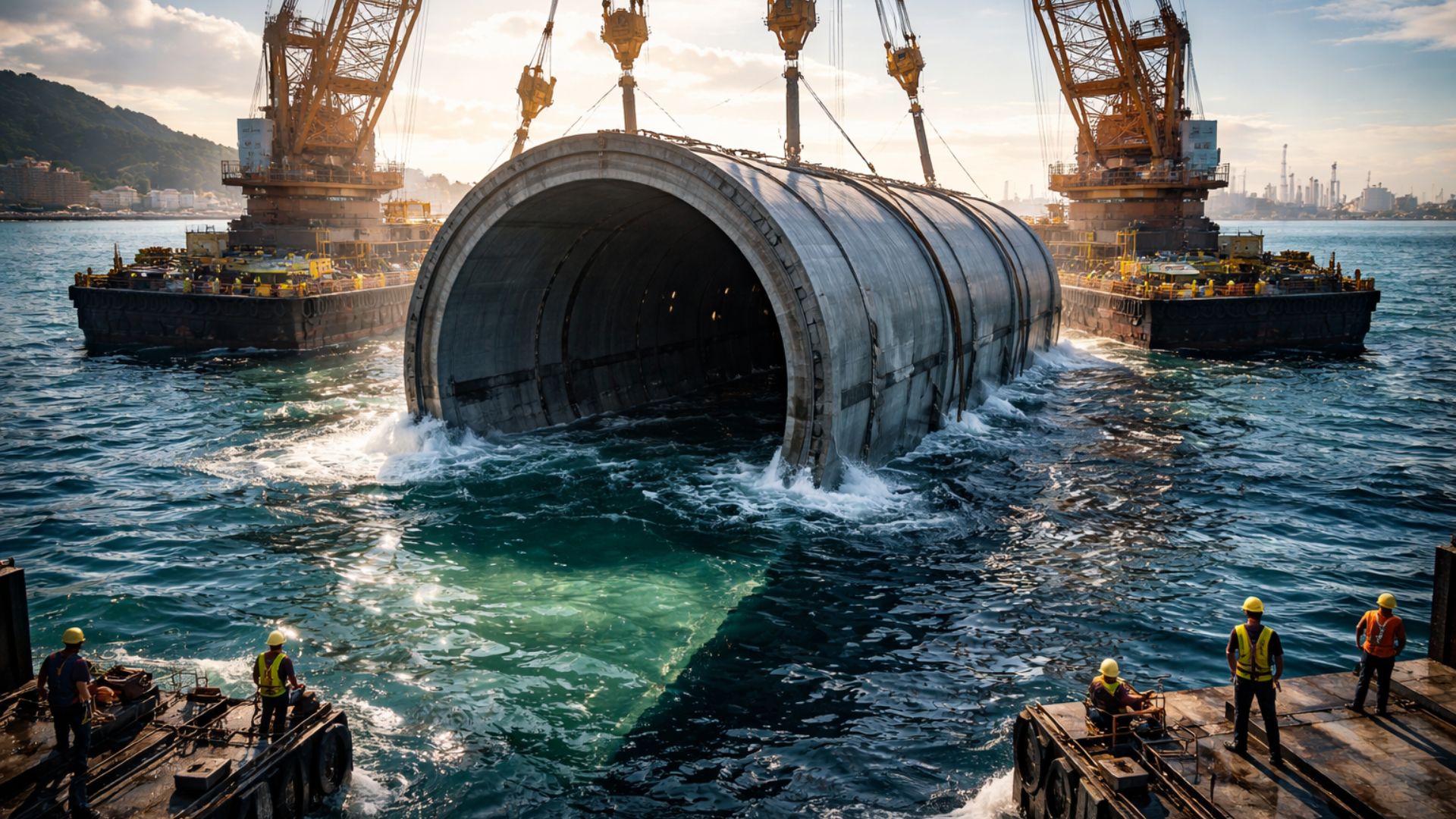
The government opens the vault and deposits R$ 2.6 billion for the construction of Brazil’s first underwater tunnel, with a length of 1.5 km, 870 m under the sea, a total project cost of R$ 6.8 billion, and a 30-year concession.
-
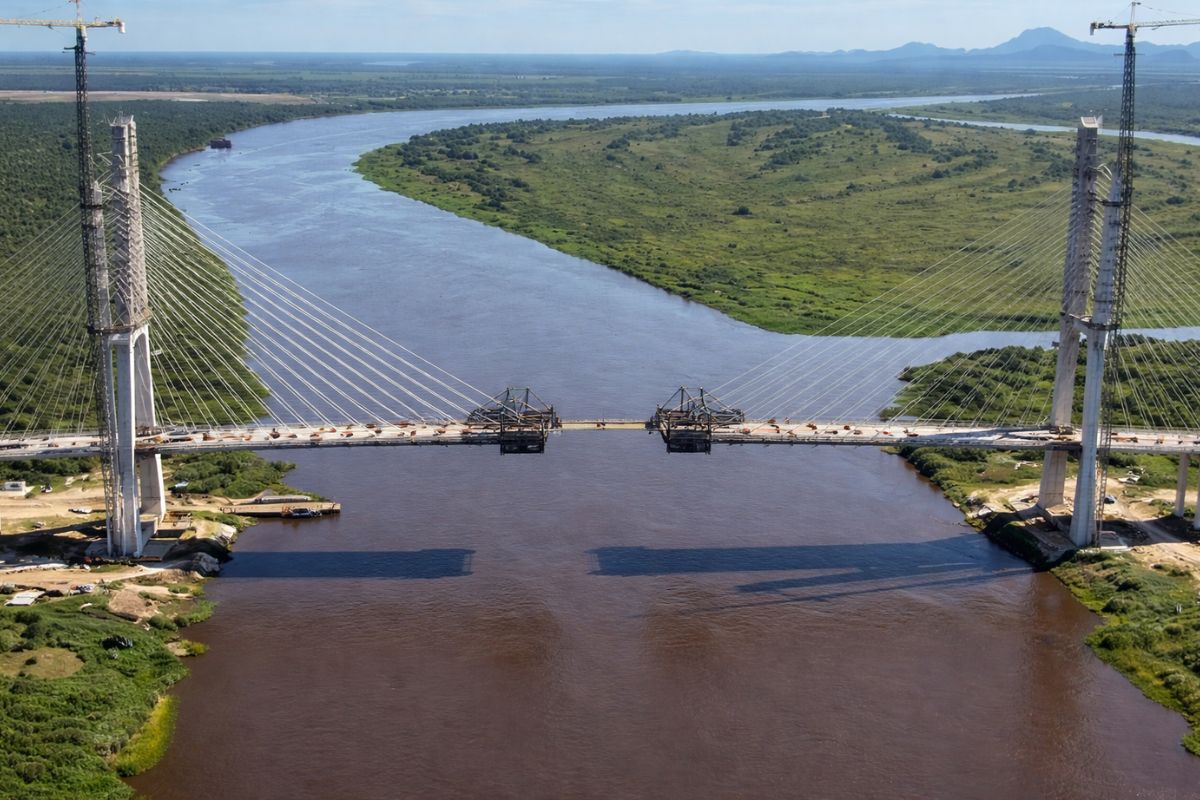
Only 46 meters remain for Brazil and Paraguay to connect via the Bioceanic Route bridge, the project that will link the Atlantic to the Pacific by land and change the logistical map of four countries in South America.
-
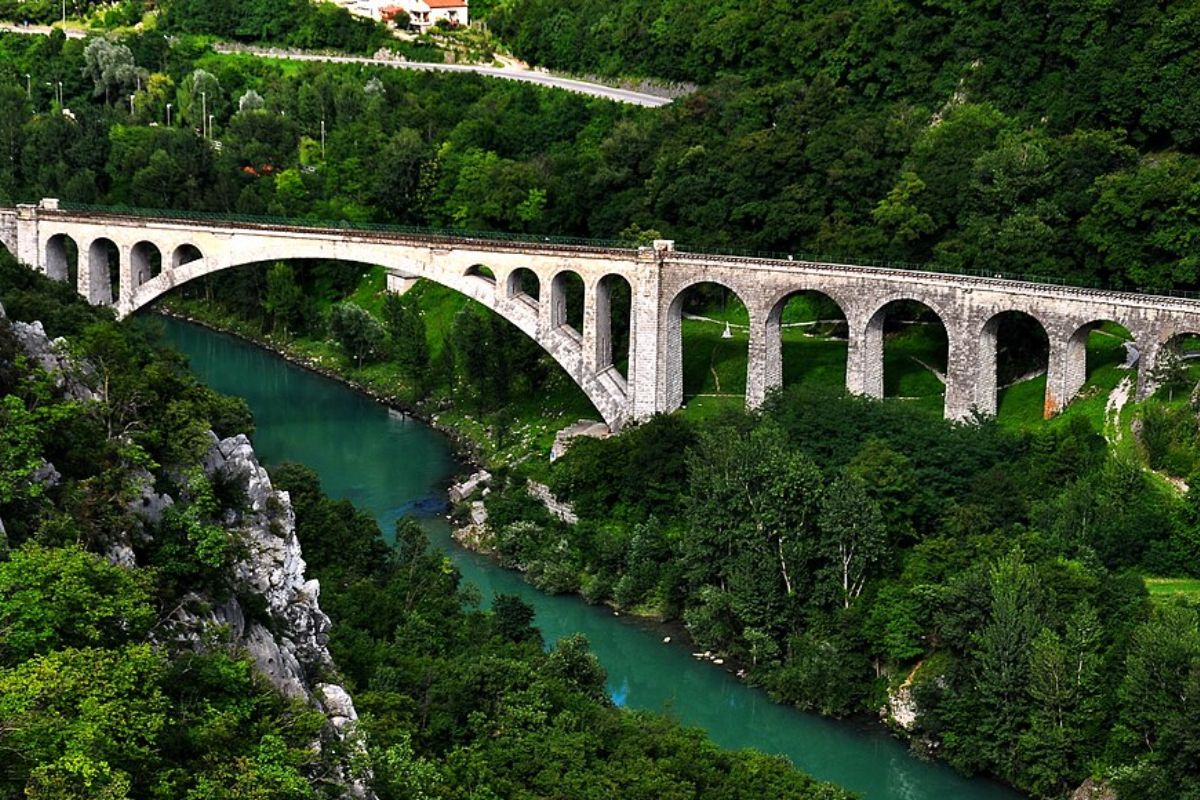
The bridge that holds the largest stone railway arch in the world: built over 100 years ago, destroyed in the war, and rebuilt to continue operating to this day, it still carries trains over the Soča River in Slovenia.
-
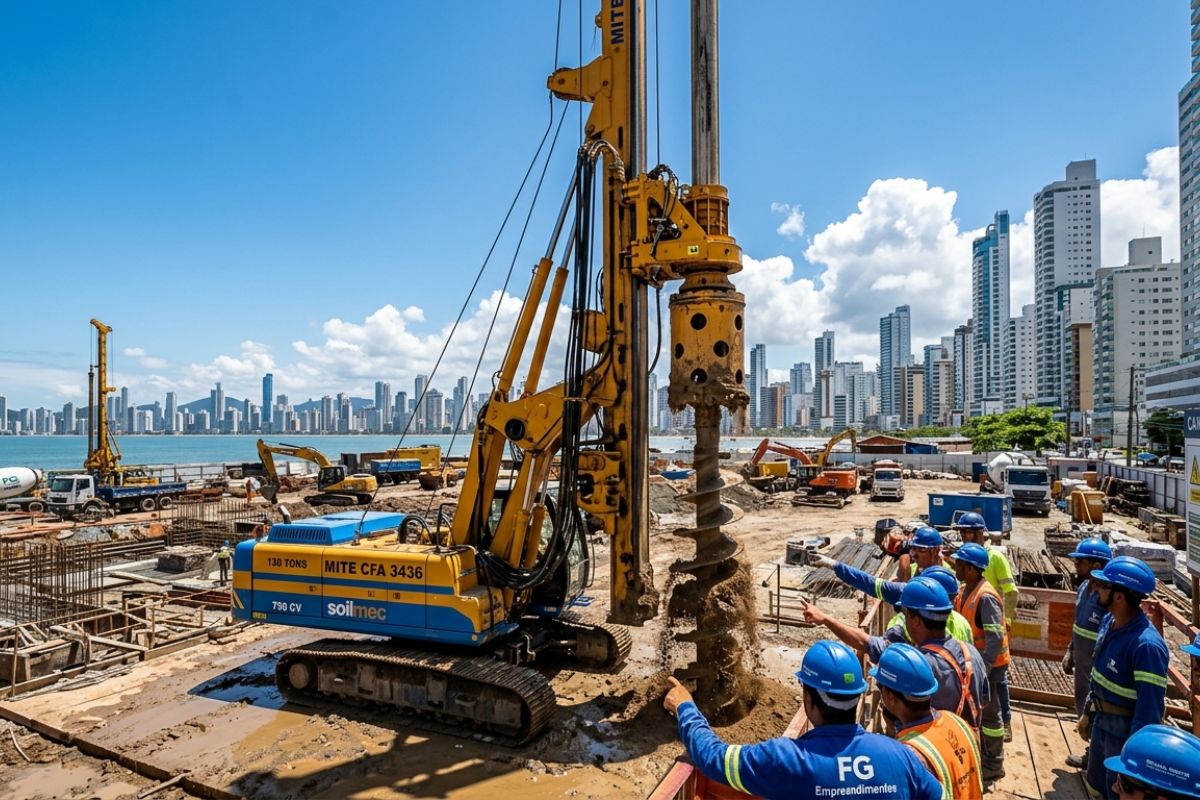
Italian giant of 130 tons arrives at the Senna Tower construction site and accelerates foundations: Mite CFA 3436 drills up to 50 m, 750 hp engine, investment of R$ 20 million, unique in Latin America.

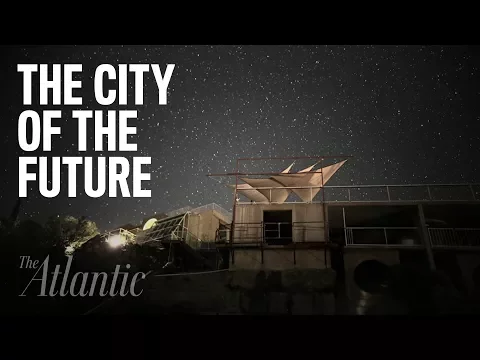

The proposal was simple on paper but extreme in practice: to create compact, dense, three-dimensional cities that occupy little land area and use their own architectural form as an ally against the climate.
A Giant Project Occupying A Minimal Fraction Of The Territory
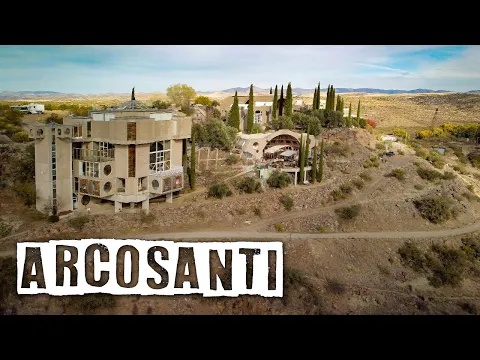
Although situated in a total area of approximately 860 acres (about 3.5 km²), the built part of Arcosanti occupies less than 25 acres. The rest remains as preserved desert, just as Soleri intended: to concentrate human life and free the natural landscape.
This extreme proportion — less than 3% of the land occupied by buildings — stands in stark contrast to the American urban pattern, based on horizontal sprawl, highways, and total dependence on the automobile.
Concrete Cast Directly In The Ground
One of the more technical and lesser-known aspects of Arcosanti is the construction method. Much of the structures were built with concrete cast directly in the earth, using the desert soil itself as formwork. After curing, the earth was removed, revealing vaults, shells, and curved surfaces.
This method reduced:
- wood and steel consumption
- cost of industrial forms
- environmental impact of construction
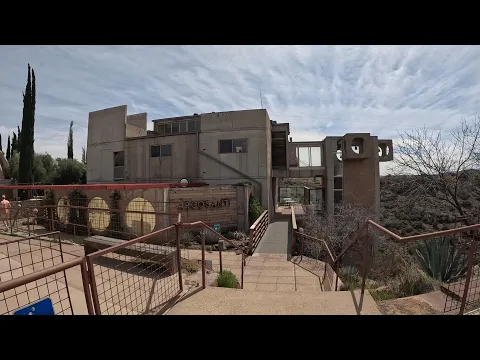
Furthermore, it allowed for the creation of thick walls and organic shapes, essential for passive thermal control.
Solar Architecture Before It Became Trendy
Decades before “bioclimatic architecture” became a marketing term, Arcosanti was already rigorously applying solar principles. The buildings are oriented to maximize solar gain in winter and minimize direct sunlight in summer.
Deep vaults, shaded galleries, and compact volumes reduce direct sun exposure. At night, the concrete slowly releases the heat accumulated during the day, creating a thermal inertia effect that keeps the environments habitable without traditional air conditioning.
What Is It Like To Live Without Full Modern Comfort?
Arcosanti never promised comfort in conventional urban terms. There are no shopping centers, wide streets, or infrastructure designed for cars. The experience was designed to be conscious, almost ascetic.
Residents live with:
- reduced energy consumption
- shared spaces
- small private areas
- strong integration between living, working, and studying
This model, which for many would be unfeasible, is part of the experiment. The central question has never been “is this comfortable?”, but “is this sustainable in the long term?”.
A City That Never Finished And That Is Part Of The Concept
Originally, Soleri imagined that Arcosanti could house up to 5,000 people. In practice, the population has never exceeded a few dozen. Lack of resources, criticism of the social model, and economic changes hindered the conclusion of the original plan.
Still, the city remains active as a center for education, tourism, and experimentation, welcoming visitors from around the world interested in alternative architecture, sustainable urbanism, and the history of modern utopias.
Despite its technical merits, Arcosanti has never been replicated on a large scale. There are clear reasons for this. The model requires:
- strong cultural change
- acceptance of a more collective life
- reduction of individual consumption
- abandonment of the car as the central axis
Additionally, manual and experimental construction makes the process slow and difficult to scale economically.
A Commercial Failure, But A Conceptual Success
From a real estate perspective, Arcosanti has never been a success. From an architectural and environmental point of view, it became a global icon. It has influenced generations of architects, urban planners, and thinkers who have begun to question the dogma of infinite city growth.
Today, amid a climate crisis, many principles tested there in the 1970s are reappearing in contemporary projects under new names and technologies.
An Uncomfortable Reminder About Urban Choices
The ongoing existence of Arcosanti is almost provocative. It reminds us that alternatives have always existed, but have rarely been chosen. Instead of compact and energy-efficient cities, the world opted for expansion, dependence on fossil fuels, and high resource consumption.
Arcosanti does not offer easy answers but asks the question that remains relevant: how do we want to live when cheap energy and unlimited space cease to exist?
A Work That Defies Time More Than The Desert
More than fifty years after construction began, Arcosanti stands tall under the Arizona sun, functioning, being studied, and visited. Unfinished, imperfect, and radical, it proves that architecture can be more than aesthetics or market.
It can be a constructed idea, tested to the limit, enduring extreme heat and changes in the world — even without air conditioning, without luxury, and without easy concessions.







Seja o primeiro a reagir!