





 Portuguese
  English
  Spanish
 5 min of reading
  0 comments


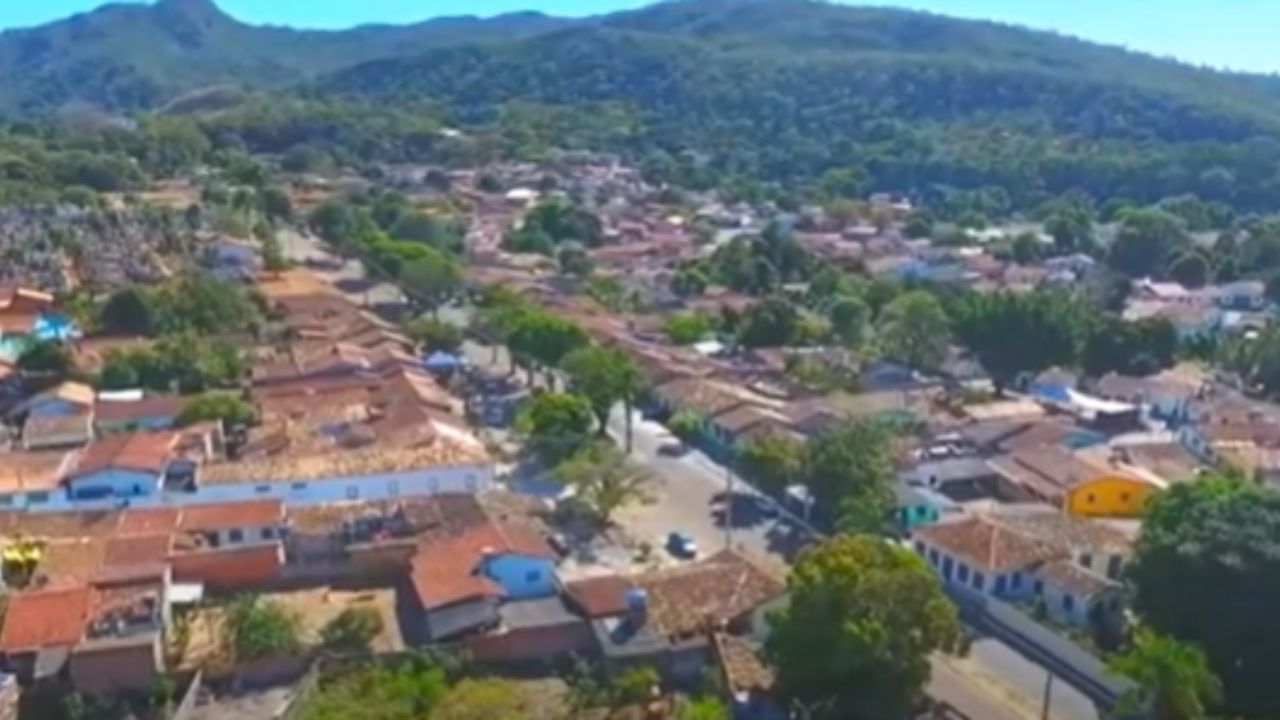
Discover How FICA Transforms the Historical City, A UNESCO World Heritage Site, into the Largest Outdoor Cinema Stage in Latin America, Uniting Past and Future.
In the heart of Brazil, nestled in the Serra Dourada, a historical city where time seems to run slower annually transforms into an epicenter of debates about the future of the planet. Its cobblestone streets, witnesses to the gold cycle, give way to a vibrant cultural corridor. This is the City of Goiás, or Goiás Velho, which for one week becomes a gigantic projection room for the International Festival of Environmental Cinema and Video (FICA).
The event stands out as the largest environmental film festival in Latin America, according to Agência Brasil, not only for its volume but for its unique ability to blend a setting recognized as World Heritage with the forefront of ecological discussion. FICA does not use the city as a mere backdrop; it intertwines with its architecture, history, and soul, creating a space where preserved past becomes a living stage to imagine and fight for the future of the Earth.
A Legacy of Gold and Unique Architecture
To understand the transformation that FICA brings, one must dive into the history of Goiás. Founded in the early 18th century by the bandeirante Bartolomeu Bueno da Silva Filho, the “Anhanguera,” the then Vila Boa de Goiás prospered during the gold rush. According to IPHAN (National Institute of Historic and Artistic Heritage), its founding was a landmark in the occupation of Brazil’s interior. The local architecture reflects this origin, using materials from the land such as adobe and pau a pique, techniques that define its unique and modest visual identity.
-
The Argentine government celebrates the lowest poverty rate in 7 years, but experts warn that the methodology has changed, real wages have fallen, unemployment has risen, and the number of people on the streets of Buenos Aires has increased by 57% since Milei took office.

-
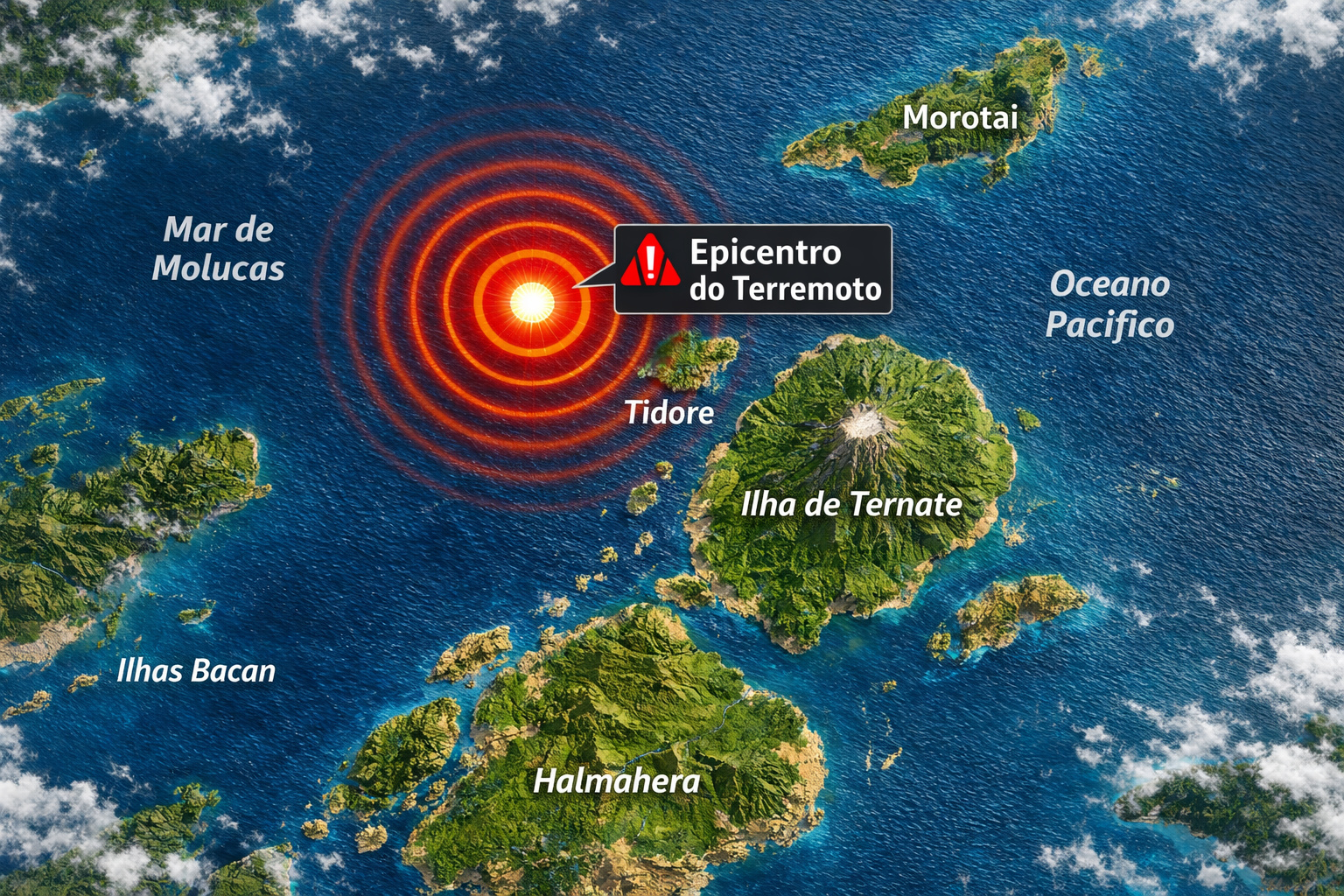
7.8 magnitude earthquake in Indonesia frightens the population, triggers tsunami alert, and hits an island with over 200,000 inhabitants this Thursday.
-
Google will finally let you change that embarrassing Gmail address you created in your teenage years without losing any accounts, logins, or old emails: the feature is already available in the United States.

-
Heading to Brazil in a Bonanza F33 single-engine aircraft: a couple departs from Florida on a visual flight, makes technical stops in the Caribbean to refuel and organize paperwork, and begins the staged crossing until they reach the country.


With the exhaustion of the mines, the city fell into decline, a process exacerbated by the transfer of the capital to Goiânia in 1937. Paradoxically, this stagnation was its salvation. Without the pressure of modernization, Goiás preserved more than 90% of its original colonial-Baroque architecture, an achievement that, according to IPHAN, was crucial for its recognition as Cultural Heritage of Humanity by UNESCO in 2001. The city learned that its greatest treasure was not the gold that was gone, but the history that remained etched in its walls and streets.
Cora Coralina: The Poetic Soul of the Historical City


The identity of Goiás is inseparable from its most illustrious daughter, the poet Cora Coralina. Born Anna Lins dos Guimarães Peixoto Bretas, she translated the soul of her land into verse, writing about everyday life, the narrow streets, and the sweets she made to live. Publishing her first book at the age of 76, her journey reflects that of the city itself: a treasure that took time to be recognized, but whose authenticity proved to be immortal.
The symbiosis between the poet and the city is so profound that, according to Agência Brasil, the life and work of Cora Coralina were a strategic pillar in Goiás’ UNESCO nomination file. Her verses humanized the historical and architectural narrative, giving a universal voice to the local legacy. Today, the Museum House of Cora Coralina, by the banks of the Rio Vermelho, is the most visited tourist spot in the city, a sanctuary that keeps alive the memory of the poet who became synonymous with her homeland.
FICA: A Cinematographic Consciousness for the Continent
It is in this historical scenario that, since 1999, FICA has established itself as a cultural institution of global relevance. Its mission is to serve as a platform for audiovisual productions that explore the complex relationship between humanity and the environment. According to Agência Brasil, the festival has consolidated itself as the largest and most influential event of its kind in Latin America, attracting filmmakers and activists from around the world to the heart of Brazil.
The festival’s reach is evidenced by its numbers. According to the official FICA website (fica.go.gov.br), the 2025 edition received a record 1,446 film entries from 88 countries, demonstrating its global prestige. The programming focuses on competitive showcases, such as the Washington Novaes Showcase, which distributes significant prizes and fosters engaged cinema. The main screenings take place at the historic Cine Teatro São Joaquim, but the real magic of the event lies in how it occupies and re-signifies every space of the historical city.
The City as a Stage: Where the Past Dialogues with the Future
The strength of FICA lies in how it transforms the city itself into its main stage. The Praça do Coreto, the cobblestone streets, and the alleys become settings for cultural interventions, poetry recitals, and performances. The “gigantic projection room” is, therefore, a metaphor for the entire historic center, which becomes an active participant in the festival’s narrative. The city does not merely host the event; it performs it, creating a temporal juxtaposition of immense symbolic power.
In this process, an urban re-signification occurs: a city born from the exploitation of natural resources turns into the epicenter of discussions about conservation. The stones that once witnessed bandeirantes now hear the voices of indigenous leaders and scientists. The official FICA website highlights the creation of spaces like the Multi-Ethnic Tent, which gives prominence to historically marginalized voices. The festival thus becomes a powerful act of historical correction, projecting new ideas onto old structures.
Beyond Films: Music, Debate, and Economic Impact
The vitality of FICA extends far beyond the screen. One of its greatest attractions is the free shows featuring major names in Brazilian music. Agência Brasil reports that the 2025 lineup included artists like Zeca Baleiro and Os Paralamas do Sucesso, attracting tens of thousands of visitors. These concerts serve as a gateway to the environmental agenda, democratizing the festival’s message to a broad audience that might not be drawn solely by cinema.
At the same time, the event promotes an environment of deep intellectual debate, featuring personalities like the indigenous leader Ailton Krenak. The festival’s impact reverberates throughout the region, fostering the creative economy with fairs, workshops, and gastronomic events, as detailed on the official FICA website. By proving that a world-class event can thrive outside the Rio-São Paulo axis, FICA also plays a crucial role in decentralizing culture in Brazil.
An Invitation to Living History
The partnership between the City of Goiás and FICA offers a powerful model of how cultural heritage can be activated to confront the most urgent challenges of our time. Goiás Velho teaches that the past is not just a collection of relics, but a living resource that can amplify the conversations that will shape our future. It is proof that, to see the horizon clearly, one must first look at the stones beneath our feet.
Have you ever visited the City of Goiás during FICA? How do you see this union between a historical heritage and such an urgent debate as the environmental one? Share your perspective in the comments; we want to know your opinion!









-

-

-

-

9 pessoas reagiram a isso.