





 Portuguese
  English
  Spanish
  4 min of reading
  5 comments


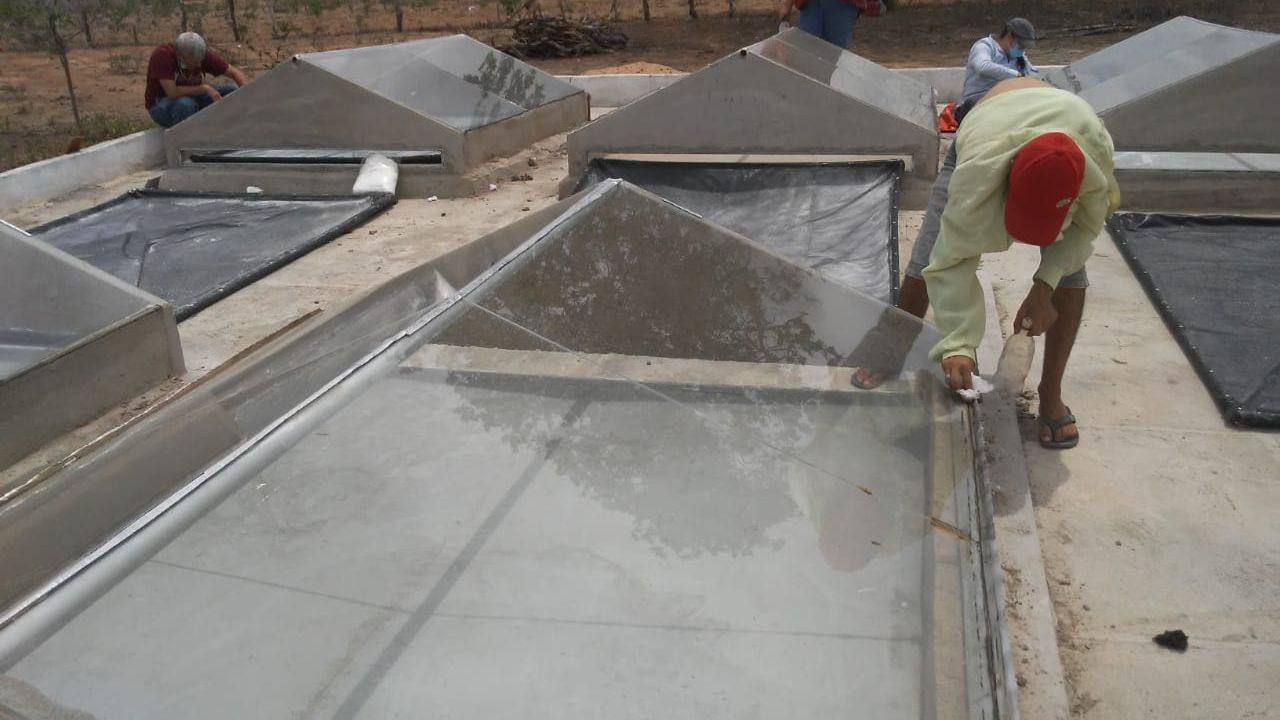


With Simple Technology Created by Researchers from the State University of Paraíba, the System Uses Sun, Glass, and Canvas to Produce Up to 16 Liters Per Day of Freshwater from Saline Wells
In the Paraíba Cariri, families transform salty water into drinking water in a scenario where every sip counts. In one of the regions with the least rainfall in the country, the routine is guided by extreme economy, reuse, and cisterns, because water is worth more than gold when drought strikes.
Even with water underground, the reality for many residents is harsh: to drill a well, one must overcome deep rock, and when the water finally appears, it is too saline to drink. That’s where a low-cost, simple maintenance solution came into play, capable of changing the lives of those who deal with scarcity daily.
The Drought That Changes the Value of Everything
In the aridity of Cariri, water defines what can be planted, what can be raised, and even what can be dreamed. When the rain fails, there is no room for waste.
-
While the world looks at oil, the war with Iran is already disrupting helium supply from Qatar, affecting car and iPhone chips, threatening AI expansion, and putting pressure on aluminum packaging at the highest value in four years.

-
Global warming will expose a treasure hidden under the ice of Antarctica and may spark an international dispute over gold and valuable minerals.

-
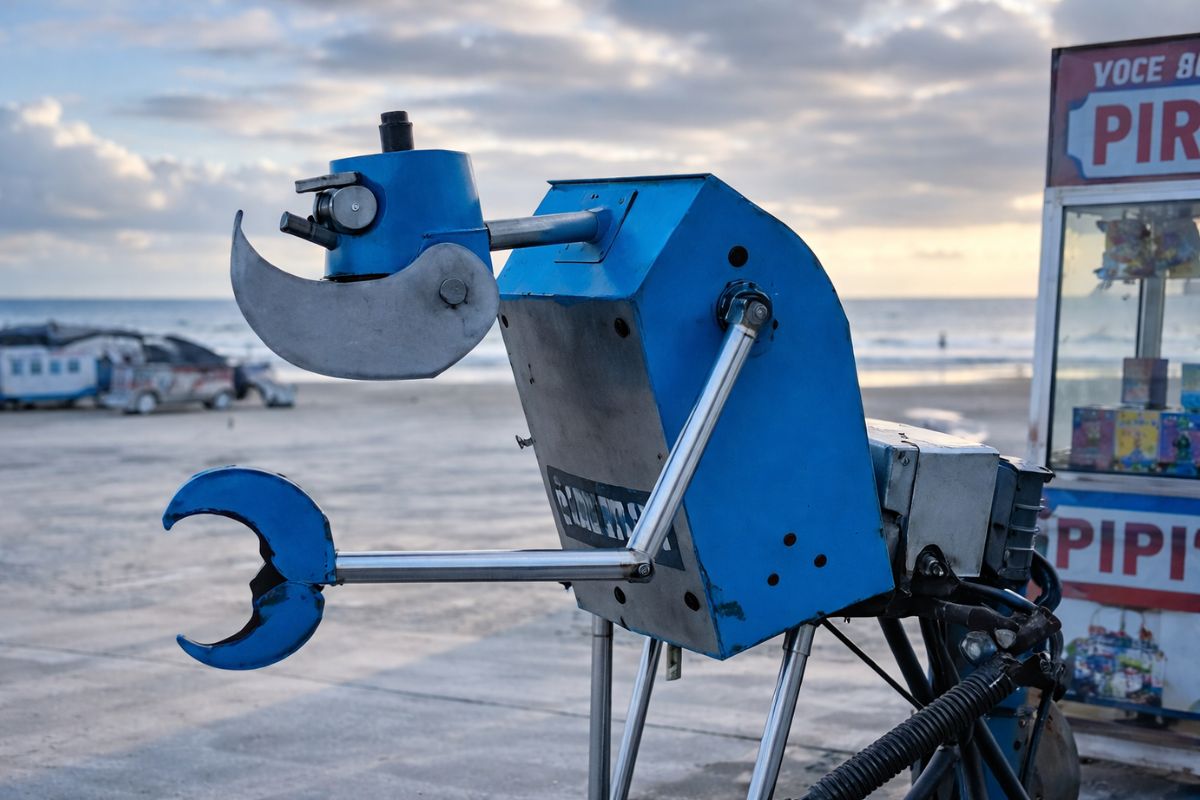
A street vendor from Praia Grande built a robot made of scrap from scooters and washing machines that pulls his popcorn cart on the beach, emits sounds, and interacts with customers, becoming an attraction on the coast of São Paulo.
-
The specifications of the Xiaomi 18 Pro Max have been leaked, and the highlight is a dual 200 MP camera with a new 22-nanometer technology that promises to consume less energy and capture details in shadows and bright areas using LOFIC HDR.


Every Drop Becomes a Strategy, whether it is water for reuse, from a dam, or from a cistern, because the priority is to survive with the minimum.
The Well Exists, But the Water Is Not Drinkable
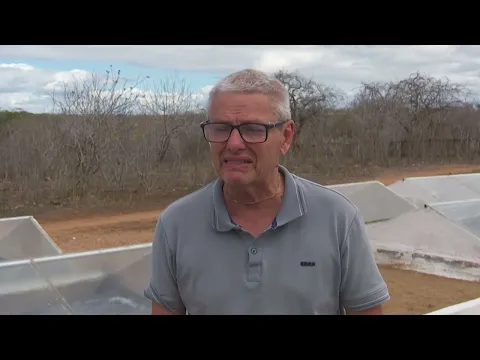

The presence of groundwater does not guarantee safety. In Caraúbas, for example, the well water is described as “very saline,” to the point that it is used first for animals.
In measurements taken by technicians, the size of the challenge is clear: 7 g of salt per liter, above the limit indicated for drinking water, which is at most 5 g of salt per liter. Result: having water and not being able to drink it becomes a daily frustration.
The Turning Point Came from Research and Simplicity
The answer came from the determination of students and researchers from the State University of Paraíba. Research began in 2010 with a clear goal: to create equipment that is simple, easy to install, easy to maintain, and low cost.
That’s how families transform salty water into drinking water with a system made from accessible materials in the region, such as glass, cement, and canvas.
How the Solar House That Desalinates Works
The desalinator works like a greenhouse. The house is supplied with saline water from the well and, with the heat of the sun from the caatinga, the internal temperature can reach 70ºC.
The steam rises, hits the glass ceiling, flows down the side gutters, and is ready for consumption, while the salt remains trapped in the canvas. Then, it’s cleaning and reuse, without relying on sophisticated equipment.
How Much Water It Produces and Why This Makes a Difference
Each house produces up to 16 liters per day of fresh water. In practice, the equation presented is straightforward: for every 50 liters of saline water, the desalinator produces 16 liters of fresh water.
It is not a solution for waste; it is a solution for the essentials: drinking safely, cooking, and ensuring dignity in a place where access to good water is the biggest bottleneck.
The Real Impact on Families in the Semiarid Region
Only in Paraíba, 200 families already use the system, according to reports from the field. And the effect is not just physical. When families transform salty water into drinking water, they gain autonomy and a new standard of tranquility.
The water is described as “excellent,” even compared as better than mineral water by those who spent years drinking what was available, not what was ideal. After everything that has happened, it feels like a miracle, but it is technology applied to the realities of the semiarid region.
What’s Ahead
The next step of the research is to find a way to take advantage of the salt that remains after purification.
In the meantime, the change is already reaching the future at home: with good water, families are returning to plan their permanence in the territory and strengthening a path of coexistence with the semiarid region, linked to agroecology and to technologies suitable for the local context.
In your opinion, families transforming salty water into drinking water with solar houses should become public policy throughout the semiarid region, or do you see limitations that need to be addressed first?








O governo deveria aproveitar o conhecimento do sertanejo e ajudá-los,
Nao é necessário repensar o que ja foi pensado e funciona.
Eu moro no cariri psraibano,numa chácara e a água que utilizo é salobra. De poço artesiano. Gostaria de saber como conseguir esse equipamento desalinizador. Se puder me dar um retorno eu agradeço imensamente. Meu e-mail Eroslenita@gmail.com.
É essencial que se aumente a escala de produção dessa água potável. Processos mais bem elaborados devem ser desenvolvidos para tal objetivo. No entanto, não devemos esquecer de tratar esse sal resultante da extração da água potável, entendo que esse sal não deve ser apenas um rejeio, mas um produto que deve ter uma aplicação econômica e ecológica