





 Portuguese
  English
  Spanish
  5 min of reading
  2 comments


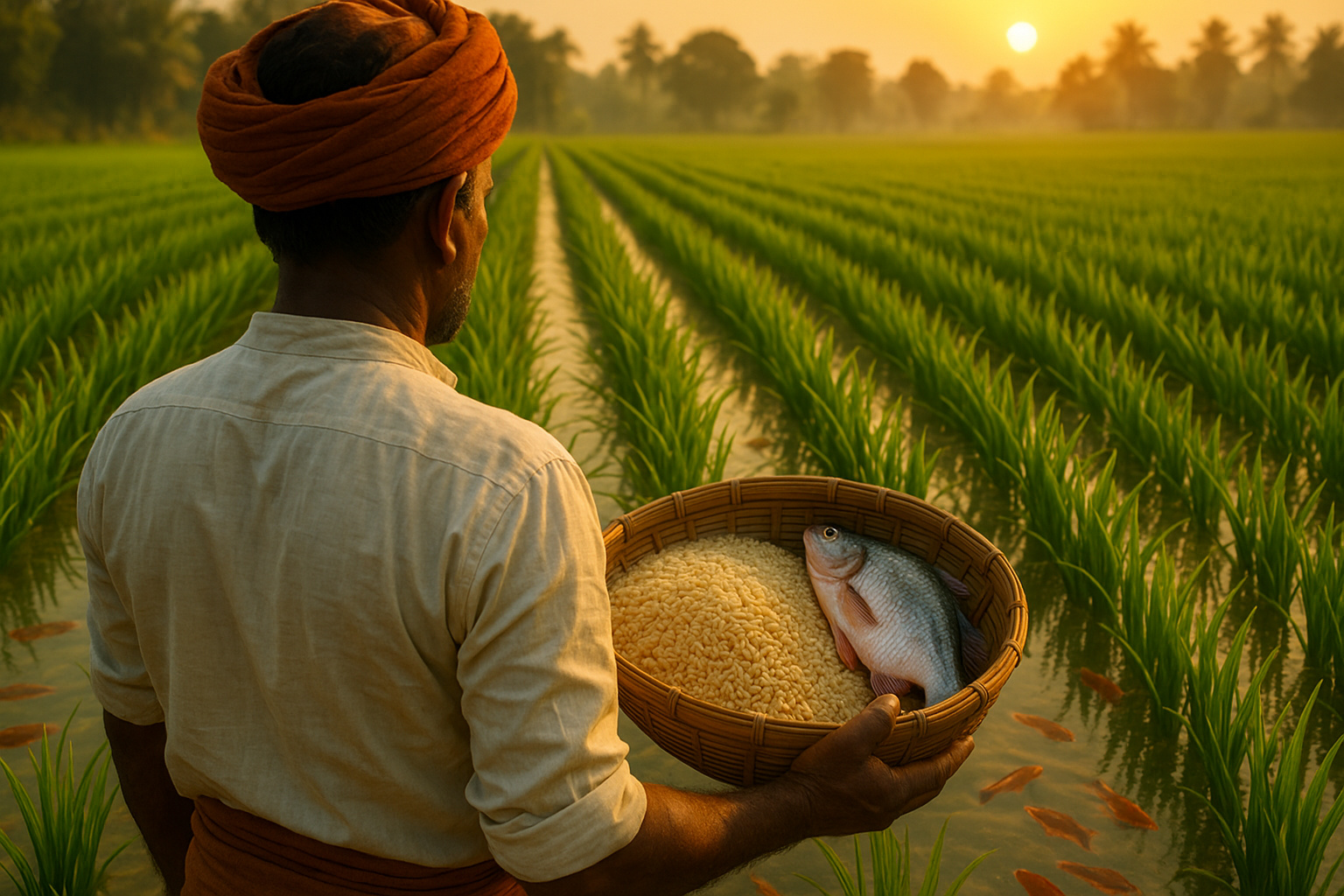


In The Same Hectare, Indian Farmers Start Producing Rice And Fish Together, Boosting Income By Up To 70%, Reducing Costs, And Making The Country A Global Reference In Integrated Agriculture.
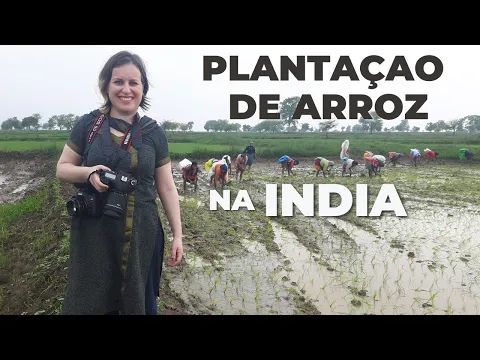
In the world’s largest democracy, where agriculture sustains the income of hundreds of millions of families, a silent revolution is changing the way the country produces food. In states like Assam, Odisha, West Bengal, and Andhra Pradesh, farmers are transforming their rice fields into dual production systems, creating rice and fish simultaneously — without expanding land, without requiring large investments, and with results that draw international attention.
The practice, although ancient in some regions of Asia, has gained scale and scientific structure in recent decades thanks to the Indian Council of Agricultural Research (ICAR), the body responsible for researching, standardizing, and disseminating agricultural technologies in the country. Today, it is recognized by the FAO as one of the most efficient ways to use irrigated land in the world, capable of increasing the incomes of small producers by up to 70%.
The System That Transforms A Simple Rice Field Into A Complete Productive Ecosystem
The model works ingeniously. Since rice is a crop that needs waterlogged conditions to grow, ICAR researchers realized that this same environment could serve for the cultivation of native freshwater fish, such as: rohu (Labeo rohita), catla (Catla catla), mrigal (Cirrhinus mrigala)
and, in some regions, tilapia and ornamental fish.
-
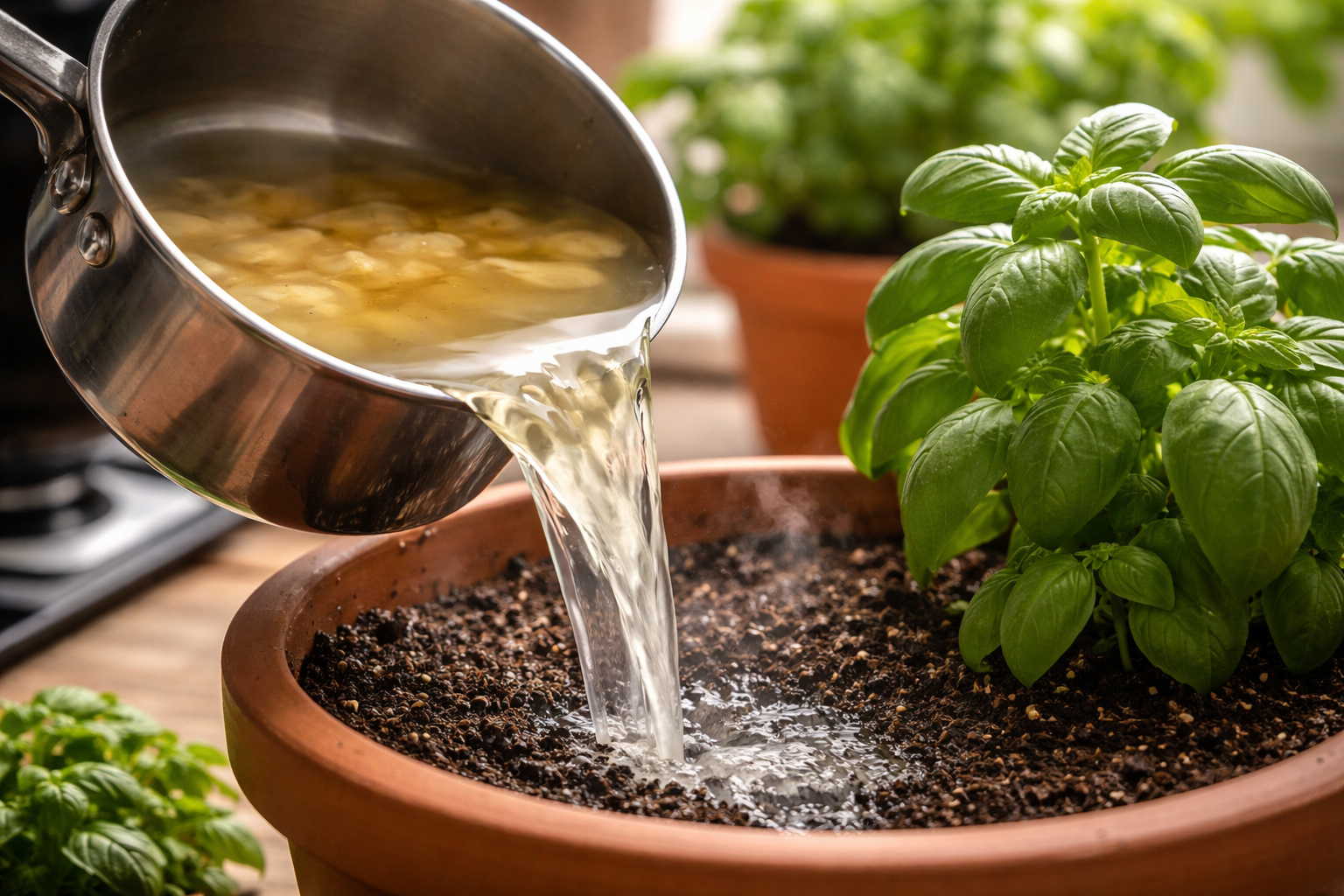
The water that almost everyone throws away after cooking potatoes carries nutrients released during the preparation and can be reused to help in the development of plants when used correctly at the base of gardens and pots, at no additional cost and without changing the routine.
-
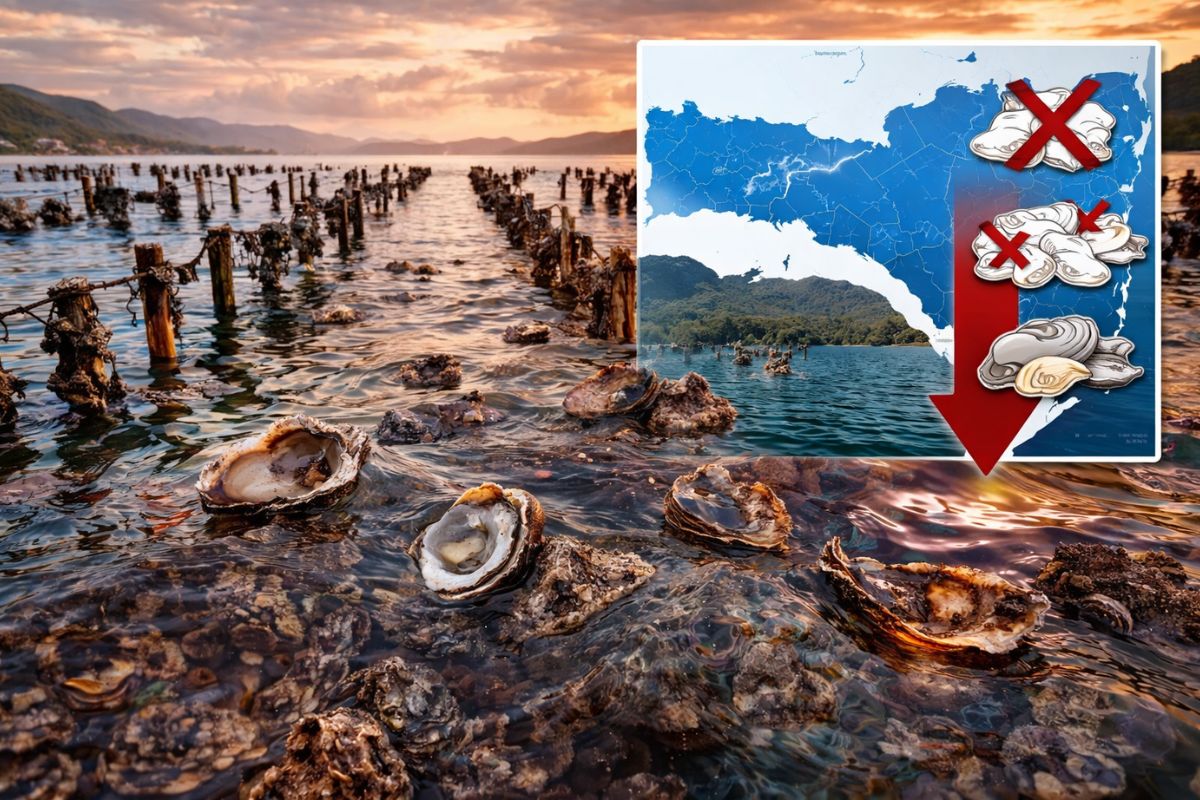
The sea water temperature rose from 28 to 34 degrees in Santa Catarina and killed up to 90% of the oysters: producers who planted over 1 million seeds lost practically everything and say that if it happens again, production is doomed to end.
-
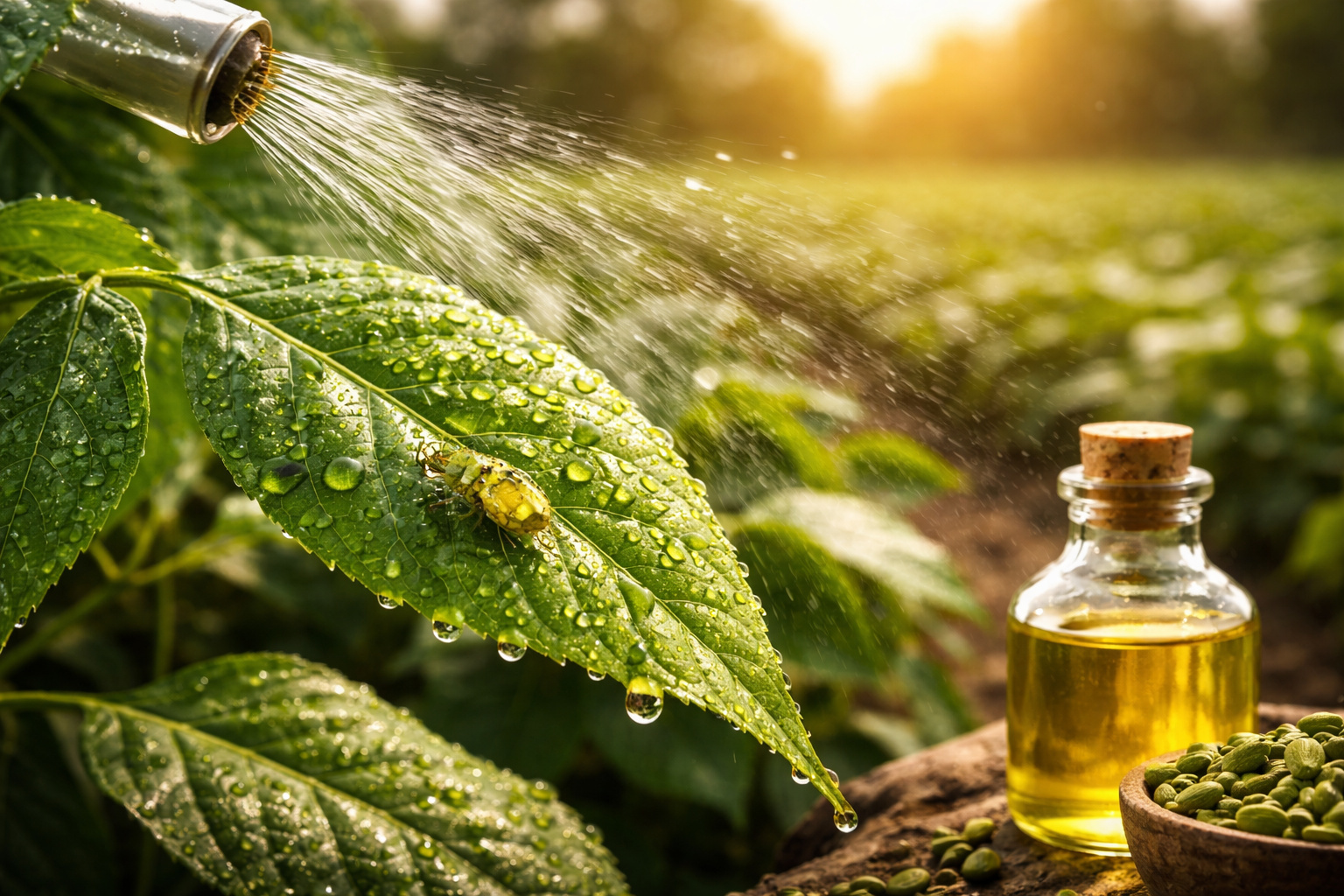
An Indian tree that grows in the Brazilian Northeast produces an oil capable of acting against more than 200 species of pests and interrupting the insect cycle, gaining ground as a natural alternative in soybean, cotton, and vegetable crops.
-
The rise in oil prices in the Middle East is already affecting Brazilian sugar: mills in the Central-South are seeing their margins shrink just as ethanol gains strength.

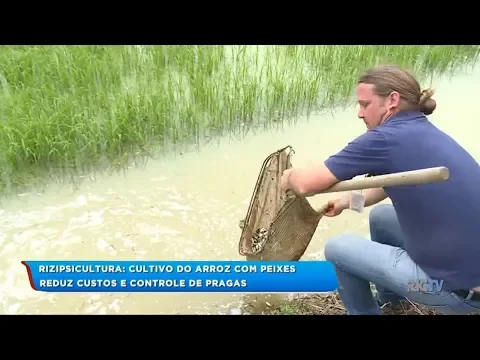

The structure is simple: the producer digs lateral trenches or small refuge tanks within the rice field. These spaces serve for the fish to hide during maintenance periods and ensure enough water volume for their cultivation.
When the rice field is flooded — something that is already part of the traditional process — the fish disperse among the planting rows, feeding naturally on insects, algae, and organic waste. This creates a closed productive cycle, where each element favors the other.
Higher Productivity Without Expanding Any Meter Of Land
The main differentiator of the technology is simple: the same area produces double the results.
While rice grows, the fish feed without the need for commercial feed, drastically reducing production costs.
According to studies from ICAR, farmers who adopted the system reported:
- an increase of up to 70% in annual income,
- a significant reduction in pesticide use (because the fish consume natural pests),
- improvement in soil fertility thanks to the nutrients released by the fish.
In practice, rice becomes more resilient, water is better utilized, and the producer gains an additional source of protein and profit — without deforesting, without expanding reservoirs, and without drastically altering the farming routine.
A Model That Reduces Costs And Increases Food Security
The simultaneous cultivation of rice and fish has become a key component in India’s food security strategy. The country, which is experiencing strong population growth, faces the challenge of increasing food production in limited areas and under strong climate pressure. With the integrated system, the producer saves on pesticides, fertilizers, feed, and additional labor.
This occurs because the fish naturally perform part of the biological control and nutrient cycling. The FAO considers the model one of the most efficient in the world in terms of energy-product ratio, given that the rice field begins to function as a self-regulating microecosystem.
The Strength Of Small Producers And The Rural Transformation Of India
The majority of farmers adopting the technique have small properties, often less than one hectare. For this audience, the difference between producing only rice and producing rice + fish can be the line that separates subsistence from financial stability.
The Indian government has created incentive programs, training, and targeted credit, including demonstrative field projects in states like Assam and West Bengal. In these regions, the results were so significant that the practice began to be seen as a national solution to:
- increase rural income
- combat malnutrition
- generate jobs in the countryside
- reduce urban migration
With over 1.4 billion inhabitants, any efficiency gain has a continental impact — and this is one of the reasons why the technique has begun to be followed by other countries, such as Bangladesh, Vietnam, Nigeria, and Indonesia.
What The FAO Says: India As A Global Reference
Reports from the FAO on integrated systems highlight India as an example of sustainable production in densely populated regions. According to the organization, the country has managed to adapt a traditional model to modern productivity demands, transforming it into public policy.
The rice + fish system began to receive certifications and technical standards — a rare occurrence in family farming technologies — which paved the way for exports, school feeding programs, and short marketing chains.
Positive Environmental Impacts And A Cleaner Productive Cycle
The advantages are not just economic. The system reduces emissions associated with industrial fertilizers, decreases salinization problems, and improves water quality, as the management is less aggressive than intensive cultivation common in many regions of Asia.
Moreover, it reduces the proliferation of disease-vector mosquitoes, as the fish consume larvae, generating an additional sanitary benefit — something particularly important in wet areas with high incidence of dengue and malaria.
How India Transformed An Ancestral Technique Into A National Economic Engine
What makes the Indian experience special is not the practice itself, but the scale and planning. Instead of viewing the rice field as a monoculture, the country has begun to see it as a multifunctional system, capable of generating grain, animal protein, income, food security, and environmental resilience.
As a result, states that previously recorded low agricultural productivity are now presenting competitive numbers with richer regions of the country.
An Invisible Revolution That Changed India’s Productive Map
While the world discusses how to produce more food with less land, India has created a practical, simple, and replicable solution. The rice + fish system does not require expensive machinery, does not demand agricultural expansion, and does not destroy natural ecosystems. It is a strategy of income, nutrition, and sustainability combined in a single space.
If the country maintains its current pace of expansion, it could double the share of integrated production in a few years and establish itself as a global reference in multifunctional agriculture, inspiring other developing nations to follow the same path.









Quando.eu Nelsomar Pereira Fonseca, trabalhava na EMATER MG no município de Aimorés MG, distrito de São Sebastião da Vala, tiamos uma unidade demonstrativa (UD) de RIZIPISICULTURA, consócio de arroz irridado (provarzeas) e peixe tilápia, usando o mesmo sistema de refúgio, na propriedade do senhor Ciro Candido da Rocha, com coordenação do Dr Máximo Manoel dos Santos do escritório de Governador Valadares na década de 80.
Os indianos dano lição ao mundo, bom do Brasil segui la. Aqui só se vê destruição do meio ambiente e é a maior reserva de água doce do planeta. PARABÉNS INDIANOS!