





 Portuguese
  English
  Spanish
  4 min of reading
  0 comments


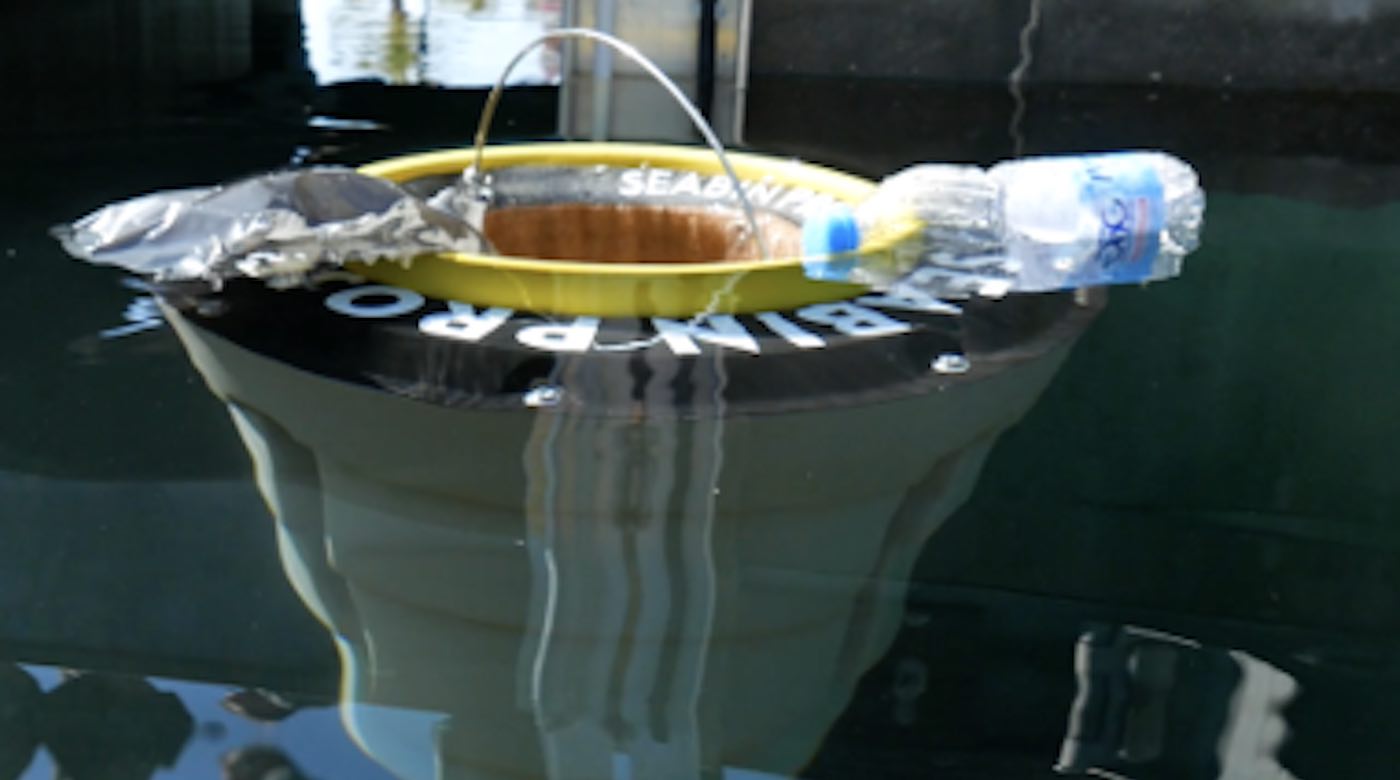
Floating Equipment Operates In More Than 50 Countries Capturing Microplastics, Oil And Debris Before They Reach The Open Ocean.
In ports and marinas where recreational boats share space with floating debris, a partially submerged cylindrical device works almost invisibly. While the water’s surface appears calm, an internal pump continuously sucks up debris that accumulates around the vessels. The system is called the Seabin project.
Created in Australia in 2015 by surfers Andrew Turton and Pete Ceglinski, the project was born from direct observation of coastal pollution. Instead of acting only at open sea, the aim was to tackle the problem at the concentration point: marinas and closed ports where floating debris tends to accumulate before being carried by currents to the ocean.
Since then, the equipment has been installed in dozens of countries. Data released by the organization itself indicate its presence in more than 50 nations and hundreds of units operating in port environments.
-
Motorola launched the Signature with a gold seal from DxOMark, tying with the iPhone 17 Pro in camera performance, Snapdragon 8 Gen 5 that surpassed 3 million in benchmarks, and a zoom that impresses even at night.

-
Satellites reveal beneath the Sahara a giant river buried for thousands of kilometers: study shows that the largest hot desert on the planet was once traversed by a river system comparable to the largest on Earth.

-
Scientists have captured something never seen in space: newly born stars are creating gigantic rings of light a thousand times larger than the distance between the Earth and the Sun, and this changes everything we knew about stellar birth.

-
Geologists find traces of a continent that disappeared 155 million years ago after separating from Australia and reveal that it did not sink, but broke into fragments scattered across Southeast Asia.

How The Seabin Works In Practice
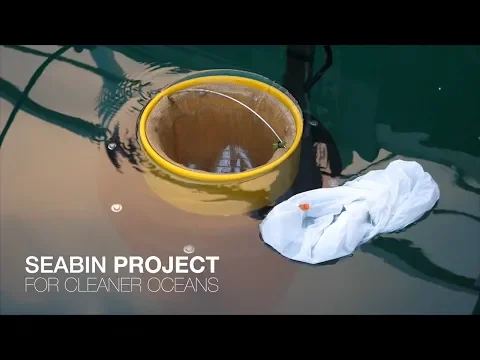

The Seabin is installed on the side of docks or fixed structures within the marina. It works like a floating garbage can connected to an electric pump.
The pump creates a constant suction flow, pulling water from the surface into an internal collection bag. This bag acts as a filter, retaining solids while the water returns to the environment.
The system is capable of capturing:
- Rigid and flexible plastics
- Cigarette butts
- Microplastics
- Organic waste
- Floating oil and fuels
The difference lies in the fine mesh of the filter, which allows it to capture microplastic particles just a few millimeters in size.
Each unit operates 24 hours a day, as long as it is connected to the marina’s electrical grid. Maintenance consists of periodically removing the collection bag and cleaning the system.
According to project estimates, a single unit can remove approximately 1.5 kg of waste per day, depending on the local concentration of pollutants. Over a year, this can represent more than half a ton of trash captured per unit.
On a global scale, data released by the organization indicate thousands of tons have already been removed since operations began.
Why Act In Marinas And Not In Open Ocean?
The Seabin strategy is preventive. A large portion of marine debris enters the ocean through rivers, urban systems, and port areas. Marinas function as natural retention zones. Weak currents and fixed structures favor the accumulation of waste.
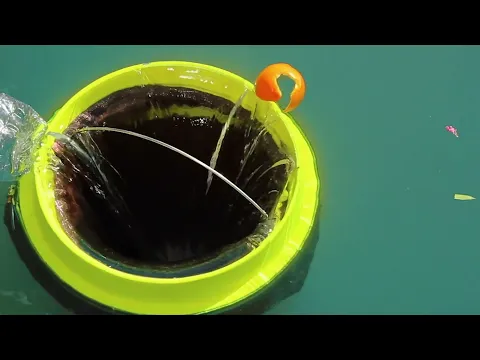
By installing the equipment at these locations, the project aims to intercept debris before it disperses into open waters, where collection becomes more complex and costly.
Microplastics represent an even greater challenge. Degraded plastic fragments are ingested by fish, birds, and other marine organisms, entering the food chain.
Early capture reduces the potential for the dispersion of these fragments.
International Expansion And Accumulated Impact Of The Popular “Sea Garbage Bin”
Since its official launch following a crowdfunding campaign, the Seabin has been adopted by private marinas, yacht clubs, commercial ports, and local governments.
Coastal cities in Europe, North America, Asia, and Latin America have integrated the equipment into sustainability programs.
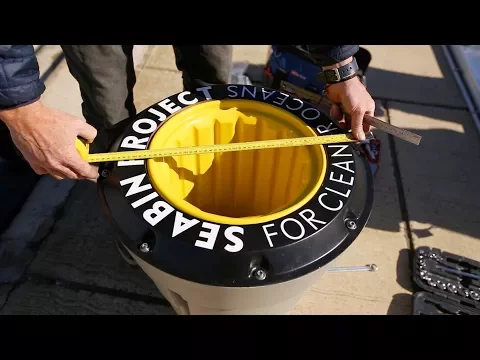
According to reports from the project itself, the Seabin has already collected millions of kilos of floating debris and billions of plastic microfibers. The numbers vary depending on the period and the number of installed units, but they indicate continuous operation and gradual expansion.
In addition to direct collection, the project has also begun using data obtained from the collection bags to map predominant types of pollutants in certain regions.
This information assists studies on the origin of marine debris and disposal patterns.
Technical Limitations And Criticisms Of The Seabin
Despite its global expansion, the Seabin does not solve the problem of ocean pollution on a total scale. It only operates in sheltered areas where there is infrastructure for electrical installation and maintenance. It is not designed to operate in open sea or in areas with strong currents.
Moreover, its daily capacity is limited compared to the global volume of waste dumped into the oceans, estimated at millions of tons per year by international organizations.
Critics point out that interception solutions must be combined with policies to reduce plastic production and disposal at the source.
Even so, experts recognize the value of the equipment as a complementary tool in coastal management programs.
Silent Barriers Against Pollution
The image of large ships collecting plastic in the middle of the Pacific often grabs more attention. But in ports around the world, small cylindrical structures are operating continuously, capturing debris before it disappears into ocean currents.
The Seabin is not a definitive solution to environmental collapse. It does not replace public policies nor eliminate the need to reduce consumption.
But it represents a practical and localized approach: preventing part of the waste from moving beyond the point where it can be controlled. Installed in more than 50 countries, the system has become a symbol of a decentralized response to marine pollution.
As long as plastic continues to be produced on an industrial scale, floating equipment works silently in marinas, serving as discreet barriers on one front of the battle against ocean contamination.








-

-

-

-

-

36 pessoas reagiram a isso.