





 Portuguese
  English
  Spanish
  3 min of reading
  0 comments



Historical Drop In Oil Well Drilling Raises Alert In Brazil, While Pre-Salt Dominates Production And Exports Hit Records In 2025.
While oil export numbers soar, a troubling statistic advances in the background. The number of new wells drilled in Brazil has been falling rapidly.
In just ten years, this reduction reached 80%. At the same time, production is increasingly concentrated in a single area: the pre-salt.
This contrast raises doubts about the future of the sector. After all, the country is breaking records today, but it may face difficulties tomorrow.
-
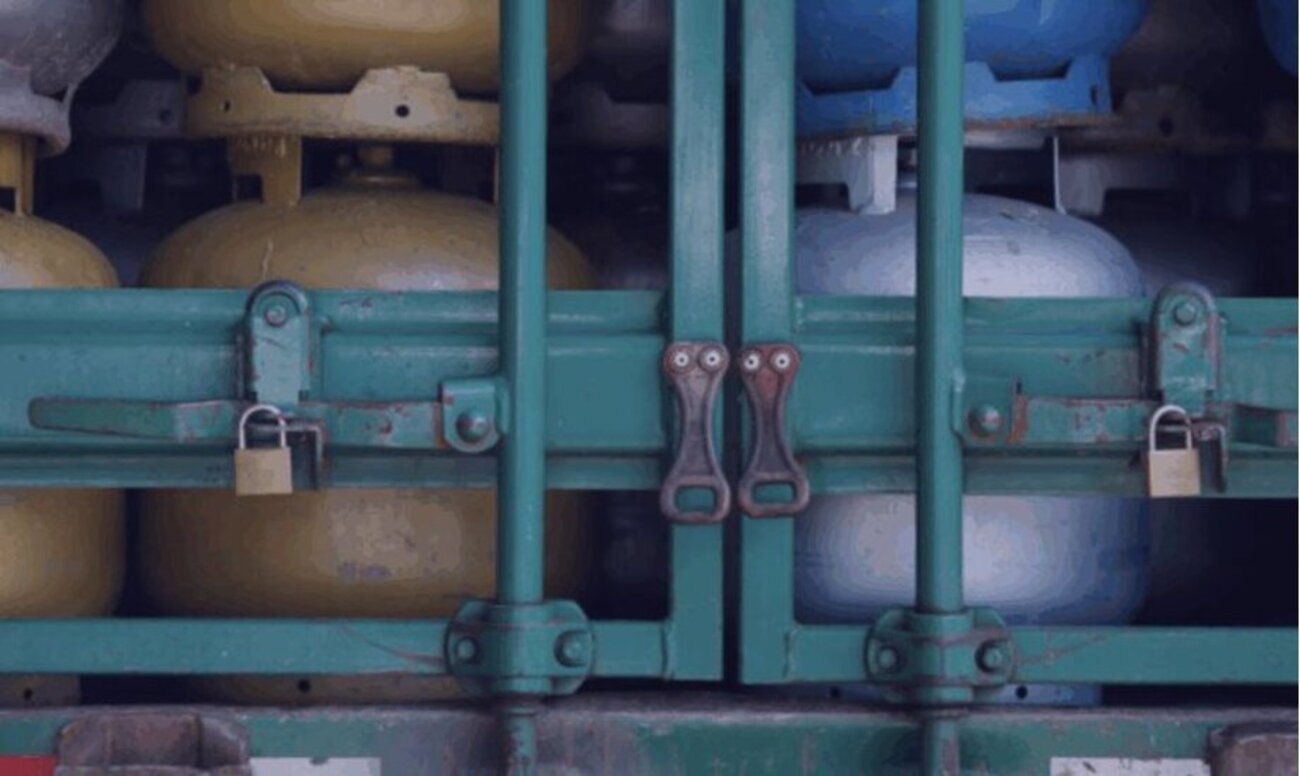
Petrobras evaluates suspension of sales to distributors and considers canceling the cooking gas auction following guidelines from the Federal Government.
-
Lula reveals a masterstroke by Petrobras to undo a deal made by Bolsonaro, which involves the return of an important refinery that currently produces less than half of what was expected and makes Brazil dependent on international diesel.

-
A study confirms that the natural gas sector will reduce greenhouse gas emissions in Brazil by 0.5% and accelerate the energy transition by 2026.

-
Petrobras implements a severe adjustment and confirms a 55% increase in the price of aviation kerosene with a proposal for installment payments for the companies.


Oil Well Drilling Plummets And Worries Experts
Between 2016 and 2025, Brazil drilled only 203 oil wells. In the previous period, between 2006 and 2015, this number was much higher: 936 wells. The data comes from the Institute of Strategic Studies of Oil, Natural Gas, and Biofuels (Ineep).
The difference shows a severe shrinkage in the search for new reserves. For the sector, this means fewer options in the future. And less energy security for the country.
The general coordinator of the Unique Federation of Oil Workers (FUP), Deyvid Bacelar, reacted to the data released by Petrobras this week. “Brazil urgently needs to expand its oil reserves in order to ensure energy security and the country’s prominence in the oil and gas market,” he stated.
Reserves Grow, But Oil Exploration Rate Continues To Fall
Even with the reduction in new wells, Petrobras has managed to increase its reserves. In 2024, the state-owned company added 1.7 billion barrels of oil equivalent. This brought the reserve replacement rate to 175%, the best result in ten years.
Even so, the alert remains. According to Bacelar, this advance does not solve the structural problem. “The result is important, but what we need are greater investments in exploration, looking for new oil reserves.”
Moreover, global energy demand continues to grow. Therefore, pressure on the sector only increases.
Another point that stands out is the concentration. In 2025, about 84% of all oil produced in Brazil came from the pre-salt. This means that almost all production depends on a single region.
According to Ineep, this area has high productivity and lower costs. Therefore, it sustains Petrobras’s financial results. Even with lower international prices, the state-owned company has managed to maintain good numbers.
“The numbers confirm the centrality and dependency on the pre-salt in Petrobras’s operations,” points out the institute.
Oil Exports Hit Records And Reinforce Dependency
With more production, exports also grew. In 2025, Petrobras exported about 765 thousand barrels of oil per day. This represented a 27.1% increase compared to the previous year.


This record strengthens the company’s cash flow. However, it also deepens Brazil’s profile as a crude oil exporter rather than a producer of derivatives.
Ineep warns of two main issues. The first is the accelerated exploration of the pre-salt, which may be aimed only at quick profits. This, in turn, weakens long-term planning.
The second point is the lack of investment in refining. Without this, the country continues to import derivatives, such as diesel, even while producing a lot of oil.
“Energy resources, and particularly oil and gas, should be understood as strategic assets for energy sovereignty and national development, not merely treated as commodities aimed at generating immediate financial results.”









Seja o primeiro a reagir!