





 Portuguese
  English
  Spanish
 3 min of reading
  12 comments


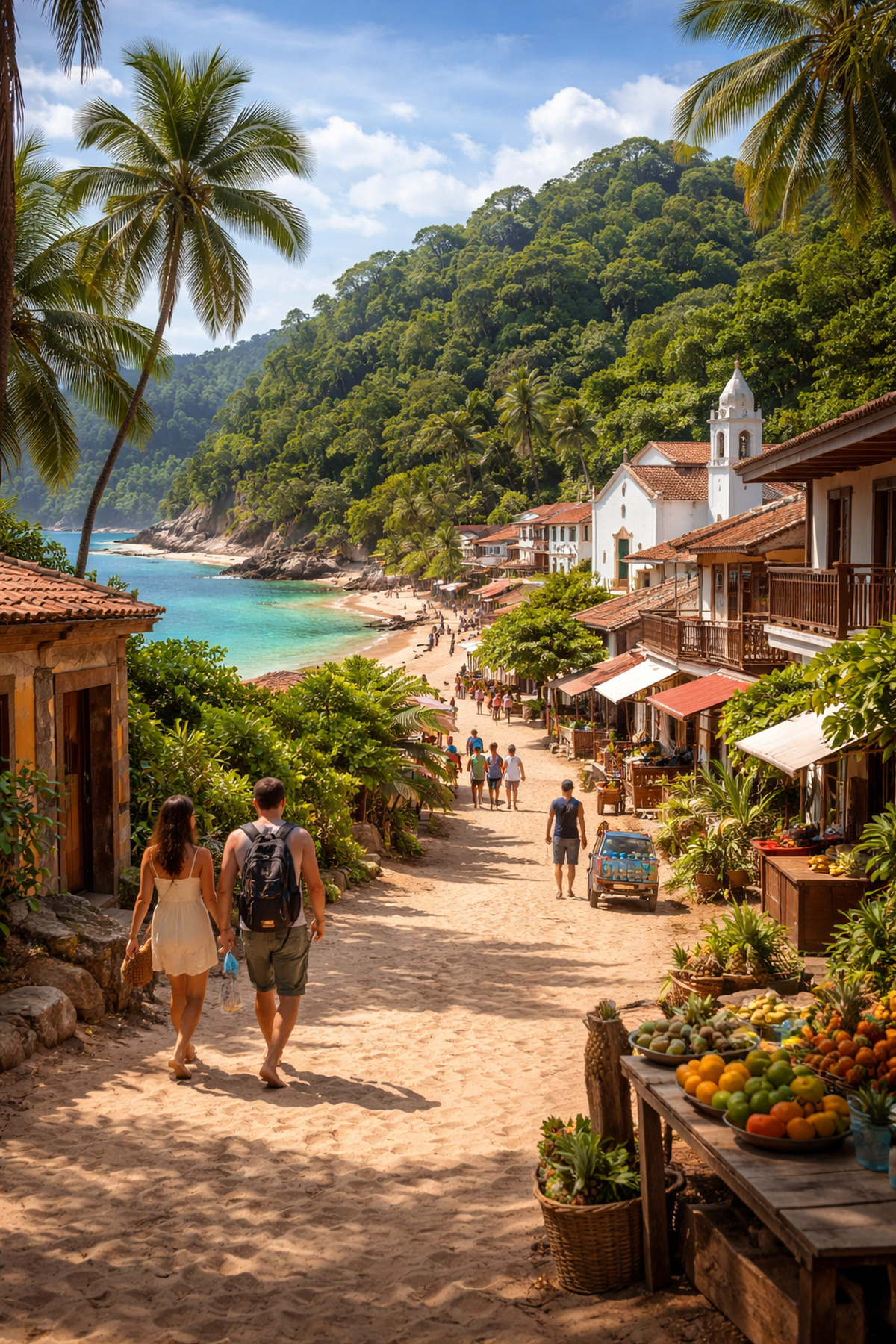


Bahia Island District Has Operated for Decades with Restricted Access, Pedestrian Mobility, and Maritime Transport, Creating a Rare Model of Environmental Preservation, Urban Organization, and Cultural Identity
Therefore, Morro de São Paulo, located on Tinharé Island, has maintained exclusive access by boat and plane for decades. Thus, the total absence of automobiles, adopted as a daily rule, has shaped the urban space and local way of life over time.
Since then, sand and stone streets have replaced paved roads. Additionally, walking has become a daily practice. Consequently, luggage circulates in wheelbarrows, while goods arrive by sea, which has, therefore, reduced aggressive structural interventions.
This simple yet continuous model has curbed the disorderly urban expansion. Thus, sensitive areas of the Atlantic Forest and the coastal strip have been preserved, according to regional environmental records consolidated over the past decades.
-
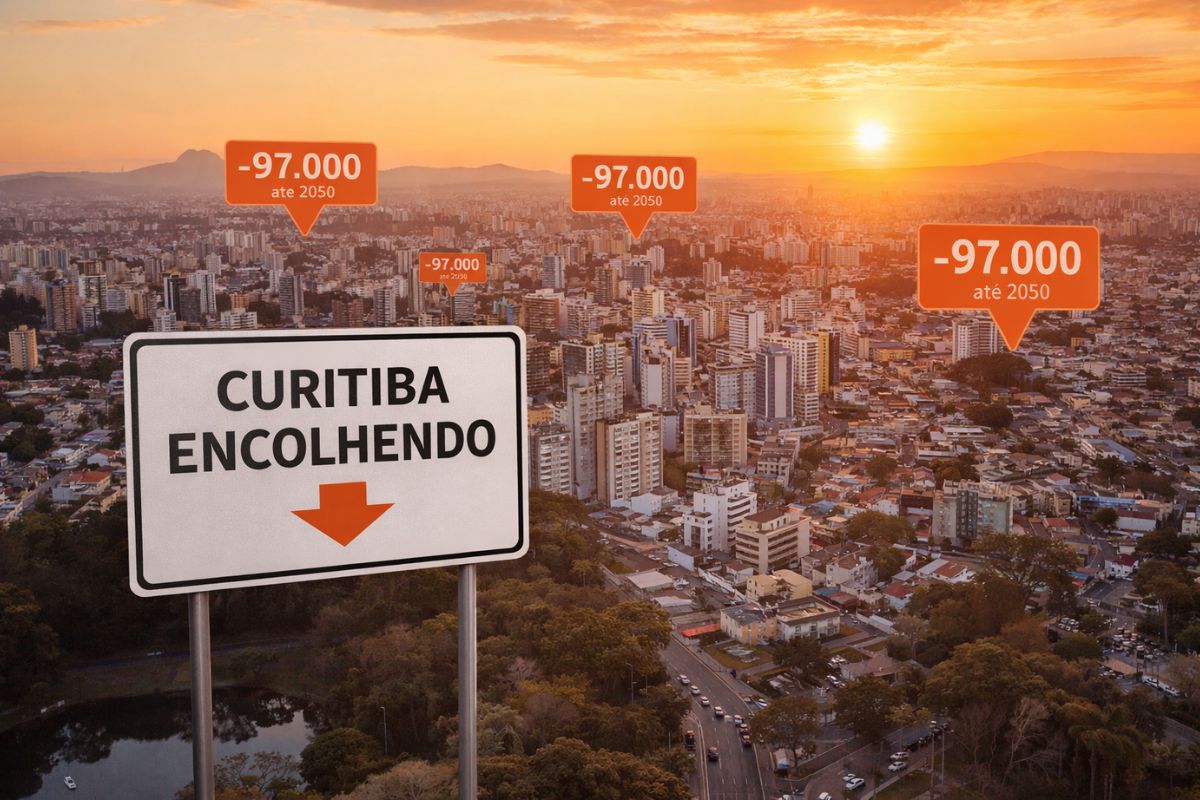
Curitiba is shrinking and is expected to lose 97,000 residents by 2050, while inland cities in Paraná such as Sarandi, Araucária, and Toledo are experiencing accelerated growth that is changing the entire state’s map.
-
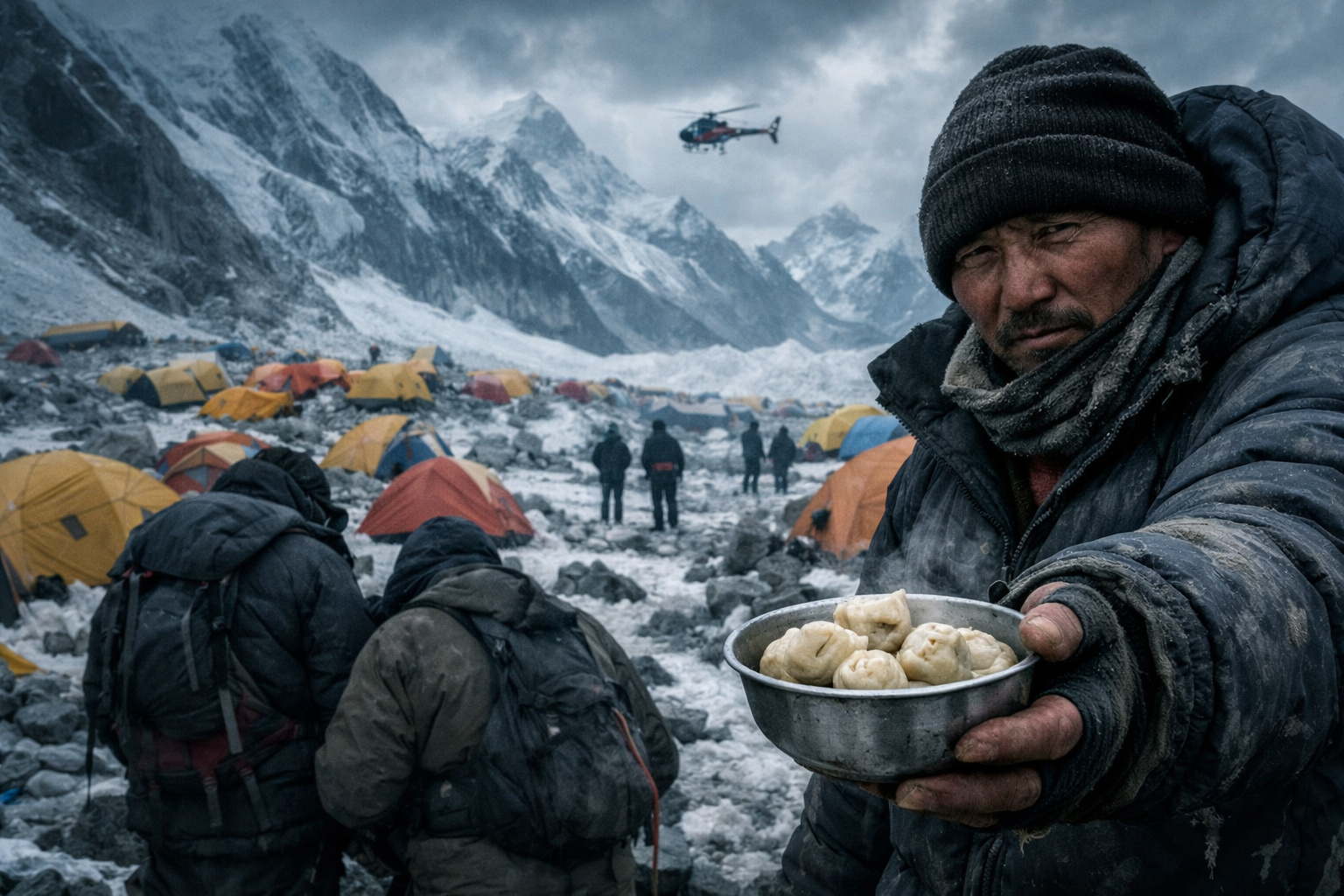
Tourists were poisoned on Everest in a million-dollar fraud scheme involving helicopters that diverted over $19 million and shocked international authorities.
-
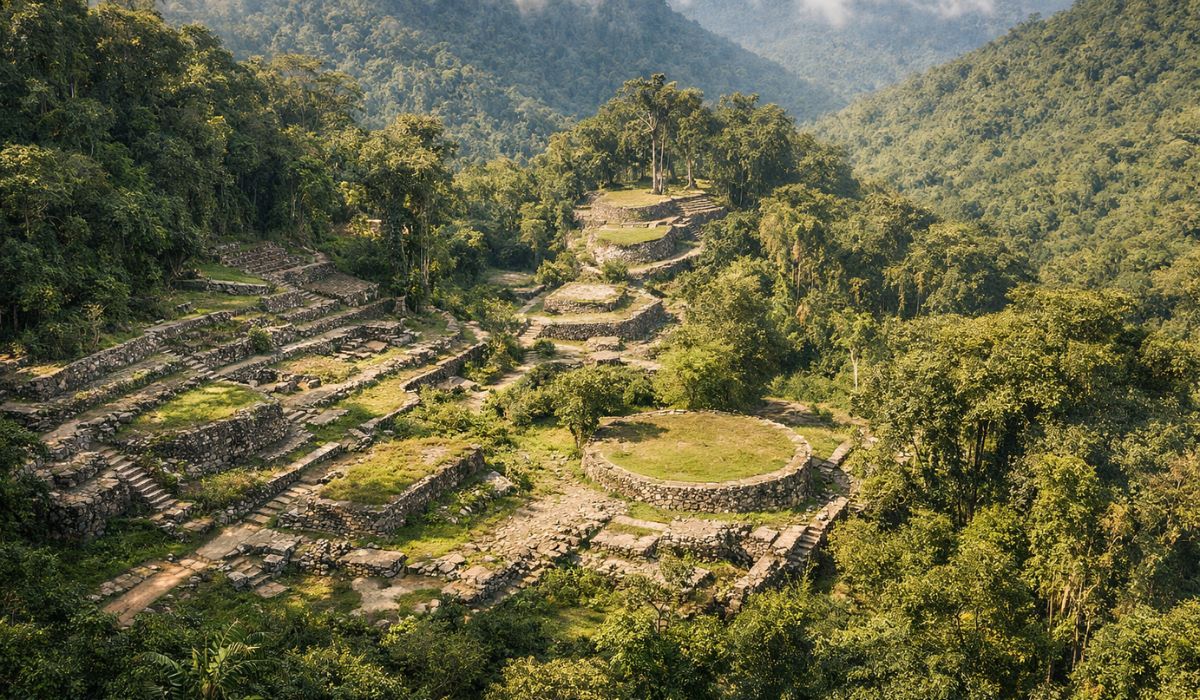
Hidden beneath the dense forest of the Sierra Nevada, Betoma emerges in a neighbor of Brazil as the greatest archaeological discovery of the century, revealing a colossal ancestral city covering over 18 km², with 8,334 stone structures and the potential to rewrite the history of South American civilizations.
-
Goodbye iron: new technology from Xiaomi promises to revolutionize the way we iron clothes with 500 kPa steam, continuous flow of 120 g/min, heating in 65 seconds, and six smart modes for different fabrics.



Territorial Organization Reveals Clear Contrasts Between Beaches
The local territory is structured around numbered beaches, although the use of space reveals evident contrasts. While Second Beach concentrates bars, parties, and water sports, Fourth and Fifth Beaches maintain long stretches that are almost empty. Thus, natural pools emerge at low tide, reinforcing landscape preservation.
Among these points, inns and residences coexist with preserved vegetation areas. Thus, the physical limitation of the island imposes natural barriers to rapid growth. However, real estate pressure persists, raising the cost of living, especially during peak seasons.
Historical Heritage Reflects the Brazilian Colonial Period
In addition to the natural landscape, historical heritage profoundly marks the district. At the top of the island, the ruins of the Tapirandu Fortress, built in the 17th century, were part of a colonial defensive system aimed at protecting the Bay of All Saints. Additionally, the lighthouse and the Church of Our Lady of Light complete the historical architectural ensemble, serving as visual and symbolic references.
Tourism Economy Grows Under Natural Limits
As time passed, the local economy came to revolve almost entirely around tourism, an activity consolidated throughout the 20th century. However, access control and territorial restrictions act as natural brakes on excessive growth. Thus, environmental impacts remain low, although economic reliance on tourism is high.
Tropical Climate and Presence of Whales Reinforce Environmental Uniqueness
In this context, the tropical climate ensures high temperatures throughout the year. At the same time, rains are concentrated between autumn and early winter. Furthermore, from July to October, humpback whales use the coastline as a migratory route, according to national environmental monitoring.
A territory where the slow pace became informal policy
Finally, among trails, boats, and sunsets observed from the top of the hill, Morro de São Paulo remains a rare example of a territory where the absence of cars preserves the landscape and the rhythm of life. Thus, simple mobility, historical heritage, and territorial control continue to define the local identity.






EXEMPLO PARA O MUNDO.🇧🇷♥️👍🇧🇷
Brasileiro passa todo mundo pra trás.
Da propaganda até o almoço gasta todo seu dinheiro.
Ilha extremamente devastada, muito lixo preso nas vegetações qdo a maré sobe, não há saneamento do esgoto, eu e a minha família pegamos schistosoma lá.