





 Portuguese
  English
  Spanish
  3 min of reading
  0 comments


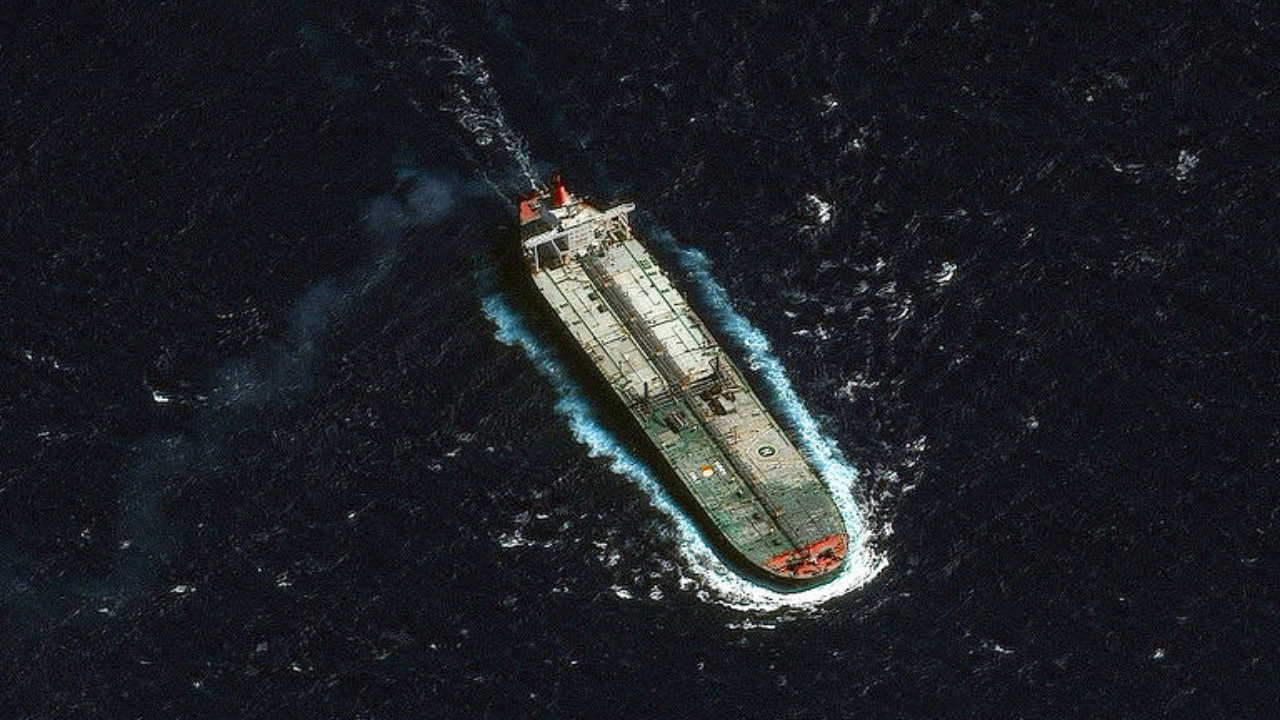
The United States Took New Steps to Ease Restrictions on Venezuelan Oil, Liberating Licenses, Ships, and Port Operations, While Washington Assumes Revenue and Reignites Political Disputes.
Oil is back at the center of the relationship between the United States and Venezuela. After years of blockades and sanctions, Washington decided to take new steps to soften restrictions on the Venezuelan oil industry.
This measure changes the game at a time of political tension, legal disputes, and a quiet race for the largest oil reserves on the planet.
Licenses Allow Equipment, Ships, and Operations Related to Oil
The U.S. Department of the Treasury announced on Tuesday, the 10th, a package of authorizations that allows transactions with the Venezuelan government and the state-owned PDVSA.
-
Petrobras evaluates suspension of sales to distributors and considers canceling the cooking gas auction following guidelines from the Federal Government.
-
Lula reveals a masterstroke by Petrobras to undo a deal made by Bolsonaro, which involves the return of an important refinery that currently produces less than half of what was expected and makes Brazil dependent on international diesel.
-
A study confirms that the natural gas sector will reduce greenhouse gas emissions in Brazil by 0.5% and accelerate the energy transition by 2026.

-
Petrobras implements a severe adjustment and confirms a 55% increase in the price of aviation kerosene with a proposal for installment payments for the companies.


These licenses allow the supply of equipment, the use of ships, as well as port and airport operations related to the oil and gas sector.
According to the Treasury itself, the approved transactions are expected to contribute to “the exploration, development, and production of oil and gas” in the country.
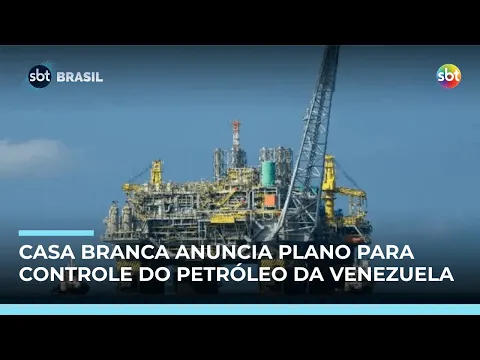

In addition, one of the documents authorizes operations related to ports and airports, while another facilitates activities under the responsibility of the National Institute of Aquatic Spaces, an agency that regulates maritime transport.
In practice, this paves the way for Venezuelan oil to circulate with fewer barriers, something that had been heavily restricted since 2019.
At the end of last year, the United States had tightened the blockade on Venezuelan oil.
At that moment, a large part of exports occurred via already sanctioned tankers. However, the scenario changed quickly and dramatically.
In January, President Donald Trump ordered the forced removal and capture of President Nicolás Maduro and his wife, to be tried in New York on drug trafficking charges. Shortly after, Delcy Rodríguez took office as interim president.
From then on, a communication channel was created between the two governments. The goal was clear: to allow Venezuelan oil to start flowing out of the country again, mainly destined for the United States.
U.S. Starts to Control Revenue from Venezuelan Oil
Under this new informal agreement, Washington took control of the revenues generated from oil sales.
In exchange, the United States began to gradually lift sanctions and barriers that had heavily impacted PDVSA and the entire Venezuelan energy industry.
Thus, while oil flows again, the money generated from these exports goes through a filter controlled by Americans. For many analysts, this creates a new dependency, now financial, between Caracas and Washington.
Do you think that in the end, the United States’ appropriation of Venezuela’s oil will be equally beneficial for both countries? Or does Trump just want to take advantage and leverage the potential of the U.S.?









Seja o primeiro a reagir!