





 Portuguese
  English
  Spanish
  4 min of reading
  0 comments


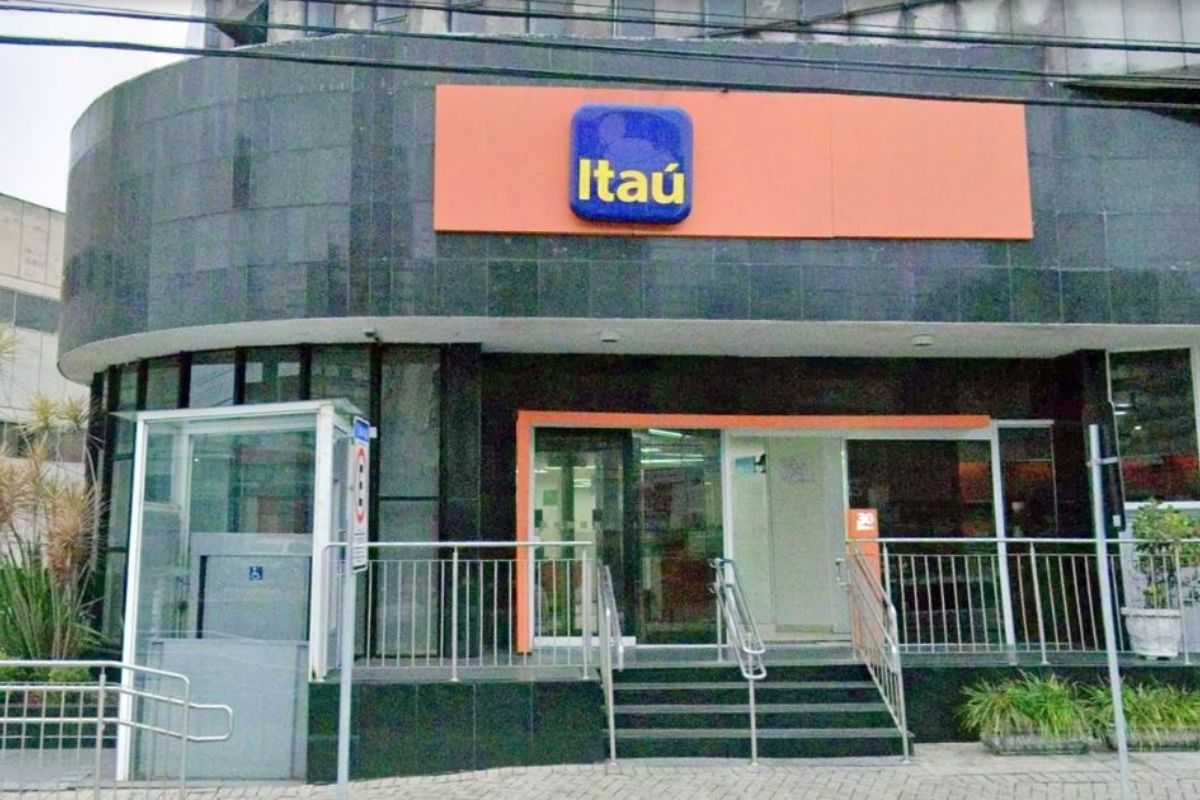
Itaú Will Close the Unit on Avenida Centenário After More Than Ten Years, Transfer Services to Rua Santo Antônio, Maintain Only One Physical Agency in Criciúma, Face Union Protests Due to Already Recorded Dismissals, and Sustain the Restructuring Despite a Profit of R$ 46.83 Billion in 2025 in the Country.
The Itaú confirmed the closure of public service at agency 6448, located at Avenida Centenário, 3773, in Criciúma, starting this Friday (02/13). The unit has been operating for more than ten years on one of the city’s most important streets and will cease operations as part of a broader change in the physical network.
With the change, clients will be served at agency 0628, at Rua Santo Antônio, 191, also in the central region. The definitive closure of the Centenário unit is scheduled for February 23, consolidating the concentration of in-person service in just one physical bank branch in the municipality.
What Changes for Clients and for In-Person Operations in Criciúma
The first concrete change is geographical: Itaú’s in-person service is leaving Avenida Centenário and concentrating on Rua Santo Antônio. In practice, this redefines the flow of clients in the center and reorganizes the flow of in-person services to a single physical entry point in the city.
-
The government requests the Federal Revenue Service for a new system to automate the income tax declaration, reducing errors, time, and bureaucracy for millions of Brazilians.

-
Pix in installments, international Pix, and contactless payment without internet: the Central Bank revealed the new features coming to the tool that is already used by almost every adult in Brazil.

-
Mercado Livre has just started selling medications with delivery in up to three hours to your door, and this move could completely change the way Brazilians buy medicines on a daily basis.

-
In Dubai, rising tensions from the war in the Middle East are causing super-rich individuals to leave the Gulf and direct their fortunes to a new financial refuge in Asia.


In addition to the receiving agency, the bank reinforces the availability of 24-hour ATMs in Criciúma. The operation does not cease to exist in person, but it will operate with greater centralization, which may change the experience of those who rely on in-person service to resolve specific demands.
National Restructuring and Advancing Itaú’s Digital Strategy
In its institutional justification, Itaú frames the closure as part of a national transformation of retail banking for individuals. The bank states that about 97% of transactions for this public already occur through digital channels, with the superapp playing a central role in clients’ daily financial management.
Within this logic, the physical network remains in the strategy, but with a different function: a more consultative and segmented profile. The declared focus is to combine digital efficiency with qualified human presence in cases that require guidance, relationship, and more personalized financial solutions.
Union Protest, Confirmed Dismissal, and Pressure for Explanations
The closure mobilized the Banking Union, which organized a protest in front of the Avenida Centenário agency. The entity contests the restructuring process and questions the reduction of jobs, especially given the bank’s high financial performance in 2025.
According to reports from a union representative affiliated with the unit, at least one dismissal has already occurred and there is an expectation of further layoffs, while some workers have been directed to provide service at the Rua Santo Antônio agency. The center of tension is less about the closure itself and more about the human impact of the decision.
Billion-Dollar Profit, Efficiency Argument, and the Debate on Consistency
In the public debate, the most significant number is the profit of R$ 46.83 billion in 2025, used by the union to argue that there would be no justification for layoffs. On the other hand, Itaú maintains that the change responds to a structural transformation in banking consumption and the need to reorganize investments.
This local point also connects to a larger movement: the closure of other units in the state and across the country. Criciúma becomes a reflection of a national transition, in which the banking system accelerates digitization, reduces physical presence, and forces a discussion about access, employment, and service quality.
In the short term, there is an objective response: Itaú’s in-person service in Criciúma will now operate at a single address in the center.
In the medium term, what remains open is the balance between digital convenience, territorial coverage, and job stability.
In your routine, what banking service still requires physical presence and does not work well in the app? And, considering this case, do you consider it legitimate to close agencies when there is billion-dollar profit, or is this type of restructuring inevitable in the current model of banks?









Seja o primeiro a reagir!