





 Portuguese
  English
  Spanish
  5 min of reading
  0 comments


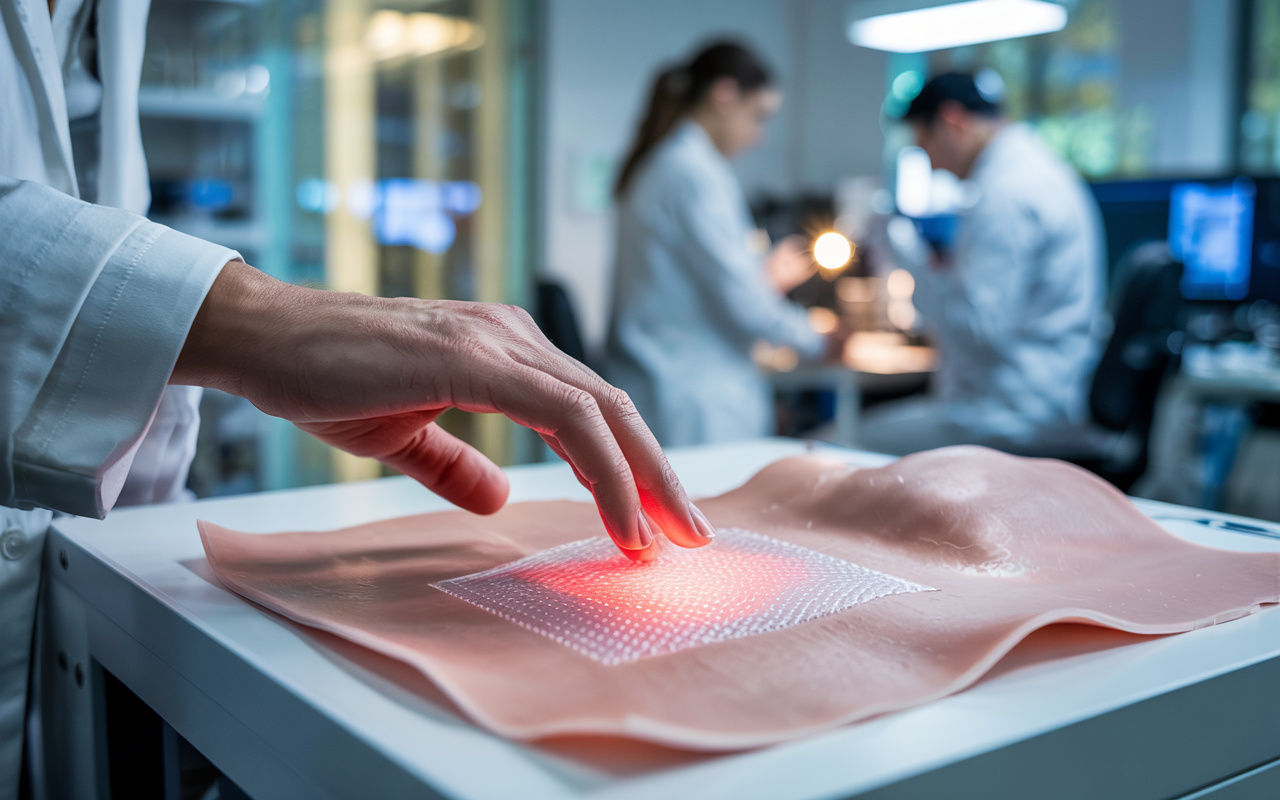
Researchers From Brazil And Italy Create Touch-Sensitive Technology That Simulates Human Skin With Unprecedented Precision. The New Artificial Skin Recognizes Location And Intensity Of Contact, Opening The Way For Advances In Prosthetics And Robotics
Researchers from Brazil and Italy have announced a milestone in sensory bioengineering: the creation of artificial skin capable of sensing touch like human skin, including precise identification of the intensity and location of contact. The advancement was published in the prestigious journal Nature Machine Intelligence and involves the use of optical fiber sensors combined with artificial neural networks that simulate the human nervous system.
The technology, the result of collaboration between Universidade Federal de Uberlândia (UFU) and Scuola Superiore Sant’Anna in Pisa, has the potential to revolutionize areas such as bionic prosthetics, advanced robotics, and intelligent wearable devices. The skin that feels like human represents a fundamental step towards increasingly realistic integration between humans and machines, elevating the level of tactile sensitivity in artificial interfaces.
An Innovative Partnership Between Brazil And Italy
The project is the result of years of scientific cooperation between leading institutions. Scuola Superiore Sant’Anna, a center of excellence in biomedical engineering in Italy, teamed up with UFU in Brazil with the aim of developing intelligent materials with sensory capabilities comparable to those of the human body.
-
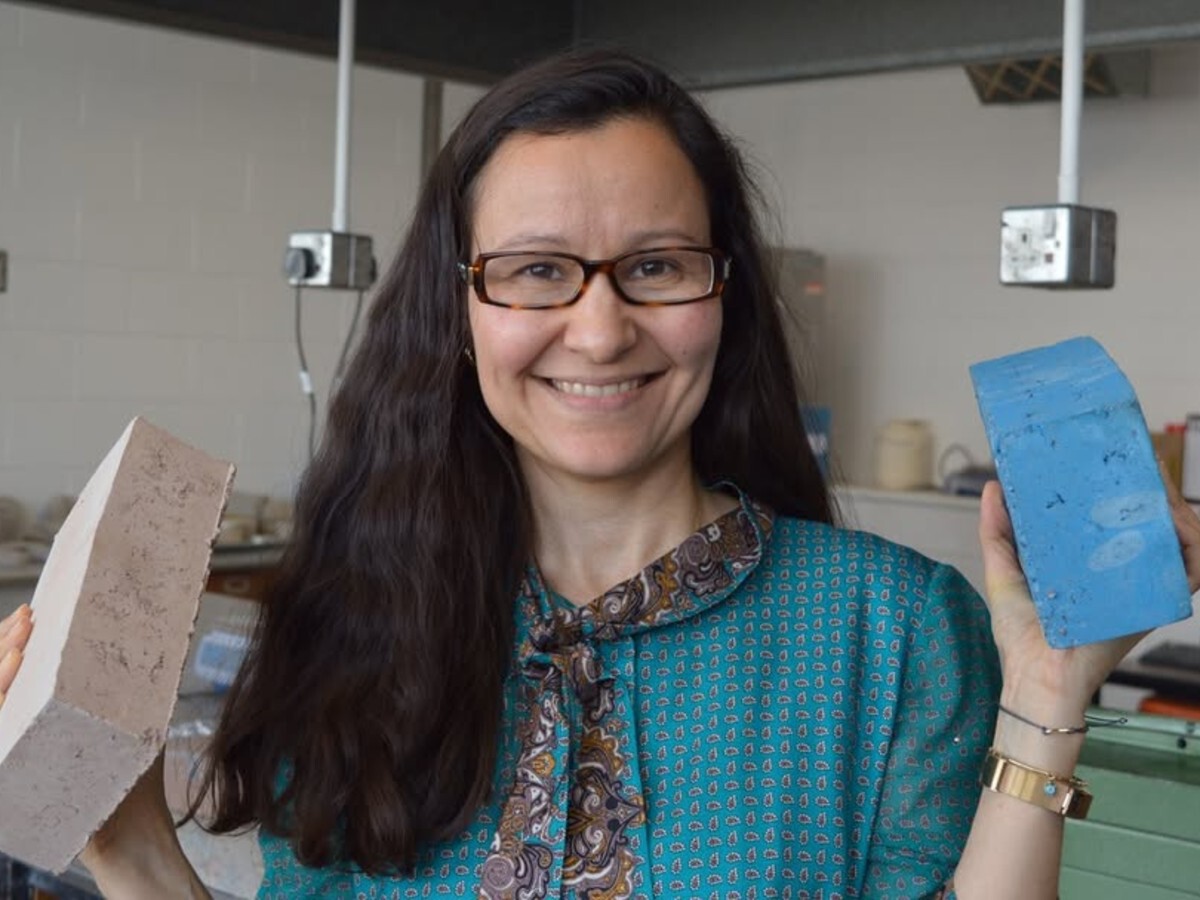
Goodbye to waste: a Brazilian created a revolutionary brick that uses construction debris, has already entered the markets of the United Kingdom and the USA, and promises to shake up the global construction industry.
-
China has created a mass-produced hypersonic missile that costs the same as a Tesla, and this is changing everything in modern warfare because the United States cannot defend itself without spending millions.

-
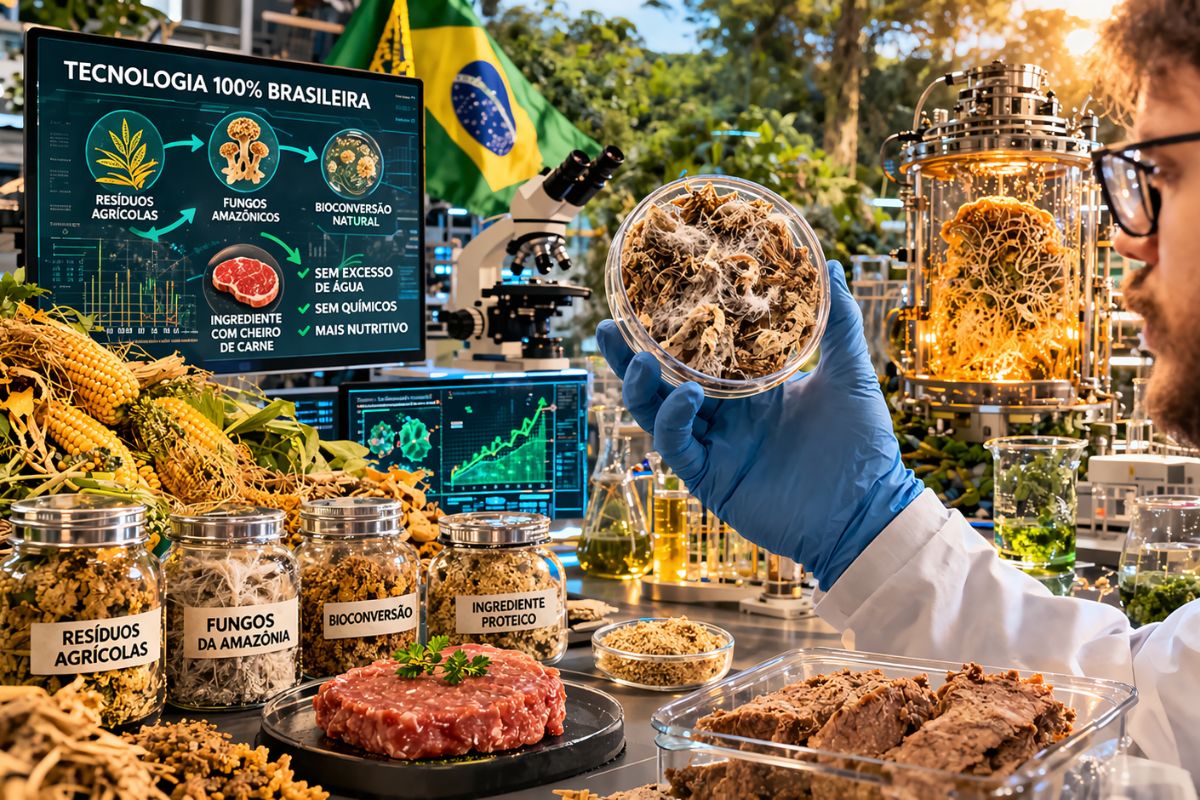
100% Brazilian technology transforms agricultural waste into a meat-scented ingredient using fungi from the Amazon rainforest. The process does not use excessive water or chemicals, and it also increases the nutritional value of the final product.
-
Psychology reveals that adults who avoid conflicts at all costs are not balanced individuals, but rather children who learned in the worst way that expressing emotions brought punishment and now live paralyzed by the fear of expressing themselves.


The focus was on creating an artificial structure capable of detecting touch with high precision while also being able to interpret the intensity and exact location of the stimulus — something that until recently was restricted to the human nervous system.
How Does The Artificial Skin Work?
The artificial skin created by the team consists of a matrix of optical fiber sensors responsible for capturing the physical variations generated by touch.
When pressed, the structure alters the pattern of light transmitted by the sensors. These changes are then decoded by an artificial neural network that simulates the behavior of sensory neurons.
This computational model acts similarly to the brain, interpreting in real time the data received, locating the point of contact, and classifying its intensity. The technology can recognize multiple simultaneous stimuli, which expands its potential for dynamic applications in complex environments.
Potential Applications Of Touch-Sensitive Technology
The innovation is not limited to the academic field. The touch-sensitive technology developed can be applied in various areas with direct impacts on people’s lives. Among the main applications, the following stand out:
Bionic Prosthetics With Tactile Feedback
One of the biggest challenges faced by prosthetic users is the lack of tactile sensations. The new artificial skin can allow prosthetics to provide sensory feedback to the user, recreating the sensation of touch and offering more control and safety in daily use.
Touch-Sensitive Robotics
In industrial and assistive robots, touch sensitivity is essential for safe interactions with humans and delicate objects.
The skin that feels like human can make robots more responsive, aiding in tasks that require delicacy and adaptability, such as robot-assisted surgeries or personal care services.
Intelligent Wearable Devices
Sensors capable of capturing touch with high precision are also valuable in wearable devices, such as virtual reality gloves, smart clothing, or gesture control interfaces. With this technology, it is possible to create more immersive and responsive experiences to human movement.
Brazil And Italy: Scientific Publication And International Validation
The study was published in Nature Machine Intelligence, one of the most respected journals in the field of artificial intelligence applied to engineering. According to Professor Calogero Oddo, project coordinator in Italy, the objective was to develop a bio-inspired architecture that approaches the functioning of the human sensory system.
The publication reinforces the importance of the project by scientifically validating the results obtained and presenting the data in a medium with global reach. The choice of the journal demonstrates that the technology meets international standards of innovation, technical rigor, and practical applicability.
Why Is This Skin That Feels Like Humans So Revolutionary?
Recreating human sensory capacity in artificial materials has always been a central challenge in robotics and biomedical engineering. Until now, many devices could capture pressure or temperature in isolation but without combining that with neural interpretation or biological fidelity.
This new artificial skin represents a convergence between physical sensing and computational intelligence. In other words, it not only detects stimuli but understands them as a human brain would. This paves the way for the creation of more autonomous, adaptable, and sensitive systems to user needs.
Advances That Drive Human-Machine Interaction
In an increasingly technology-driven world, interaction between humans and machines needs to be natural, safe, and efficient. Tactile sensors with realistic responses enhance the quality of this interaction, fostering trust and improving the performance of automated systems.
The touch-sensitive technology can, for example, make the operation of machines more intuitive through human touch or even enable the use of tactile interfaces by people with disabilities, promoting technological inclusion.
New Touch-Sensitive Technology: Brazil’s Role In Global Innovations
The involvement of Universidade Federal de Uberlândia in this cutting-edge project shows that Brazil is part of the global technological innovation landscape. Brazilian researchers directly contributed to the development of the sensors, neural network algorithms, and experimental tests.
This active participation is a clear sign that Brazil and Italy can, together, lead high-complexity projects with social and industrial impact. Initiatives like this reinforce the importance of continued investment in scientific research and in strategic international partnerships.
Artificial Skin: A New Frontier Of Artificial Sensitivity
The creation of artificial skin that feels like a human is more than a technological advancement — it is a leap in the way machines and humans may interact in the future. Through the combination of sophisticated optical sensors and AI inspired by the nervous system, researchers from Brazil and Italy have established a new standard for touch-sensitive robotics.
Whether in prosthetics with realistic sensations, collaborative robots with refined touch, or intelligent wearable devices, this innovation has the potential to transform various areas of society. The publication in Nature Machine Intelligence not only validates the research but positions it as a reference for future biomedical and industrial applications.
The world is becoming increasingly connected through technologies that not only think but now also feel. And the leadership of Brazilian institutions in this scenario shows that we are ready to contribute to the great solutions of the future.









Seja o primeiro a reagir!