





 Portuguese
  English
  Spanish
  5 min of reading
  0 comments


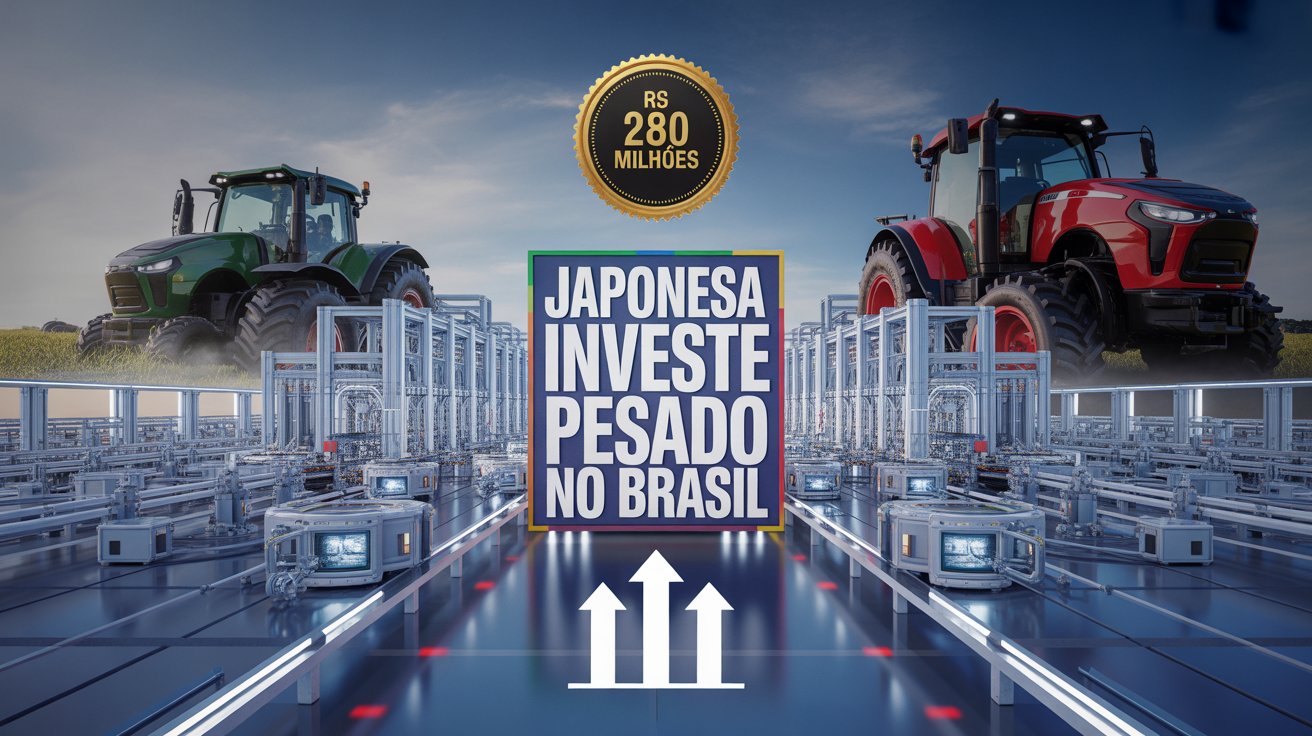
New Facility In Indaiatuba Will Triple Space, Expand Tractor Production, and Bring Advanced Automation, as Well as Adopt Sustainable Solutions and Generate New Direct and Indirect Jobs by the End of the Decade.
Yanmar will build a new factory in Indaiatuba, in the interior of São Paulo, with a investment of R$ 280 million to increase capacity and modernize processes.
According to the Folha de S.Paulo, in an article published this Wednesday (27), the project will be executed in phases until 2030 and envisions the centralization of currently dispersed operations, with a leap in tractor production from 5,000 to 7,000 units per year in a single shift, as well as the adoption of state-of-the-art industrial automation.
New Facility Triples Area and Reorganizes Operations
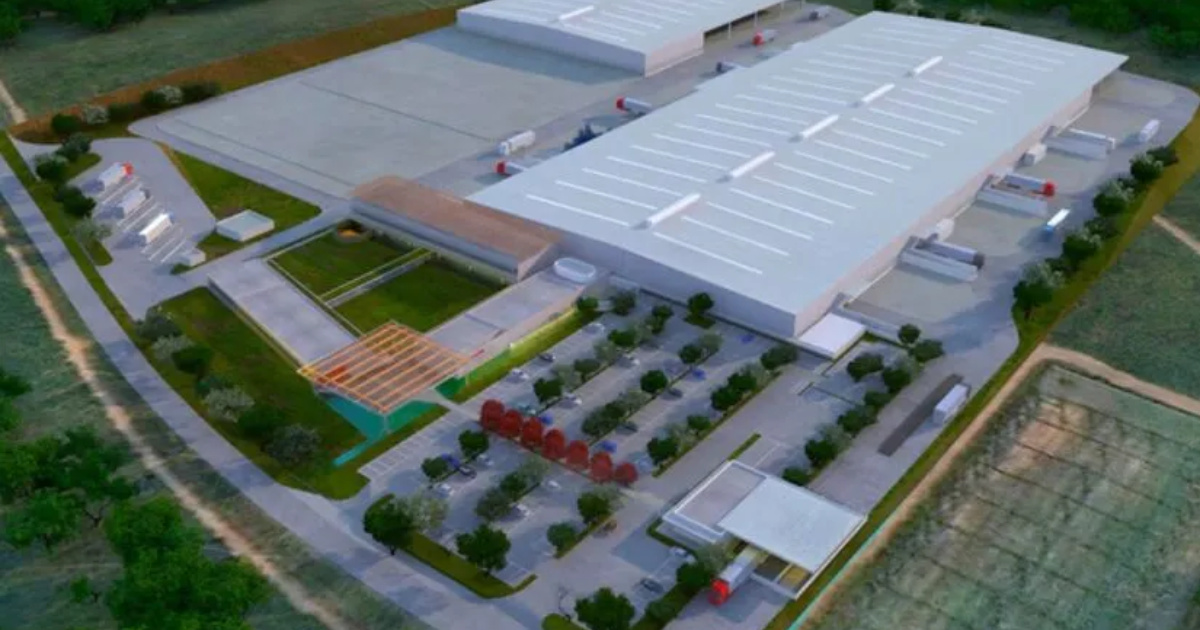
The complex will occupy 140,000 m², about three times the current area of the company in the municipality.
-
The government requests the Federal Revenue Service for a new system to automate the income tax declaration, reducing errors, time, and bureaucracy for millions of Brazilians.

-
Pix in installments, international Pix, and contactless payment without internet: the Central Bank revealed the new features coming to the tool that is already used by almost every adult in Brazil.

-
Mercado Livre has just started selling medications with delivery in up to three hours to your door, and this move could completely change the way Brazilians buy medicines on a daily basis.

-
In Dubai, rising tensions from the war in the Middle East are causing super-rich individuals to leave the Gulf and direct their fortunes to a new financial refuge in Asia.


The first phase, covering approximately 36,000 m², is expected to become operational in 2027.
The strategy involves concentrating production flow, logistics, and part of the administrative areas at the same address, with a factory design aimed at reducing internal movement and efficiency losses.
Jobs and Production Pace
The company estimates the creation of around 100 direct and indirect jobs by 2029.
Within the same timeframe, the new structure will support an increased pace in the tractor line.
The daily production of models with a higher degree of localization is expected to gradually increase: in the initial phase, the goal is to go from 10 to 15 units per day, reaching 20 daily units by 2029, supporting the annual goal of 7,000 machines.
Cutting-Edge Automation and Quality Control
The project includes an assembly line with automatic torque controls, integrated inspections, and traceability systems for each stage of the process.
There will also be logistical improvements with new docks and lifting systems, reducing loading and unloading times and mitigating bottlenecks in material flow.
The proposal is to standardize procedures and increase repeatability, reducing variability and rework.
Phase Schedule Until 2030
Construction is expected to start in the coming months, with a schedule broken down into three major deliveries.
The first phase puts the new 36,000 m² wing into operation starting in 2027.
The following phases will gradually expand production areas, installed capacity, and sector integration, with completion expected by 2030.
This cadence allows maintaining current operations while gradually migrating volume to the new plant.
Sustainability Embedded in the Factory Design
The factory is designed with principles of energy efficiency and emissions reduction.
Among the proposed solutions are utilization of natural light, automation of lighting, and use of photovoltaic energy.
The systems are designed to reduce electricity consumption in high-demand areas such as welding, painting, and assembly, as well as improve thermal and acoustic comfort.
The company aligns the project with its global business plan, which prioritizes performance with lower environmental impact.
Complementary Investments in Equipment and Layout
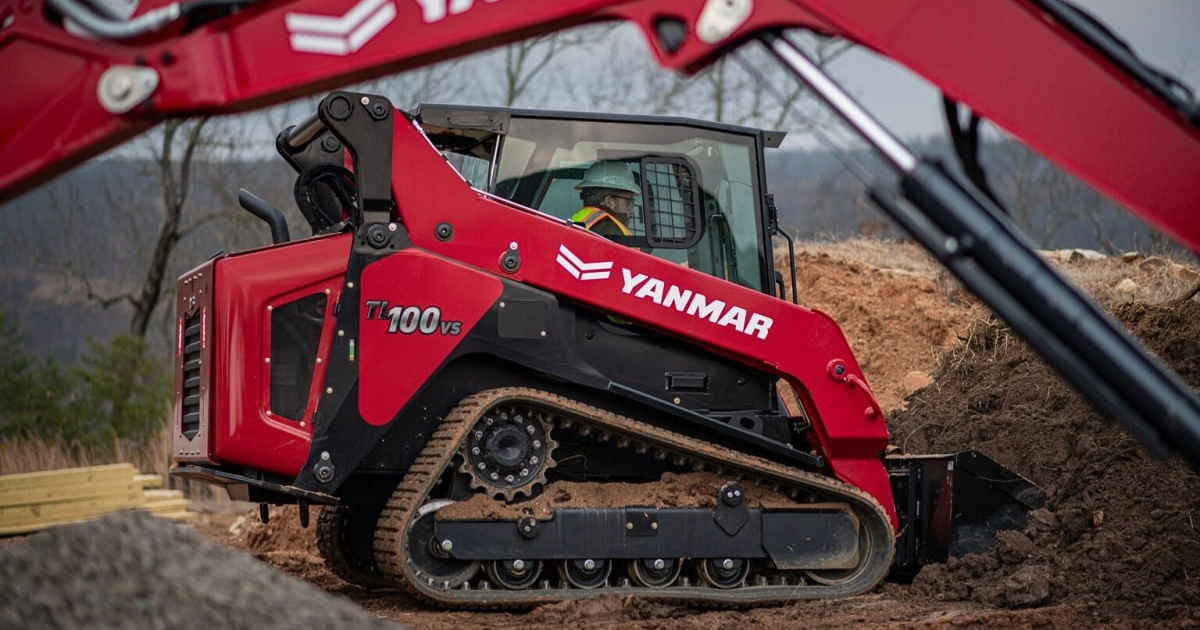
Part of the resources will be directed towards the purchase of new equipment for machining, welding, and quality testing, as well as layout adjustments that shorten internal routes for strategic components.
The integration between logistics and production includes dedicated corridors for electric forklifts, expanded safety zones, and inspection stations close to critical points, with gains in ergonomics and risk mitigation.
Regional Context: Paulista Interior in Evidence
The choice of Indaiatuba reinforces the movement of large companies into the interior of São Paulo, which combines an industrial base, logistical infrastructure, and a skilled labor workforce.
At the same time, other corporations are considering setting up units in the region.
Among them, Coca-Cola has indicated that it is seeking a plot of land in the interior of São Paulo for a new factory and has received proposals from municipalities such as Itu, which has formally expressed interest in hosting the investment.
This scenario increases competition for projects and incentives, impacting supply and services chains.
Meeting at the Paço and Political Signaling
The announcement mobilized the agenda at the municipal office.
The mayor Dr. Custódio Tavares (MDB) received the president of Yanmar, Gilberto Saito, the Secretary of Technology, Innovation and Economic Development, José Augusto Gonçalves, and the partner of RB Investimentos, Ralph Annichino, in a meeting that addressed implementation stages, areas involved, and local impacts.
On the occasion, the mayor stated: “This is a great achievement for Indaiatuba to be chosen to receive an investment of this magnitude by a multinational like Yanmar. The new factory will not only generate jobs but will also strengthen our business environment, driving the city’s economic development, always in tune with innovation and sustainability.”
What Changes for the Client and the Network
With the migration to the new structure, Yanmar projects a reduction in assembly lead time, faster shipping, and post-sales support bolstered by a leaner logistical chain.
The factory was designed to facilitate line upgrades and flexible cells, allowing variations in the mix with less impact on productivity.
Standardization of interfaces between stations also helps speed up the learning curve for operators and maintenance technicians.
Administrative Integration and Factory Governance
In addition to the industrial part, the plan gathers administrative and engineering sectors closer to the factory floor, with offices integrated into production areas through walkways and technical rooms.
This proximity reduces response time in process adjustments, accelerates the handling of non-conformities, and favors continuous improvement routines.
The governance includes shared performance indicators, digital tracking on dashboards, and short-term meetings with clear goals for each shift.
Looking Ahead
At the end of the construction cycle, the operation consolidated in Indaiatuba is expected to deliver greater scale, efficiency, and process reliability while maintaining quality standards aligned with headquarters units in Japan.
The advancement in automation, logistical integration, and focus on clean energy form the basis of the project that the company calls the “factory of the future.”
The question that remains is: with the expansion of capacity and the competition between cities for new investments, what factors will weigh the most in the next strategic decision of industries aiming at the paulista interior?








Seja o primeiro a reagir!