





 Portuguese
  English
  Spanish
  5 min of reading
  6 comments


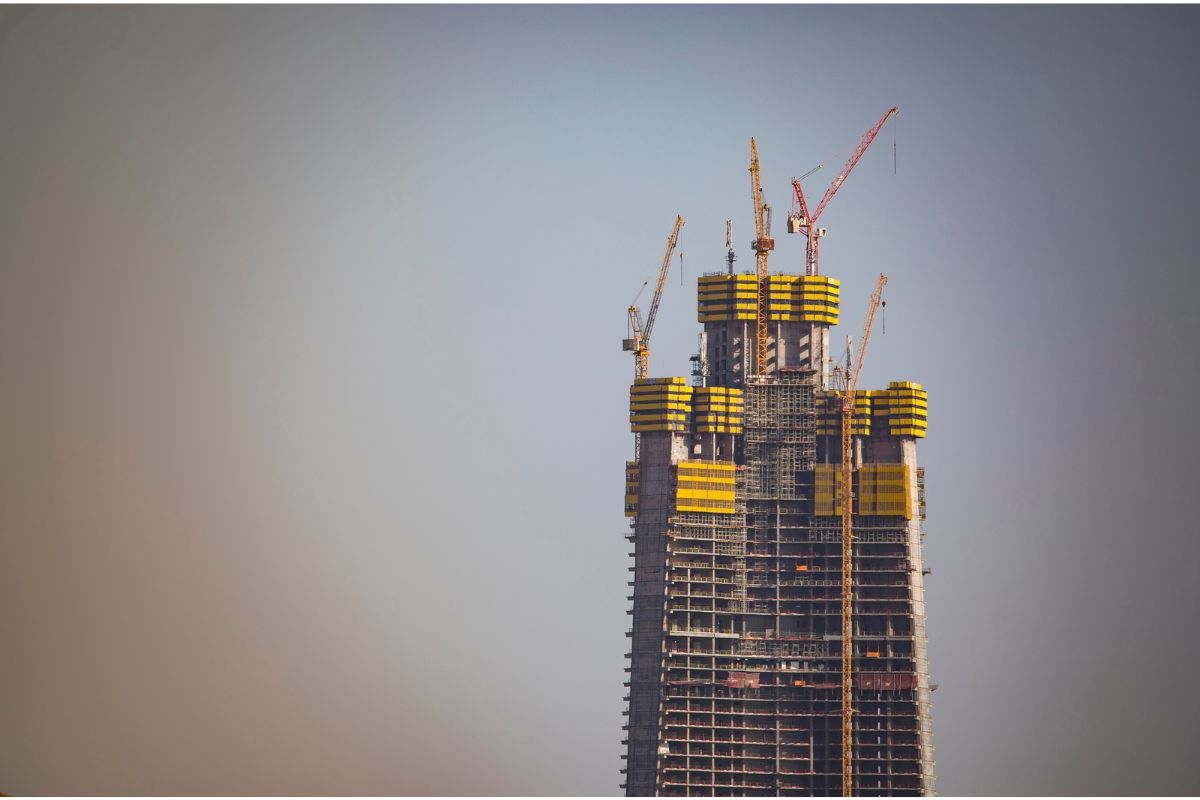


Mega Project in Saudi Arabia, Part of the Saudi Vision 2030 Plan, Foresees a Tower of About 1,000 Meters, 157 Floors, 59 Elevators, and More than 530,000 m² Designed by the Same Office of Burj Khalifa
The Jeddah Tower is the most ambitious skyscraper under construction in Saudi Arabia and aims to surpass the Burj Khalifa in Dubai, the current tallest building in the world at 828 meters. The plan is for the new structure to reach approximately 1,000 meters in height, making it the tallest skyscraper in the world.
The project began a few years ago, went through a long period of stagnation, and construction resumed in January of this year. According to available information, the core of the Jeddah Tower has already reached the 69th floor, while the side wings are about five floors behind.
Project Is Part of Saudi Vision 2030 and a New Billion-Dollar Neighborhood
The Jeddah Tower is part of the Saudi Vision 2030 plan, which aims to transform the country’s economy and diversify its sources of revenue. The tower is presented as the “first stone” of a major urban development that includes hospitals, schools, universities, and housing for about 100,000 people.
-
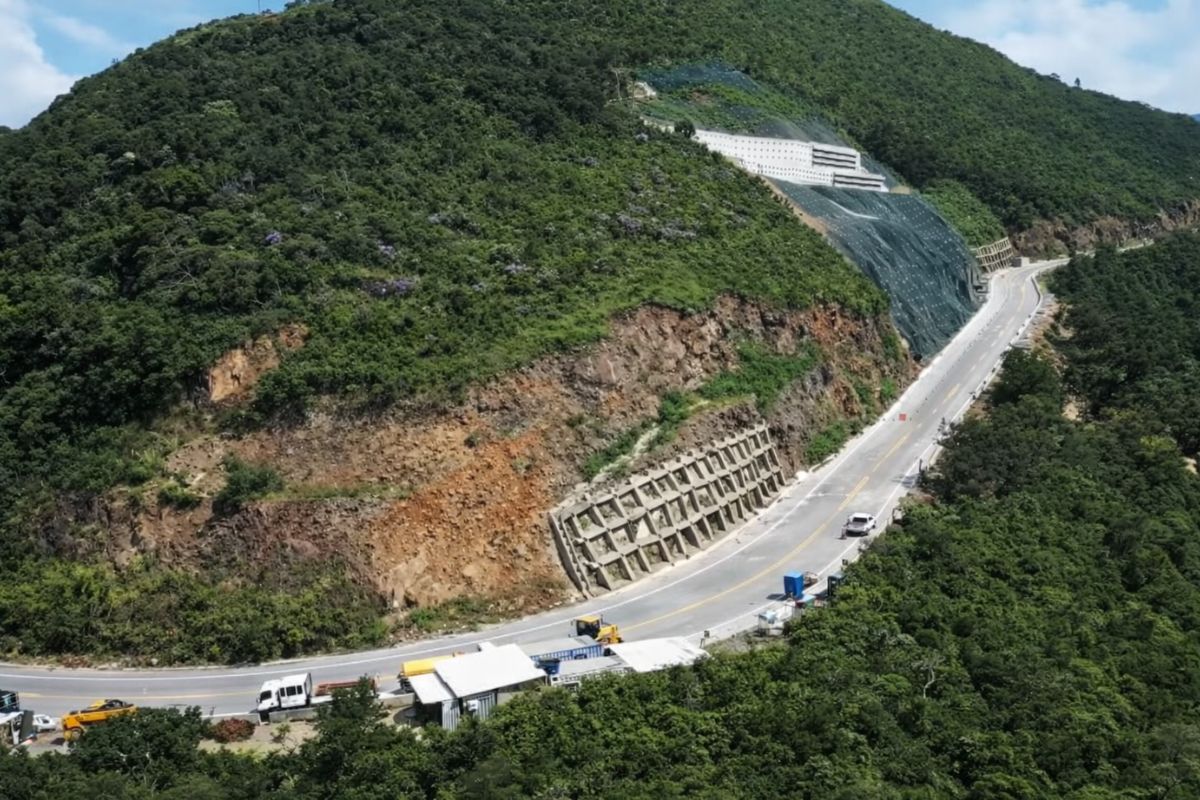
The section of Serra da Rocinha on BR-285 is now open in Timbé do Sul: 50 m tensioned curtains and top-down technique stabilize the slope, with a stairway duct controlling the water.
-
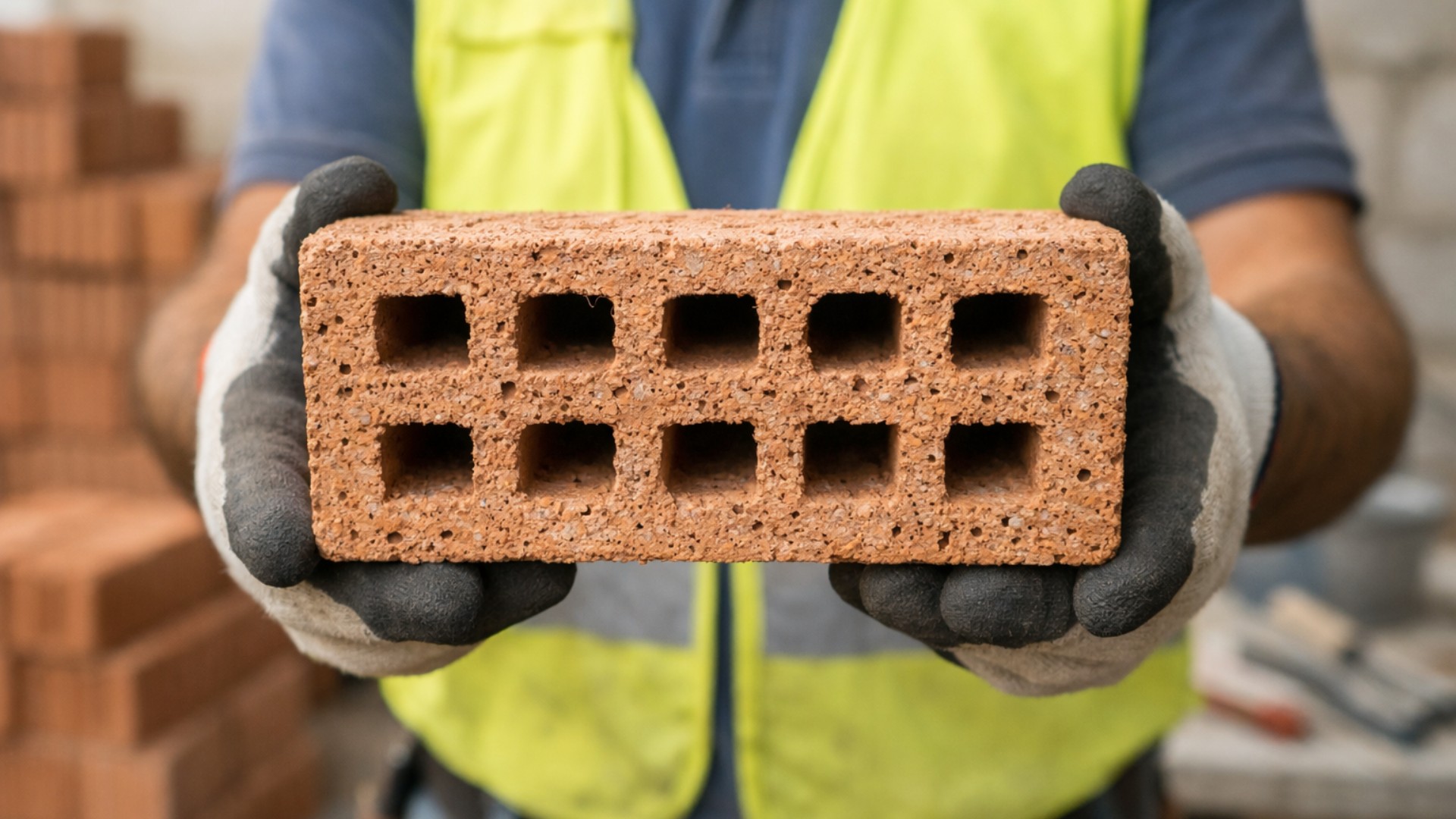
Scientists use sawdust mixed with clay to create a lighter brick, promising efficient thermal insulation and impressing by transforming waste into a solution for construction.
-
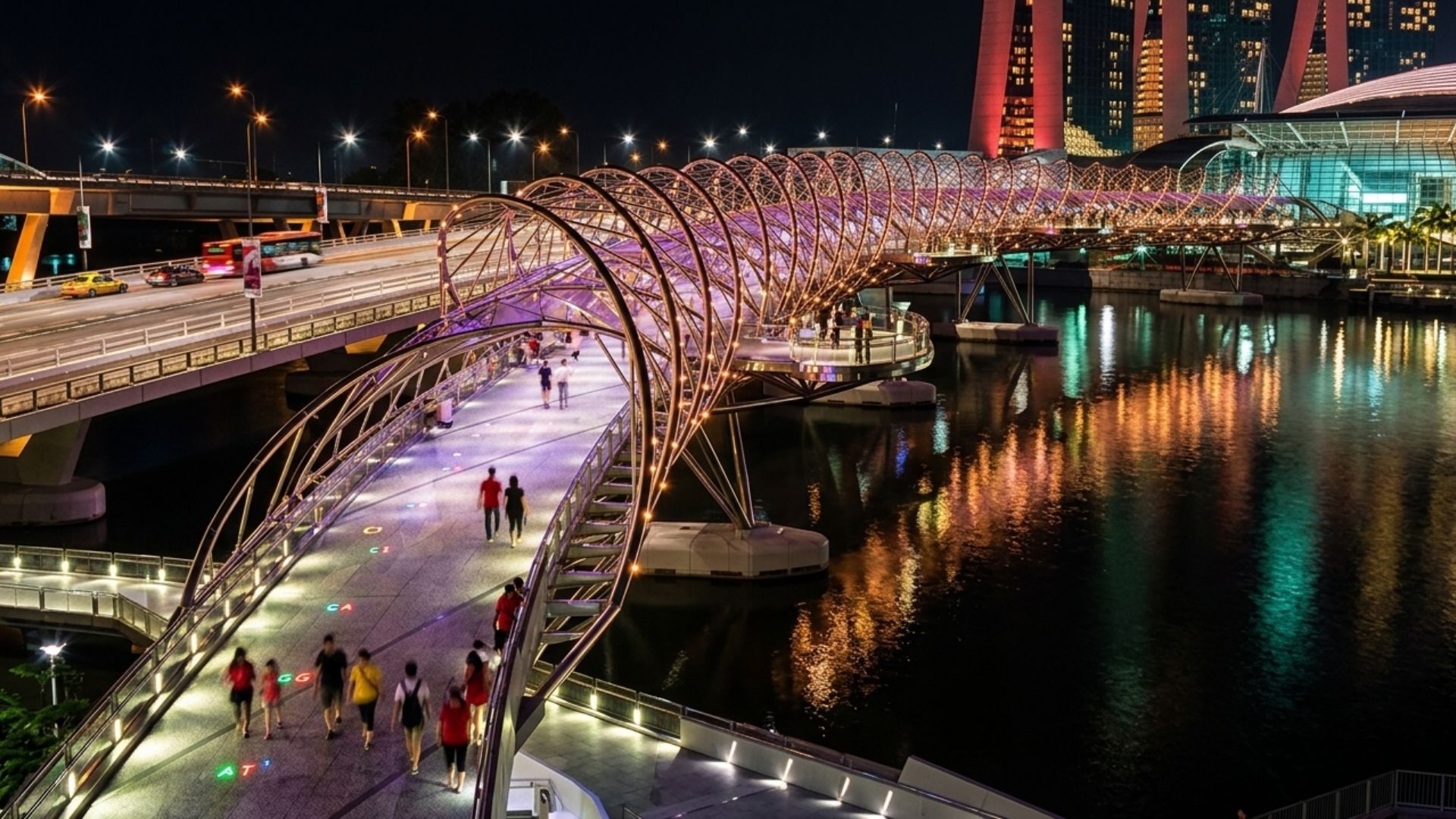
With a DNA shape, this bridge in Singapore draws attention in modern architecture and surprises tourists by transforming a simple crossing into an unforgettable visual experience in the urban heart.
-
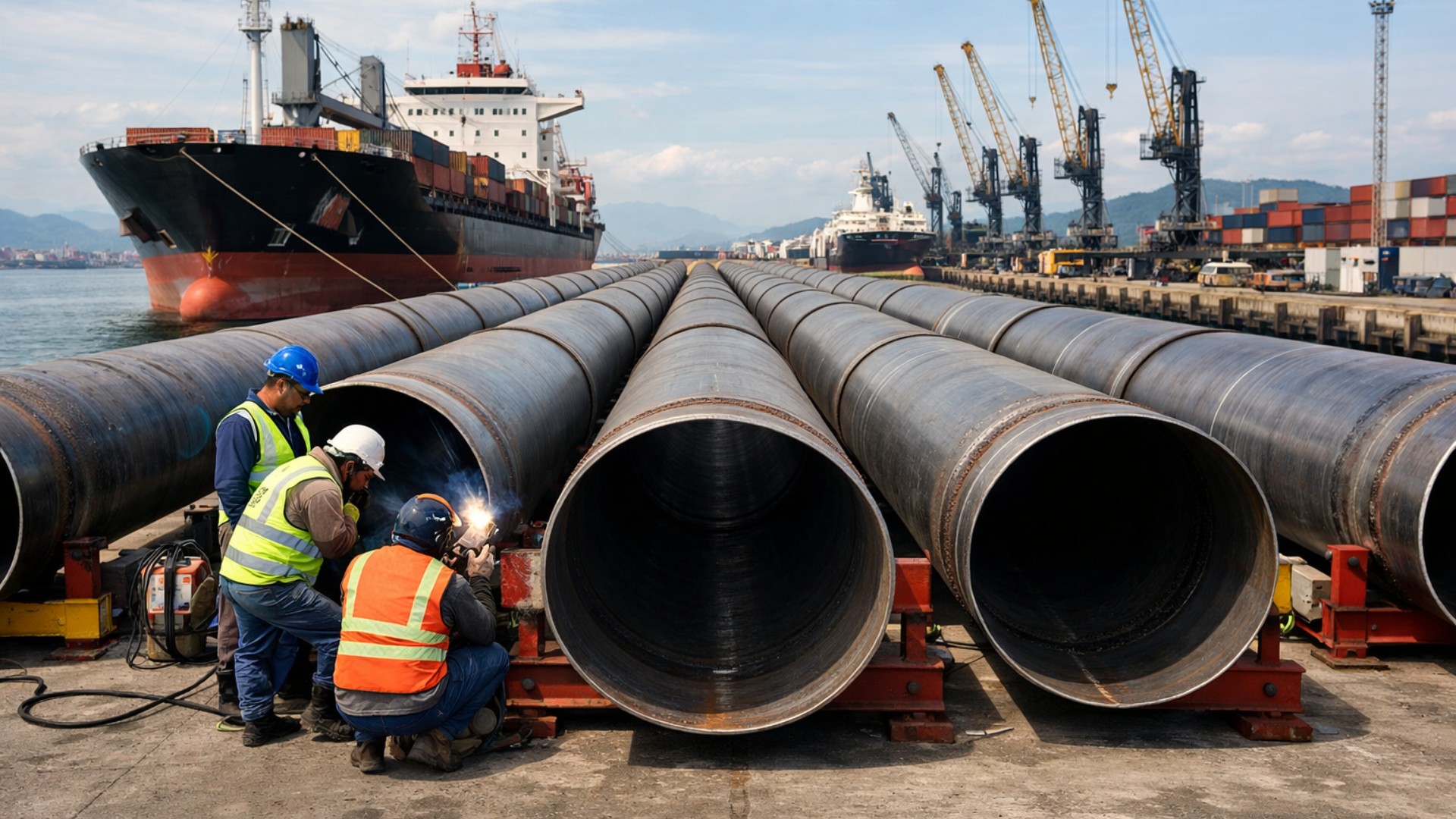
Giant underwater pipeline begins to take shape with a R$ 134.7 million project at the Port of Santos: the 1.7 km structure uses 12-meter and 700 mm pipes to supply water to 450,000 people in Guarujá.

With an area of approximately 530,000 square meters, the Jeddah Tower will be the central element of Kingdom City, a new multi-use urban complex estimated at around $20 billion. The project is led by Prince Al Waleed bin Talal Al Saud, who has already stated the intention to exceed the 1-kilometer height mark.
The building was once called Kingdom Tower and, over time, has had other names until it reached the current designation: Jeddah Economic Company Tower (JEC Tower).
Architecture of the Jeddah Tower and Inspiration from the Desert
Signature of Adrian Smith + Gordon Gill
The architectural design of the Jeddah Tower is signed by the firm Adrian Smith + Gordon Gill (AS+GG), known worldwide for designing the Burj Khalifa in Dubai. If the new tower reaches its planned height, the firm will surpass its own record and sign again the tallest skyscraper in the world.
The released designs show a slender structure, shaped like a large glass needle. According to the designers, the form of the tower is inspired by the folded leaves of a desert plant, creating a silhouette that evokes the arid landscape of the Jeddah region, on the shores of the Red Sea.
157 Floors, 59 Elevators, and the Highest Observation Deck in the World
According to available data, the Jeddah Tower is set to have 157 floors and 59 elevators. Some of these elevators will have two floors, allowing for passenger transport at speeds exceeding 10 meters per second.
The interior of the skyscraper has been designed to incorporate different uses: high-end residences, commercial spaces, corporate offices, and a Four Seasons hotel, all distributed across more than 500,000 square meters of built area.
One of the most highlighted features of the project is the observation deck planned for one of the upper floors. The intention is for this observatory to become the highest in the world, offering a wide view of the city of Jeddah and the Red Sea. Since there are no other similarly sized buildings around, at least for now, the expectation is for a completely unobstructed panorama.

Engineering Challenges to Raise the Tallest Skyscraper in the World
Concrete Pumped to Extreme Heights and Wind Studies
The main difficulty in transforming the Jeddah Tower into the tallest skyscraper in the world lies not only in the project’s cost but primarily in the materials and engineering solutions. According to the Saudi prince himself, one of the major challenges is pumping concrete to the height of approximately 1,000 meters.
Estimates indicate that about 50% of the total concrete volume required has already been poured into the structure. The Adrian Smith + Gordon Gill firm released a recent image of the construction site in November, emphasizing that construction is progressing after its resumption.
In the structural part, the engineering company Thornton Tomasetti has taken a central role. According to the company, it was necessary to first determine appropriate wind loads for extreme altitudes and then develop ways to control the lateral and vertical movements of the building. The work was done in collaboration with AS+GG and RWDI, combining advanced computational structural modeling and extensive wind tunnel testing to define the behavior of the tower under different wind conditions.
Giant Foundations in Solid Concrete
Despite the light appearance of the Jeddah Tower, the foundation system is massive. The structure rests on a foundation slab of concrete about 5 meters thick. This slab sits on 270 drilled piles, each approximately 1.8 meters in diameter and with a depth that can reach 105 meters.
According to those responsible for the project, the structural system sought to appear simple by eliminating elements like conventional columns, stabilizers, traditional floor beams, edge beams, and complex vertical transfers. All walls are interconnected, and each structural element directly contributes to resisting gravity and wind loads, which theoretically favors a faster construction process for a skyscraper of this scale.
Progress of Construction and Expected Completion by 2028
After the resumption of work, the Jeddah Tower has returned to being one of the major projects underway in the Middle East. The core has already reached the 69th floor, indicating significant progress, but there is still a long way to go to achieve the planned 157 floors and a height close to 1 kilometer.
According to the company involved, the current expected completion date for the Jeddah Tower is 2028, although projects of this magnitude may undergo adjustments along the way. The expectation is that new updates on the schedule and the progress of the construction will be released throughout the next year as the skyscraper approaches the higher levels of the structure.
In this scenario, the Jeddah Tower remains one of the most closely watched projects in global engineering. In your opinion, will the project be delivered on time and truly surpass the Burj Khalifa as the tallest skyscraper in the world, or could technical and scheduling challenges still change this outcome?






1.000 metros de altura seria no mínimo 333 andares
Isso com o pé direito de 3 metros
Ne achei estranho.
Engenharia 🔝
Só 157 andares, com toda essa altura? Tá estranho esse dado.
Tbm concordo acho que é bem mais.