





 Portuguese
  English
  Spanish
  3 min of reading
  0 comments



Judiciary Holds The Highest Salaries In The Public Sector In Brazil, With High-Paying Positions And Significant Inequality Among Powers.
Judiciary Has Higher Salaries In Brazil, Points Out Ipea Survey
The Brazilian Judiciary holds the highest salaries in the public sector in the country. According to the Brazilian State Atlas, a study by the Institute of Applied Economic Research (Ipea), employees in this branch earn, on average, R$ 26,2 thousand per month.
The survey shows that earnings in the public sector vary greatly among powers and federal levels.
Meanwhile, the municipal Executive ranks at the opposite end, with the lowest average salary among employees. This contrast reinforces the inequality within Brazilian public administration, which mobilizes billion-dollar figures every year.
-
Havan buys historic football land in Blumenau for a million-dollar amount protected by a confidentiality clause and is already planning to change even the layout of streets to build a megastore in half-timbered style costing 80 million reais.

-
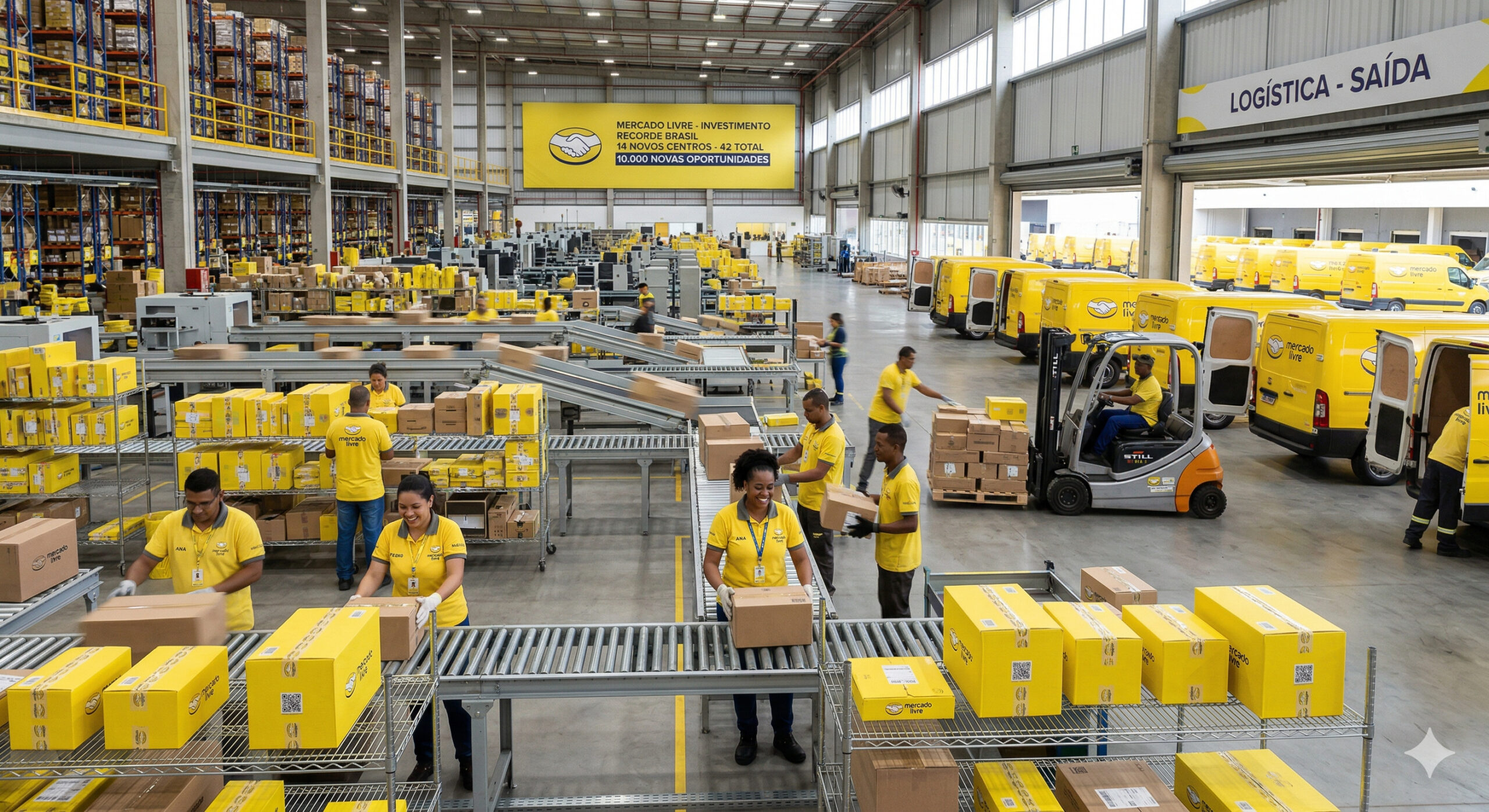
Mercado Livre “opens the vault” and announces a record investment of R$ 57 billion in Brazil in 2026, a value 50% higher than the previous year, with an expansion plan that includes 14 new logistics centers, totaling 42 units in the country and hiring an additional 10,000 employees.
-
How investment in technology can revolutionize the national economy and enhance industrial gains, according to a study that highlights the direct impact on productivity, innovation, and wealth retention within Brazil.

-
The largest food company on the planet, JBS, has just opened a 4,000 square meter laboratory in Florianópolis to develop customized proteins that modulate muscle mass gain, immune response, and metabolic performance.


High Salaries In The Judiciary Contrast With Other Powers
Ipea’s figures reveal a significant difference. In the Legislative branch, the average salary is R$ 17,2 thousand, well below that of the Judiciary. The Executive, including all levels, shows average salaries of R$ 9,3 thousand.
“In terms of remuneration, inequality is concentrated in the Judiciary. The Judiciary has salaries that are very high, even among the lower salary ranges,” says Ipea researcher and Atlas coordinator, Felix Lopez.
This scenario becomes even more relevant given the fiscal impact: Brazil is expected to spend R$ 1,7 trillion in 2025 just on salaries of active and retired employees, according to projections released by Estadão.
Difference Between Union, States, And Municipalities
Another point highlighted by the study is the salary variation among different levels of government. In the federal public sector, the highest-paid group earns an average of R$ 21 thousand monthly. In the states, the average drops to R$ 11,9 thousand, and in municipalities, to R$ 6,7 thousand.
Although most public employees work in city halls, this is precisely the level that presents the lowest salaries. The median salary in the municipal Executive is R$ 2,6 thousand, which is even lower than the minimum in the federal and state Judiciary.
Highest-Paid Positions In The Public Sector
Among the most prominent occupations, state judicial prosecutors top the list, with an average salary of R$ 40 thousand monthly in 2018.
Also among the highest-paid are judges, federal prosecutors, and federal revenue auditors, who are part of an elite group of high-paying positions within the Brazilian public sector.
According to researchers Wellington Nunes and José Teles, who participated in the survey, this concentration of salaries reinforces the gap between different career paths in public service.
Why Does This Inequality Matter For Brazil?
The salary disparity in the public sector raises debates about equity, fiscal sustainability, and administrative reform.
While elite positions concentrate most of the resources, employees who work directly in basic population services, such as in the municipal Executive, earn much less.
This scenario raises a warning for the future of public finances, as the payroll remains one of Brazil’s largest expenses.
On the other hand, the discussion also involves valuing essential functions and seeking balance among powers.








Seja o primeiro a reagir!