





 Portuguese
  English
  Spanish
  3 min of reading
  0 comments


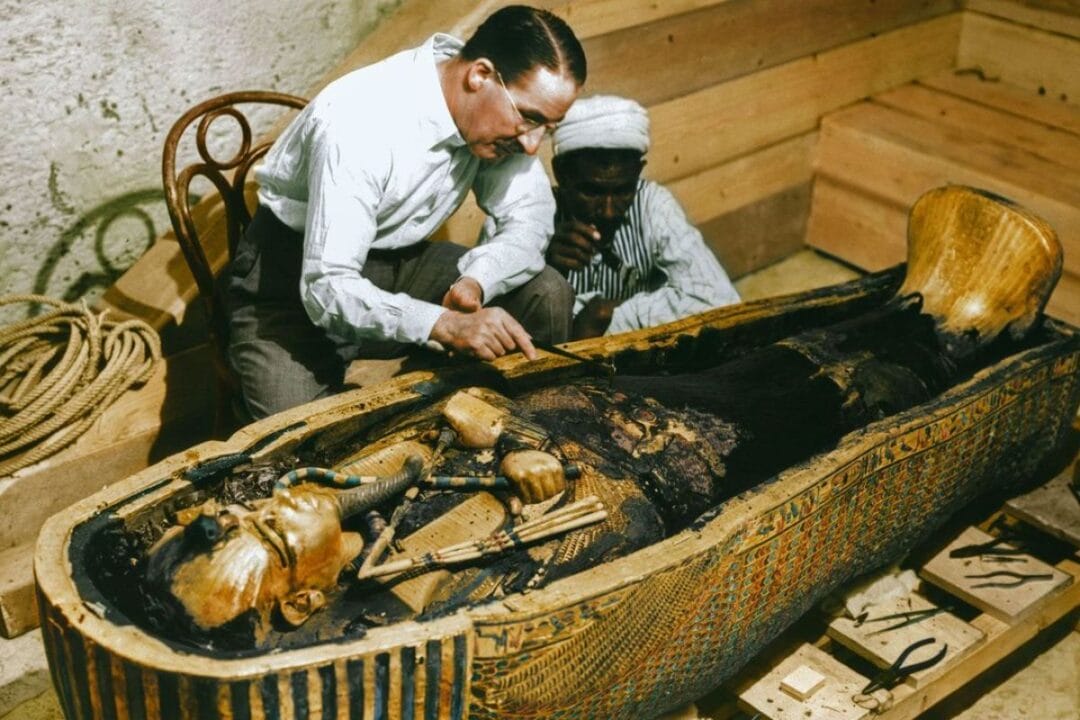
New Genetic Evidence Reveals The Tragic Fate Of The Egyptian Ruler – A Fatal Combination Of Diseases And Royal Consanguinity That Sealed His Fate At 19 Years Old.
The mystery surrounding the death of King Tutankhamun has just gained a decisive chapter. After a century of speculation, DNA testing conducted by an international team of scientists has provided concrete answers about what really killed the young pharaoh.
The truth is more cruel than any theory of murder or curse. King Tutankhamun was the victim of a fatal combination: cerebral malaria exacerbated by severe health issues resulting from royal inbreeding. The tests confirm that the ruler suffered from necrosis in his left foot and possibly relied on the 130 walking sticks found in his tomb.
The Family Secrets Revealed By DNA
-
Friends have been building a small “town” for 30 years to grow old together, with compact houses, a common area, nature surrounding it, and a collective life project designed for friendship, coexistence, and simplicity.

-
This small town in Germany created its own currency 24 years ago, today it circulates millions per year, is accepted in over 300 stores, and the German government allowed all of this to happen under one condition.

-
Curitiba is shrinking and is expected to lose 97,000 residents by 2050, while inland cities in Paraná such as Sarandi, Araucária, and Toledo are experiencing accelerated growth that is changing the entire state’s map.

-
Tourists were poisoned on Everest in a million-dollar fraud scheme involving helicopters that diverted over $19 million and shocked international authorities.


The genetic study brought disturbing information about the lineage of King Tutankhamun. His parents were close relatives – most likely siblings, a common practice in Egyptian royalty. The mummy known as KV55, identified as that of Pharaoh Akhenaten, would be his father, while his mother was possibly one of Akhenaten’s sisters.
This consanguinity explains the multiple physical anomalies found in the mummy, including an abnormally elongated skull and foot deformities that left him incapacitated. “He was a young king doomed by his own genetics,” explains Egyptologist Tim Batty, curator of the international exhibition on Tutankhamun.
The Golden Mask And Other Mysteries Of The Tomb
Among the more than 5,000 artifacts found in the tomb of King Tutankhamun, the golden funerary mask became a symbol of his legacy. But even this treasure hides secrets: recent studies suggest that the piece was originally created for a queen, possibly Nefertiti, and hastily adapted for the burial of the young pharaoh.
The medicines and amulets found beside the mummy tell a story of constant suffering. “Tutankhamun ruled Egypt amidst chronic pain and physical limitations,” reveals Batty. “His tomb was prepared for an afterlife that he barely experienced in life.”
The Legacy Of A Fragile Pharaoh
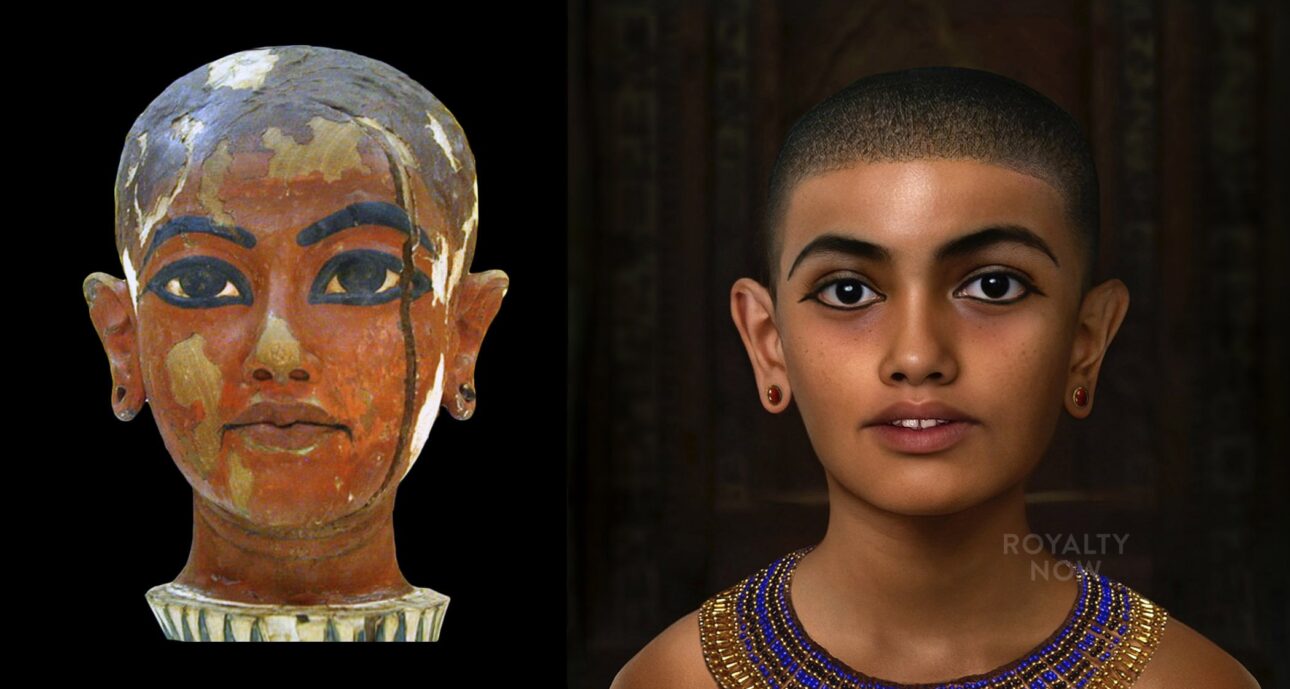
The historical irony is undeniable: a ruler who was almost erased from the official records of Ancient Egypt became the most famous pharaoh in history precisely because his tomb was found intact. King Tutankhamun reigned for only nine years, but his name echoes three millennia later.
The new scientific discoveries do not completely resolve the mysteries surrounding the boy-pharaoh, but they offer a more human portrait of the ruler who has always been seen as a symbol of wealth and power. “Now we know that behind the gold and treasures, there was a fragile young man, a product of a system that valued blood purity over health,” reflects Batty.
The exhibition featuring the complete research results is on display in Dorchester, where visitors can see digital reconstructions showing what life would have been like for King Tutankhamun with his physical limitations. A journey that unites modern science and ancient history to unveil the secrets of Egypt’s most enigmatic pharaoh.









-

Uma pessoa reagiu a isso.