





 Portuguese
  English
  Spanish
 4 min of reading
  0 comments


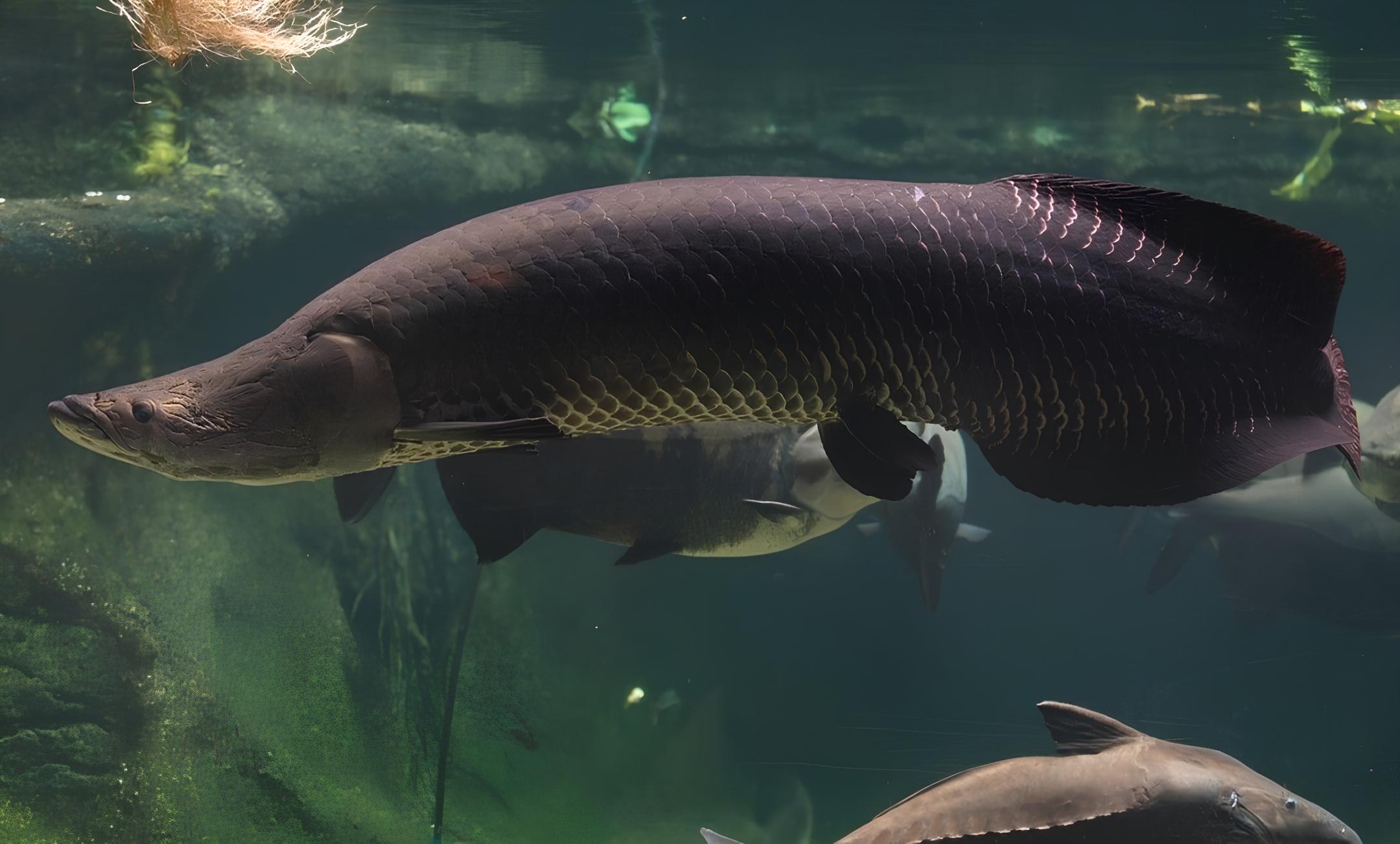
Aruana of up to 200 kg, Capable of Breathing Out of Water, Is Caught in São Paulo and Rekindles Debate on Invasive Species, Environmental Impacts and Economic Value.
At the end of November, an unusual episode caught the attention of fishermen, environmentalists, and authorities in the interior of São Paulo. Roberto do Carmo, 53 years old, hooked a gigantic fish in the Marinheiro River, in the municipality of Cardoso. The animal measured about 2.5 meters long and weighed approximately 160 kilograms, dimensions that are rare even in regions where large fish are common. The most surprising detail, however, was not just the size, but the animal’s identity: it was an aruana, a species typical of the Amazon, a fish that breathes out of water.
The capture reignited important debates about the expansion of species outside their original biome, environmental impacts, fishing, population control, and even the economic potential of one of the most impressive fish in the world.
What Is the Aruana and Why Does It Impress So Much
Scientifically known as Arapaima gigas, the aruanã is among the largest freshwater fish in the world. Under ideal conditions, it can exceed three meters in length and reach up to 200 kilograms, occupying the top of the food chain in the environments where it lives.
-
The water that almost everyone throws away after cooking potatoes carries nutrients released during the preparation and can be reused to help in the development of plants when used correctly at the base of gardens and pots, at no additional cost and without changing the routine.

-
The sea water temperature rose from 28 to 34 degrees in Santa Catarina and killed up to 90% of the oysters: producers who planted over 1 million seeds lost practically everything and say that if it happens again, production is doomed to end.

-
An Indian tree that grows in the Brazilian Northeast produces an oil capable of acting against more than 200 species of pests and interrupting the insect cycle, gaining ground as a natural alternative in soybean, cotton, and vegetable crops.
-
The rise in oil prices in the Middle East is already affecting Brazilian sugar: mills in the Central-South are seeing their margins shrink just as ethanol gains strength.


Native to the Amazon Basin, the aruanã also occurs sporadically in other countries in South America. It is a carnivorous fish that feeds on other fish, crustaceans, and small aquatic animals, exerting a strong influence on the ecological balance of the rivers it inhabits.
A Fish That Breathes Out of Water
Among all its characteristics, one of the most curious and crucial for its survival is the ability to breathe out of water.
The aruanã has a highly adapted swim bladder, which functions similarly to a primitive lung. This allows it to capture oxygen directly from the air, surviving in rivers with very low dissolved oxygen levels.
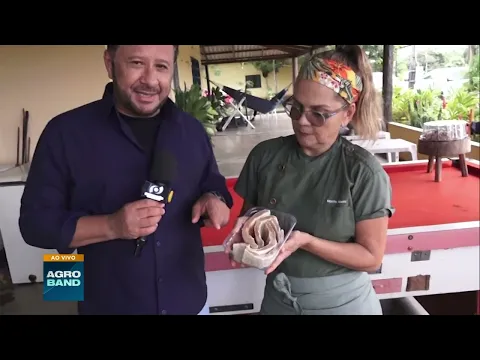

This adaptation explains why the aruanã can live in extreme environments and why its presence outside the Amazon worries specialists. In rivers where other species would have difficulty surviving, it adapts easily.
Why It Is Called the “Cod of the Amazon”
The popular nickname is no coincidence. The meat of the aruanã is considered noble, with a mild flavor, firm texture, and practically boneless, which facilitates preparation and increases its commercial value. In Amazonian cuisine, it is consumed fresh, grilled, or dried and salted — a form that resembles traditional cod, hence the nickname.
The use of aruanã goes beyond food. Its thick and durable skin is used in the fashion industry to make high-value bags, belts, and shoes.
A symbolic example of this prestige was an accessory made from aruanã leather that was even gifted to British Princess Kate Middleton, reinforcing the fish’s international status.

Economic Potential and Farming in Captivity
From a productive perspective, the aruanã has rare characteristics. It exhibits rapid growth, hardiness, and good adaptation to pond farming, supporting high stocking densities. These qualities make it seen as a strategic alternative for Brazilian aquaculture, especially in the Northern region.
Therefore, the aruanã is often cited as a species with great potential for economic expansion, as long as it is managed in a controlled and legal manner.
The Presence Outside the Amazon and Environmental Risk
Despite the economic advantages, the presence of the aruanã outside its natural biome raises serious environmental concerns. Currently, there are records of the species in rivers of at least five states outside the Amazon, including São Paulo, Bahia, Minas Gerais, and areas of the Pantanal in Mato Grosso and Mato Grosso do Sul.

Experts warn that, in these environments, the aruanã behaves as an invasive species. The central problem is that, outside the Amazon, it has no natural predators, which facilitates its proliferation.
As it is highly predatory, it can reduce populations of native fish, alter food chains, and cause significant ecological imbalances.
According to the Environmental Military Police, since it is not a native species to these regions, the aruanã has no weight or quantity limits for fishing outside the Amazon. In these areas, its removal is considered beneficial to environmental balance, specifically to contain its expansion and reduce impacts on local fauna.
The incident recorded in Cardoso, in the interior of São Paulo, illustrates this dilemma: an impressive, valuable, and biologically fascinating fish, but which, outside its original habitat, becomes an environmental challenge.
A Giant That Raises More Questions Than Answers
The capture of the aruanã in São Paulo is not just a curiosity or a sporting achievement. It opens a broader discussion about the introduction of species, enforcement, economic exploitation, and environmental conservation.
The so-called “cod of the Amazon” not only challenges what is known about common fish but also the ability to balance economic development and the preservation of Brazilian ecosystems.









-

-

2 pessoas reagiram a isso.