





 Portuguese
  English
  Spanish
  4 min of reading
  0 comments


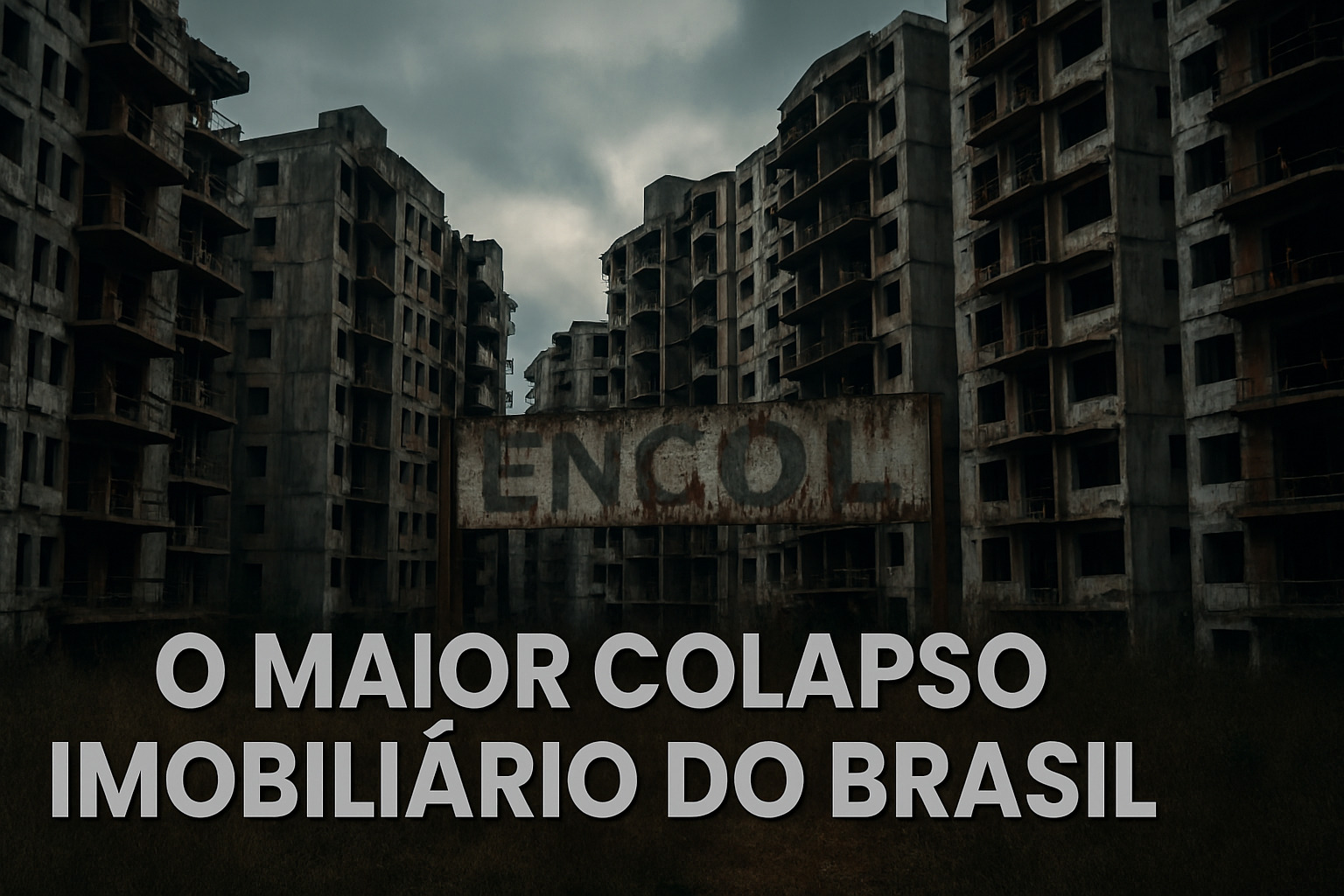
Latin America’s Largest Construction Company, Encol Left 40 Thousand Families Without Homes and Losses of R$ 2.5 Billion in the Largest Real Estate Collapse in Brazil’s History.
In the late 1980s and early 1990s, Brazil was experiencing a period of economic optimism. The real estate sector was growing, large construction companies were expanding nationally, and thousands of families viewed the dream of home ownership as a means of achieving stability and social ascent. In this context, Construtora Encol S.A. emerged, a giant in the market that came to be considered the largest in Latin America, responsible for building entire neighborhoods in major capitals and selling over 70,000 properties across the country.
However, what began as a symbol of prosperity would soon turn into one of the largest financial and legal collapses in Brazilian history, leaving more than 40,000 families without homes, without refunds, and with losses exceeding R$ 2.5 billion.
The Encol Empire and the Promise of a New Era in Housing
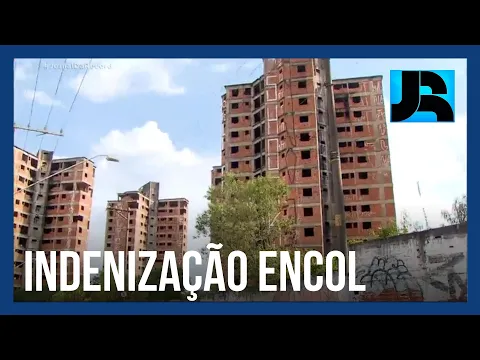
Founded in Goiânia in 1961, Encol grew rapidly in the following decades. The construction company operated in more than 70 Brazilian cities, with projects ranging from luxury condominiums to popular residential complexes, such as Residencial Veneza in Manaus, one of many projects that never came to fruition.
-
Russia reveals that it is already conducting 95% of all its business with China without using a single dollar; dedollarization has ceased to be a promise and has become a reality in record time, and the West watches helplessly.

-
While Brazilians work more than 44 hours a week, Norwegians leave the office at 3 PM and are now testing a four-day workweek with full pay and no loss of productivity.
-
A legend of Brazilian TV is 75 years old, returned to narrate the World Cup for SBT, and still finds time to manage a farm of over 100 hectares in Rio Grande do Sul where she produces award-winning wines, olive oil, and raises cattle.

-
Family buys mansion destroyed by fire for $1.5 million, faces over 500 days of construction, transforms loss into high-end property, and leaves neighbors in awe.


The company developed a business model that seemed infallible: customers purchased properties while still under construction, and the collective financing of the units funded the actual work. For years, the system worked and allowed thousands of Brazilians to realize the dream of home ownership.
In the 1990s, Encol reached its peak. It had 25,000 employees, generated billions of reais in revenue, and was considered a symbol of innovation and efficiency. Its projects were featured in advertisements in magazines, TV commercials, and billboards promising quality and punctuality in delivery.
But behind the facade of solidity, the company hid a financial time bomb.
The Crisis That Dismantled the Empire
In the mid-1990s, the real estate market faced a downturn, and Encol began to struggle to balance its cash flow.
To sustain the pace of construction, the company began using funds from new buyers to pay costs of old projects, a risky model that functioned only as long as sales continued to grow.
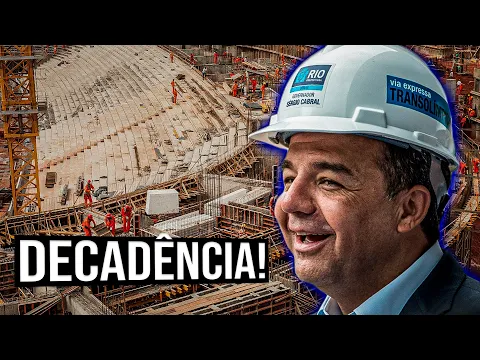
When the number of new contracts fell, the system collapsed. In 1999, Encol officially went bankrupt, leaving behind more than 700 unfinished projects across 23 states and the Federal District. The company’s net worth plummeted from R$ 1.2 billion to almost zero in just a few months.
The outcome was devastating: thousands of buyers lost everything. Many had fully paid for their properties but never received the keys. Others continued to make payments for years, unaware that the project had already been halted.
In the case of Residencial Veneza in Manaus, the situation was symbolic: the complex was abandoned while still in the foundation phase, and to this day the stopped structures serve as a reminder of the scale of the collapse.
The Largest Real Estate Scandal in the Country
The impact of Encol’s bankruptcy was so great that economists compared the case to a “Brazilian Enron.” The estimated loss at the time, of R$ 2.5 billion, would amount to over R$ 10 billion in current values, not counting the moral and property damages to affected families.
In several cities, buyers organized into associations and attempted to resume construction on their own. In some cases, there was partial success, but most of the constructions—like Residencial Veneza—remained unfulfilled promises.
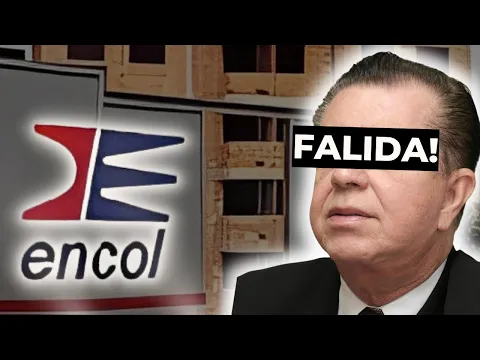
The judicial process for Encol’s bankruptcy dragged on for over two decades. Former directors were investigated for fraudulent management, embezzlement of funds, and falsification of financial statements, but few served time.
Even today, the case is studied in law, administration, and engineering courses as one of the greatest corporate disasters in Latin America, resulting from poor management, lack of oversight, and absence of consumer protection mechanisms.
The Traces of Abandonment and the Memory of Loss
In the cities where Encol left its projects, the ruins still stand. Unfinished structures, empty lots, and concrete skeletons have become silent markers of the collapse. In Goiânia, Brasília, Manaus, Salvador, and Fortaleza, buildings erected by the company have become symbols of the failure of an economic model based on trust without real guarantees.
Many affected borrowers are still awaiting compensation. Although the federal government created housing programs in the 2000s, such as “Minha Casa, Minha Vida” to try to reorganize the sector, no Encol buyer has been fully reimbursed.
The ruins of Residencial Veneza in Manaus remain exposed, overgrown and rusty. The site, which once represented hope for housing and prosperity, is now a painful reminder of how the lack of regulation and transparency can destroy lives and dreams.
A Warning That Time Has Not Erased
More than 25 years later, the Encol case is still an open wound in the Brazilian real estate market. It exposed the failures in incorporation legislation, the risks of cross-financing, and the vulnerability of buyers in the face of large construction companies.
The company’s collapse not only broke investors, it shattered the dream of home ownership for 40,000 families, many of whom have never been able to recover what they lost.
Today, the name Encol is remembered as a synonym for unfulfilled promises, of concrete that never became home, and of a country still struggling to balance ambition, planning, and responsibility.







-

-

-

-

-

-

36 pessoas reagiram a isso.