





 Portuguese
  English
  Spanish
  3 min of reading
  1 comment


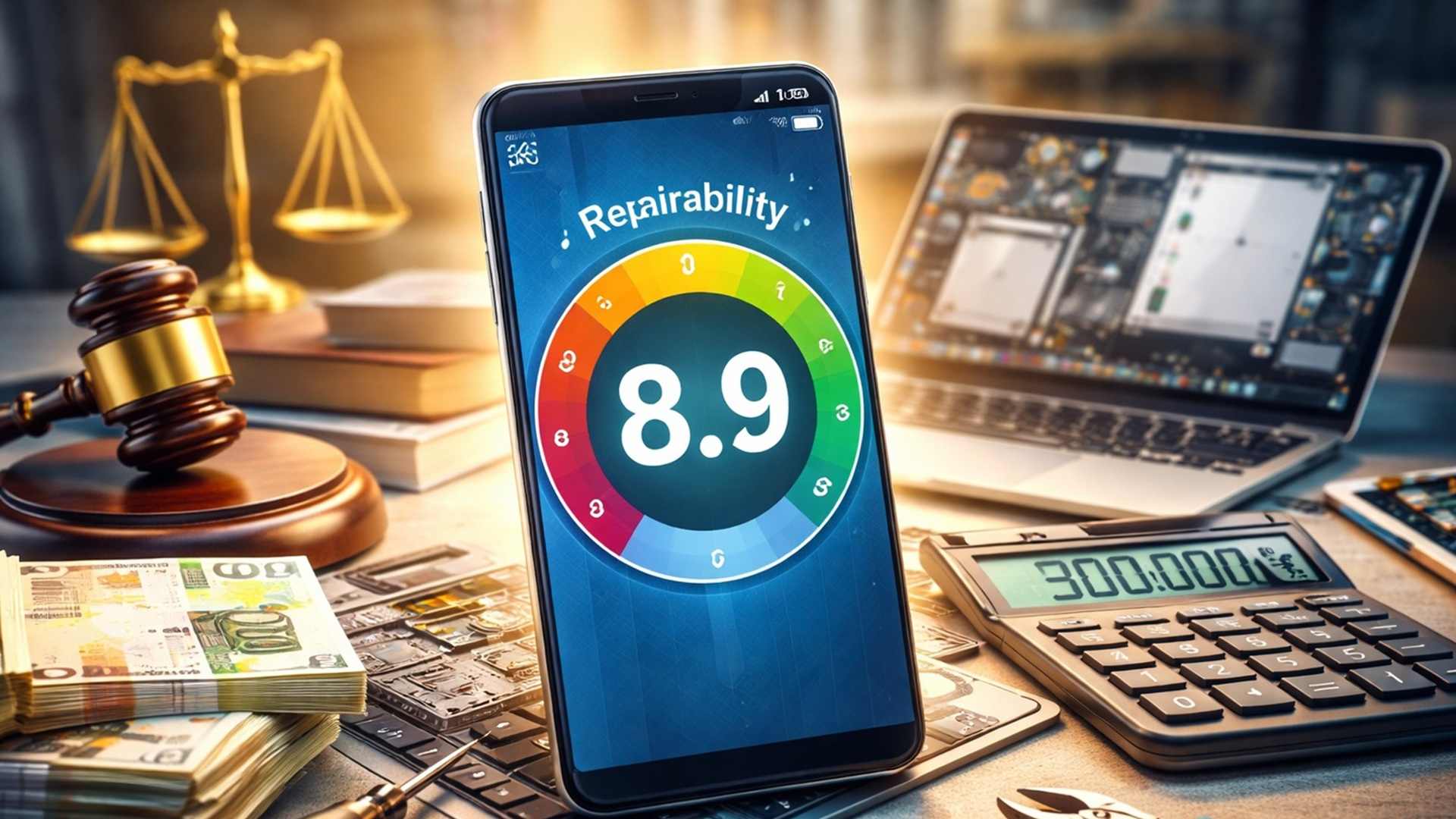


Legislation in Force Since 2015 Provides Fines of Up to €300,000 or 5% of Annual Revenue for Companies That Deliberately Reduce Product Lifespan, Includes Criminal Sanctions, Recorded a Fine of €25 Million in 2020 and Implemented, in 2021, Mandatory Repairability Index with Score from 0 to 10 for Electronics
Since 2015, France considers it a crime to intentionally shorten the lifespan of a product, known as planned obsolescence, with fines of up to €300,000 or 5% of annual revenue. In 2020, Apple was fined €25 million. In 2021, the country created the Repairability Index.
Criminalization of Intentional Reduction of Product Lifespan
French legislation establishes that companies that intentionally shorten the durability of their products may face fines of up to €300,000 or even 5% of annual revenue, in addition to possible criminal sanctions.
The regulation came into effect in 2015 and classified as a crime practices aimed at deliberately reducing the lifespan of consumer goods, placing the issue at the center of the country’s public policy.
-
Friends have been building a small “town” for 30 years to grow old together, with compact houses, a common area, nature surrounding it, and a collective life project designed for friendship, coexistence, and simplicity.

-
This small town in Germany created its own currency 24 years ago, today it circulates millions per year, is accepted in over 300 stores, and the German government allowed all of this to happen under one condition.

-
Curitiba is shrinking and is expected to lose 97,000 residents by 2050, while inland cities in Paraná such as Sarandi, Araucária, and Toledo are experiencing accelerated growth that is changing the entire state’s map.

-
Tourists were poisoned on Everest in a million-dollar fraud scheme involving helicopters that diverted over $19 million and shocked international authorities.


The measure represented a structural change in how the French State began to handle the relationship between manufacturers, consumers, and the product lifecycle.
Mobilization Led by Laetitia Vasseur and HOP
The change gained momentum after years of mobilization led by activist Laetitia Vasseur and the organization Halte à l’Obsolescence Programmée, known as HOP.
The organization pressured authorities to investigate abusive industry practices and filed complaints related to product durability, expanding the public debate on planned obsolescence.
The group’s actions helped to ensure that the issue was permanently incorporated into the French legislative agenda.
Fine of €25 Million to Apple in 2020
The issue gained international attention when Apple was fined €25 million in 2020 for not adequately informing consumers about the slowdown of older iPhone models.
The penalty was imposed after an investigation conducted by French authorities concluded that consumers had not been properly informed about the impact of updates on device performance.
The case raised international visibility for France’s policy against planned obsolescence and reinforced the practical application of the legislation.
Repairability Index with Score from 0 to 10
In 2021, France launched the Repairability Index, requiring manufacturers of electronics such as smartphones and laptops to display a score from 0 to 10 indicating how easy it is to repair the product.
The requirement aims to allow consumers to compare devices based on repairability, encouraging more sustainable choices at the time of purchase.
The measure is part of the country’s strategy to promote more durable and repairable products as an essential element of the future economy.
National Fund to Subsidize Repairs
In addition to sanctions and mandatory transparency, a national fund was created to subsidize repairs, making fixing devices financially more advantageous than replacing them.
The initiative aims to reduce early disposal of electronics and address the global increase in raw material consumption and electronic waste generation.
By combining criminalization, consumer information, and financial incentives for repair, France has structured a public policy focused on increasing product durability and reducing the environmental impact associated with accelerated consumption.
With these measures, the country has established a regulatory model that links corporate accountability, the right to information, and encouragement of repairability as central pillars of the circular economy.
The French strategy reinforces the idea that more durable and repairable products are essential to tackling the growth of electronic waste and the challenges of contemporary industrial production.










Como provar?
Davi contra Golias, só sendo ungido de Deus…