





 Portuguese
  English
  Spanish
  4 min of reading
  1 comment


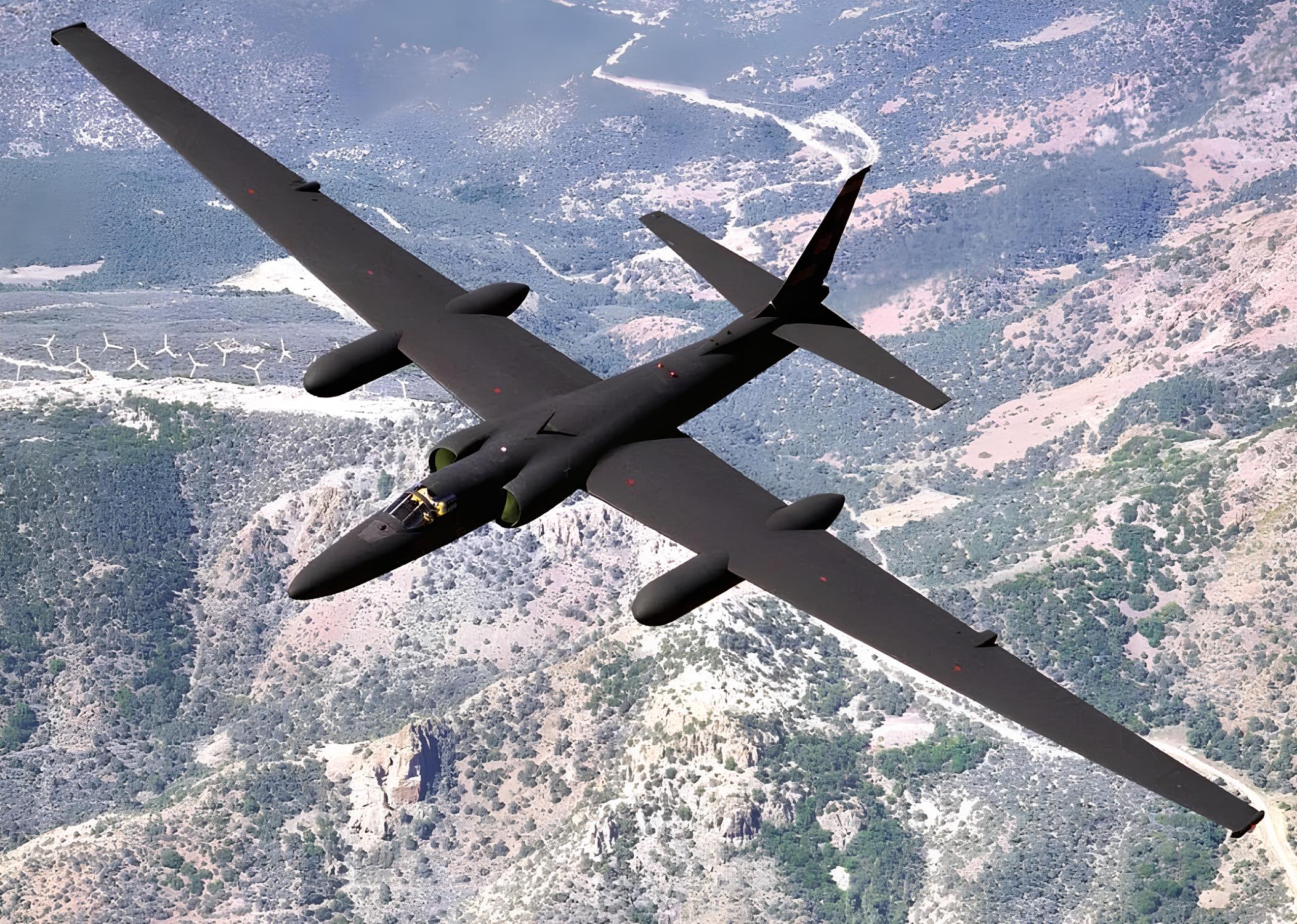


With A Ceiling Above 21,000 Meters And Over 60 Years Of Service, The Lockheed U-2 Redefined Aerial Espionage, Flew Above Enemy Defenses, And Influenced Key Cold War Decisions.
When the Lockheed U-2 entered service in the late 1950s, it looked like nothing else flying in military skies. Long and lean, with enormous and slender wings, it resembled more of a glider than a spy aircraft. But that strange shape concealed a radical idea: to fly high enough that no existing fighter jet, anti-aircraft gun, or missile could reach it. In a world divided among nuclear superpowers, this advantage changed the game of strategic intelligence.
An Airplane Created To Fly Where No One Else Could Reach
The U-2 was designed with a single dominant objective: extreme altitude. Its operational ceiling exceeds 21,000 meters (70,000 feet), placing it firmly in the lower stratosphere. In the 1950s, this meant operating far above the practical range of interceptors and most anti-aircraft systems.
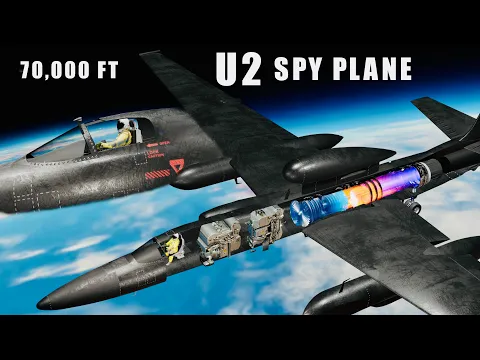

To achieve this performance, Lockheed engineers relied on wings with an almost 31-meter wingspan, larger than those of many regional commercial aircraft, but attached to a narrow and lightweight fuselage. The result was an aircraft with exceptional lift-to-drag ratio, capable of staying aloft for hours at altitudes where the air is too thin for most aircraft.
-
Brazil is about to inaugurate the largest maritime surveillance system in its history, with radars, infrared cameras, and autonomous sensors installed on Ilha Grande to monitor the entire Brazilian coast in real time.
-
Archaeologists discover in China a 5,000-year-old tomb with over 350 artifacts, nearly 200 jades, and signs of intentional destruction, in a discovery that could be the gateway to a lost prehistoric kingdom.

-
A vacuum robot with a five-axis mechanical arm capable of picking up objects from the floor, avoiding obstacles in real time, and continuing to clean on its own inaugurates a new generation of appliances that see, think, and act within the home.
-
Geographers redefine the Brazilian relief and confirm the presence of mountains in 14 states with a new system that changes historical criteria and alters the way the territory is classified.


This choice brought challenges. The margin between stalling and overspeed is minimal at these altitudes, requiring extremely precise control. Pilots describe flying as “balancing on the edge of a knife.” Still, the strategic gain outweighed any operational risk.
Reconnaissance Before The Satellite Era
Before reconnaissance satellites became reliable, the U-2 was the primary tool for observing what was happening behind the Iron Curtain.
Equipped with high-resolution cameras, optical and electronic sensors, the aircraft could photograph bases, runways, industrial complexes, and later, missile silos, all with an unprecedented level of detail.
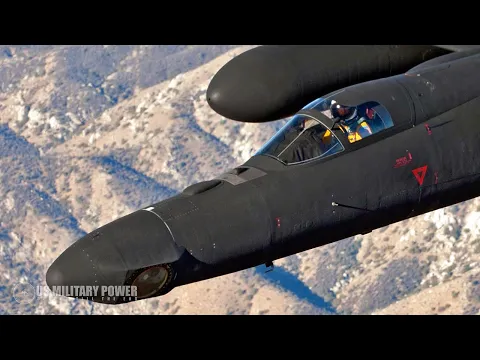
The difference was not just the clarity of the images, but the speed of the information. Unlike satellites, the U-2 could be dispatched on demand, return the same day, and deliver data almost in real-time to analysts and political leaders.
This capability directly influenced strategic decisions, preventing exaggeration of threats and reducing the risk of miscalculations in a time when a misinterpretation could lead to nuclear war.
The Direct Impact On Global Crises
The most famous moment in the U-2’s career occurred during the Cuban Missile Crisis in 1962. Photographs obtained by the aircraft confirmed the installation of Soviet missiles on the island, providing undeniable evidence that guided the United States’ response.
These images not only changed the course of the crisis but also demonstrated the value of precise aerial intelligence. Without the U-2, decisions would have been made based on assumptions. With it, there were facts.
For years, the U-2 operated with the feeling of being out of reach. This perception was shattered in 1960 when one aircraft was shot down over the Soviet Union by a surface-to-air missile. The incident showed that, although extraordinary, altitude did not guarantee absolute invincibility.
The episode forced tactical changes and accelerated the development of new platforms, including satellites and even more discreet aircraft. Still, the U-2 was not discarded. It was adapted, modernized, and redeployed with new sensors and operational doctrines.
U-2 Pilots In Almost Space Suits
Flying above 21,000 meters imposes extreme human demands. The U-2’s cockpit is not pressurized like commercial aircraft. Therefore, pilots wear pressurized suits similar to those of astronauts, complete with oxygen and thermal control systems.
This condition reinforces the unique nature of the mission. Physiologically, flying a U-2 is more akin to a space activity than a conventional flight, further enhancing the myth surrounding the aircraft.
Longevity That Defies Military Logic
Perhaps the most impressive aspect of the U-2 is its longevity. More than six decades after its first flight, it remains operational, receiving constant updates in sensors, avionics, and communications.
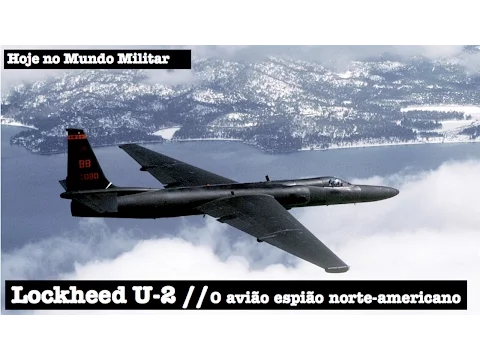
Very few military projects remain relevant for so long. The secret lies in the combination of a solid concept with adaptability. While technologies have changed, the need for flexible, high-altitude aerial observation has remained.
A Symbol Of An Era And Beyond
The Lockheed U-2 is more than just an airplane. It symbolizes a time when engineering sought extreme solutions to existential problems.
By operating above enemy defenses for decades, it helped stabilize the strategic balance, providing critical information that reduced the risk of decisions based on fear or misinformation.
Even in a world dominated by satellites, drones, and automated systems, the U-2 remains relevant, proving that some ideas, when well executed, transcend technological generations.





Um.