





 Portuguese
  English
  Spanish
  4 min of reading
  0 comments


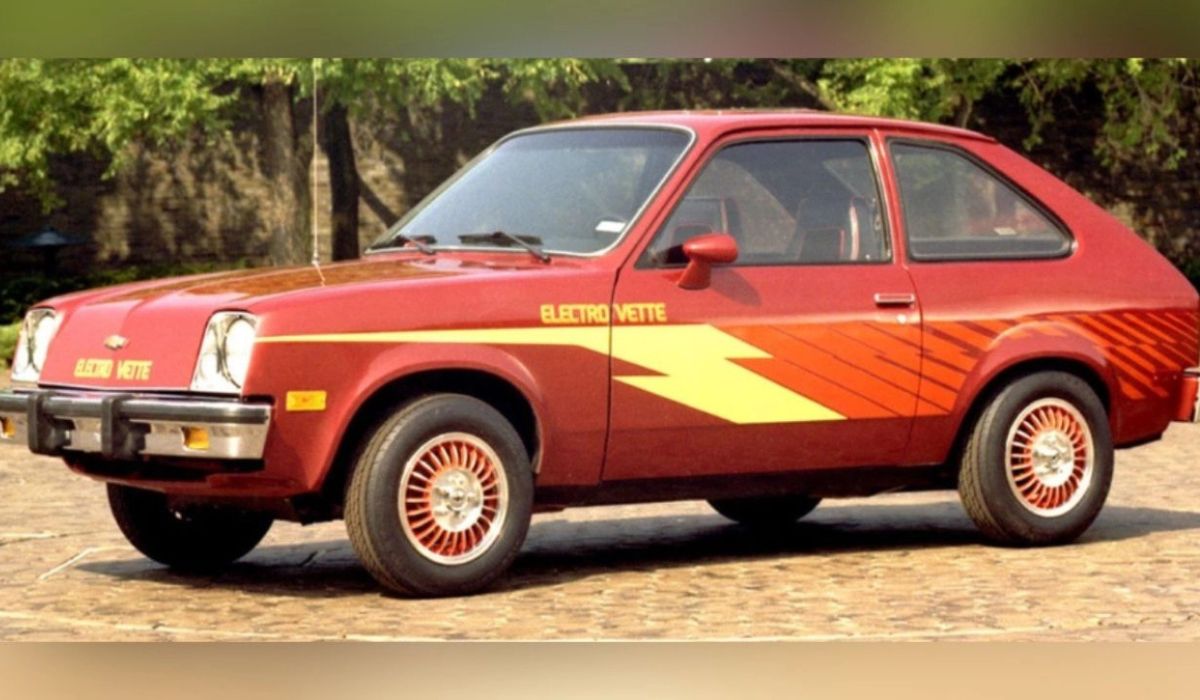
General Motors Prototype in the 1970s Anticipated Debate on Electric Cars Amid the Oil Crisis, Promising Urban Use and Limited Range, but Faced Technological Restrictions of Batteries at the Time.
The proposal for a Chevette powered solely by batteries emerged decades before electric vehicles gained commercial scale.
According to information from the MobiAuto, amid the oil crisis of the 1970s, General Motors developed the Electrovette, a prototype based on the American Chevrolet Chevette, focusing on urban commuting and reducing gasoline dependency.
The model never reached mass production.
-
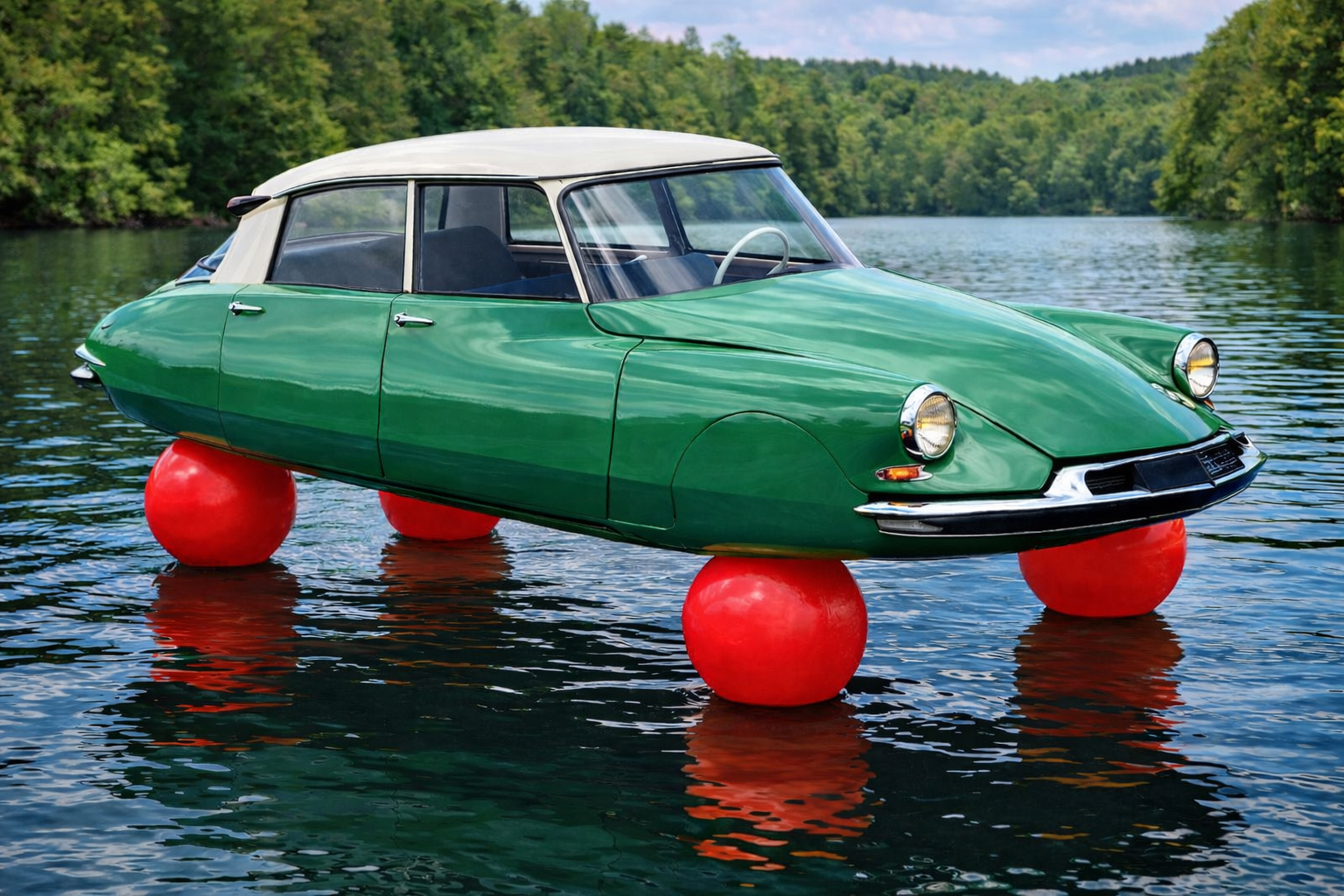
A French brand placed a car on four huge red balloons to prove that its suspension made the vehicle “float,” and the surreal scene became one of the most iconic and unusual images in automotive history.
-
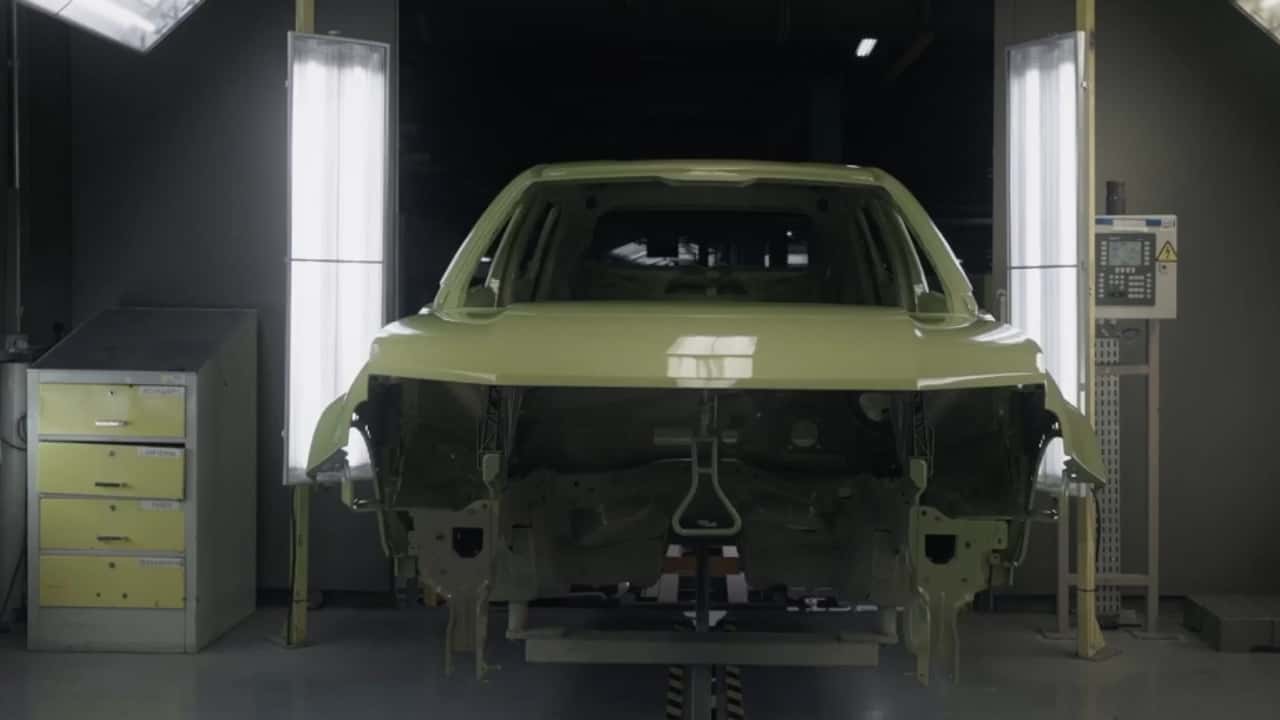
Jeep Avenger begins production in Brazil, debuting as the brand’s new entry-level SUV and inaugurating an unprecedented phase by becoming the first national Jeep manufactured outside of Goiana, as part of a R$ 3 billion plan.
-
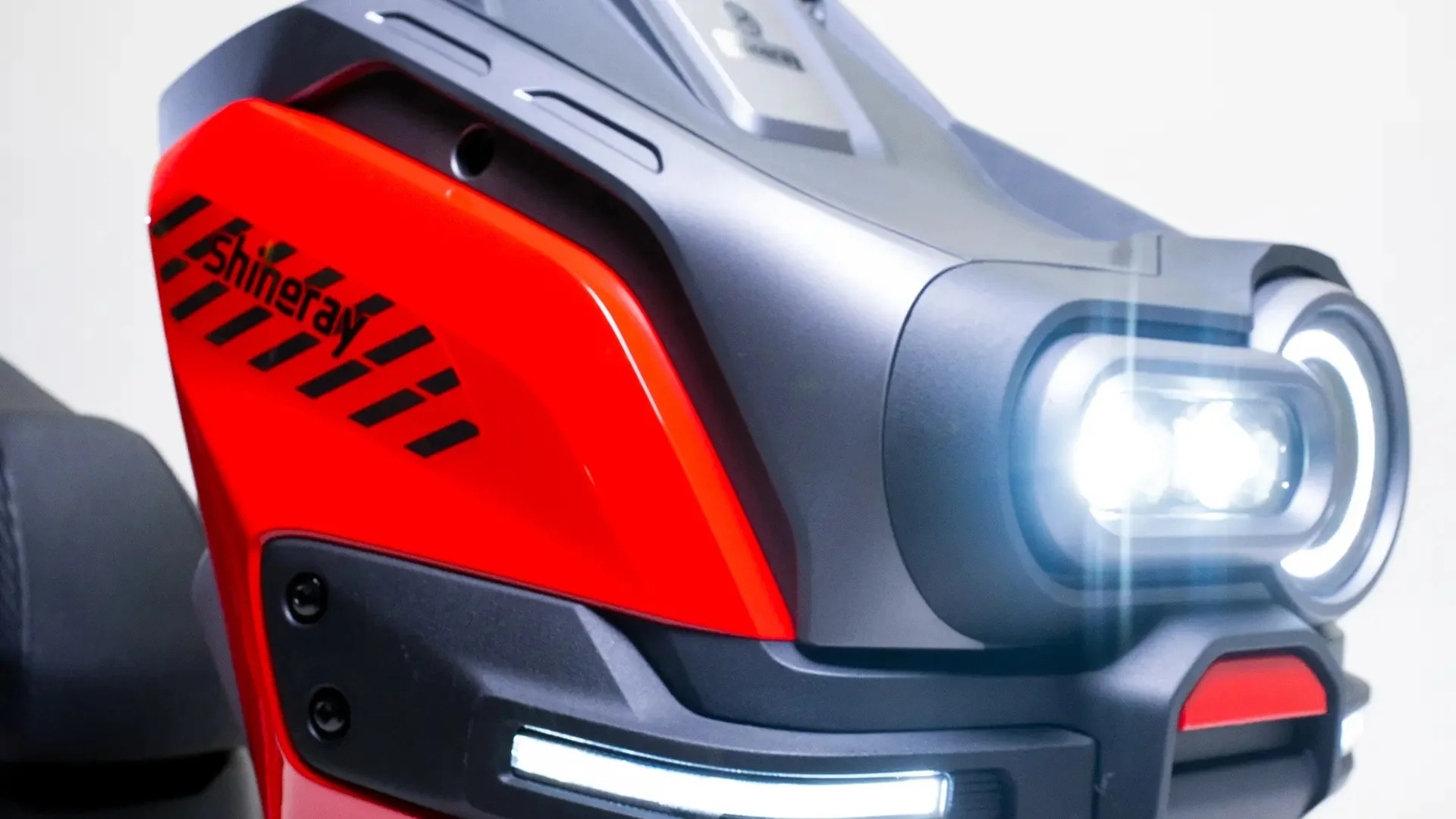
Costing R$ 12,490, the new Shineray Urban Lite 150 “cheap one” arrives in Brazil with a CVT transmission, digital dashboard, and LED lights, making it more affordable than the Biz and targeting those who want to abandon the bus.
-
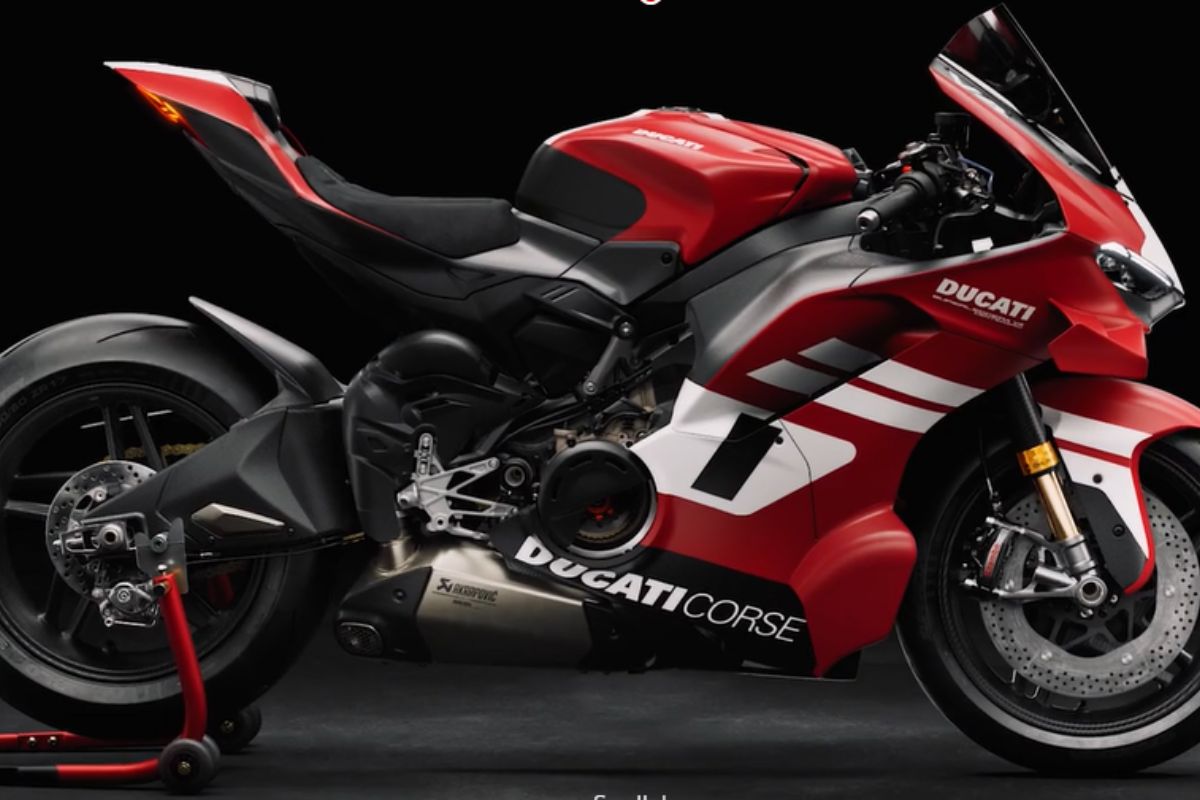
Ducati brings to Brazil the Superleggera V4 Centenario: 228 hp that become 247 with a track kit, carbon fiber and carbon-ceramic brakes, estimated price between R$ 1.5 and 2 million, deliveries only in 2027.

Nevertheless, it became one of the company’s first structured experiments in the field of electrification, long before later initiatives like the EV1, which was launched as a leasing program in the United States in the 1990s.
Oil Crisis Boosted GM’s Electric Car Project
The development of the Electrovette took place in a context of energy uncertainty.
The rise in oil prices and supply restrictions pressured automakers to study solutions that would reduce fossil fuel consumption.
Historical records indicate that the project began in 1976, involving the adaptation of a production Chevette for testing with electric propulsion.
During that period, GM executives were publicly discussing the potential growth of this market.
A report from The Washington Post cited by specialized publications notes that the then-president of the company, Pete Estes, stated that by 1990, one in ten vehicles sold in the United States could be battery electric, especially for urban use.
The statement reflected the environment of seeking energy alternatives.
In practice, however, the technological advances required to make this projection feasible were still distant.
How the Chevette Was Adapted to Become Electric
To convert the hatchback to electric, GM made relevant structural changes.
The wheelbase was shortened, according to period descriptions, and the rear seat area was repurposed to house the battery pack.
As a result, the vehicle adopted a two-seater configuration.

The adaptation also required the reorganization of electrical and electronic components, which occupied areas originally designated for the combustion engine and auxiliary systems.
Marketing materials associated with the project described the Electrovette as a complementary car for families, aimed at everyday tasks, shopping, and short trips.
The proposal indicated that the model would not completely replace a conventional car but would serve as an alternative for urban commuting.
Range, Speed, and Battery Challenges
GM tested the prototype with nickel-zinc batteries, a technology considered promising at the time for combining energy delivery capacity and competitive cost potential.
Subsequently, as reported by historical sources from the automotive industry, the battery pack was said to have been replaced by lead-acid batteries, which were more widely known but had lower energy density.
Documents from the United States Congress at the end of the 1970s mention evaluations with a zinc-nickel oxide battery pack, indicating that the project also served as a testing platform for different chemical compositions.
Disclosures from Chevrolet cited by specialized publications indicated range of up to 50 miles at a constant speed of 30 miles per hour, as well as maximum speed close to 53 miles per hour.
In approximate conversion, the numbers correspond to about 80 kilometers of range at a constant speed of 48 km/h and a peak close to 85 km/h.
These figures varied depending on testing conditions and the type of battery used.
Experts point out that at that stage, durability and recharge time still represented significant obstacles to widespread adoption.
Why the Electrovette Never Hit the Streets
With the gradual stabilization of fuel prices throughout the 1980s, the economic pressure to launch a limited-range electric car diminished.
The Electrovette remained an experimental prototype, presented at corporate events and institutional meetings, without moving to dealerships.
Automotive industry analysts often highlight that during that period, battery technology still did not provide the right combination of range, cost, and reliability for a high-volume product.
The very history of the industry shows that electrification progressed intermittently in the following decades, following fluctuations in oil prices and regulatory changes.
Years later, GM would resume the development of electric vehicles in a new technological and regulatory context, culminating in the EV1, produced between 1996 and 1999 under a leasing program in the United States.
The program also faced technical and commercial limitations but marked a distinct phase of experimentation.
The Electrovette, therefore, remains a record of an early attempt at electrification by a large automaker.
The project demonstrates that the discussion about electric mobility predates the current cycle of global investments and launches by several decades.









-

2 pessoas reagiram a isso.