





 Portuguese
  English
  Spanish
  3 min of reading
  0 comments



The Stagnation of Productivity in Construction Reveals Structural Flaws, Challenges in the Labor Market, and the Immediate Need for a New Culture of Planning, Management, and Technology in the Sector
Meanwhile, the Brazilian construction sector is going through a critical moment. While various segments of the economy have rapidly advanced in digitization, strategic planning, and the use of technology, construction remains stuck in outdated practices, which limits efficiency and competitiveness. In this context, understanding the productivity gap has become essential for leaders who wish to drive their companies with a strategic vision rather than merely reacting to market pressures.
Furthermore, global data reinforces the warning. A study by the McKinsey Global Institute, released in 2020, indicates that, between 2000 and 2020, construction productivity grew, on average, by only 1% per year worldwide. During the same period, the global economy advanced by about 2.8% per year, highlighting a persistent and structural lag in the sector.
In Brazil, the situation remains similar. According to the Brazilian Institute of Geography and Statistics (IBGE), in 2022, the construction industry generated R$ 415.6 billion in gross production value, employing approximately 2.3 million people. Even so, growth remained moderate, while challenges related to efficiency, planning, and labor continued to accumulate.
-
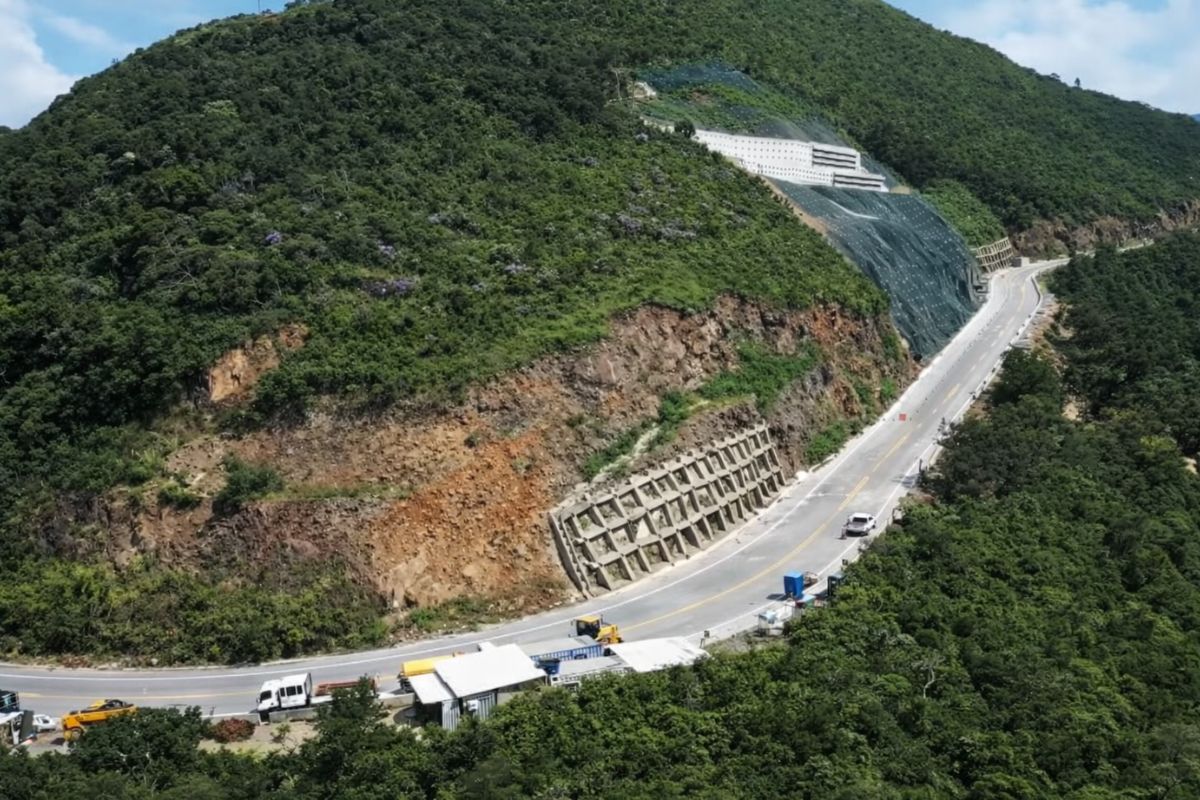
The section of Serra da Rocinha on BR-285 is now open in Timbé do Sul: 50 m tensioned curtains and top-down technique stabilize the slope, with a stairway duct controlling the water.
-
Scientists use sawdust mixed with clay to create a lighter brick, promising efficient thermal insulation and impressing by transforming waste into a solution for construction.

-
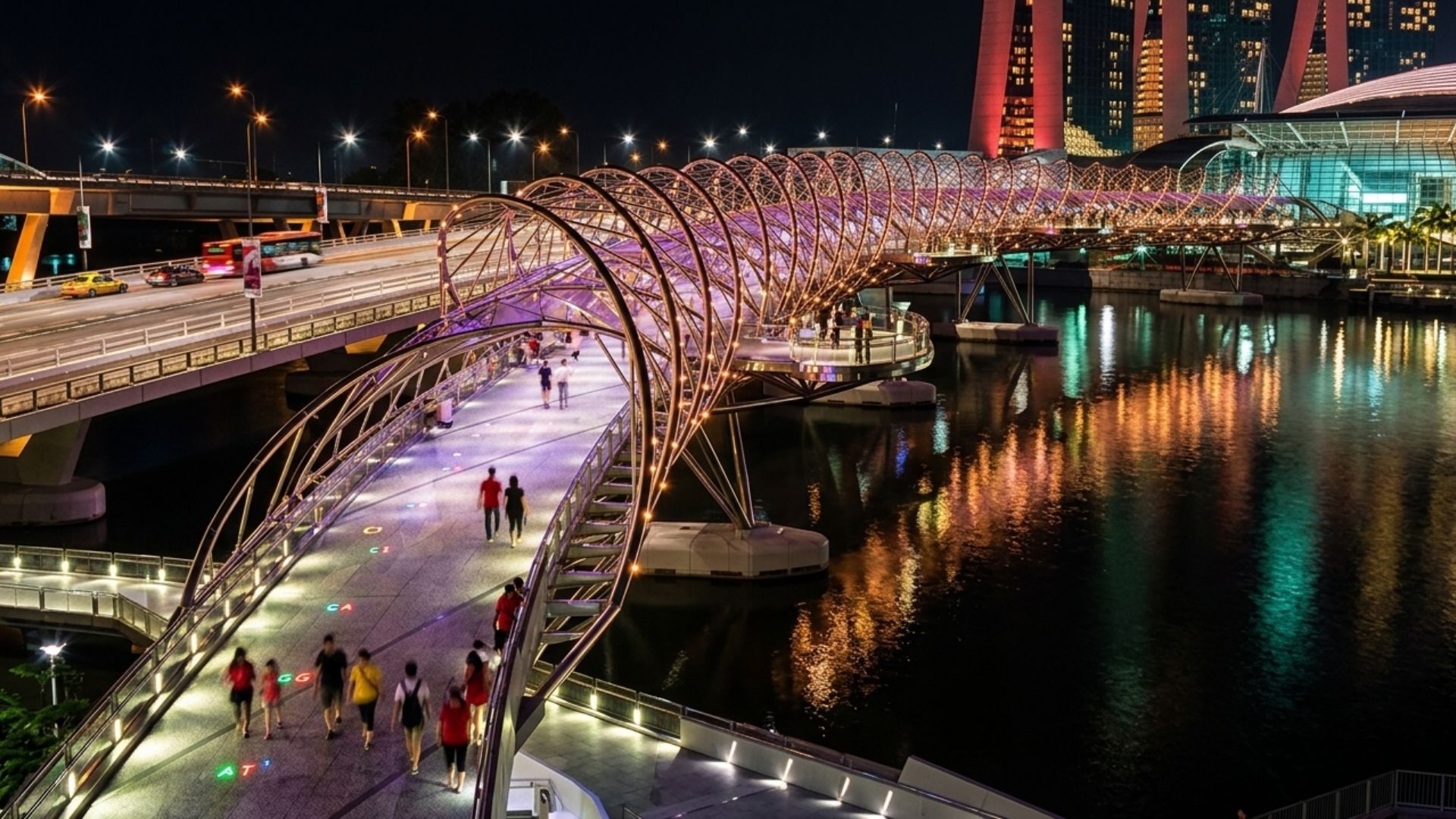
With a DNA shape, this bridge in Singapore draws attention in modern architecture and surprises tourists by transforming a simple crossing into an unforgettable visual experience in the urban heart.
-
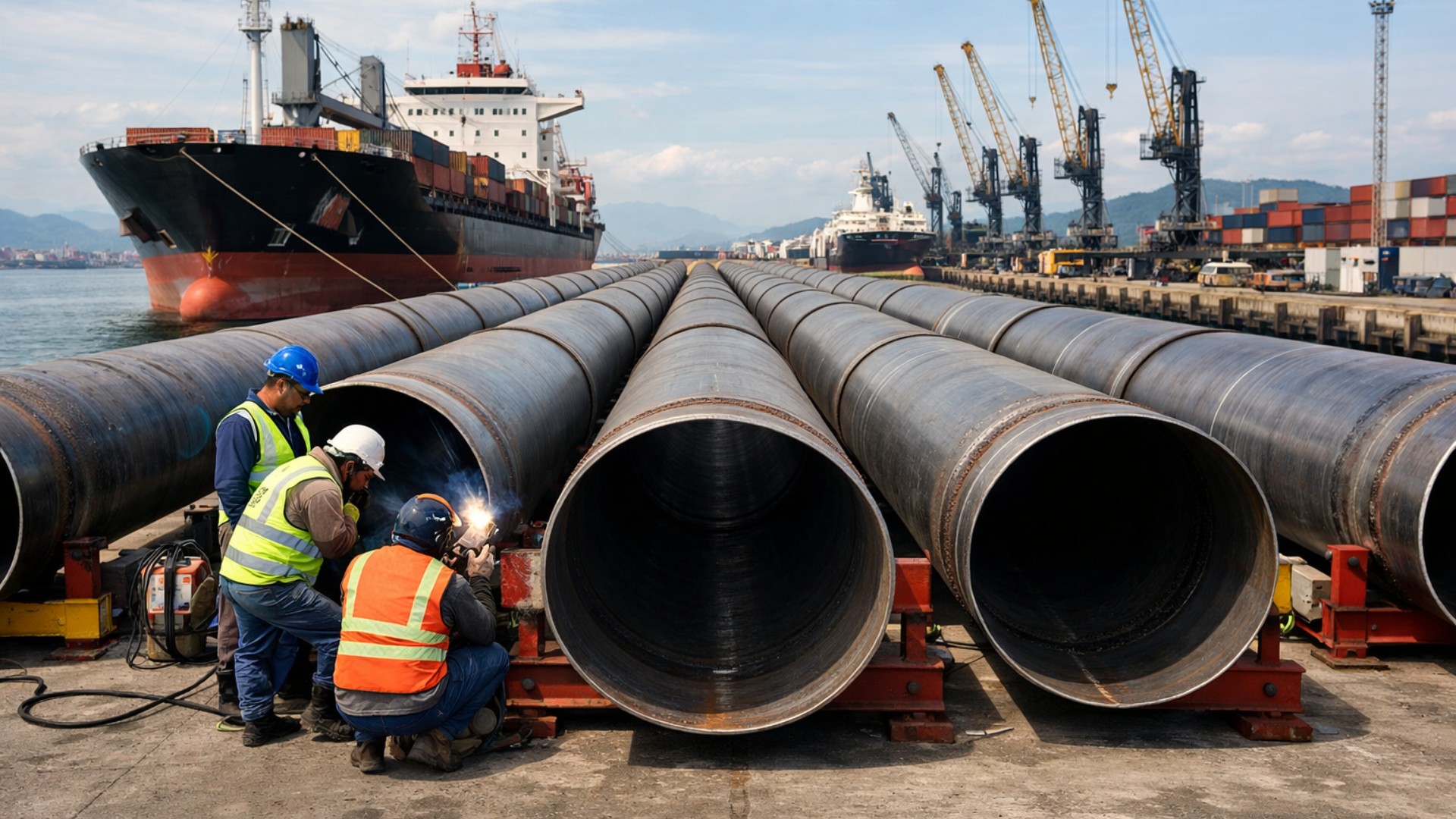
Giant underwater pipeline begins to take shape with a R$ 134.7 million project at the Port of Santos: the 1.7 km structure uses 12-meter and 700 mm pipes to supply water to 450,000 people in Guarujá.

At the same time, specialized consulting studies indicate that the consistent adoption of BIM modeling, process automation, and integrated planning could yield productivity gains of between 50% and 60%. Therefore, these numbers represent not just statistics, but clear warning signs for strategic decisions that can no longer be delayed.
Simultaneously, the labor market adds new pressures to the sector. According to data from the IBGE and the National Confederation of Industry (CNI), the unemployment rate in Brazil reached about 7.5% in 2024, the lowest level since 2015. While this is positive from a macroeconomic perspective, it has significantly reduced the supply of qualified professionals.
As a consequence, engineers, foremen, safety technicians, and skilled operators have become increasingly scarce. As the training of these professionals takes time, the impact is direct: increasing costs, longer deadlines, and reduced investments, precisely when the sector needs to accelerate its delivery capacity the most.
In this context, the productivity gap persists due to well-defined factors. First, the culture of immediacy is highlighted, where planning is seen as a waste of time and improvisation still dominates strategic decisions. Then, resistance to technology adds to this, worsened by a lack of training and the perception that digital systems represent bureaucracy. Finally, economic instability, marked by fluctuations in input costs and a constant sense of risk, reduces the willingness to invest structurally.
For business leaders, the reflections are clear. Low productivity raises costs per square meter, compromises deadlines, reduces the predictability of deliveries, and affects the final quality of the works. Furthermore, companies that have already adopted more modern models gain a competitive advantage in an increasingly contested market.
Therefore, breaking this cycle requires three strategic moves. First, prioritize the design before the construction, treating planning as an investment and not as a cost. Second, empower leadership and teams, creating a culture conducive to technology and innovation. Finally, implement governance and data management, with clear productivity indicators, integration across areas, and continuous performance monitoring.
In summary, Brazilian construction is facing a decisive choice. Remaining inert means losing relevance. Leading the transformation demands culture, preparation, and strategic vision — factors that will determine who will be competitive in the market of the future.
By: Daniela Lopes, Chief Sales Officer of We Are Group, a company specialized in executing high-end corporate and commercial environments.










Seja o primeiro a reagir!