





 Portuguese
  English
  Spanish
  4 min of reading
  0 comments


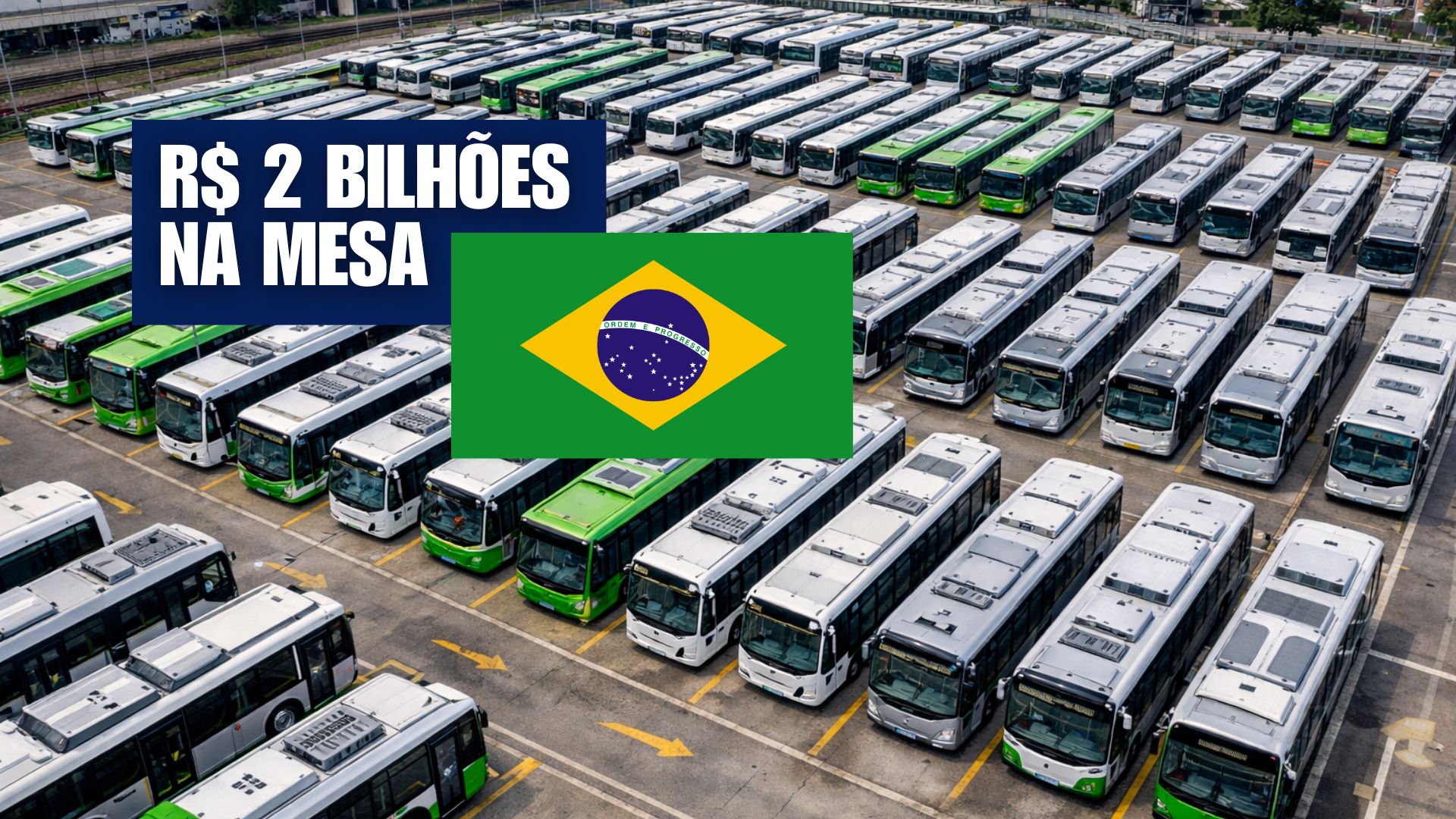
Billion-Dollar Investment of the New PAC Aims for Fleet Renewal, Inclusion of Electric Buses and Less Polluting Vehicles, Reaching Municipalities from Different Regions and Reinforcing the Federal Strategy to Modernize Urban Public Transport and Reduce Emissions in the Sector.
The federal government announced this week new resources from the New PAC for urban mobility and public transport renewal.
The highlight of the package is the allocation of R$ 2.06 billion for the fleet renewal in 14 qualified proposals.
The expectation is that the amount will finance the purchase of electric buses and vehicles with Euro 6 technology, aimed at replacing part of the fleet in cities and states selected by the Ministry of Cities.
-
Mercado Livre has just started selling medications with delivery in up to three hours to your door, and this move could completely change the way Brazilians buy medicines on a daily basis.

-
In Dubai, rising tensions from the war in the Middle East are causing super-rich individuals to leave the Gulf and direct their fortunes to a new financial refuge in Asia.

-
“No one will make us change the Pix,” says Lula after the US report.

-
Lula responds directly to Trump and says that Pix is from Brazil and will not change under pressure from anyone, after a report from the United States pointed out the Brazilian payment system as an American trade barrier.


Fleet Renewal in the New PAC
According to official information, the entities contemplated in this fleet renewal include Ilhéus (BA), Anápolis (GO), Duque de Caxias (RJ), Angra dos Reis (RJ), Rio de Janeiro (RJ), Teresópolis (RJ), João Pessoa (PB), Guarulhos (SP), Porto Seguro (BA), Jequié (BA), and Maricá (RJ).
In addition to the municipalities, the State of Bahia and the State of Maranhão also appear on the list.
The list of proposals is part of a broader announcement, totaling more than R$ 2.5 billion in urban mobility and public transport actions.
Within that total, the largest share was reserved for replacing old vehicles with newer models.
The government describes the initiative as aligned with reducing emissions and modernizing public transport in Brazilian cities.
Electric Buses and Euro 6 Technology

In the specific fleet aspect, the guideline is to direct resources for two types of acquisition.
On one hand, electric buses, which are pointed out as part of the effort for energy transition in urban transport.
On the other hand, vehicles with Euro 6 standards, technology associated with a significant reduction in polluting gases compared to previous standards.
In the official communication, the government states that the adoption of these models helps to reduce pollution and update systems that, in many cities, operate with an aging fleet.
In addition to the environmental aspect, the announcement also highlights direct impacts on passenger service.
The Ministry of Cities claims that substituting older vehicles for newer ones tends to increase operational efficiency and the reliability of the lines.
Modernization is also presented as a factor for improving comfort during daily commutes.
Comfort, Efficiency, and Quality of Service
In the released note, the national secretary of Urban Mobility of the Ministry of Cities, Denis Andia, related the initiative to a broader policy of public transport qualification.
“Our goal is that infrastructure serves as a means to achieve quality public transport, with more comfort, safety, and agility for the population.
The fleet renewal complements this vision, ensuring that the vehicles circulating in our cities are modern, efficient, and sustainable, improving the user experience and contributing to a greener future,” said the secretary.
The announcement also mentions that the planned vehicles are more modern and, in the case of the new buses, cites the presence of air conditioning as a characteristic associated with the renewal.
However, the technical details of each acquisition depend on the proposed projects and the purchasing processes conducted by states and municipalities.
Served Cities and Regional Reach
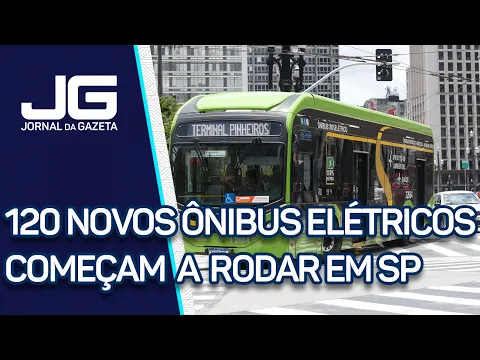

Among the highlighted localities, there is a concentration of proposals in the state of Rio de Janeiro.
In addition to the capital, Duque de Caxias, Angra dos Reis, Teresópolis, and Maricá appear.
In Bahia, Ilhéus, Porto Seguro, and Jequié are listed, in addition to the state government itself.
Maranhão is also included as a contemplated entity in the disclosed cut.
The package also includes municipalities from other regions of the country.
Among them are João Pessoa, in Paraíba, Guarulhos, in São Paulo, and Anápolis, in Goiás.
The government did not detail in the general announcement the number of vehicles planned for each locality.
No delivery deadlines or timelines for implementing the new fleets were provided either.
Mobility Infrastructure Also Included in the Package
In addition to vehicle renewal, the Ministry of Cities informed that four proposals were approved for urban mobility infrastructure works.
These interventions total over R$ 459 million in investments.
Among the planned actions are the construction and requalification of terminals, implementation of exclusive corridors, expansion of bike lanes, and modernization of shelters.
Projects involving Light Rail Vehicles were also mentioned.
In this axis of works, the municipalities mentioned were Anápolis (GO), Imperatriz (MA), Campina Grande (PB), and Nossa Senhora do Socorro (SE).
According to the government, the set of actions seeks to improve public transport fluidity and address infrastructure bottlenecks that affect travel time and line regularity.
By presenting the two axes, fleet and infrastructure, the Ministry of Cities maintains that the strategy integrates service improvement with emissions reduction.
In practice, the effects depend on how each city will implement the vehicles, reorganize lines, and ensure adequate maintenance and operation.
How will these changes reflect in the daily lives of those who depend on public transport to work, study, and move around the cities?







-

-

3 pessoas reagiram a isso.