





 Portuguese
  English
  Spanish
  4 min of reading
  0 comments


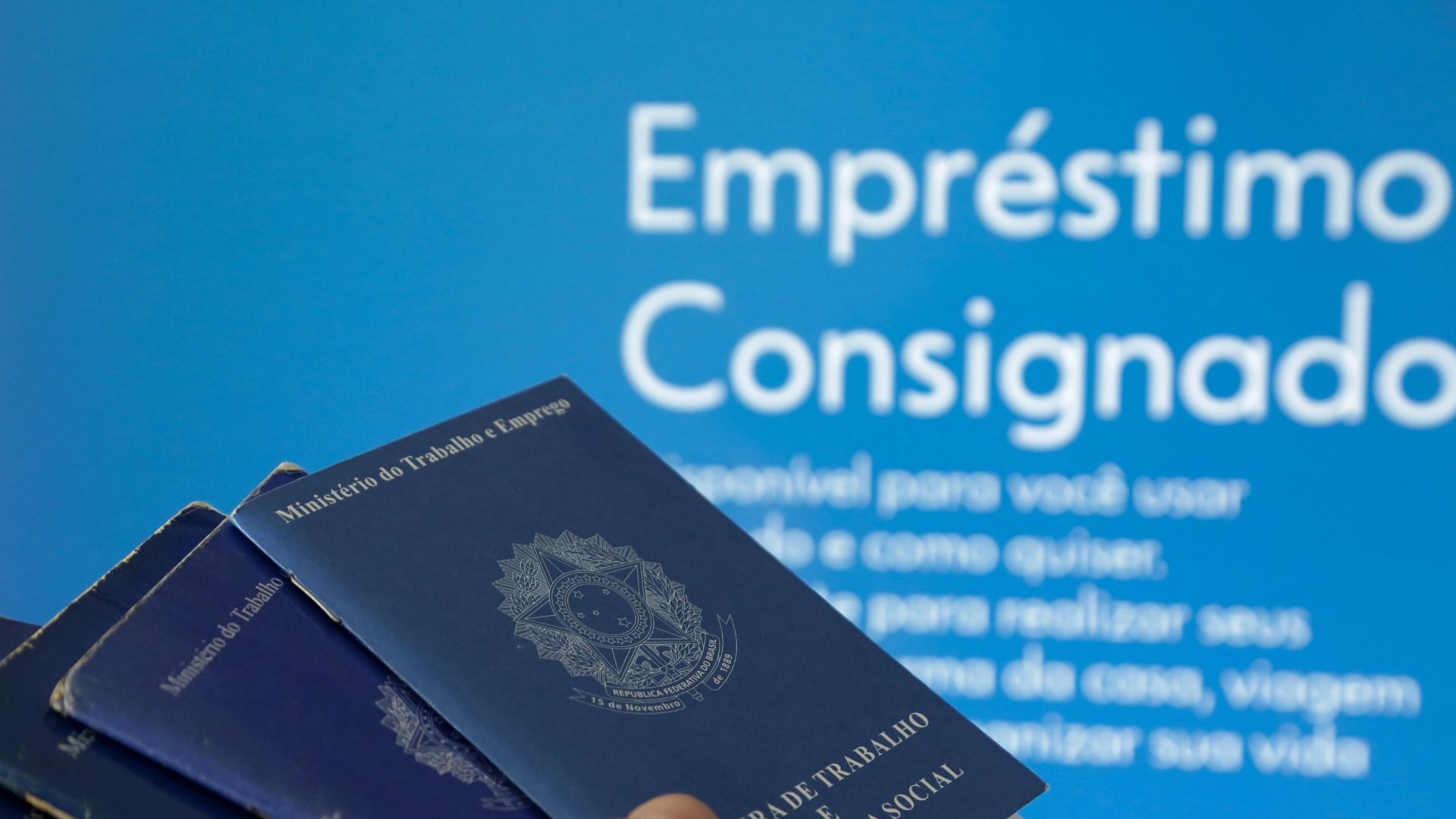
New Law Expands Access to Payroll Loans with Reduced Interest for Formal Workers and App Drivers, Allowing Digital Hiring and Establishing Safety and Regulatory Rules.
The President Luiz Inácio Lula da Silva signed, on Friday (25), the law that creates the Worker’s Credit, a type of payroll loan aimed at private sector employees with formal employment (CLT) and, now, also for app drivers and delivery workers.
The new legislation, published in the Official Gazette, expands access to credit with reduced interest rates and allows for hiring to be done digitally, directly from a mobile phone.
The presidential sanction comes after the text was processed in the National Congress, which included, among the changes, the extension of benefits to workers on transportation and delivery platforms, such as app drivers.
-
Havan buys historic football land in Blumenau for a million-dollar amount protected by a confidentiality clause and is already planning to change even the layout of streets to build a megastore in half-timbered style costing 80 million reais.

-
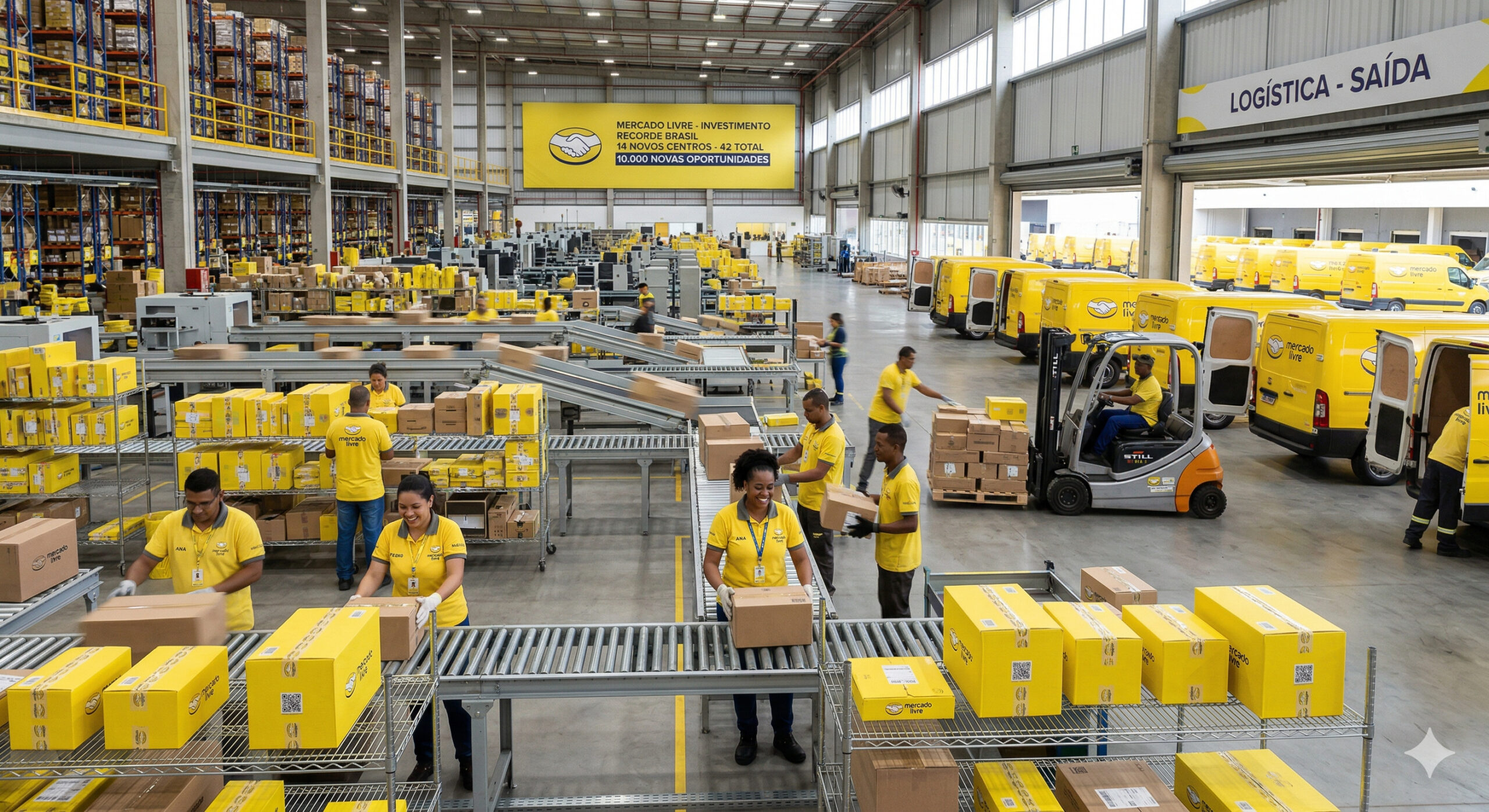
Mercado Livre “opens the vault” and announces a record investment of R$ 57 billion in Brazil in 2026, a value 50% higher than the previous year, with an expansion plan that includes 14 new logistics centers, totaling 42 units in the country and hiring an additional 10,000 employees.
-
How investment in technology can revolutionize the national economy and enhance industrial gains, according to a study that highlights the direct impact on productivity, innovation, and wealth retention within Brazil.

-
The largest food company on the planet, JBS, has just opened a 4,000 square meter laboratory in Florianópolis to develop customized proteins that modulate muscle mass gain, immune response, and metabolic performance.


According to the Palácio do Planalto, the law is part of the federal government’s strategies to promote access to credit and combat indebtedness with high interest rates.
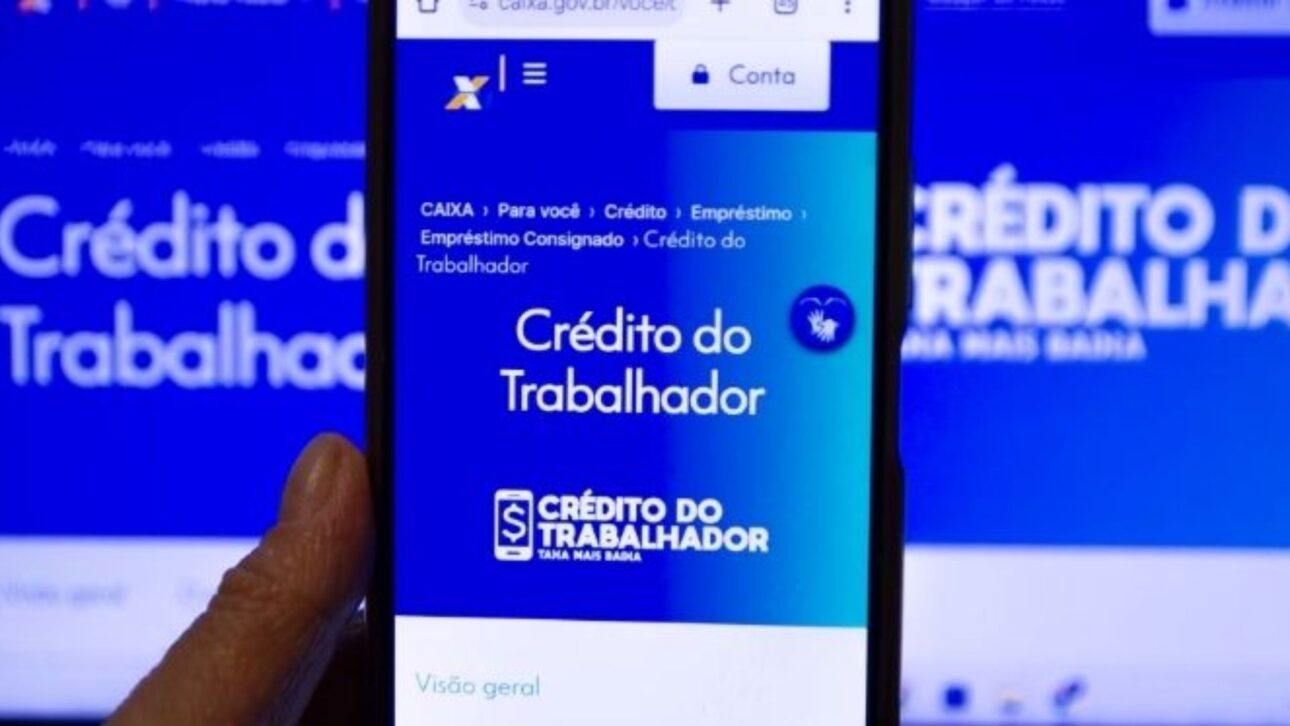
Worker’s Credit Moves Billions in Contracts
Since the establishment of the CLT payroll loan via Provisional Measure (MP) in March, the program has already moved R$ 21 billion, distributed across more than 4 million contracts, benefiting over 3.1 million private sector workers.
The average credit obtained per worker is around R$ 6,781.69, with an average repayment term of 19 months for installment payments.
The Ministry of Labor and Employment (MTE) reports that 60% of these loans are granted to people with incomes of up to four minimum wages, a historically marginalized group in terms of access to favorable credit conditions.
The interest rates applied in the new CLT payroll loan modality average 3.56% per month, significantly lower than the personal credit without payroll deduction, where rates range from 6.5% to 8.77% per month.
For beneficiaries of the National Institute of Social Security (INSS), the interest cap is even lower, currently set at 1.80% per month.
Oversight, Rules, and Security Expanded
The law stipulates that the Ministry of Labor and Employment will be responsible for overseeing compliance with the rules, ensuring that payroll deductions are made correctly and that the amounts of installments are forwarded to the financial institutions.
In cases of undue deductions or delays in transfers, the employer will be subject to administrative fines.
Additionally, the Committee for Managing Payroll Loan Operations has been established, composed of representatives from the Civil House, the Ministry of Finance, and coordinated by the Ministry of Labor and Employment.
This committee will be responsible for defining parameters, contractual conditions, and executing payroll loan operations.
Payroll Loans for App Drivers
For app drivers, the granting of credit will depend on the existence of an agreement between the work platform and the financial institution.
The value of the rides or deliveries performed by the worker will serve as collateral for the operation.
To ensure data security, President Lula vetoed sections that provided for the sharing of personal information between institutions, citing incompatibility with the General Data Protection Law (LGPD).
Digital Hiring and New Portability Rules
Another point regulated by the new law is the obligation to use biometric identification and digital mechanisms for contract validation, as per Decree No. 12,564 also signed on this Friday.
In portability operations, when a worker transfers a payroll loan from one institution to another, the new interest rate must be lower than that of the original operation, providing a financial advantage to the worker.


How to Apply for the Worker’s Credit
Those interested in applying for the Worker’s Credit can access the service through the apps and websites of banks or on the Digital Work Card, available in digital format.
To start the process, the worker authorizes data sharing from the eSocial system, which collects labor-related information, and receives credit proposals within 24 hours.
After reviewing the conditions, hiring occurs entirely digitally, with no need for in-person attendance at the bank.
The payroll loan installments are deducted directly from the paycheck, respecting a limit of up to 35% of the worker’s gross salary, including commissions, bonuses, and other benefits.
The legislation also allows for active payroll loan contracts to be migrated to the new modality, with portability between banks and guaranteed lower rates.
According to the legal text, in the event of a worker’s termination, the outstanding balance may be deducted from the severance payments, respecting a limit of 10% of the balance from the Severance Indemnity Fund (FGTS) and 100% of the severance fine.
If the deducted amount is insufficient, payment of the installments is suspended until the worker secures a new job with formal employment, at which point it will resume, with balance correction.
The worker may also negotiate a new payment arrangement directly with the bank.
Safety and Impact for CLT Workers and App Drivers
For app drivers and delivery workers, the operation will only be possible on platforms that have agreements with banks.
The values of the rides or deliveries received by the worker will serve as collateral for the loan, making access to payroll loans feasible for those working as independent contractors in the sector.
In addition to technological advancements, the program establishes a new standard of digital security for transactions, reducing the risk of fraud and protecting the personal data of workers.
The government states that with this measure, it intends to expand access to credit with lower interest rates and strengthen the protection of workers’ rights in the process.







-

-

-

-

-

12 pessoas reagiram a isso.