





 Portuguese
  English
  Spanish
  4 min of reading
  0 comments


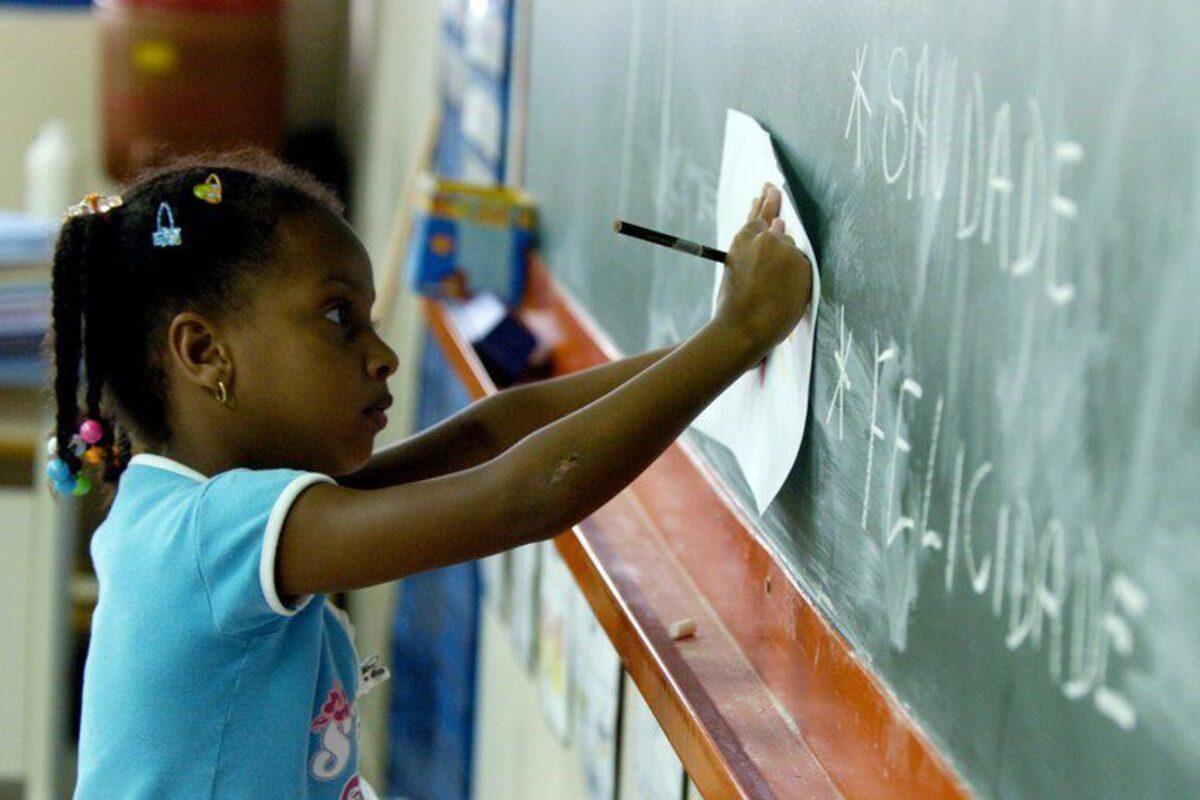
See The Updated Overview Of Brazilian Education, Shedding Light On The Reality Of Literacy In Every Corner Of The Country.
The literacy rates by state, released according to the MEC (Ministry of Education), show diverse scenarios, with some advances and persistent challenges that Brazil faces to ensure that all children learn to read and write at the right age.
This report is a crucial tool for formulating public policies and for understanding where investment in education is most urgent.
What Do The Literacy Rates Reveal According To The MEC?
The release of the literacy rates by state, according to the MEC, is a crucial moment for national education. These data reflect the percentage of children who achieved the expected literacy level by the end of the 2nd year of Elementary School, a stage considered decisive for school and personal development.
-
Friends have been building a small “town” for 30 years to grow old together, with compact houses, a common area, nature surrounding it, and a collective life project designed for friendship, coexistence, and simplicity.

-
This small town in Germany created its own currency 24 years ago, today it circulates millions per year, is accepted in over 300 stores, and the German government allowed all of this to happen under one condition.

-
Curitiba is shrinking and is expected to lose 97,000 residents by 2050, while inland cities in Paraná such as Sarandi, Araucária, and Toledo are experiencing accelerated growth that is changing the entire state’s map.

-
Tourists were poisoned on Everest in a million-dollar fraud scheme involving helicopters that diverted over $19 million and shocked international authorities.


Literacy is the gateway to all other learning, directly impacting the future of millions of children.
The MEC report not only presents numbers but also invites reflection on regional disparities and the factors that influence these results.
Socioeconomic conditions, investments in school infrastructure, teacher training, and access to quality educational materials are elements that contribute to success or difficulties in literacy.
A detailed analysis of these literacy rates by state allows public managers to identify where to concentrate efforts and resources to optimize education.
Ranking Of Literacy Rates By State (Highest To Lowest)
The most recent data, released according to the MEC, reveal a diverse scenario throughout Brazil. Follow the performance of literacy rates by state, from the highest to the lowest percentage of children literate at the right age:
1.Ceará: With 85.3%, the state stands out in the lead, demonstrating high effectiveness in its literacy policies;
2.Goiás: Achieves 72.7%, showing solid performance in ensuring the right to read and write;
3.Minas Gerais: Presents 72.1%, indicating a good advance in the literacy of its students;
4.Espírito Santo: Registers 71.7%, establishing itself among the states with good results;
5.Paraná: With 70.4%, the state maintains a strong position in the literacy ranking.
6.Rondônia: Marks 62.6%, showing progress in a region of challenges;
7.Santa Catarina: Reaches 62.0%, with consistent performance in the South of the country;
8.Pernambuco: With 60.8%, the state demonstrates ongoing efforts to boost literacy;
9.Mato Grosso: Registers 60.6%, ranking in the upper half of the table;
10.Piauí: Presents 59.8%, with important advances in the area;
11.Maranhão: With 59.6%, the northeastern state seeks to consolidate improvements;
12.Distrito Federal: Marks 59.1%, reflecting the reality of the federal capital;
13.São Paulo: Reaches 58.1%, an important result considering the large student population;
14.Paraíba: With 56.0%, indicates that most children are already literate, but there is room for improvement;
15.Mato Grosso do Sul: Registers 55.9%, aiming to strengthen its educational foundations;
16.Rio de Janeiro: With 55.3%, the state points out the need to accelerate the process;
17.Acre: Marks 51.4%, with notable efforts in a region of geographical challenges;
18.Tocantins: Presents 50.1%, with ongoing work to improve the rates;
19.Amazonas: With 49.2%, the state faces geographical and access challenges for education;
20.Alagoas: Registers 48.6%, one of the states that requires priority attention;
21.Pará: Reaches 48.2%, reflecting the need to boost early learning;
22.Amapá: With 46.6%, in a context of significant logistical and social challenges;
23.Rio Grande do Sul: Marks 44.7%, demonstrating that there is a long way to go;
24.Rio Grande do Norte: With 39.3%, the state seeks to strengthen its educational foundations;
25.Sergipe: Registers 38.4%, one of the lowest rates, demanding priority attention;
26.Bahia: With 36.0%, the state presents the lowest rate, evidencing the urgency of interventions;
27.Roraima: Data was not collected for this state, indicating a gap in information for the region.
Challenges And Next Steps In Literacy, According To The MEC
The literacy rates by state, according to the MEC, reveal a complex reality.
While some states demonstrate excellence and notable progress, others face a long road to ensure that all children develop essential reading and writing skills. This regional disparity points to the need for personalized approaches and targeted investments.
The MEC and state and municipal governments have the task of deeply analyzing these data to implement effective intervention programs, strengthen teacher training, ensure the availability of adequate educational materials, and above all, combat social inequalities that directly impact access to and quality of education.
Literacy is the foundation for the development of a fairer and more prosperous country. Understanding these rates is the first step to building a future where no child is left behind.










Seja o primeiro a reagir!