





 Portuguese
  English
  Spanish
  5 min of reading
  0 comments


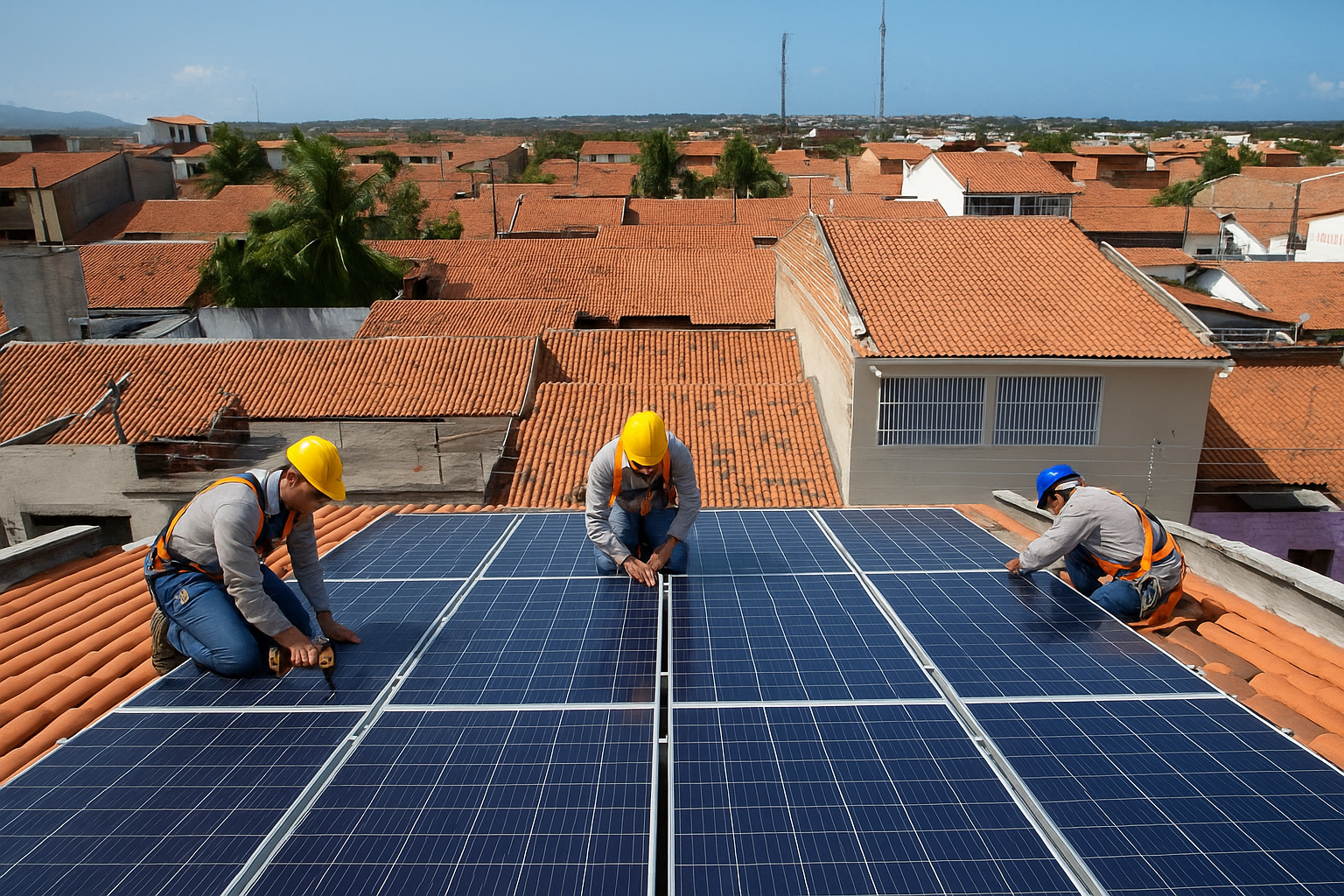
Understand How the New Fee Proposed in MP 1304 Threatens the Viability of Solar Energy Generation and Could Compromise the Future of Sustainability in Brazil.
In recent years, Brazil has made significant advances in the solar energy sector, establishing itself as one of the country’s main renewable sources. However, MP 1304, by proposing an additional fee of R$ 20 for every 100 kWh generated, could jeopardize the viability of solar energy generation, especially among small producers and households. This change raises concerns in the sector and reignites the debate about the balance between revenue collection and support for sustainability.
The Evolution of Solar Energy in Brazil
The trajectory of solar energy in Brazil is marked by a constant rise since the 2010s, when the first photovoltaic systems began to be installed on a large scale. This movement gained momentum with the creation of Law 14.300, which established a regulatory framework for distributed generation. From that moment on, consumers began to produce their own energy and inject excess into the electrical grid, reducing costs and strengthening energy autonomy.
For many years, solar energy symbolized an environmental and economic advancement. It provided reduction in electricity bills, less dependence on fossil sources, and generation of green jobs. However, with the new fee proposed by MP 1304, the situation becomes uncertain. This measure threatens a sector that is still consolidating and needs encouragement, not obstacles.
-
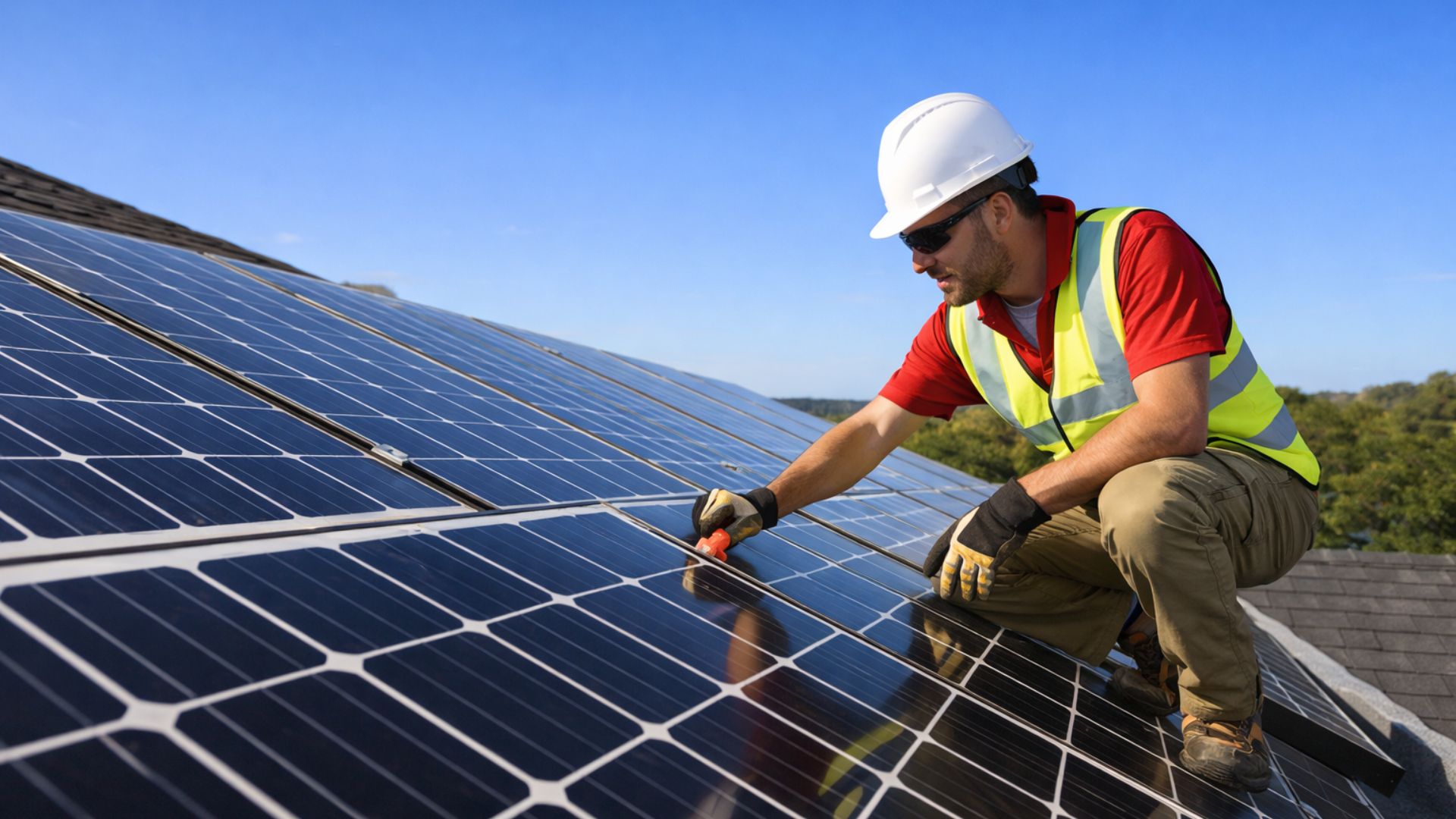
Seagri’s headquarters invests in solar energy with Neoenergia Coelba and promises to cut electricity costs, highlighting a strategic advance in sustainability and energy efficiency within state public administration.
-
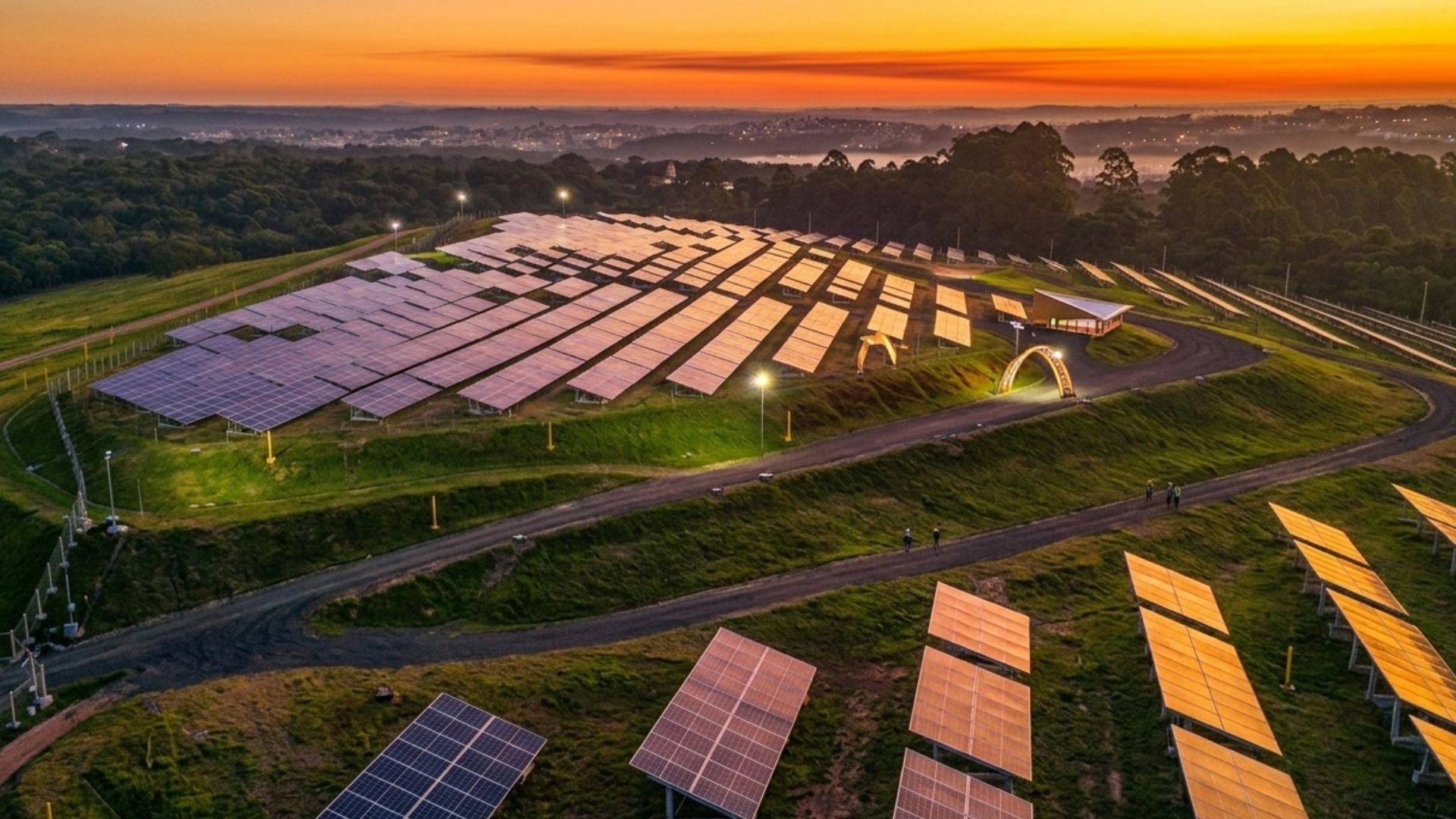
Solar Pyramid draws attention by converting solar energy into million-dollar savings and repositioning the City Hall of Curitiba as an example of innovation, sustainability, and intelligent use of public resources.
-
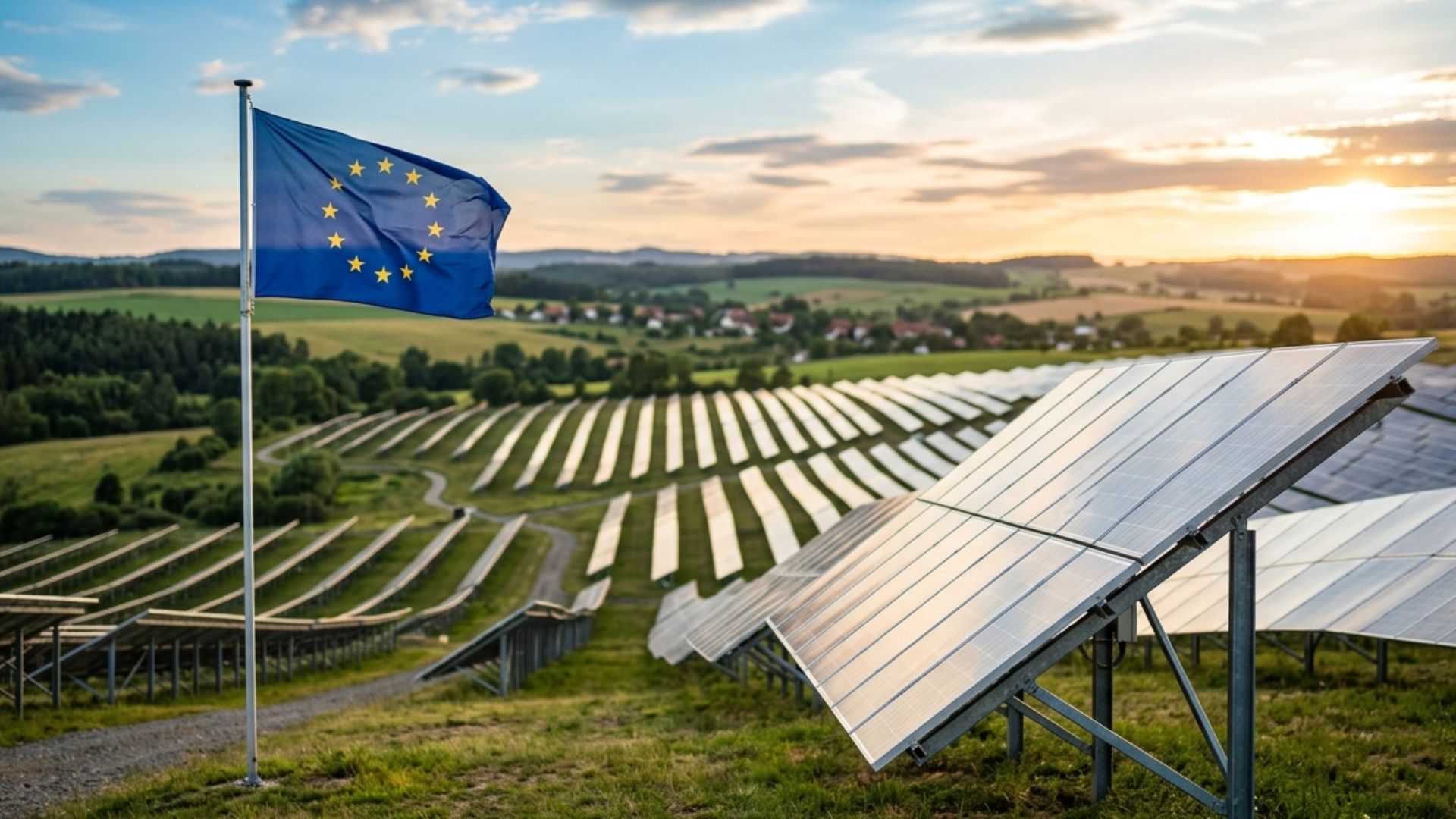
Europe records strong euro economy with solar energy in March and sparks curiosity about which country leads growth that redefines the energy market and reduces costs.
-
Piauí reaches a historic milestone in energy transition: State records nearly 160,000 households powered by solar energy and leads growth in the Northeast.
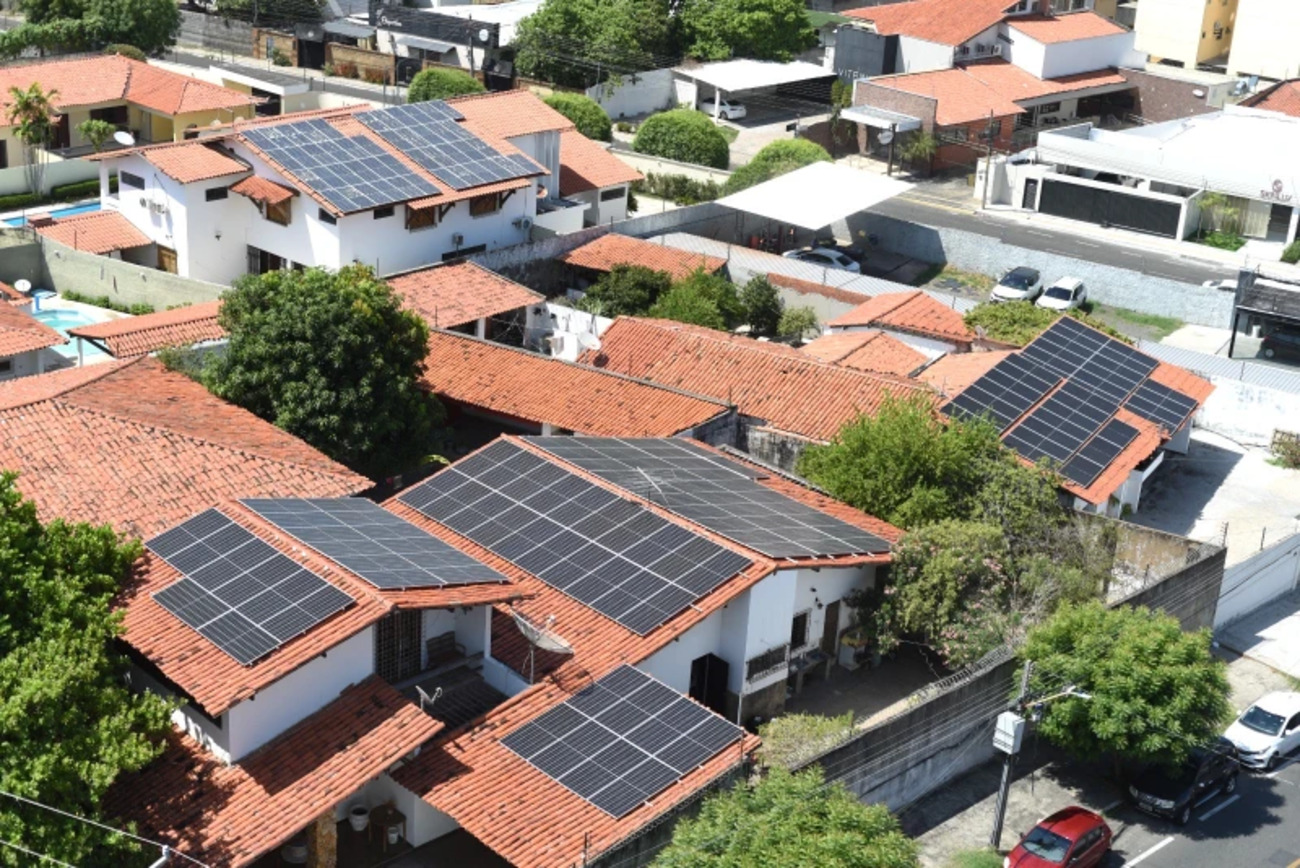

Moreover, it is important to remember that Brazil possesses one of the largest solar potentials in the world, especially in the Northeast and Central-West regions. These areas receive high solar incidence for nearly the entire year. Therefore, any measure that reduces the incentive for solar energy directly impacts sustainable development and national energy balance.
The New Fee and Its Economic Impacts
The proposal of MP 1304 foresees a charge of R$ 20 for every 100 kWh generated by those who produce their own energy. This amount represents a considerable burden for families, small businesses, and rural producers who have invested in photovoltaic panels.
According to experts, this charge amounts to more than a 20% increase in additional charges in several Brazilian states. In some cases, it reaches five times the value of the red flag, making the cost of solar energy less competitive.
In Ceará, for example, the Cearense Front for Distributed Generation (FCEGD) warned that the measure could reduce the attractiveness of new investments by up to 60%. As a result, small producers, family farmers, and local entrepreneurs might give up installing solar systems, which would slow down sector growth and the number of jobs created.
Lucas Melo, president of FCEGD, emphasized that “this new charge compromises the predictability and legal security” guaranteed by Law 14.300. He explains that the original text provided for a gradual transition until 2029, allowing the market to mature. However, the new MP breaks this logic, creating uncertainties and pushing investors away.
The Threat to Predictability and Investment
Legal security has always been one of the pillars for the expansion of solar energy. When rules change suddenly, investors lose confidence. This occurred in other moments in Brazilian energy history, such as in the 1980s and 1990s, when unstable policies drove away foreign capital and delayed the development of renewable sources.
With MP 1304, there is a risk of repeating this pattern. If costs increase without compensation, the viability of solar energy generation could plummet. Furthermore, the measure affects the financial planning of those who were already in the process of adoption. Even though already installed systems are not directly impacted, discouragement for new projects will be inevitable.
Currently, Ceará has around 110 thousand generating units, a still small number compared to the 4.4 million registered consumers. In other words, the potential for growth is huge, but it depends on regulatory stability. When the government signals sudden changes, it jeopardizes a sector that could be one of the engines of the national energy transition.
The Contradiction in Energy Policies
Another point of criticism of MP 1304 is the prioritization of polluting sources, such as coal-fired power plants and gas thermoelectric plants. The text proposes to extend permits until 2040 for coal, which represents a setback in Brazilian environmental policy.
While the entire world seeks to reduce carbon emissions, Brazil seems to be moving in the opposite direction. This contrast between the encouragement of fossil sources and the penalization of solar energy is, at the very least, contradictory.
Experts affirm that such a decision could make the country less competitive in the international arena. This is because large economies are rapidly advancing in clean energy. The European Union, for example, has set ambitious carbon neutrality goals by 2050, while the United States is increasing investments in renewable energy.
Thus, the viability of solar energy generation in Brazil is not just an economic issue, but also a strategic one. Investing in clean energy is to ensure independence, sustainability, and technological innovation. Ignoring this trend may mean losing ground in an increasingly green global economy.
The Future of Solar Energy and the Need for Balance
The debate over MP 1304 should serve as a warning. Brazil needs to balance fiscal responsibility and support for renewable energies. Creating additional fees without offering compensations can create a domino effect, decreasing the adoption of new consumers and slowing technological advancement.
To maintain the viability of energy generation, the country needs consistent and predictable policies. It is crucial to invest in research, innovation, and infrastructure, rather than imposing financial barriers. Furthermore, it is essential to strengthen dialogue among government, the private sector, and civil society.
Solar energy represents autonomy, economy, and sustainability. Therefore, by threatening this sector, the country not only harms those who generate their own energy but also jeopardizes the national energy future.
In summary, MP 1304 needs to be widely debated and reviewed, as its impact could go far beyond a simple fee. It could redefine the path of the Brazilian energy transition, influencing the economy, the environment, and Brazil’s role in the global arena.
If the country desires a cleaner and more prosperous future, it must invest in policies that ensure the viability of solar energy generation, strengthening a sector that has already proven essential for sustainable development.









-

Uma pessoa reagiu a isso.