





 Portuguese
  English
  Spanish
  3 min of reading
  0 comments


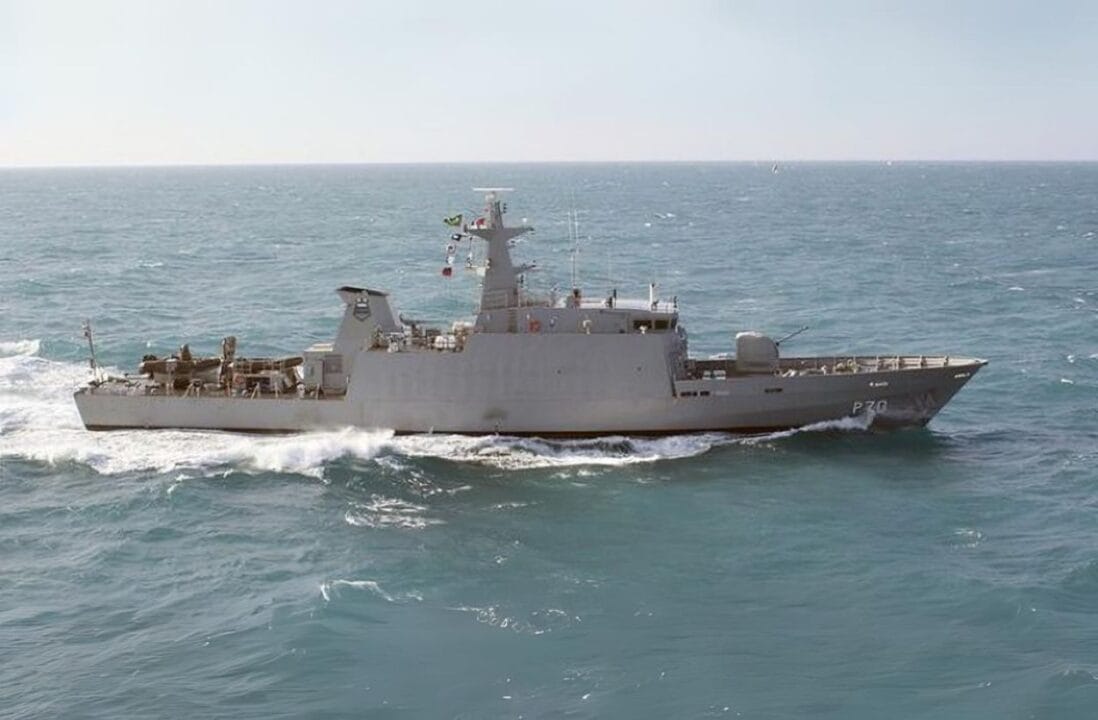
The Journey of the Macaé Class Patrol Vessels, Addressing from Their Order in 2006, the Challenges Faced in Construction, to Their Significant Contribution to the Modernization and Operational Capability of the Brazilian Navy.
Since 2006, the Brazilian Navy has embarked on an ambitious project to modernize its fleet by commissioning the Macaé Class patrol vessels, designed in collaboration with France. These ships, built in Ceará, reflect the ongoing efforts to upgrade the Brazilian naval force, standing out for their performance and contribution to the country’s maritime defense and surveillance.
The Macaé Class, initially composed of two units, NPA Macaé and NPA Macau, marked the beginning of a new era in the Brazilian shipbuilding industry. Their construction, initiated in 2006, was followed by two more ships in 2009, despite the challenges faced with the EISA shipyard, involved in crises and scandals. The resilience of the Brazilian Navy and the partnership with Genova Engenharia allowed for the resumption and completion of the projects, symbolizing not just technological advancements, but also overcoming adversities.
Macaé Class and the Patrols
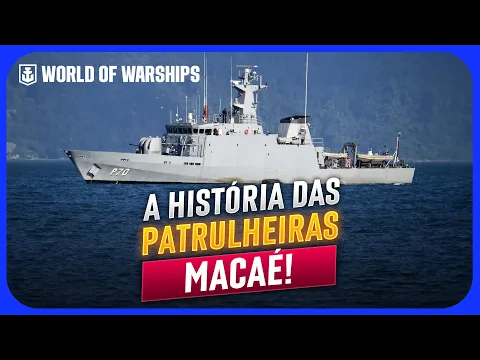

The Macaé Class is not only notable for its tumultuous construction history but also for its strategic role in patrol missions, coastal defense, and protection of Brazil’s exclusive economic zones. Equipped with cutting-edge technology, these patrol vessels effectively combat illicit activities, ensuring national maritime security.
-
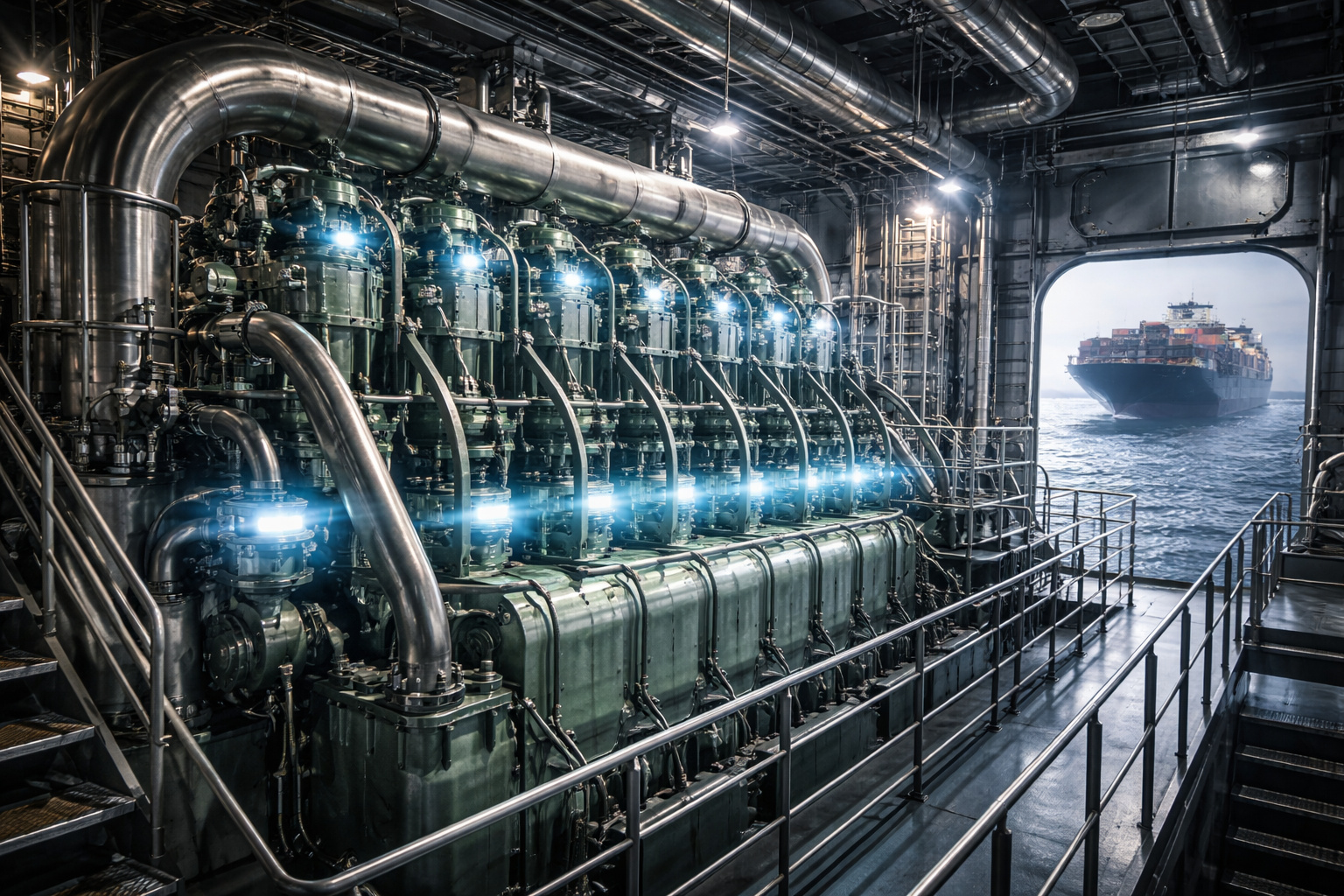
Europe is trying to create an ammonia-powered marine engine without auxiliary fuel, which could unlock the race for giant emission-free ships. The technology aims to eliminate one of the biggest obstacles to clean maritime propulsion.
-
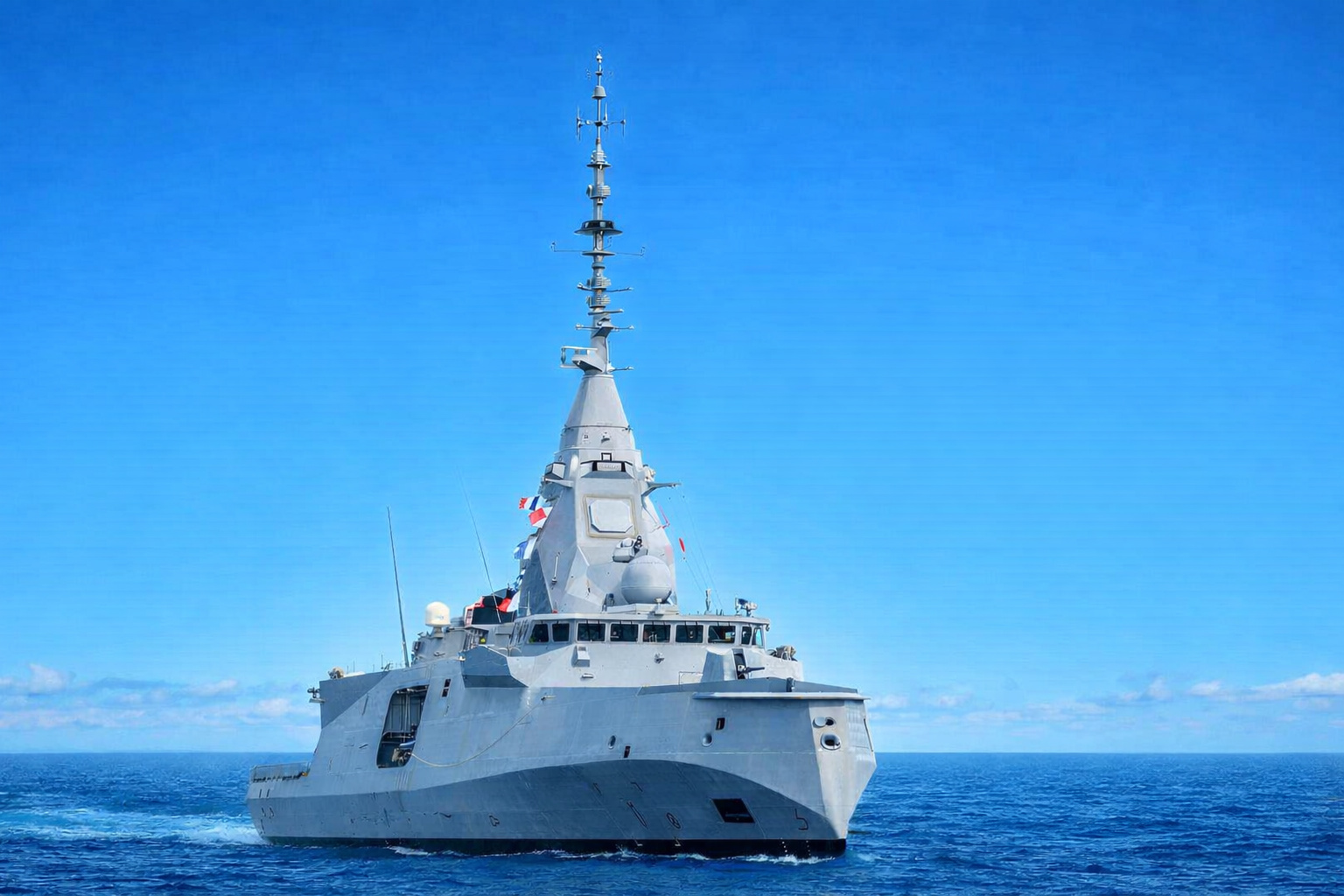
A 4,500-ton frigate with just over 100 crew members, state-of-the-art radar, and cruise missiles is being touted as the new standard of naval warfare in the 21st century.
-
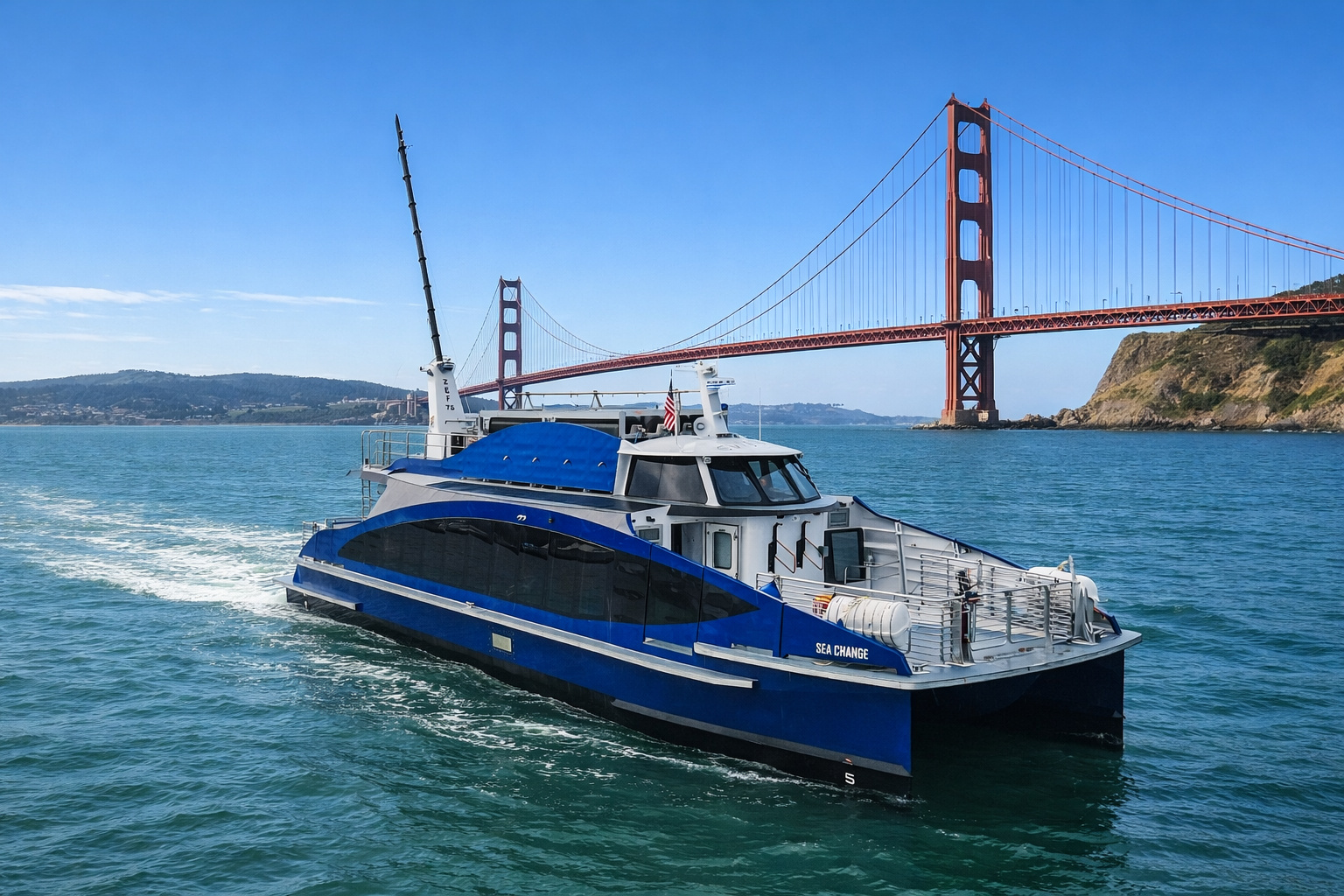
The first commercial hydrogen-powered ferry enters operation in the U.S., eliminates the use of diesel, uses fuel cells to generate clean energy on board, and transforms San Francisco Bay into a landmark of the new era of emission-free navigation.
-
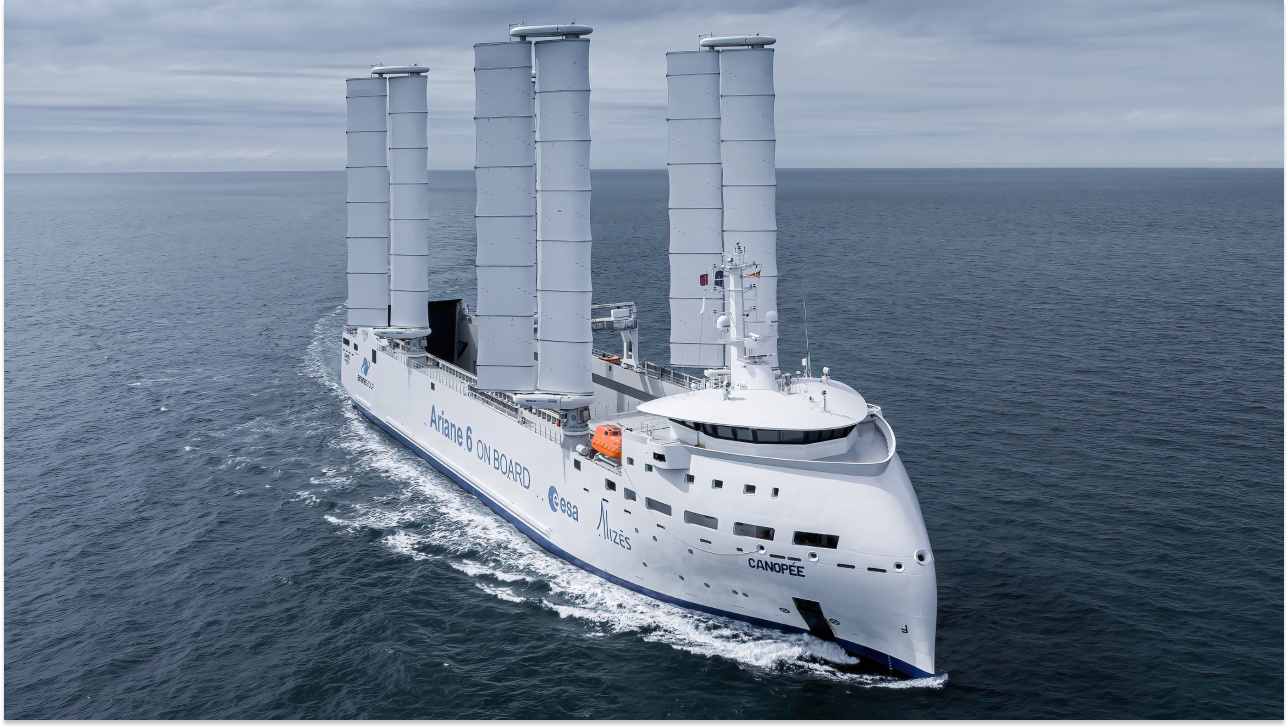
With a length of 121 meters and four rigid sails of 36 meters that automatically rotate to capture the wind, Canopée is the world’s first hybrid industrial cargo ship powered by wind, used to transport rockets and reduce fuel consumption by up to 30% on transoceanic routes.

The legacy of the Macaé Class extends beyond operational capacity, inspiring new projects such as the NPA 500 BR, which aims to replace older units and enhance the Brazilian shipbuilding industry in the global market. Even with slow progress, the project remains firm in the Brazilian Navy’s plans, promising innovations and significant advancements.
In retrospect, the journey of the Macaé Class patrol vessels reflects Brazil’s determination and ability to strengthen and renew its navy, consolidating its position as a naval power in Latin America. With the completion of the NPA Mangaratiba expected in 2024, the Macaé Class continues to be a symbol of progress and innovation in the Brazilian Navy.
Shipbuilding Industry of the Brazilian Navy
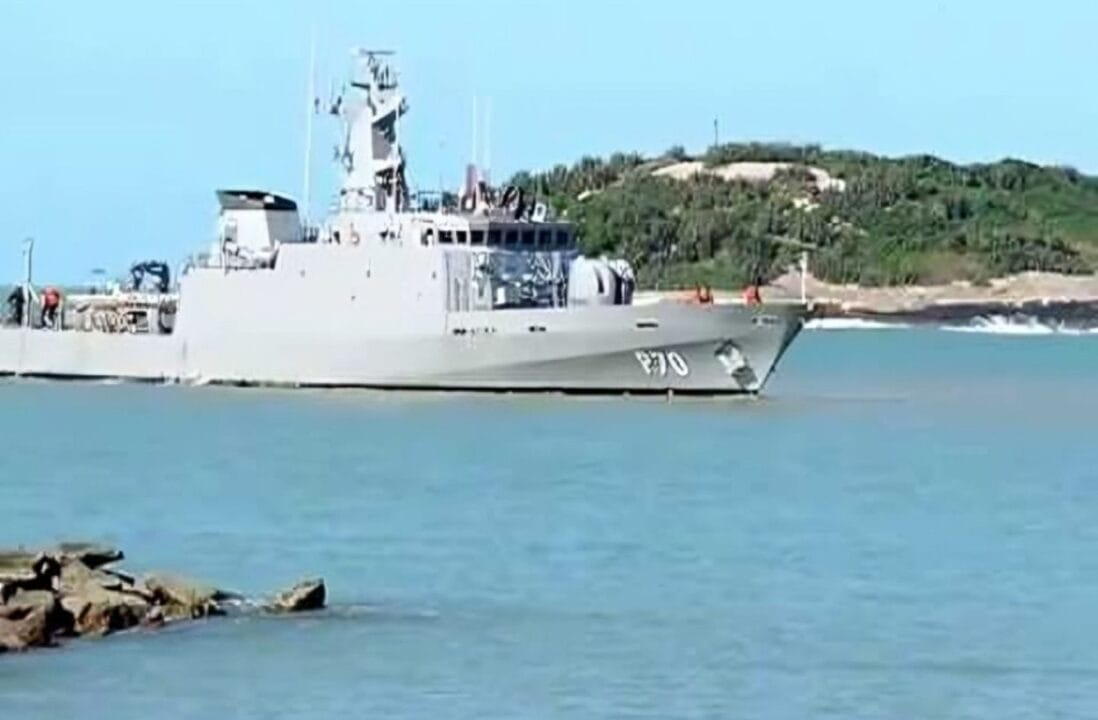
The Brazilian Navy, strengthened by the inclusion of the Macaé Class patrol vessels, boasts a robust fleet of more than 20 patrol ships, spread across various classes such as Piratini, Pedro Teixeira, Roraima, Grajaú, Bracuí, and the recent additions of the oceanic vessels Amazonas, Apa, and Araguari. These ships are crucial for monitoring and protecting Brazilian territorial waters, performing a variety of tasks from oversight to search and rescue operations.
The cost of a patrol ship is a variable aspect, influenced by factors such as size, operational capability, and technology. While smaller patrol vessels may require an investment of several tens of millions of dollars, larger and more technologically advanced vessels such as the oceanic patrol ships of the Amazonas class approach figures close to US$ 174 million, a value based on the acquisition made by the Brazilian Navy.
This financial landscape is not static, depending on inflation, changes in the global shipbuilding market, and the specifics of negotiated contracts. The intention to expand and modernize the fleet by 2036, according to the strategic plans of the Brazilian Navy, suggests a future of substantial investments in the sector, emphasizing the importance of a modern and efficient fleet for national maritime security.









Seja o primeiro a reagir!