





 Portuguese
  English
  Spanish
  4 min of reading
  0 comments


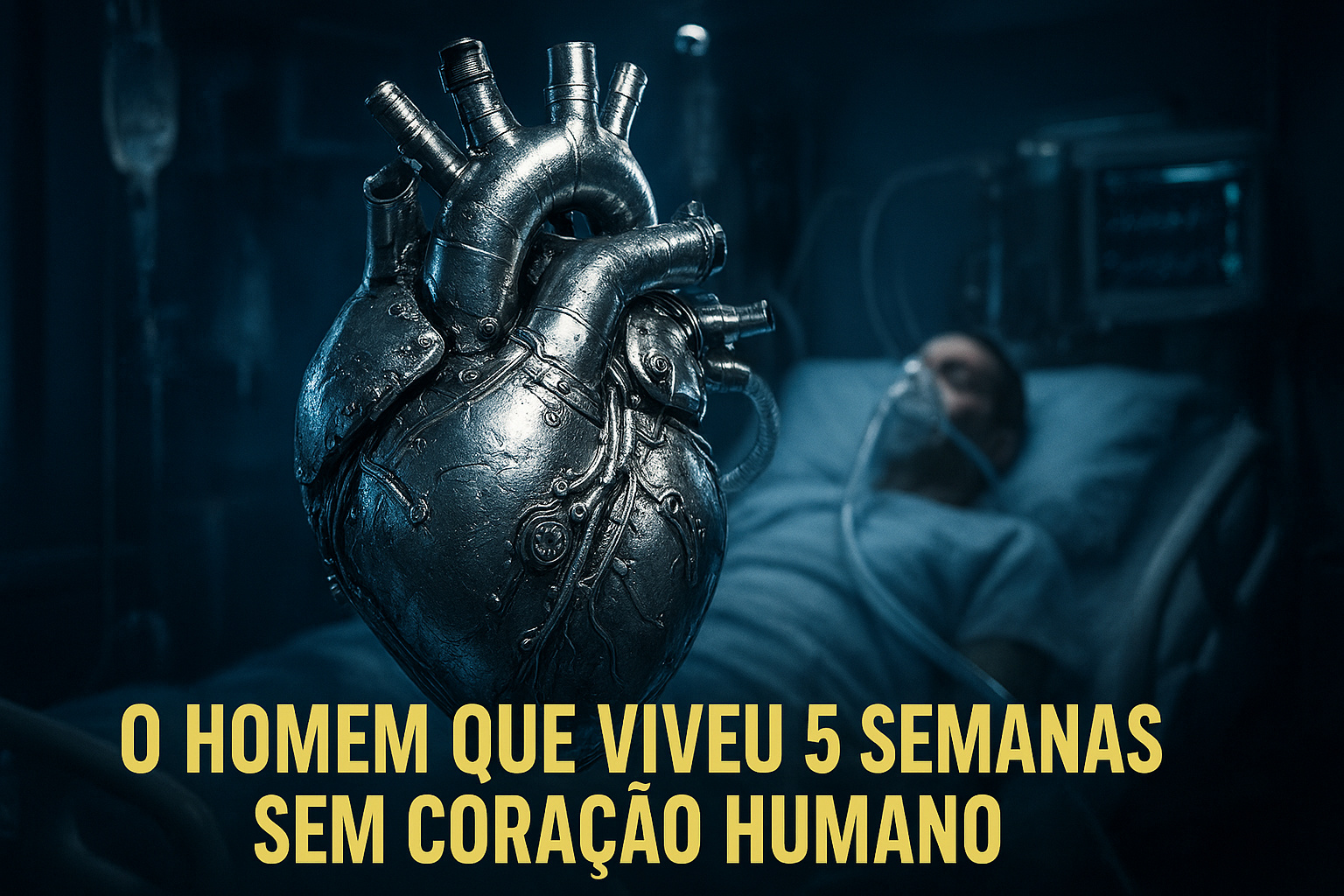
Man Lives for 5 Weeks Without Biological Heart After Receiving Continuous Artificial Device in the US, in One of the Most Extraordinary Cases of Modern Cardiology.
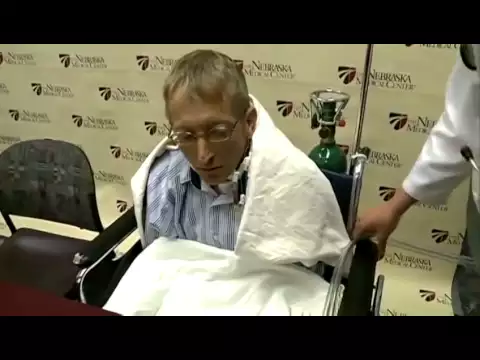
In 2011, a case transformed world cardiology and became the subject of study at universities, physiology conferences, and biomedical engineering centers. American Craig Lewis, then 55 years old, became the first patient to live without a biological heart, remaining conscious and active after receiving a continuous artificial device that completely replaced cardiac function.
The surgery, performed by the Texas Heart Institute in partnership with cardiothoracic surgeons Dr. Bud Frazier and Dr. Billy Cohn, completely removed the patient’s heart and implanted an innovative mechanical system — a device similar to two centrifugal pumps — capable of maintaining blood circulation without producing heartbeats.
Lewis survived for five weeks after the procedure, long enough for the team to document one of the most extraordinary physiological experiments in the history of medicine.
-
After decades of failed attempts, Brazil is once again looking to space with an orbital rocket measuring 12 meters, weighing 12 tons, costing R$ 189 million, and scheduled for launch in 2026, in a new race to finally achieve autonomous access to orbit.

-
The Earth will plunge into a few minutes of darkness in broad daylight in August 2026, when a total solar eclipse transforms the sky into one of the most impressive astronomical phenomena in recent years.

-
How the terraforming of Mars can transform the planet: artificial aerosols can increase the temperature by up to 35°C in 15 years, creating conditions for liquid water.

-
Scientists drilled nearly 8,000 meters into the ocean floor above the fault that caused the 2011 tsunami in Japan and discovered that a layer of clay 130 million years old was responsible for making the wave much worse than any model had predicted.
What Led to the Total Removal of the Heart
Craig Lewis suffered from systemic amyloidosis, a rare condition in which abnormal proteins accumulate in organs and lead to the collapse of multiple systems. In Lewis’s case, the heart was so compromised that doctors could no longer identify useful beats. Transplant was not an option:
- there was an extremely high risk of rejection;
- there were no hearts available;
- the systemic disease would compromise a new organ.
The only alternative to keep him alive was to completely replace cardiac function. That’s when the surgeons decided to test the Continuous Flow Device, a prototype developed to replicate blood flow through continuous rotary pumps.

The Device That Replaced Beats with Continuous Flow
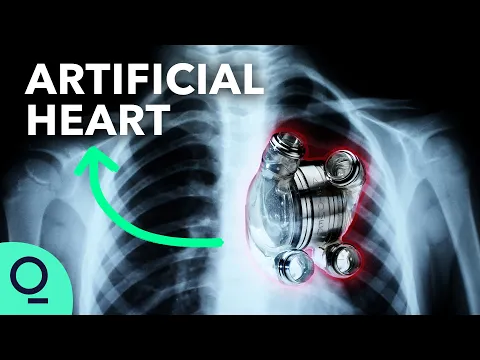
Unlike traditional pulsatile artificial hearts that mimic the beats of the natural organ, the device implanted in Lewis created a permanent flow, similar to the hydraulic movement of a turbine.
The system consists of:
- two continuous flow centrifugal pumps;
- battery-powered motors;
- tubes connected to the atria and large vessels;
- an external controller;
- constant monitoring of flow and pressure.
Without a biological heart, without pulsations, and without a sinus rhythm, the blood began to circulate continuously — enough to maintain functional oxygenation and blood pressure.
This was the first documented case in which a patient lived without any detectable heartbeat.
The Human Body Without Pulsation: What Doctors Observed
As soon as the device was activated, the team observed unprecedented physiological phenomena:
- Craig Lewis had no pulse;
- stethoscopes could not detect beats;
- circulation was maintained by continuous flow;
- monitors displayed stable lines without heartbeat waves.
Nevertheless, the patient:
- woke up;
- talked;
- breathed normally;
- maintained stable blood pressure;
- demonstrated lucidity and cognitive ability.
This challenged decades of medical understanding about the absolute necessity of a heartbeat.
The Limits of Technology and the Evolution of the Clinical Picture
The device did exactly what it promised: it replaced the heart.
The cause of Lewis’s death was not the artificial system, but the progression of amyloidosis, which had already affected his kidneys, liver, and other vital organs.
The team highlighted that if it weren’t for the systemic disease, the patient could have survived for months or even years with the device. After five weeks, the body succumbed to the advance of the primary condition.
Why the Case of Craig Lewis Became Historical
The experience with Lewis profoundly impacted medicine for several reasons:
Real Proof That Humans Can Live Without Heartbeats
Until then, all cardiac technology aimed to imitate the natural pulse. The case demonstrated that this is not necessary to sustain life.
Opening for a New Generation of Artificial Hearts
The initial success of the device encouraged the development of continuous flow pumps still used today in patients with advanced heart failure.
Impact on Biomedical Engineering Research
The system gave rise to smaller, more efficient, and more stable devices used as “bridge to transplant”.
An Ethical, Scientific, and Technological Advance
The procedure showed that, even in extreme cases, engineering can create solutions once thought impossible.
A Legacy That Continues to Inspire Research in 2025
The case of Craig Lewis is frequently cited at international conferences on cardiology, biomedical engineering, and human physiology.
His experience is taught at universities in the US as a milestone in the evolution of the artificial heart concept. The feat demonstrated that:
- continuous flow can sustain life;
- beats are not absolutely essential;
- the future of artificial hearts may move away from traditional pulsation.
The Story That Forever Changed How Medicine Sees Life Without a Biological Heart
Craig Lewis was not just a patient.
He was the protagonist of one of the boldest experiments in modern cardiology, allowing doctors and engineers to verify — for the first time — that a human being can fully survive without a heart, sustained only by a mechanical continuous flow system.
Five weeks were enough to turn this case into a turning point, redefining the boundaries between technology, biology, and human survival.










Seja o primeiro a reagir!